The 2016 Kenworth T800 is a robust Class 8 truck, a staple in the vocational and heavy-haul trucking industry for decades. Its long production history, spanning from the late 1980s to the present with updates, underscores its enduring appeal. Primarily a conventional cab truck, it offers various configurations to suit demanding applications. Key trims often revolve around engine and drivetrain specifics. New pricing was substantial, often starting well over $100,000, with used models varying significantly. Its popularity stems from its legendary durability, customizable options, and proven performance in tough environments.

The Good
The 2016 Kenworth T800 boasts exceptional reliability and powerful performance, built to withstand rigorous use. Its driver-focused design offers surprising comfort for long hauls, while its robust construction ensures long-term value and a reassuring sense of capability for the owner.
The Bad
While highly durable, the 2016 Kenworth T800's older design might lack the advanced technological amenities found in newer trucks. Potential buyers should watch for signs of heavy use, particularly in the drivetrain and suspension, and consider the cost of updating emissions systems if applicable.
2016 Kenworth T800: Quick Overview
- Engine Options: The 2016 Kenworth T800 was typically equipped with a Cummins ISX15 engine, known for its power and longevity. Other available options could include PACCAR MX-13 engines. These are heavy-duty diesel engines designed for vocational and long-haul applications.
- Horsepower: Horsepower ratings for the Cummins ISX15 engine generally ranged from 400 hp to over 600 hp, depending on the specific configuration and application. PACCAR MX-13 engines offered a similar range.
- Fuel Economy: Fuel economy for a Class 8 truck like the T800 is highly variable and depends on numerous factors including engine, transmission, rear axle ratio, load, terrain, and driving habits. Expect figures typically in the range of 5-7 miles per gallon (MPG) under optimal highway conditions.
- 0-60 Times: 0-60 mph times are not a standard metric for heavy-duty trucks and are not typically published or relevant due to their size, weight, and purpose. Acceleration is geared towards hauling capacity rather than speed.
- Towing Capacity: The towing capacity of a 2016 Kenworth T800 is extremely high, designed for heavy-duty applications. Depending on the specific chassis, axle configuration, and trailer setup, it can tow well over 100,000 pounds gross combined weight (GCW), often significantly more for specialized heavy haul.
- Trim-Level Features: The T800 is a highly configurable vocational truck, so specific 'trim levels' in the passenger vehicle sense are less defined. Key features and options often selected include:
- Axle Configurations: Various single, tandem, and tridem drive axles, as well as steer axle options for different weight ratings and traction needs.
- Suspension Systems: Options like Kenworth AirGlide, Reyco, or Hendrickson suspensions tailored for load capacity and ride comfort.
- Wheelbases: A wide range of wheelbases to accommodate different trailer lengths and weight distribution requirements.
- Cab Options: Day cabs, extended day cabs, and various sleeper configurations (e.g., 38-inch, 42-inch, 62-inch) offering different levels of driver comfort and storage.
- Interior Amenities: Options for enhanced driver comfort, including upgraded seats, sleeper amenities (beds, storage), and additional climate control features.
- Braking Systems: Air brakes are standard, with options for anti-lock braking systems (ABS) and other advanced braking technologies.
- Powertrain Integration: Various transmission options (manual and automatic) from manufacturers like Eaton Fuller and Allison, and different rear axle ratios to optimize for hauling or fuel efficiency.
2016 Kenworth T800 Specifications
Vehicle Information
| Year | 2016 |
| Make | Kenworth |
| Model | T800 |
| Trim | - |
| Style | - |
| Type | Truck |
| Category | Tractor |
Manufacturing Details
| Made In | United States |
| Manufacturing City | CHILLICOTHE |
Dimensions
| Doors | - |
| Curb Weight | - |
| Gross Vehicle Weight Rating | 80001 pounds |
| Overall Height | - |
| Overall Length | - |
| Overall Width | - |
| Wheelbase Length | - |
| Standard Seating | - |
Engine & Performance
| Engine | 12.9L I6 |
| Engine Size | 12.9L |
| Engine Cylinders | 6 |
| Transmission | - |
| Transmission Type | - |
| Transmission Speeds | - |
| Drivetrain | 6x4 |
Additional Features
| Anti-Brake System | - |
| Steering Type | - |
Pricing
| Manufacturer Suggested Retail Price (MSRP) | - |
| Invoice Price | - |
| Delivery Charges | - |
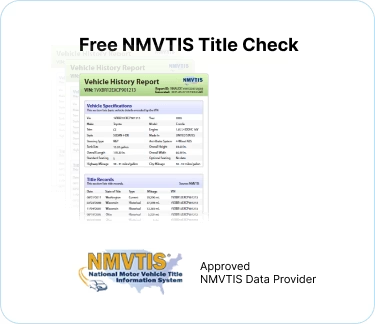
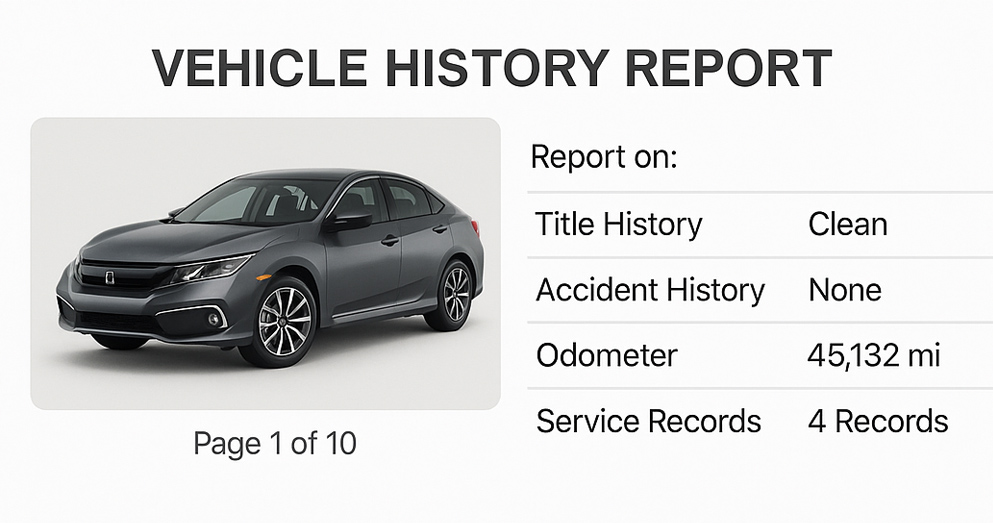
Vehicle History Report
Vehicle
Specifications
Specifications
Ownership
History
History
All History
Events
Events
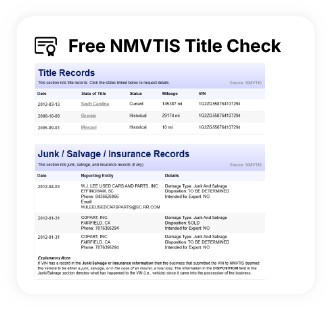
NMVTIS Title
History Check
History Check
Salvage/Rebuilt
Check
Check
Accident
Check
Check
Theft
Check
Check
Open Lien
Check
Check
Past Sale
Listings
Listings
Safety
Recalls
Recalls
Odometer
Check
Check
Market Price
Analysis
Analysis
What Problems Does the 2016 Kenworth T800 Have?
The 2016 Kenworth T800, like many heavy-duty trucks, is generally known for its robust build and long-term reliability. However, as with any vehicle, particularly those operating in demanding vocational or long-haul environments, certain issues can arise. Owners and mechanics have reported common concerns that are often related to the high mileage and strenuous use these trucks endure rather than inherent design flaws.
One area frequently discussed is the engine and its related emissions control systems, particularly with the Cummins ISX15 and PACCAR MX-13 engines. Issues can include the Diesel Particulate Filter (DPF) regeneration system, Exhaust Gas Recirculation (EGR) valve problems, and sensor failures. These can lead to reduced engine performance, check engine lights, and costly repairs if not addressed promptly. While not specific to the 2016 model year, these are ongoing considerations for these engine platforms.
The transmission and drivetrain are generally very reliable, but wear and tear can lead to issues with clutches (in manual transmissions), synchronizers, and differential problems after hundreds of thousands of miles. Regular maintenance and proper operation are crucial to mitigating these.
Electrical system issues are not uncommon in heavy-duty trucks as they age. This can manifest as problems with wiring harnesses, alternators, starter motors, and various sensors. Water intrusion can sometimes contribute to corrosion and electrical gremlins.
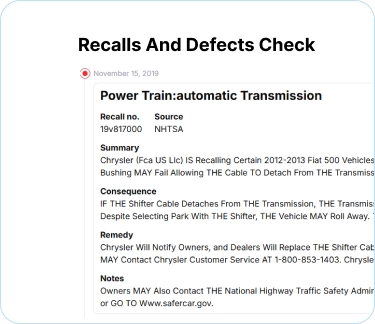
Regarding recalls, it is essential to check the National Highway Traffic Safety Administration (NHTSA) website for any specific recalls applicable to a 2016 Kenworth T800. Recalls can affect various components, from safety systems to engine parts. For instance, recalls might be issued for braking system components, steering linkages, or even specific engine control modules. It is important for owners to ensure their vehicle has had all safety recalls addressed.
Long-term reliability is heavily dependent on the truck's intended use and the owner's maintenance regimen. A T800 used for local construction will experience different stresses than one used for cross-country hauling. Trucks that are regularly serviced, with fluid changes, filter replacements, and inspections, will far outlast those neglected. Weaknesses over time can include chassis corrosion (especially in areas with harsh winters or coastal environments), wear on suspension components, and potential leaks in air or hydraulic systems. However, the core components of the T800 are designed for longevity, and with proper care, these trucks can serve for many years and hundreds of thousands, even millions, of miles.
One area frequently discussed is the engine and its related emissions control systems, particularly with the Cummins ISX15 and PACCAR MX-13 engines. Issues can include the Diesel Particulate Filter (DPF) regeneration system, Exhaust Gas Recirculation (EGR) valve problems, and sensor failures. These can lead to reduced engine performance, check engine lights, and costly repairs if not addressed promptly. While not specific to the 2016 model year, these are ongoing considerations for these engine platforms.
The transmission and drivetrain are generally very reliable, but wear and tear can lead to issues with clutches (in manual transmissions), synchronizers, and differential problems after hundreds of thousands of miles. Regular maintenance and proper operation are crucial to mitigating these.
Electrical system issues are not uncommon in heavy-duty trucks as they age. This can manifest as problems with wiring harnesses, alternators, starter motors, and various sensors. Water intrusion can sometimes contribute to corrosion and electrical gremlins.
Regarding recalls, it is essential to check the National Highway Traffic Safety Administration (NHTSA) website for any specific recalls applicable to a 2016 Kenworth T800. Recalls can affect various components, from safety systems to engine parts. For instance, recalls might be issued for braking system components, steering linkages, or even specific engine control modules. It is important for owners to ensure their vehicle has had all safety recalls addressed.
Long-term reliability is heavily dependent on the truck's intended use and the owner's maintenance regimen. A T800 used for local construction will experience different stresses than one used for cross-country hauling. Trucks that are regularly serviced, with fluid changes, filter replacements, and inspections, will far outlast those neglected. Weaknesses over time can include chassis corrosion (especially in areas with harsh winters or coastal environments), wear on suspension components, and potential leaks in air or hydraulic systems. However, the core components of the T800 are designed for longevity, and with proper care, these trucks can serve for many years and hundreds of thousands, even millions, of miles.
How long will the 2016 Kenworth T800 last?
The 2016 Kenworth T800 is renowned for its exceptional longevity. With diligent maintenance, including regular oil changes, filter replacements, and proactive inspections, it's not uncommon for these trucks to accumulate over 1 million miles in their service life. Average mileage for a truck of this age and class can range significantly, from 50,000 miles per year for regional haulers to over 100,000 miles per year for long-haul operations. Therefore, a 2016 model could easily have between 350,000 and over 700,000 miles. Long-term durability is a hallmark of the T800; its robust chassis and heavy-duty components are engineered for this. Weaknesses over time are typically related to accumulated wear and tear on auxiliary systems, such as electrical components, suspension bushings, and exhaust systems, rather than fundamental structural failures. The core drivetrain and chassis, however, are exceptionally durable.
What Technology & Safety Features are Included?
The 2016 Kenworth T800, being a vocational and heavy-haul truck, focuses on functionality and driver productivity rather than the extensive infotainment and driver-assistance suites found in modern passenger vehicles.
Built-in Tech and Entertainment: Standard technology typically includes a functional AM/FM radio with auxiliary input and possibly a CD player. More advanced entertainment options were usually optional, such as premium sound systems, satellite radio readiness, or even integrated GPS navigation systems, especially in sleeper cab configurations. The instrument cluster is designed for clarity and driver information, displaying vital engine data, trip information, and warning lights prominently. Connectivity options were basic, often limited to Bluetooth for hands-free calling if equipped with the right head unit.
Driver-Assistance Features: Advanced driver-assistance systems (ADAS) were not standard or widely available on the 2016 T800. Features like adaptive cruise control, lane departure warning, or automatic emergency braking were largely absent. The focus was on mechanical reliability and basic operator feedback. Some trucks might have been optioned with features like a backup camera, particularly for specific vocational applications where visibility is critical. Electronic stability control (ESC) might have been available as an option on some configurations, particularly for highway-oriented models.
Safety Features: Safety in a T800 is primarily achieved through its robust construction and standard safety equipment. This includes heavy-duty air brakes with ABS (Anti-lock Braking System) as a standard or widely available option, designed for superior stopping power. The durable steel cab provides a strong protective structure for the driver. Seat belts are standard, of course. Visibility from the driver's seat is generally good due to the truck's commanding position. Advanced airbag systems like those in passenger cars were not a common feature; the safety design relies more on structural integrity and effective braking.
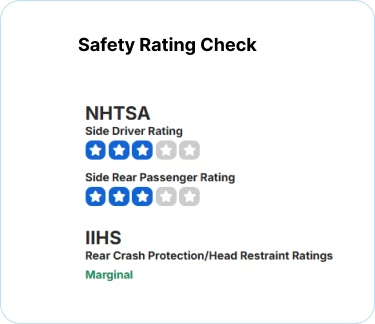
Crash-Test Ratings: Formal crash-test ratings, like those provided by the IIHS or NHTSA for passenger cars and light trucks, are generally not performed or published for heavy-duty commercial trucks like the Kenworth T800. These vehicles are designed to withstand significantly higher forces and are subject to different regulatory standards (e.g., FMVSS) related to commercial vehicle safety and durability. Their sheer size and mass inherently provide a high level of passive safety in many types of collisions, though they also pose a greater risk to smaller vehicles.
Built-in Tech and Entertainment: Standard technology typically includes a functional AM/FM radio with auxiliary input and possibly a CD player. More advanced entertainment options were usually optional, such as premium sound systems, satellite radio readiness, or even integrated GPS navigation systems, especially in sleeper cab configurations. The instrument cluster is designed for clarity and driver information, displaying vital engine data, trip information, and warning lights prominently. Connectivity options were basic, often limited to Bluetooth for hands-free calling if equipped with the right head unit.
Driver-Assistance Features: Advanced driver-assistance systems (ADAS) were not standard or widely available on the 2016 T800. Features like adaptive cruise control, lane departure warning, or automatic emergency braking were largely absent. The focus was on mechanical reliability and basic operator feedback. Some trucks might have been optioned with features like a backup camera, particularly for specific vocational applications where visibility is critical. Electronic stability control (ESC) might have been available as an option on some configurations, particularly for highway-oriented models.
Safety Features: Safety in a T800 is primarily achieved through its robust construction and standard safety equipment. This includes heavy-duty air brakes with ABS (Anti-lock Braking System) as a standard or widely available option, designed for superior stopping power. The durable steel cab provides a strong protective structure for the driver. Seat belts are standard, of course. Visibility from the driver's seat is generally good due to the truck's commanding position. Advanced airbag systems like those in passenger cars were not a common feature; the safety design relies more on structural integrity and effective braking.
Crash-Test Ratings: Formal crash-test ratings, like those provided by the IIHS or NHTSA for passenger cars and light trucks, are generally not performed or published for heavy-duty commercial trucks like the Kenworth T800. These vehicles are designed to withstand significantly higher forces and are subject to different regulatory standards (e.g., FMVSS) related to commercial vehicle safety and durability. Their sheer size and mass inherently provide a high level of passive safety in many types of collisions, though they also pose a greater risk to smaller vehicles.
What Colors Options are Available?
2016 Kenworth T800 Prices and Market Value
When new, a 2016 Kenworth T800 represented a significant investment, with base prices typically starting upwards of $100,000 and often exceeding $150,000 to $200,000 depending on specifications, engine, and chosen options. The T800 is a workhorse, and its resale value is remarkably strong for a commercial vehicle.
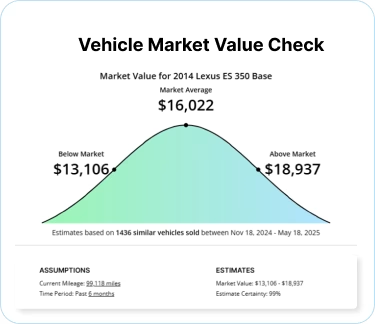
Current used market prices for a 2016 Kenworth T800 can vary widely, generally ranging from $40,000 to $90,000 or more. This depends heavily on mileage, condition, engine hours, maintenance history, specific configuration (e.g., day cab vs. sleeper, axle setup), and current market demand.
Depreciation is significant in the first few years, as is typical for all vehicles. However, the T800's robust build quality and reputation for longevity mean that its value depreciates more slowly than many other trucks once it's past its initial intensive use phase. Factors affecting resale value include a clean title, documented maintenance records, an intact emissions system, and a desirable configuration for common vocational or hauling needs. Trucks that have been well-maintained and used for less strenuous applications tend to command higher prices.
Current used market prices for a 2016 Kenworth T800 can vary widely, generally ranging from $40,000 to $90,000 or more. This depends heavily on mileage, condition, engine hours, maintenance history, specific configuration (e.g., day cab vs. sleeper, axle setup), and current market demand.
Depreciation is significant in the first few years, as is typical for all vehicles. However, the T800's robust build quality and reputation for longevity mean that its value depreciates more slowly than many other trucks once it's past its initial intensive use phase. Factors affecting resale value include a clean title, documented maintenance records, an intact emissions system, and a desirable configuration for common vocational or hauling needs. Trucks that have been well-maintained and used for less strenuous applications tend to command higher prices.
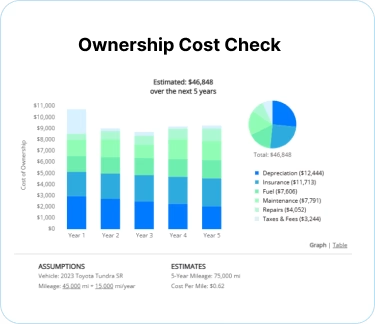
2016 Kenworth T800 Cost of Ownership
Owning a 2016 Kenworth T800 involves substantial costs. Insurance premiums for heavy-duty trucks are significant, driven by the vehicle's value, usage, and risk profile. Fuel costs are a major component; while fuel economy is typically in the 5-7 MPG range, the sheer volume of fuel consumed makes this a considerable ongoing expense. Maintenance and repair costs are also high, reflecting the complexity and heavy-duty nature of the components. Expect regular, costly preventive maintenance and potential for significant repairs on engines, transmissions, and emissions systems over its lifespan. Overall, the T800 is not an economical vehicle to own in terms of day-to-day running costs, but its durability and long service life can provide excellent long-term value for businesses that rely on it.
2016 Kenworth T800 Fuel Efficiency
Fuel Type
Diesel
Fuel Capacity
-
City Mileage
-
Highway Mileage
-
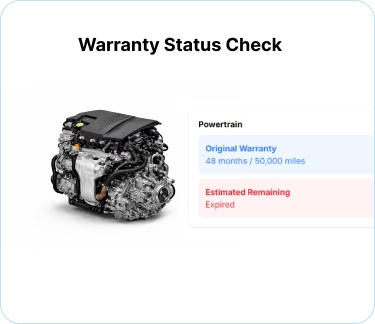
2016 Kenworth T800 Warranty
Basic
Original warranty
0 months / No data
Estimated remaining
Expired
Powertrain
Original warranty
0 months / No data
Estimated remaining
Expired
Rust
Original warranty
0 months / No data
Estimated remaining
Expired
2016 Kenworth T800 Insurance
Insurance for a 2016 Kenworth T800 is moderately priced, reflecting its status as a Truck with strong safety ratings and
reasonable repair costs.
How Does the 2016 Kenworth T800 Compare to Other Truck?
The 2016 Kenworth T800 competes in the rugged vocational and heavy-haul truck segment. Its primary rivals include other robust Class 8 trucks from manufacturers like Peterbilt (e.g., the 389 or 567), Freightliner (e.g., the Coronado or Cascadia Vocational), and Volvo (e.g., the VNL series, particularly for highway applications).
Performance: The T800 is renowned for its powerful performance, especially when equipped with the Cummins ISX15 or PACCAR MX-13 engines, offering immense torque for heavy hauling and demanding vocational tasks. Rivals like the Peterbilt 389 share similar performance capabilities with comparable engine options. Freightliner's vocational offerings also provide strong power, though sometimes perceived as slightly less refined in terms of raw hauling muscle compared to the Kenworth and Peterbilt. Volvo trucks often offer a balance of power and fuel efficiency, especially for highway use.
Features: In 2016, the T800's feature set was more focused on functionality and durability than cutting-edge technology. It offered a highly customizable chassis and cab configuration. Peterbilt trucks often provide a similar level of customization and a strong heritage of driver comfort. Freightliner, particularly with the Cascadia platform evolving, began offering more modern tech and driver-assistance features, though its vocational variants might lag behind the T800 in certain ruggedness aspects. Volvo trucks generally offered more integrated technology and driver comfort features, especially in their highway-oriented models.
Reliability: The T800's legendary reliability is a key selling point. Kenworth has a reputation for building extremely durable trucks that withstand harsh conditions. Peterbilt is a very close competitor in this regard, often considered equally reliable. Freightliner trucks, while generally reliable, have sometimes been perceived as having slightly higher maintenance requirements over the very long term compared to Kenworth and Peterbilt, though this can vary greatly by specific model and maintenance. Volvo trucks are also known for good reliability, particularly in highway applications.
Price: When new, the T800 was priced competitively within the premium heavy-duty truck market, often aligning closely with Peterbilt. Freightliner might have offered slightly more budget-friendly options in certain configurations, while Volvo positioned itself in a similar premium bracket. On the used market, the T800, like Peterbilt, typically holds its value very well due to its reputation.
Alternatives:
Ultimately, the choice often comes down to specific vocational needs, brand loyalty, and dealer support in a given region. The 2016 T800 remains a benchmark for toughness and longevity.
Performance: The T800 is renowned for its powerful performance, especially when equipped with the Cummins ISX15 or PACCAR MX-13 engines, offering immense torque for heavy hauling and demanding vocational tasks. Rivals like the Peterbilt 389 share similar performance capabilities with comparable engine options. Freightliner's vocational offerings also provide strong power, though sometimes perceived as slightly less refined in terms of raw hauling muscle compared to the Kenworth and Peterbilt. Volvo trucks often offer a balance of power and fuel efficiency, especially for highway use.
Features: In 2016, the T800's feature set was more focused on functionality and durability than cutting-edge technology. It offered a highly customizable chassis and cab configuration. Peterbilt trucks often provide a similar level of customization and a strong heritage of driver comfort. Freightliner, particularly with the Cascadia platform evolving, began offering more modern tech and driver-assistance features, though its vocational variants might lag behind the T800 in certain ruggedness aspects. Volvo trucks generally offered more integrated technology and driver comfort features, especially in their highway-oriented models.
Reliability: The T800's legendary reliability is a key selling point. Kenworth has a reputation for building extremely durable trucks that withstand harsh conditions. Peterbilt is a very close competitor in this regard, often considered equally reliable. Freightliner trucks, while generally reliable, have sometimes been perceived as having slightly higher maintenance requirements over the very long term compared to Kenworth and Peterbilt, though this can vary greatly by specific model and maintenance. Volvo trucks are also known for good reliability, particularly in highway applications.
Price: When new, the T800 was priced competitively within the premium heavy-duty truck market, often aligning closely with Peterbilt. Freightliner might have offered slightly more budget-friendly options in certain configurations, while Volvo positioned itself in a similar premium bracket. On the used market, the T800, like Peterbilt, typically holds its value very well due to its reputation.
Alternatives:
- Similar: The Peterbilt 389 is an extremely similar alternative, often preferred by drivers for its aesthetic and builder heritage, offering comparable performance and reliability. The Peterbilt 567 also offers robust vocational capabilities.
- Slightly different focus: For less extreme vocational use or more highway-centric operations, a Freightliner Cascadia (depending on specification) or a Volvo VNL could be considered for potentially better fuel efficiency and more modern tech. The Mack Granite is another strong vocational contender.
Ultimately, the choice often comes down to specific vocational needs, brand loyalty, and dealer support in a given region. The 2016 T800 remains a benchmark for toughness and longevity.
Final Verdict: Is the 2016 Kenworth T800 a Good Truck?
The 2016 Kenworth T800 is ideal for owner-operators and businesses in demanding vocational sectors like construction, heavy haul, logging, and refuse collection, where durability and raw power are paramount. It is absolutely worth buying if you prioritize ruggedness, reliability, and long-term value over the latest creature comforts or advanced technology.
Buying used is generally the most practical approach, as new T800s are extremely expensive. When purchasing used, thoroughly inspect the truck, pay close attention to engine hours, maintenance history, and the condition of emissions components. Specific configurations, such as those with robust suspension and multiple drive axles, are better suited for heavy vocational work, while certain sleeper configurations might appeal to long-haul drivers who still value brute strength and a proven platform. It represents a solid investment for those who need a truck that can endure and perform under severe conditions.