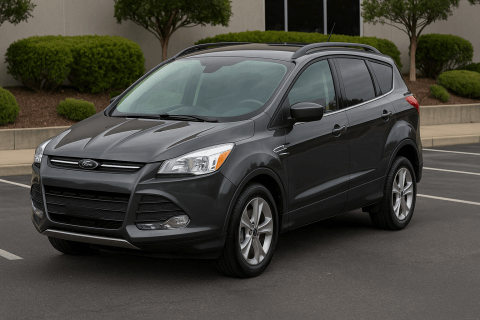
The 2003 Ford Taurus Wagon, part of the third generation of the Taurus lineup (1999-2007), offered a practical and familiar option for American families. This mid-size station wagon was a popular choice for its spacious interior and versatile cargo capacity. Key trims typically included the SE, SEL, and the more upscale SES. New pricing in 2003 ranged from approximately $20,000 to $25,000, making it an accessible option. Its popularity stemmed from its reputation as a no-nonsense family hauler.
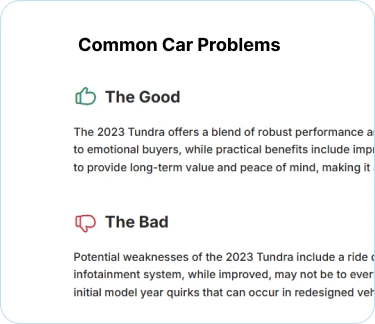
The Good
The 2003 Ford Taurus Wagon excels in offering significant value with its spacious and comfortable interior, ample cargo room for practical needs, and a generally smooth ride. Its affordable price point and straightforward mechanics appeal to budget-conscious buyers, while its familiar design offers a sense of reliability and comfort.
The Bad
Owners of the 2003 Ford Taurus Wagon should be aware of potential issues with the transmission, particularly concerning the automatic transmission's longevity. Electrical gremlins, such as malfunctioning power windows and interior lights, are also commonly reported. Additionally, the interior materials may show wear and tear over time.
2003 Ford Taurus Wagon: Quick Overview
- Engine Options:
- 3.0L Duratec V6
- 3.0L Vulcan V6 (Flex Fuel)
- Horsepower:
- 3.0L Duratec V6: Approximately 200 hp
- 3.0L Vulcan V6: Approximately 150 hp
- Fuel Economy (Estimated EPA):
- FWD (Duratec V6): Around 18 mpg city / 26 mpg highway
- FWD (Vulcan V6): Around 17 mpg city / 24 mpg highway
- 0-60 Times (Estimated):
- Duratec V6: Around 8.5 - 9.5 seconds
- Vulcan V6: Around 9.5 - 10.5 seconds
- Towing Capacity: Typically around 2,000 lbs when properly equipped with a towing package. Not a primary focus for this vehicle, but sufficient for light utility.
- Trim-Level Features:
- SE (Base): Cloth seating, power windows and locks, air conditioning, AM/FM stereo with CD player, 16-inch steel wheels.
- SEL (Mid-Range): Adds premium cloth or optional leather seating, automatic climate control, cruise control, remote keyless entry, upgraded audio system, alloy wheels.
- SES (Top-Tier): Further enhancements often include a more powerful Duratec engine as standard, body-colored side moldings, fog lights, dual exhaust (on some models), and potentially upgraded interior trim.
- Transmission: 4-speed automatic transmission was standard on all models.
- Drivetrain: Front-wheel drive (FWD) was standard.
- Suspension: Independent front and rear suspension designed for a comfortable, compliant ride.
- Brakes: Front disc and rear drum brakes, with optional ABS available.
2003 Ford Taurus Wagon Specifications
Vehicle Information
| Year | 2003 |
| Make | Ford |
| Model | Taurus Wagon |
| Trim | - |
| Style | - |
| Type | Wagon |
| Category | Mid-Size Station Wagon |
Manufacturing Details
| Made In | United States |
| Manufacturing City | HAPEVILLE |
Dimensions
| Doors | 4-Door |
| Curb Weight | 3502 pounds |
| Gross Vehicle Weight Rating | - |
| Overall Height | 57.80 inches |
| Overall Length | 197.70 inches |
| Overall Width | 73.00 inches |
| Wheelbase Length | 108.50 inches |
| Standard Seating | 8 |
Engine & Performance
| Engine | 3L V6 |
| Engine Size | 3L |
| Engine Cylinders | 6 |
| Transmission | 4-Speed Automatic |
| Transmission Type | Automatic |
| Transmission Speeds | 4-Speed |
| Drivetrain | Front-Wheel Drive |
Additional Features
| Anti-Brake System | Non-ABS 4-Wheel ABS |
| Steering Type | Rack & Pinion |
Pricing
| Manufacturer Suggested Retail Price (MSRP) | $21,805 |
| Invoice Price | $19,959 |
| Delivery Charges | $660 |
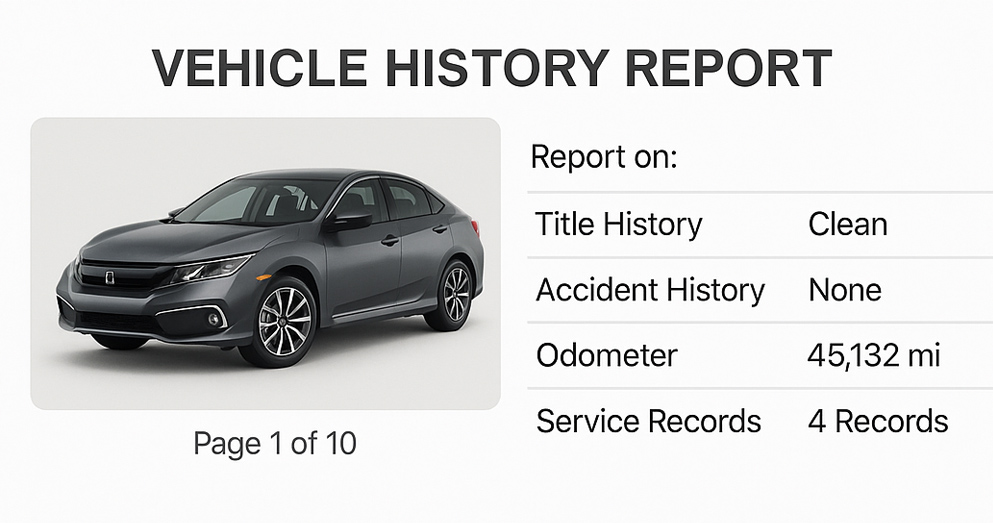
Vehicle History Report
Vehicle
Specifications
Specifications
Ownership
History
History
All History
Events
Events
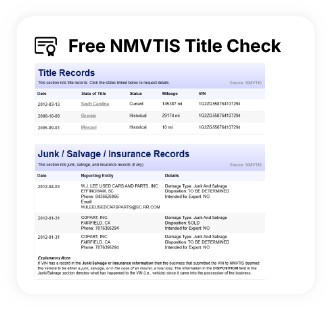
NMVTIS Title
History Check
History Check
Salvage/Rebuilt
Check
Check
Accident
Check
Check
Theft
Check
Check
Open Lien
Check
Check
Past Sale
Listings
Listings
Safety
Recalls
Recalls
Odometer
Check
Check
Market Price
Analysis
Analysis
What Problems Does the 2003 Ford Taurus Wagon Have?
The 2003 Ford Taurus Wagon, while generally considered a reliable vehicle for its era, does have some commonly reported issues and areas of concern for owners. One of the most frequently cited problems revolves around the automatic transmission. Over time, these transmissions can develop issues, leading to rough shifting, slipping, or outright failure. This is a significant concern for long-term ownership, and early detection or preventative maintenance can be crucial.
Another area that often requires attention is the vehicle's electrical system. Owners have reported a range of electrical gremlins, including malfunctioning power windows and door locks, intermittent interior lighting issues, and problems with the instrument cluster. These can be frustrating to diagnose and repair. The cooling system is also an area to monitor. Radiator leaks, thermostat failures, and issues with the cooling fans can lead to overheating, especially in warmer climates or under heavy load.
The interior, while comfortable, can also show signs of wear and tear, particularly on the seats and dashboard plastics, which may become brittle or discolored over time. Suspension components, such as ball joints and control arm bushings, can also wear out, leading to knocking noises and less precise handling.
While specific major recalls for the 2003 model year that stand out are not as prevalent as some other vehicles, it's always advisable to check for any outstanding safety recalls with Ford. In terms of long-term reliability, the Taurus Wagon generally performs decently if well-maintained. However, the transmission is often the weak link that can dictate the vehicle's ultimate lifespan. Addressing minor issues promptly can prevent them from escalating into more costly repairs. Owners who are diligent with regular fluid changes and inspections tend to have a more positive ownership experience.
Another area that often requires attention is the vehicle's electrical system. Owners have reported a range of electrical gremlins, including malfunctioning power windows and door locks, intermittent interior lighting issues, and problems with the instrument cluster. These can be frustrating to diagnose and repair. The cooling system is also an area to monitor. Radiator leaks, thermostat failures, and issues with the cooling fans can lead to overheating, especially in warmer climates or under heavy load.
The interior, while comfortable, can also show signs of wear and tear, particularly on the seats and dashboard plastics, which may become brittle or discolored over time. Suspension components, such as ball joints and control arm bushings, can also wear out, leading to knocking noises and less precise handling.
While specific major recalls for the 2003 model year that stand out are not as prevalent as some other vehicles, it's always advisable to check for any outstanding safety recalls with Ford. In terms of long-term reliability, the Taurus Wagon generally performs decently if well-maintained. However, the transmission is often the weak link that can dictate the vehicle's ultimate lifespan. Addressing minor issues promptly can prevent them from escalating into more costly repairs. Owners who are diligent with regular fluid changes and inspections tend to have a more positive ownership experience.
How long will the 2003 Ford Taurus Wagon last?
Based on owner data and general observations, a well-maintained 2003 Ford Taurus Wagon can realistically achieve between 150,000 to 200,000 miles, and sometimes even more. The vehicle's long-term durability is significantly influenced by maintenance habits. Regular oil changes, transmission fluid flushes, and attention to cooling system upkeep are critical. The primary weakness that can limit its lifespan is the automatic transmission; if it fails, the repair cost might approach the vehicle's market value. However, with consistent care, the chassis and powertrain (aside from the transmission) can prove quite robust. Owners who prioritize preventative maintenance can expect many years of service from this practical wagon, especially if they can avoid major transmission issues.
What Technology & Safety Features are Included?
The 2003 Ford Taurus Wagon offered a modest, yet functional, array of technology and safety features for its time. The standard entertainment system typically included an AM/FM radio with a single-disc CD player. Higher trims, like the SEL and SES, often featured an upgraded audio system with more speakers, providing a more immersive listening experience. While advanced infotainment systems were not a feature of this era, the focus was on core functionality.
Driver-assistance features were limited. Cruise control was a common convenience option, and the availability of anti-lock brakes (ABS) was a significant safety enhancement, helping drivers maintain steering control during hard braking. Power windows, power door locks, and remote keyless entry were also available, enhancing convenience.
Safety was a priority, with standard features including front airbags for the driver and front passenger. Side-impact airbags were often an optional upgrade, especially on higher trims, providing additional protection in side collisions. The Taurus Wagon was built on a rigid unibody construction, designed to absorb and dissipate crash energy.
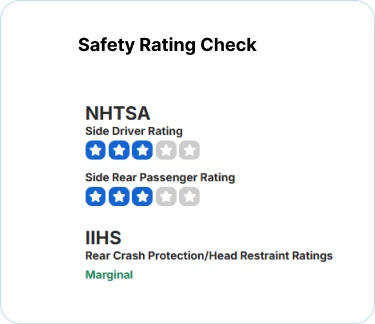
In terms of crash-test ratings, the Ford Taurus generally performed well in its generation. For the 2003 model year, the Taurus (including the wagon variant) received good ratings from the Insurance Institute for Highway Safety (IIHS) in frontal offset crash tests, indicating good occupant protection in a significant type of collision. It also achieved good results in National Highway Traffic Safety Administration (NHTSA) frontal crash tests. While modern vehicles offer more sophisticated driver-assistance systems, the 2003 Taurus Wagon provided a solid foundation of safety features and acceptable crashworthiness for its segment and era. Optional features would have primarily focused on comfort and convenience rather than advanced electronic aids.
Driver-assistance features were limited. Cruise control was a common convenience option, and the availability of anti-lock brakes (ABS) was a significant safety enhancement, helping drivers maintain steering control during hard braking. Power windows, power door locks, and remote keyless entry were also available, enhancing convenience.
Safety was a priority, with standard features including front airbags for the driver and front passenger. Side-impact airbags were often an optional upgrade, especially on higher trims, providing additional protection in side collisions. The Taurus Wagon was built on a rigid unibody construction, designed to absorb and dissipate crash energy.
In terms of crash-test ratings, the Ford Taurus generally performed well in its generation. For the 2003 model year, the Taurus (including the wagon variant) received good ratings from the Insurance Institute for Highway Safety (IIHS) in frontal offset crash tests, indicating good occupant protection in a significant type of collision. It also achieved good results in National Highway Traffic Safety Administration (NHTSA) frontal crash tests. While modern vehicles offer more sophisticated driver-assistance systems, the 2003 Taurus Wagon provided a solid foundation of safety features and acceptable crashworthiness for its segment and era. Optional features would have primarily focused on comfort and convenience rather than advanced electronic aids.
What Colors Options are Available?
2003 Ford Taurus Wagon Prices and Market Value
When new, the 2003 Ford Taurus Wagon had an original MSRP that typically ranged from approximately $20,000 for base SE models to around $25,000 for the more well-equipped SEL and SES trims. As with most vehicles of its age, the Taurus Wagon has experienced significant depreciation. Current used market prices for a 2003 Ford Taurus Wagon in average condition can range from roughly $1,500 to $4,000, depending heavily on mileage, overall condition, and trim level. Factors greatly affecting resale value include the presence of maintenance records, the condition of the transmission and engine, and any cosmetic imperfections. Higher mileage and signs of wear and tear will significantly reduce its market value, while a well-maintained example with lower mileage will command a premium.
2003 Ford Taurus Wagon Cost of Ownership
The 2003 Ford Taurus Wagon is generally considered economical to own. Insurance costs are typically moderate, falling within the average range for a vehicle of its age and class. Fuel costs are also reasonable, especially with the standard V6 engines, though they are not as efficient as modern compact cars. Maintenance costs are generally low, as parts are widely available and affordable. However, potential repairs, particularly to the transmission or electrical system, can increase ownership costs. Despite these potential issues, routine maintenance is straightforward and inexpensive. Overall, the 2003 Taurus Wagon offers a cost-effective ownership experience, especially if major repairs can be avoided through diligent maintenance.


2003 Ford Taurus Wagon Fuel Efficiency
Fuel Type
Gasoline
Fuel Capacity
18.00 gallons
City Mileage
19 miles/gallon
Highway Mileage
26 miles/gallon
2003 Ford Taurus Wagon Safety Rating
NHTSA
IIHS
2003 Ford Taurus Wagon Warranty
Basic
Original warranty
0 months / No data
Estimated remaining
Expired
Powertrain
Original warranty
0 months / No data
Estimated remaining
Expired
Rust
Original warranty
0 months / No data
Estimated remaining
Expired
2003 Ford Taurus Wagon Insurance
Insurance for a 2003 Ford Taurus Wagon is moderately priced, reflecting its status as a Wagon with strong safety ratings and
reasonable repair costs.
How Does the 2003 Ford Taurus Wagon Compare to Other Wagon?
The 2003 Ford Taurus Wagon competed in a segment that included vehicles like the Honda Accord Wagon, Toyota Camry Wagon, and Chevrolet Impala. In terms of performance, the Taurus's V6 engines offered adequate power, though often not as refined as the Honda or Toyota offerings. The Taurus's ride comfort was a strong suit, providing a smooth, stable experience, particularly on the highway, which appealed to many American buyers. However, its handling could feel less precise and engaging compared to its Japanese counterparts.
Feature-wise, the Taurus was competitive for its era, offering power amenities and available upgrades that kept pace with rivals. Reliability is where the Taurus often lagged behind the segment leaders. While not inherently unreliable, it was more prone to common issues like transmission problems and electrical gremlins than the Honda Accord or Toyota Camry, which built reputations for exceptional long-term dependability.
Price was historically a strong point for the Ford Taurus, often being more affordable than the Japanese competitors when new, and this trend continues in the used market.
Alternatives:
* Similar: The Chevrolet Impala, from the same manufacturer, offered similar American-style comfort and V6 power but was a sedan, not a wagon.
* Better Reliability: The Honda Accord Wagon (though less common in later years) and the Toyota Camry Wagon (if you can find one) are generally considered more reliable long-term. They offer more engaging driving dynamics and often superior build quality, though they might be slightly more expensive on the used market and offer less outright cargo space than the Taurus Wagon.
* More Modern: For those prioritizing modern features and potentially better fuel economy, looking at later model SUVs or crossovers might be an alternative, though this shifts the vehicle class entirely. If a wagon is a must, the Taurus Wagon remains a budget-friendly option, but sacrifices some of the polish and long-term reliability of its top rivals.
Feature-wise, the Taurus was competitive for its era, offering power amenities and available upgrades that kept pace with rivals. Reliability is where the Taurus often lagged behind the segment leaders. While not inherently unreliable, it was more prone to common issues like transmission problems and electrical gremlins than the Honda Accord or Toyota Camry, which built reputations for exceptional long-term dependability.
Price was historically a strong point for the Ford Taurus, often being more affordable than the Japanese competitors when new, and this trend continues in the used market.
Alternatives:
* Similar: The Chevrolet Impala, from the same manufacturer, offered similar American-style comfort and V6 power but was a sedan, not a wagon.
* Better Reliability: The Honda Accord Wagon (though less common in later years) and the Toyota Camry Wagon (if you can find one) are generally considered more reliable long-term. They offer more engaging driving dynamics and often superior build quality, though they might be slightly more expensive on the used market and offer less outright cargo space than the Taurus Wagon.
* More Modern: For those prioritizing modern features and potentially better fuel economy, looking at later model SUVs or crossovers might be an alternative, though this shifts the vehicle class entirely. If a wagon is a must, the Taurus Wagon remains a budget-friendly option, but sacrifices some of the polish and long-term reliability of its top rivals.
Final Verdict: Is the 2003 Ford Taurus Wagon a Good Wagon?
The 2003 Ford Taurus Wagon is ideal for budget-conscious buyers seeking a spacious and comfortable utility vehicle for everyday hauling or family transport, prioritizing practicality and affordability over cutting-edge technology or top-tier reliability. It's worth buying primarily on the used market, especially if you can find a well-maintained example. The SE and SEL trims offer a good balance of features for the price. Avoid models with a known history of transmission issues, or be prepared for potential repair costs. If you're looking for a dependable workhorse that can handle cargo and passengers without breaking the bank, and you're willing to perform diligent maintenance and be aware of its common weaknesses, the 2003 Taurus Wagon can still be a sensible purchase.