
The Good
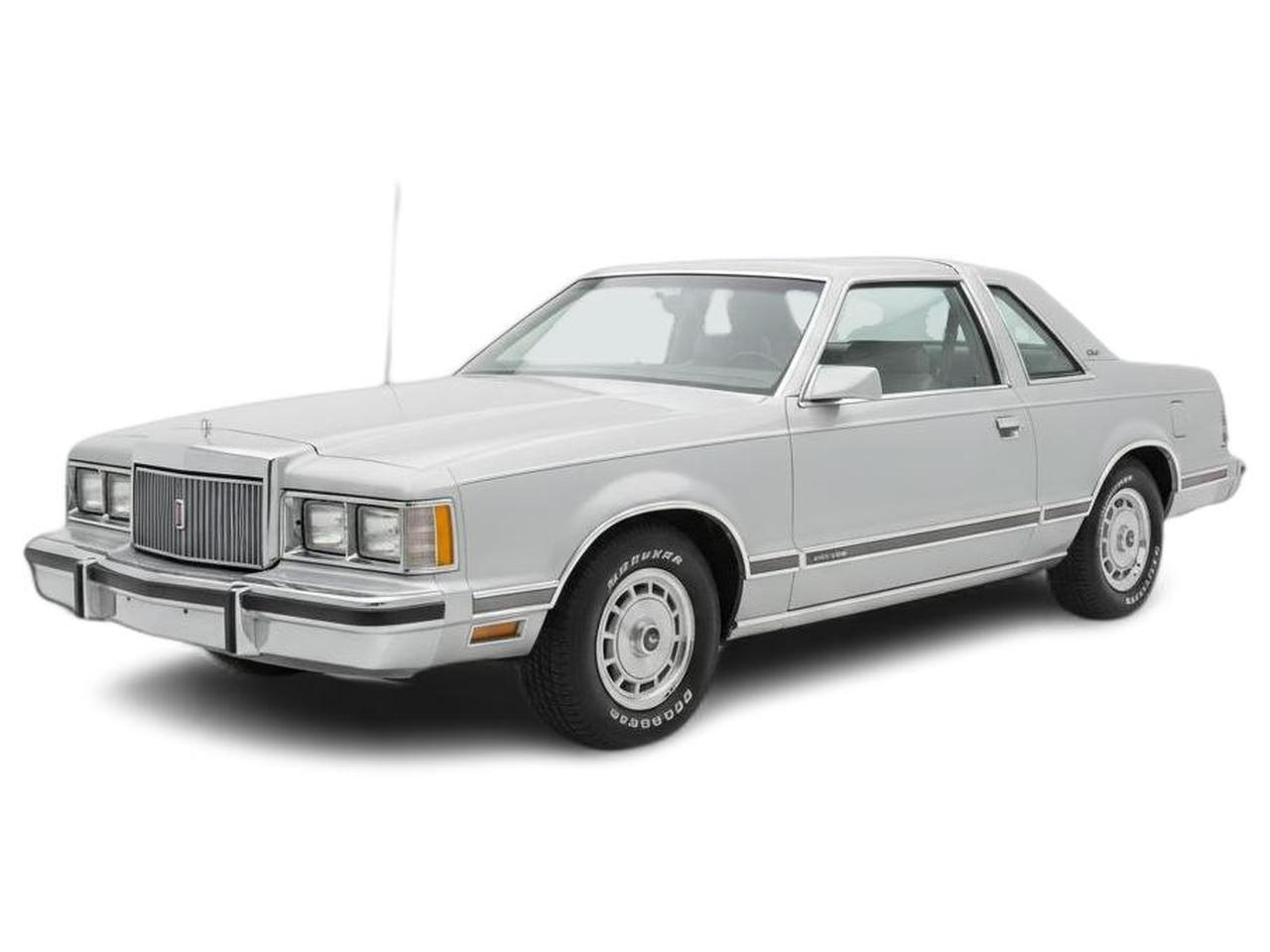
The 1983 Cougar offered a compelling mix of responsive handling and a comfortable, quiet ride. Its updated design was sleek and modern for its era. Emotionally, it provided a sense of upscale sportiness, while practically, it delivered decent fuel economy with its base engines and reasonable reliability for its time.
The Bad
Potential buyers should be aware of rust issues, particularly in the lower body panels and wheel wells, common for vehicles of this age. Electrical gremlins, especially with the power accessories and dashboard components, can also be a concern. Engine and transmission maintenance history is crucial.
1983 Mercury Cougar: Quick Overview
- Engine Options:
- 2.3L 4-cylinder (base model)
- 3.8L V6
- 5.0L V8 (optional, often found in XR-7)
- Horsepower:
- 2.3L 4-cylinder: Approximately 88-90 hp
- 3.8L V6: Approximately 110-112 hp
- 5.0L V8: Approximately 140-160 hp (depending on specific tuning and emissions equipment)
- Fuel Economy:
- Highly dependent on engine and transmission. V6 and V8 models would be in the range of 15-20 MPG combined. The 4-cylinder would offer slightly better.
- 0-60 Times:
- With the 5.0L V8, 0-60 mph could be achieved in roughly 9-11 seconds, making it reasonably quick for its class and era. 4-cylinder and V6 models would be significantly slower, likely in the 13-16 second range.
- Towing Capacity:
- Towing was generally not a primary design consideration for the 1983 Mercury Cougar, and specific towing capacities were not widely advertised or applicable.
- Trim-Level Features:
- Base Model: Typically included standard power steering, power front disc brakes, and AM/FM radio.
- LS (Luxury Sport): Added features like upgraded interior trim, power windows and locks, cruise control, and often a more premium sound system.
- XR-7: This trim emphasized sportiness and performance. It usually came standard with the 5.0L V8 engine, sport suspension tuning, unique exterior badging, and often a tachometer and more performance-oriented gauges.
- Optional Features (across trims): Air conditioning, upgraded stereo systems (including cassette players), sunroof, alloy wheels, and rear window defroster were common options.
1983 Mercury Cougar Specifications
Vehicle Information
| Year | 1983 |
| Make | Mercury |
| Model | Cougar |
| Trim | - |
| Style | GS Sedan RWD 3AT 5.0L V8 |
| Type | Sedan |
| Category | passenger |
Manufacturing Details
| Made In | United States |
| Manufacturing City | LORAIN |
Dimensions
| Doors | 2-Door |
| Curb Weight | - |
| Gross Vehicle Weight Rating | - |
| Overall Height | - |
| Overall Length | - |
| Overall Width | - |
| Wheelbase Length | - |
| Standard Seating | - |
Engine & Performance
| Engine | 5L V8 |
| Engine Size | 5L |
| Engine Cylinders | 8 |
| Transmission | 3-Speed Automatic |
| Transmission Type | Automatic |
| Transmission Speeds | 3-Speed |
| Drivetrain | Rear-Wheel Drive |
Additional Features
| Anti-Brake System | - |
| Steering Type | - |
Pricing
| Manufacturer Suggested Retail Price (MSRP) | - |
| Invoice Price | - |
| Delivery Charges | - |
Vehicle History Report
Specifications
History
Events
History Check
Check
Check
Check
Check
Listings
Recalls
Check
Analysis
What Problems Does the 1983 Mercury Cougar Have?
Electrical systems are another area where problems frequently arise. This can manifest as issues with the dashboard instruments (gauges failing to work or flickering), power windows and locks becoming slow or inoperative, and problems with the radio or climate control systems. The wiring harnesses and connectors can degrade over time, leading to intermittent faults. Specifically, the integrated dashboard modules, common in Fords and Mercurys of this period, can be prone to failure.
The 4.2L and 5.0L V8 engines, while generally robust, can suffer from oil leaks (valve cover gaskets, oil pan gaskets) and cooling system issues (radiator, water pump, hoses) if not properly maintained. The automatic transmissions, typically the C5 or AOD, can also develop issues if fluid and filter changes have been neglected, leading to harsh shifting or complete failure.
Suspension components, such as ball joints, tie rod ends, and bushings, can wear out over time, leading to sloppy handling and steering. Brake system components, including calipers, rotors, and brake lines, may also require regular attention.
Recalls for this specific model year are not as extensively documented or widespread as for some other vehicles, but it's always advisable to check the NHTSA website for any safety recalls that may have been issued and potentially addressed. Long-term reliability heavily depends on the quality of maintenance and the vehicle's exposure to the elements. A well-maintained 1983 Cougar can still be a solid driver, but expect to address age-related issues.
How long will the 1983 Mercury Cougar last?
What Technology & Safety Features are Included?
Driver-assistance features were rudimentary by today's standards. Power steering was standard, making maneuvering easier. The primary focus was on ride comfort and stability, with suspension tuning designed for a smooth highway cruise. There were no electronic driver-assistance systems like ABS (anti-lock braking system), traction control, or lane-keeping assist, which are commonplace in modern vehicles.
Safety features for 1983 included standard front 3-point seat belts and rear lap belts. Energy-absorbing steering columns and padded dashboards were designed to mitigate injury in a frontal impact. Side-impact protection was less sophisticated than in later generations. Many Cougars came equipped with automatic transmission, which could be considered a safety feature by preventing driver stall in critical situations. It's important to note that crash-test ratings for vehicles from the early 1980s are not directly comparable to modern standards. The National Highway Traffic Safety Administration (NHTSA) was in its early stages of standardized crash testing, and data for this specific model year might be limited or focus on specific impact types rather than comprehensive overall safety scores. The emphasis was on passive safety features rather than active systems.
What Colors Options are Available?
1983 Mercury Cougar Prices and Market Value
1983 Mercury Cougar Cost of Ownership
1983 Mercury Cougar Fuel Efficiency
1983 Mercury Cougar Insurance
reasonable repair costs.
How Does the 1983 Mercury Cougar Compare to Other Sedan?
Regarding features, the Cougar aimed for a balance of sportiness and luxury. It often provided a well-appointed interior with optional amenities like power accessories and upgraded audio systems. Rivals like the Cutlass Supreme and Regal also offered similar comfort and luxury features, sometimes with a more pronounced emphasis on plushness. The Monte Carlo often positioned itself with a sportier, more muscular aesthetic.
Reliability is a mixed bag for all vehicles in this class from the early 80s. While the V8 engines were generally robust, electrical gremlins and rust were common issues across the board. The Cougar and Thunderbird likely shared similar reliability profiles due to their shared underpinnings. Chevrolet and GM products of this era also had their share of electrical and build quality concerns.
In terms of price, the Cougar was positioned competitively, often slightly above the Chevrolet and alongside similarly equipped GM coupes.
Alternatives:
- Ford Thunderbird: A very similar alternative, offering nearly identical performance and features, often at a slightly different price point or with minor styling variations.
- Chevrolet Monte Carlo: If a more muscular, distinctively American aesthetic is desired, the Monte Carlo is a strong contender, particularly in SS trim for better performance.
- Oldsmobile Cutlass Supreme/Buick Regal: These GM offerings often provided a more plush and comfortable ride, appealing to buyers prioritizing luxury over outright sportiness. They also offered similar V6 and V8 engine options.
Final Verdict: Is the 1983 Mercury Cougar a Good Sedan?
Buying this vehicle is best done on the used market. Look for examples with minimal rust, preferably from drier climates. The XR-7 trim with the 5.0L V8 is the most desirable for performance and collectibility. Thorough pre-purchase inspections are crucial to identify potential rust issues and electrical problems. For the right price and condition, a 1983 Cougar can be a rewarding ownership experience.

Eugene S
Eugene is an automotive enthusiast with over 15 years of experience in the used car market. As a writer at VINCheck.info, he brings deep industry insight and a passion for cars, helping readers make smart, informed decisions. Eugene has written hundreds of used car reviews and is known for breaking down complex automotive topics into clear, actionable advice. Over the years, he has driven and worked on a wide range of vehicles—starting with tuning street cars in his early days and eventually focusing on performance upgrades and reliability improvements. Today, he specializes in evaluating used vehicles through the lens of real-world ownership and enthusiast needs. A longtime fan of Porsche, Eugene especially appreciates vehicles that blend durability with driving enjoyment.