
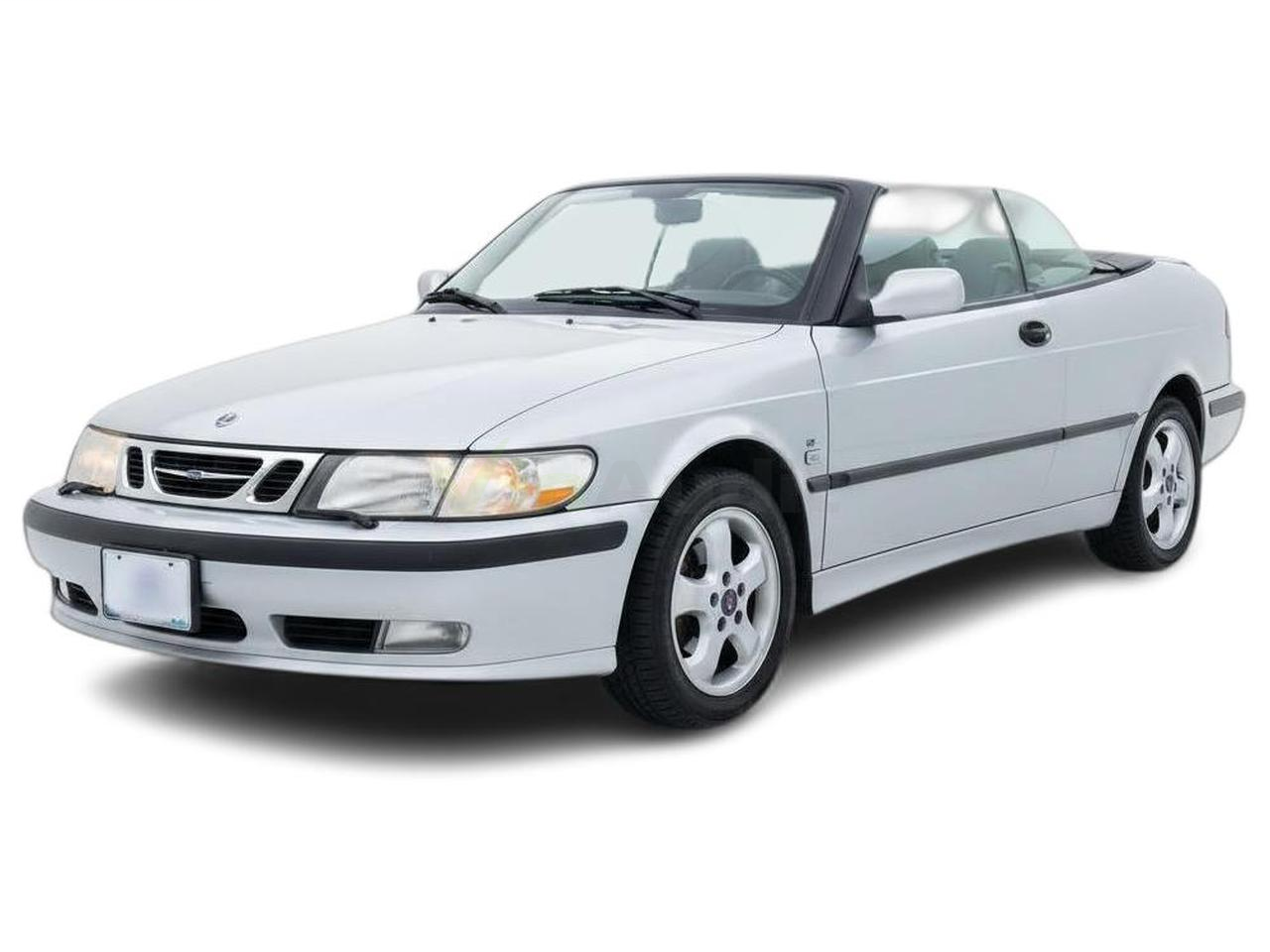
The 2001 Saab 9-3, part of the first generation (1998-2002), is a compact executive car known for its unique Scandinavian design and turbocharged performance. Available as a sporty sedan and a stylish convertible, key trims often included the base SE and the more performance-oriented Arc and Viggen (though Viggen was more prominent in earlier model years). Original pricing ranged from the mid-$20,000s to $30,000s. It stands out for its distinctive aviation-inspired cockpit, comfortable ride, and the characteristic Saab quirkiness that appealed to individualists.
The Good
The 2001 Saab 9-3 offers a compelling blend of spirited turbocharged performance, a surprisingly comfortable and quiet ride, and distinctive, understated European design. Its practicality shines through with a durable build and reasonable fuel economy, appealing to those seeking a unique yet sensible European driving experience.
The Bad
When considering a 2001 Saab 9-3, common concerns include potential electrical gremlins, particularly with the ignition system (Direct Ignition cassette) and climate control. Premature wear on suspension components and the automatic transmission can also be issues. Rust, especially in northern climates, is a significant concern.
2001 Saab 9-3: Quick Overview
- Engine Options: The 2001 Saab 9-3 primarily featured turbocharged 2.0-liter inline-4 engines. There were typically two variants: a standard turbo and a more powerful High Output (HOT) turbo.
- Horsepower:
- Standard Turbo: Approximately 150-170 horsepower, depending on the specific market and tune.
- High Output Turbo (HOT): Around 185-205 horsepower.
- Standard Turbo: Approximately 150-170 horsepower, depending on the specific market and tune.
- Fuel Economy:
- City: Generally in the low to mid-20s MPG.
- Highway: Typically in the high 20s to low 30s MPG.
- Combined: Averaging around 24-27 MPG.
(Note: Actual figures vary based on driving conditions, transmission, and specific engine tune.)
- City: Generally in the low to mid-20s MPG.
- 0-60 Times:
- Standard Turbo: Approximately 8-9 seconds.
- High Output Turbo: Around 7-8 seconds.
- Standard Turbo: Approximately 8-9 seconds.
- Towing Capacity: Saab 9-3 models are generally not designed or equipped for towing, and towing capacity is typically not specified or recommended.
- Trim-Level Features:
- SE: Often served as the base trim, including power windows, locks, mirrors, cruise control, air conditioning, ABS, and front airbags. Cloth or basic leatherette seating was common.
- Arc: Positioned as a more comfort-oriented trim, it often added upgraded leather upholstery, heated seats, a premium audio system, and sometimes a more refined suspension tuning. Distinctive exterior badging was also a hallmark.
- Viggen (Limited Availability in 2001): This performance variant, though more prevalent in earlier years, would have included a more powerful engine, sport-tuned suspension, aerodynamic body kit, larger wheels, and sport seats. It was the halo model for performance enthusiasts.
- Convertible Models: Featured a power-operated soft top and often came with additional chassis bracing for rigidity, along with standard features comparable to the sedan trims.
- SE: Often served as the base trim, including power windows, locks, mirrors, cruise control, air conditioning, ABS, and front airbags. Cloth or basic leatherette seating was common.
2001 Saab 9-3 Specifications
Vehicle Information
| Year | 2001 |
| Make | Saab |
| Model | 9-3 |
| Trim | - |
| Style | 3-Door |
| Type | Hatchback |
| Category | Mid-Size Car |
Manufacturing Details
| Made In | Sweden |
| Manufacturing City | NYSTAD |
Dimensions
| Doors | 3-Door |
| Curb Weight | 3040 pounds |
| Gross Vehicle Weight Rating | - |
| Overall Height | 56.20 inches |
| Overall Length | 182.30 inches |
| Overall Width | 67.40 inches |
| Wheelbase Length | 102.60 inches |
| Standard Seating | 5 |
Engine & Performance
| Engine | 2L I4 |
| Engine Size | 2L |
| Engine Cylinders | 4 |
| Transmission | 4-Speed Automatic |
| Transmission Type | Automatic |
| Transmission Speeds | 4-Speed |
| Drivetrain | Front-Wheel Drive |
Additional Features
| Anti-Brake System | 4-Wheel ABS |
| Steering Type | Rack & Pinion |
Pricing
| Manufacturer Suggested Retail Price (MSRP) | $26,495 |
| Invoice Price | $25,170 |
| Delivery Charges | $575 |
Vehicle History Report
Vehicle
Specifications
Specifications
Ownership
History
History
All History
Events
Events
NMVTIS Title
History Check
History Check
Salvage/Rebuilt
Check
Check
Accident
Check
Check
Theft
Check
Check
Open Lien
Check
Check
Past Sale
Listings
Listings
Safety
Recalls
Recalls
Odometer
Check
Check
Market Price
Analysis
Analysis
What Problems Does the 2001 Saab 9-3 Have?
The 2001 Saab 9-3, while possessing a certain charm, is not without its common mechanical and electrical foibles. A pervasive issue reported by owners revolves around the ignition system, specifically the Direct Ignition (DI) cassette. This coil pack sits directly on top of the spark plugs and, when it fails, can cause misfires, rough idling, and a complete loss of power. Early signs might include a check engine light. Another common area of concern is the vehicle's electrical system. Owners have frequently reported issues with the Body Control Module (BCM), leading to erratic behavior of various accessories like power windows, central locking, and interior lights. The climate control system, particularly the blower motor resistor and AC compressor, can also be prone to failure.
Suspension components, such as worn bushings and ball joints, can lead to clunking noises and compromised handling, especially on models that have seen extensive mileage or harsh road conditions. The automatic transmission, particularly in earlier model years and if not properly maintained, can develop issues leading to harsh shifting or failure to engage gears.
Rust is a significant long-term reliability concern, especially for vehicles driven in areas with heavy salt usage on roads during winter. Check the wheel arches, rocker panels, and the area around the rear subframe diligently. While there were recalls issued for various safety-related items over the 9-3's production run, specific to the 2001 model year, owners should always verify any outstanding recalls. Overall, while the chassis and engine can be robust, the electrical and auxiliary systems are often where maintenance costs can escalate over time. Regular, meticulous maintenance is crucial to mitigating these common problems and ensuring longevity.
Suspension components, such as worn bushings and ball joints, can lead to clunking noises and compromised handling, especially on models that have seen extensive mileage or harsh road conditions. The automatic transmission, particularly in earlier model years and if not properly maintained, can develop issues leading to harsh shifting or failure to engage gears.
Rust is a significant long-term reliability concern, especially for vehicles driven in areas with heavy salt usage on roads during winter. Check the wheel arches, rocker panels, and the area around the rear subframe diligently. While there were recalls issued for various safety-related items over the 9-3's production run, specific to the 2001 model year, owners should always verify any outstanding recalls. Overall, while the chassis and engine can be robust, the electrical and auxiliary systems are often where maintenance costs can escalate over time. Regular, meticulous maintenance is crucial to mitigating these common problems and ensuring longevity.
How long will the 2001 Saab 9-3 last?
With diligent maintenance, a 2001 Saab 9-3 can realistically achieve 200,000 to 250,000 miles or more. The core engine and transmission, if treated well with regular fluid changes, are known for their potential longevity. However, this durability is often tested by the aforementioned electrical gremlins and auxiliary system failures, which can become more frequent and costly as the car ages. Weaknesses over time tend to manifest in the ignition system (DI cassette), climate control components, and suspension wear. Rust is a critical factor; cars from rust-belt regions will likely have a significantly shorter lifespan unless extensively protected and repaired. Owners who perform proactive maintenance, especially addressing potential electrical issues and rust prevention, will see the best long-term results.
What Technology & Safety Features are Included?
The 2001 Saab 9-3 offered a blend of Scandinavian simplicity and pragmatic features for its era. Standard technology often included power accessories (windows, locks, mirrors), cruise control, and air conditioning. The infotainment system typically featured a cassette player or an optional CD player, with a basic AM/FM radio. Sound systems, while functional, were not the most advanced by today's standards, though premium audio upgrades were available on higher trims like the Arc.
In terms of driver-assistance features, options were limited. Anti-lock Braking System (ABS) was standard across most trims, enhancing braking performance. Traction control might have been available as an option or standard on certain performance-oriented models. Advanced driver aids like stability control, lane departure warning, or adaptive cruise control were not present in this generation.
Safety was a strong point for Saab. The 2001 9-3 was equipped with front airbags and often side-impact airbags for enhanced occupant protection. Saab's focus on passenger safety was evident in their robust body structure and innovative seatbelt systems. Crash-test ratings from the National Highway Traffic Safety Administration (NHTSA) for this era of 9-3 generally indicated good performance for its time, with models often achieving respectable scores in frontal and side impact tests, typically earning 4-star ratings in key categories. The convertible models, however, often had slightly different structural considerations. While it lacked modern tech, the 2001 9-3 provided a solid foundation of essential safety and comfort features for its class.
In terms of driver-assistance features, options were limited. Anti-lock Braking System (ABS) was standard across most trims, enhancing braking performance. Traction control might have been available as an option or standard on certain performance-oriented models. Advanced driver aids like stability control, lane departure warning, or adaptive cruise control were not present in this generation.
Safety was a strong point for Saab. The 2001 9-3 was equipped with front airbags and often side-impact airbags for enhanced occupant protection. Saab's focus on passenger safety was evident in their robust body structure and innovative seatbelt systems. Crash-test ratings from the National Highway Traffic Safety Administration (NHTSA) for this era of 9-3 generally indicated good performance for its time, with models often achieving respectable scores in frontal and side impact tests, typically earning 4-star ratings in key categories. The convertible models, however, often had slightly different structural considerations. While it lacked modern tech, the 2001 9-3 provided a solid foundation of essential safety and comfort features for its class.
What Colors Options are Available?
2001 Saab 9-3 Prices and Market Value
When new, the 2001 Saab 9-3 sedan typically ranged from approximately $25,000 for a base SE model to over $30,000 for a well-equipped Arc or convertible. The performance-oriented Viggen, if available, would command a higher premium. As with most vehicles of this age, the 2001 Saab 9-3 has undergone significant depreciation. Current used market prices are generally quite low, often ranging from $2,000 to $6,000 depending heavily on condition, mileage, trim level, and maintenance history. Convertibles and models with the higher output engine tend to hold slightly more value. Factors severely impacting resale value include rust, a neglected maintenance record, and the presence of common electrical or mechanical issues. Well-maintained examples, especially those with thorough documentation, can still command a modest price among enthusiasts.
2001 Saab 9-3 Cost of Ownership
Owning a 2001 Saab 9-3 can be a mixed bag regarding costs. Insurance rates are generally moderate, especially for older vehicles. Fuel economy is reasonably economical, particularly for the standard turbo models, offering decent MPG for daily driving. Maintenance costs can be average for a European car, but specialized Saab parts and labor can increase repair bills. Common issues like the DI cassette or electrical problems can lead to unexpected expenses. Overall, while not prohibitively expensive to run day-to-day, the potential for more significant repairs, especially as the vehicle ages, means it can lean towards being moderately costly to own, particularly if you're not mechanically inclined.
2001 Saab 9-3 Fuel Efficiency
Fuel Type
Gasoline
Fuel Capacity
17.00 gallons
City Mileage
21 miles/gallon
Highway Mileage
28 miles/gallon
2001 Saab 9-3 Safety Rating
NHTSA
IIHS
2001 Saab 9-3 Warranty
Basic
Original warranty
48 months / 50,000 miles
Estimated remaining
Expired
Powertrain
Original warranty
48 months / 50,000 miles
Estimated remaining
Expired
Rust
Original warranty
72 months / unlimited miles
Estimated remaining
Expired
2001 Saab 9-3 Insurance
Insurance for a 2001 Saab 9-3 is moderately priced, reflecting its status as a Hatchback with strong safety ratings and
reasonable repair costs.
How Does the 2001 Saab 9-3 Compare to Other Hatchback?
The 2001 Saab 9-3 competed in the compact executive segment against rivals like the Audi A4, BMW 3 Series, Mercedes-Benz C-Class, and the Volvo S40/V40. In terms of performance, the turbocharged engines in the 9-3, especially the High Output variant, offered competitive acceleration and spirited driving dynamics, often rivaling or surpassing base models of its German counterparts. However, the BMW 3 Series generally offered superior handling and a more engaging driving experience. Feature-wise, the 9-3 provided a comfortable, Scandinavian-designed interior with essential amenities, but lacked the cutting-edge technology and luxury appointments found in some German rivals. Reliability is where the Saab faced challenges; while its core engine could be durable, the 9-3 was often plagued by electrical issues and more frequent minor repairs compared to the generally more robust German offerings. Price-wise, the Saab 9-3 was typically positioned as a more value-oriented option, offering similar performance and a unique style at a lower initial purchase price than comparable BMWs or Mercedes-Benz models.
Alternatives:
Alternatives:
- Similar Alternatives: The Volvo S40/V40 offered a comparable Scandinavian alternative with a focus on safety and practicality, though often with less potent performance. The Acura TSX (later model) provided excellent reliability and a sportier feel.
- Better Alternatives (if reliability is paramount): For those prioritizing rock-solid reliability and driving enjoyment, a well-maintained BMW 3 Series (E46 generation) or an Audi A4 (B5/B6 generation) might be worth considering, though they often command higher prices and can have their own maintenance quirks. A Japanese sedan like a Lexus IS300 or an Infiniti G35 would offer superior long-term dependability but with a different driving character and less European flair.
Final Verdict: Is the 2001 Saab 9-3 a Good Hatchback?
The 2001 Saab 9-3 is ideal for the discerning driver who values distinctive Scandinavian design, turbocharged performance, and a comfortable ride over absolute bulletproof reliability. It's a car for the individualist seeking something different from the ubiquitous German luxury sedans. It is worth buying, but with significant caveats. As a used car, its appeal lies in its low price point. Prospective buyers should prioritize models with impeccable maintenance records and be prepared for potential electrical and ignition system repairs. Convertibles and models with the High Output engine offer more engaging performance. It is a project car for the enthusiast or a budget-friendly quirky daily driver for someone with a good mechanic or DIY skills, rather than a turn-key solution for those prioritizing hassle-free ownership.