
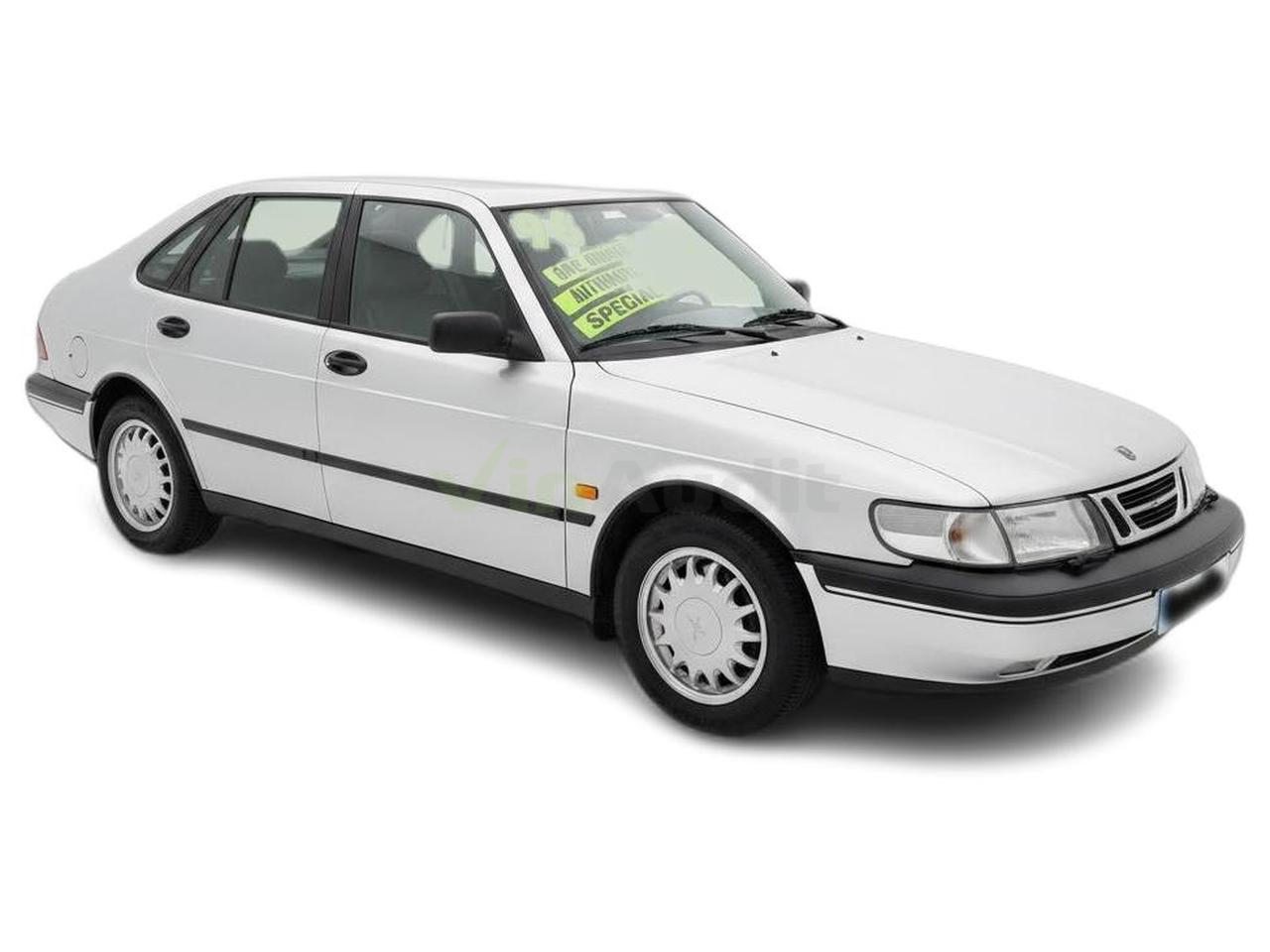
The Good
The 1996 Saab 900 offers a unique blend of spirited turbocharged performance, exceptional comfort, and a distinctive, driver-centric design. Its robust build appeals to practical buyers, while the quirky yet elegant aesthetics and engaging driving dynamics satisfy emotional desires for individuality and fun.
The Bad
Common concerns for the 1996 Saab 900 include potential electrical gremlins, particularly with the ignition system (Direct Ignition cassette) and window regulators. Oil leaks, especially from the oil pan and valve cover gaskets, are frequent. Check for rust, particularly on the rear wheel arches and sills, and listen for any suspension noises.
1996 Saab 900: Quick Overview
- Engine Options:
The 1996 Saab 900 primarily offered two naturally aspirated engines and a turbocharged variant.- 2.3L Inline-4 (B234I): A naturally aspirated engine producing around 150 horsepower.
- 2.0L Inline-4 (B204I): A naturally aspirated engine with slightly less power, approximately 130 horsepower.
- 2.0L Inline-4 Turbo (B204L): The highly sought-after turbocharged engine, typically rated at 185 horsepower in the SE trim.
- 2.3L Inline-4 (B234I): A naturally aspirated engine producing around 150 horsepower.
- Horsepower:
Ranges from approximately 130 hp for the base 2.0L to 185 hp for the 2.0L Turbo. - Fuel Economy:
Expect around 20-23 MPG city and 28-32 MPG highway, depending on the engine and transmission. Turbocharged models may see slightly lower figures. - 0-60 Times:
Naturally aspirated models could achieve 0-60 mph in the 9-10 second range. The turbocharged SE models were considerably quicker, often in the 7-8 second range. - Towing Capacity:
Towing capacity is generally not a feature or consideration for the Saab 900, as it was not designed for towing significant loads. - Trim-Level Features:
Base 900: Typically included power windows, power locks, cruise control, air conditioning, and a basic sound system.
SE Trim: Often added alloy wheels, upgraded interior materials, a more powerful sound system, fog lights, and importantly, the turbocharged engine option. The SE convertible was a popular high-end variant.
Optional Features: Could include leather upholstery, heated seats, a sunroof, and upgraded audio systems. ABS and airbags were standard safety features.
1996 Saab 900 Specifications
Vehicle Information
| Year | 1996 |
| Make | Saab |
| Model | 900 |
| Trim | - |
| Style | - |
| Type | Convertible |
| Category | Compact Car |
Manufacturing Details
| Made In | Sweden |
| Manufacturing City | - |
Dimensions
| Doors | - |
| Curb Weight | - |
| Gross Vehicle Weight Rating | - |
| Overall Height | - |
| Overall Length | - |
| Overall Width | - |
| Wheelbase Length | - |
| Standard Seating | - |
Engine & Performance
| Engine | 2.0 L 4-Cyl. |
| Engine Size | 2L |
| Engine Cylinders | 4 |
| Transmission | - |
| Transmission Type | - |
| Transmission Speeds | - |
| Drivetrain | Front-Wheel Drive |
Additional Features
| Anti-Brake System | - |
| Steering Type | - |
Pricing
| Manufacturer Suggested Retail Price (MSRP) | - |
| Invoice Price | - |
| Delivery Charges | - |
Vehicle History Report
Specifications
History
Events
History Check
Check
Check
Check
Check
Listings
Recalls
Check
Analysis
What Problems Does the 1996 Saab 900 Have?
How long will the 1996 Saab 900 last?
What Technology & Safety Features are Included?
Built-in Tech and Entertainment: Standard equipment typically included a cassette player and an AM/FM radio, often with a decent number of speakers for the time. Higher trims, like the SE, often featured upgraded audio systems with more speakers and potentially a CD player as an optional or standard upgrade. Air conditioning was standard, and power windows and locks were common. Cruise control was also a typical convenience feature. The dashboard layout was a hallmark of Saab design, with the ignition located in the center console, allowing for a more ergonomic placement of other controls, such as the stereo and climate controls.
Driver-Assistance Features: Advanced driver-assistance systems were virtually non-existent in 1996. Features like ABS (Anti-lock Braking System) were available, often as standard on higher trims or as an option on base models, enhancing braking control.
Safety Features: Saab placed a strong emphasis on safety. Standard safety features included front airbags for the driver and passenger. Crumple zones were designed into the chassis to absorb impact energy. The robust construction of Saab vehicles was a well-known attribute. Convertibles, of course, have inherent structural differences, but the 900 convertible featured reinforced A-pillars and body structure for enhanced rollover protection.
Crash-Test Ratings: Specific crash-test ratings for the 1996 model year can be difficult to find in modern databases. However, Saab generally performed well in crash tests for its era. The second-generation 900 was known for its strong safety cell and good frontal impact performance. For a comprehensive understanding, one would typically refer to historical NHTSA or IIHS data from the mid-90s if available, though direct comparisons to contemporary testing standards would be limited.
What Colors Options are Available?
1996 Saab 900 Prices and Market Value
Currently, the used market prices for a 1996 Saab 900 vary widely based on condition, mileage, trim level, and maintenance history. You might find well-maintained, lower-mileage examples (especially turbocharged SE models or convertibles) ranging from $4,000 to $8,000, while cars with higher mileage or in need of significant work can be found for $2,000 to $3,000. Factors significantly affecting resale value include the presence of a documented maintenance history, the condition of the turbocharger (if equipped), the functionality of the electrical systems, and the absence of rust. Enthusiast demand, particularly for the turbocharged models, can help retain value better than average for its class.
1996 Saab 900 Cost of Ownership
1996 Saab 900 Fuel Efficiency
1996 Saab 900 Safety Rating
NHTSA
1996 Saab 900 Recalls & Defects
Seat Belts:front:anchorage
Vehicle Speed Control
Exterior Lighting:headlights
1996 Saab 900 Insurance
reasonable repair costs.
How Does the 1996 Saab 900 Compare to Other Convertible?
Performance: The Saab 900 SE Turbo offered competitive performance, often matching or exceeding the base models of its German rivals in acceleration. The turbocharged engine provided a unique surge of power. However, the handling of the 900, while competent, generally wasn't as sharp or refined as the BMW 3 Series. The Audi A4 and Mercedes-Benz C-Class offered smoother, more sophisticated power delivery, though often at a higher price point.
Features: The Saab 900 provided a distinctive and comfortable interior with a driver-centric cockpit. Features like heated seats, leather upholstery, and premium audio were often available, placing it competitively. However, rivals like the BMW and Mercedes-Benz often offered a more luxurious and advanced feature set, especially in terms of technology and optional comfort amenities. The Volvo 850 offered a similar practical and comfortable interior, with a focus on safety.
Reliability: This is where the Saab 900 faced challenges compared to its rivals. While the engines were robust, electrical gremlins and the DI cassette system were more common issues than in the generally more reliable, albeit often more expensive to repair, German rivals. BMWs and Mercedes, despite their complexity, often had more widespread support networks. The Volvo 850 was also known for good reliability.
Price: The Saab 900 often represented a more affordable entry point into the premium compact segment compared to comparable BMW, Audi, or Mercedes models. It offered a unique proposition for those seeking Scandinavian design and turbocharged fun without the highest luxury brand price tag.
Alternatives:
- Similar Alternatives: The Volvo 850 offers a comparable blend of practicality, safety, and comfort with a strong inline-five engine. The Audi A4 (B5) provides a more refined driving experience and interior, though at a higher cost.
- Better Alternatives (if prioritizing reliability/handling): For superior handling and a more driver-focused experience, a BMW 3 Series (E36) is a strong contender, though often more expensive to maintain. For ultimate comfort and a more traditional luxury feel, a Mercedes-Benz C-Class (W202) is an option, though also comes with higher ownership costs.
Final Verdict: Is the 1996 Saab 900 a Good Convertible?
It is worth buying, particularly on the used market, but with important caveats. Condition is paramount. Look for cars with a meticulous maintenance history, paying close attention to the electrical system and signs of rust. Turbocharged SE models and convertibles often hold more enthusiast appeal and potentially better resale value amongst a niche market. Avoid cars with neglected maintenance or obvious signs of electrical trouble. For the right buyer, who understands its quirks and is willing to invest in its upkeep, the 1996 Saab 900 offers a rewarding and distinctive ownership experience.

Simon A
Simon is a contributor to VinCheck, where he provides articles and reviews on various automotive topics. His work focuses on delivering accurate and up-to-date information about used cars, helping readers make informed decisions.