
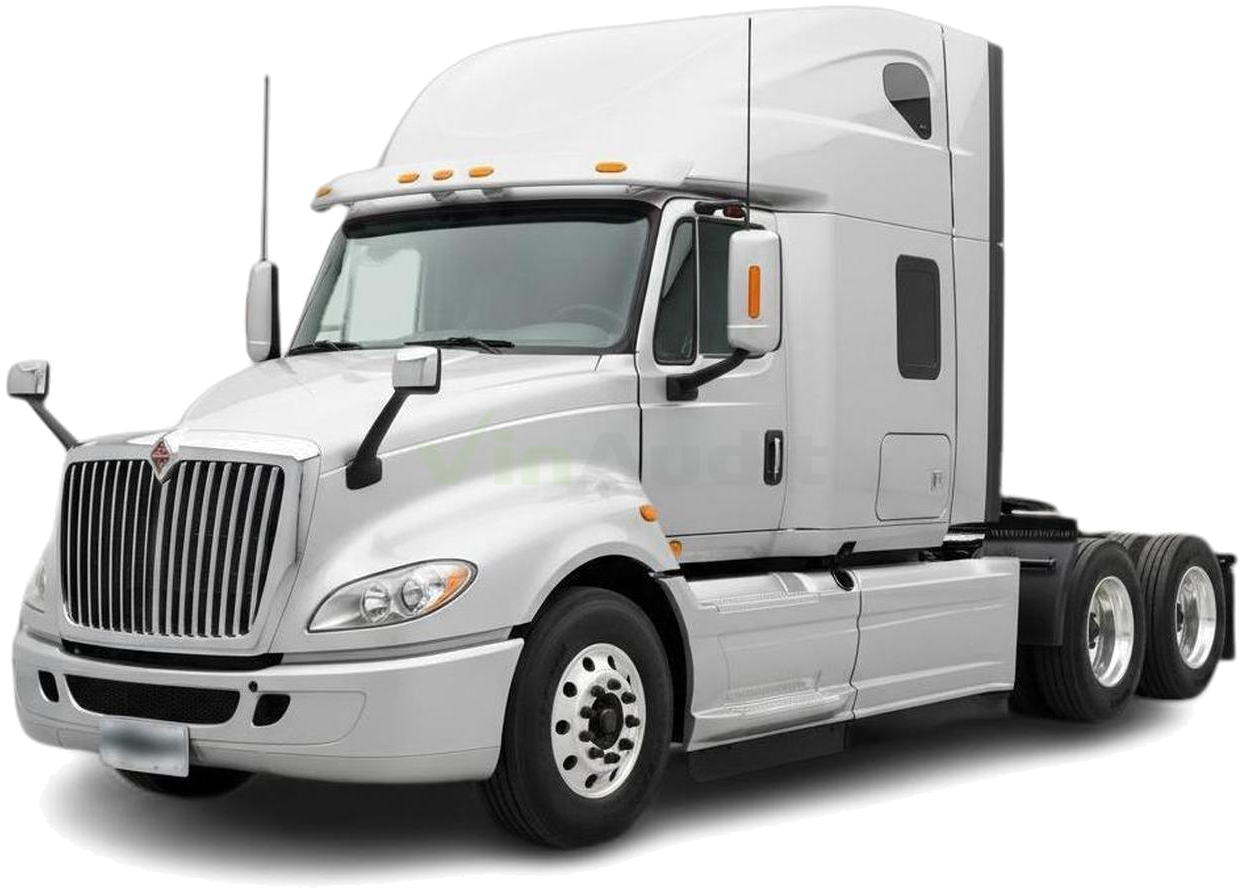
The Good
The 2011 International 3000 excels in raw capability and dependable service, offering the peace of mind that comes with a workhorse designed for longevity. Its straightforward engineering appeals to practical buyers seeking low maintenance and cost-effective operation, while its adaptable nature allows for specialized builds that fulfill unique needs, evoking a sense of empowerment and tailored solutions.
The Bad
Potential weaknesses for the 2011 International 3000 often revolve around age-related wear and tear, particularly concerning the powertrain and emissions systems. Some owners report issues with electrical components and hydraulic systems. Thorough pre-purchase inspection is crucial to identify any underlying problems before committing to a purchase.
2011 International 3000: Quick Overview
- Engine Options: The 2011 International 3000 chassis was typically offered with a range of Navistar diesel engines. Common options included:
- MaxxForce 7 (6.4L V8 Turbo Diesel): Often found in lighter-duty applications.
- MaxxForce DT (7.6L Inline-6 Turbo Diesel): A more common and robust option for various vocational uses.
- MaxxForce 9 (9.3L Inline-6 Turbo Diesel): For heavier-duty applications.
- MaxxForce 10 (10.5L Inline-6 Turbo Diesel): The largest displacement option for maximum power and torque.
- MaxxForce 7 (6.4L V8 Turbo Diesel): Often found in lighter-duty applications.
- Horsepower: Horsepower ratings varied significantly depending on the specific engine and its tuning. Generally, these engines ranged from approximately 185 horsepower for smaller MaxxForce engines to over 300 horsepower for the larger MaxxForce 10. Torque figures were also substantial, typically ranging from 500 lb-ft to over 1000 lb-ft.
- Fuel Economy: Fuel economy is highly dependent on the vehicle's intended use, the specific engine, transmission, and the weight of the payload or body it is carrying. As these are heavy-duty chassis, fuel economy is generally measured in miles per gallon (MPG) and is considerably lower than passenger vehicles, often in the single digits or low double digits (e.g., 6-12 MPG).
- 0-60 Times: 0-60 mph times are not a standard or relevant metric for commercial chassis like the International 3000. Their performance is measured by their ability to haul loads, climb grades, and operate efficiently under heavy work conditions, not by acceleration.
- Towing Capacity: Towing capacity is not a direct specification of the chassis itself but is determined by the Gross Vehicle Weight Rating (GVWR) and Gross Combined Weight Rating (GCWR) of the completed vehicle, along with the type of hitch and trailer. The chassis is designed to support substantial loads, with GCWRs often exceeding 50,000 lbs, making them suitable for towing heavy trailers or specialized equipment.
- Trim-Level Features: The concept of "trim levels" as found in passenger cars is largely absent for the International 3000. Instead, features are dictated by the vocational application. However, common available features or configurations included:
- Various wheelbase lengths to accommodate different body types.
- A range of transmission options, including Allison automatic transmissions and manual transmissions.
- Air or hydraulic brakes.
- Customizable suspension systems.
- Power take-off (PTO) options for auxiliary equipment.
- Different cab configurations (e.g., standard cab, crew cab).
- Optional features like air conditioning, power windows, and upgraded interior materials could be specified for driver comfort on longer routes or shifts.
- Various wheelbase lengths to accommodate different body types.
2011 International 3000 Specifications
Vehicle Information
| Year | 2011 |
| Make | International |
| Model | 3000 |
| Trim | - |
| Style | - |
| Type | Truck |
| Category | Bus |
Manufacturing Details
| Made In | United States |
| Manufacturing City | GARLAND |
Dimensions
| Doors | - |
| Curb Weight | - |
| Gross Vehicle Weight Rating | - |
| Overall Height | - |
| Overall Length | - |
| Overall Width | - |
| Wheelbase Length | - |
| Standard Seating | - |
Engine & Performance
| Engine | 7.6L I6 |
| Engine Size | 7.6L |
| Engine Cylinders | 8 |
| Transmission | - |
| Transmission Type | - |
| Transmission Speeds | - |
| Drivetrain | Rear-Wheel Drive |
Additional Features
| Anti-Brake System | - |
| Steering Type | - |
Pricing
| Manufacturer Suggested Retail Price (MSRP) | - |
| Invoice Price | - |
| Delivery Charges | - |
Vehicle History Report
Specifications
History
Events
History Check
Check
Check
Check
Check
Listings
Recalls
Check
Analysis
What Problems Does the 2011 International 3000 Have?
Electrical gremlins are also not uncommon. Issues with wiring harnesses, sensors, and control modules can lead to intermittent faults or complete system failures, which can be frustrating and costly to diagnose and repair. Owners have also reported problems with the fuel injection system, including injector failures and fuel pump issues, particularly as the mileage accumulates.
While specific model year recalls are best checked with official NHTSA databases, general concerns for 2011 International models often included recalls related to braking systems, powertrain components, and sometimes airbag systems in the driver's cab. The complexity of modern emissions systems, mandated by increasingly stringent environmental regulations, also contributes to potential long-term reliability concerns. For instance, the need for frequent DPF regenerations and potential failures in related sensors can be a persistent headache for owners. Regular and diligent maintenance, adhering to manufacturer recommendations, is paramount to mitigating these issues and ensuring longevity. Neglecting timely service intervals, especially related to oil changes and filter replacements, can exacerbate wear and tear on the engine and its associated systems.
How long will the 2011 International 3000 last?
What Technology & Safety Features are Included?
Built-in Tech & Entertainment: Standard technology typically includes basic instrumentation such as analog gauges for speed, RPM, fuel level, and engine temperature. A simple digital display might offer odometer readings and basic diagnostic information. Entertainment options are usually limited to an aftermarket-capable radio (AM/FM), and potentially a single-disc CD player or auxiliary input jack. Connectivity like Bluetooth or USB ports were not standard and would likely be aftermarket additions. The focus was on reliable communication and information display, not entertainment.
Driver-Assistance Features: Advanced driver-assistance systems (ADAS) as we know them in modern passenger vehicles were largely absent. Features would typically be limited to essential operational aids like power steering, and depending on the configuration, features like cruise control might have been an option. Visibility is generally good due to the high driving position and large windows, but sophisticated blind-spot monitoring or lane-keeping assist systems were not integrated.
Safety Features: Safety features are primarily focused on passive protection and robust construction. Standard safety equipment would include seatbelts for all occupants, typically three-point restraints for the driver and front passenger. The chassis itself is designed with strength in mind to protect occupants in the event of a collision. Braking systems are heavy-duty, usually air brakes or hydraulic brakes designed for significant stopping power. Anti-lock braking systems (ABS) were increasingly common and often standard or optional on commercial vehicles of this era.
Optional Features: Depending on the specific vocational application and customer order, optional features could include:
- Air conditioning systems.
- Power windows and locks (less common in basic configurations).
- Heated mirrors.
- Various auxiliary lighting options.
- On-board diagnostic tools for fleet management.
Crash-Test Ratings: Crash-test ratings are not typically available or relevant for chassis vehicles like the International 3000 in the same way they are for passenger cars and SUVs. Regulatory bodies focus on the safety of the completed vehicle (e.g., a school bus or a delivery van) built upon the chassis, and testing is performed on those specific configurations, not the bare chassis. However, International designs its chassis to meet stringent safety standards for the intended commercial applications.
What Colors Options are Available?
2011 International 3000 Prices and Market Value
2011 International 3000 Cost of Ownership
2011 International 3000 Fuel Efficiency
2011 International 3000 Warranty
Basic
Powertrain
Rust
2011 International 3000 Insurance
reasonable repair costs.
How Does the 2011 International 3000 Compare to Other Truck?
Performance: In terms of performance, the International 3000 generally offers competitive diesel engine options providing robust torque for hauling and towing, comparable to its peers. Freightliner's M2 series, for instance, also offers strong performance profiles. Peterbilt and Kenworth, often perceived as more premium, might offer slightly more refined engine tuning or specialized chassis for specific heavy-duty vocational tasks. The 3000’s performance is largely dictated by its intended application, making direct comparisons tricky without knowing the specific upfitted body.
Features: Features are very application-driven. Competitors like Freightliner's M2 also offer a range of customizable options for vocational use. The key difference lies in the ecosystem around the vehicle; Peterbilt and Kenworth often have a stronger dealer network and a reputation for more driver-centric cab amenities, which might not be the primary focus for a pure chassis buyer, but can influence resale. International's technology is generally functional rather than cutting-edge, similar to most in this utilitarian class.
Reliability: Reliability is a mixed bag across this segment. As discussed, the MaxxForce engines in the 2011 International 3000 had some known issues. Freightliner, Peterbilt, and Kenworth also faced their own reliability challenges with emissions systems and drivetrains from this era. Generally, vehicles from these established manufacturers are built for durability, but the complexity of modern diesel engines means potential issues exist for all. Ongoing maintenance is the biggest factor for all.
Price: New pricing was highly competitive, with International often positioned as a cost-effective option compared to some premium brands like Peterbilt. Used prices for the 2011 International 3000 are generally found to be quite aggressive, making it a potentially good value. Competitors from Freightliner (M2 series) and sometimes even older models from Peterbilt or Kenworth might appear in similar price brackets on the used market, though their condition and mileage can vary greatly.
Alternatives:
- Freightliner M2 Series: A very strong competitor, offering a wide range of configurations and a generally well-regarded powertrain. Similar in price and capability.
- IC Corporation Chassis (for bus applications): If the primary use is a school bus, IC Corporation (an International brand) offers chassis specifically optimized for this purpose, potentially with better integration for bus bodies.
- Used Ford F-Series Super Duty (for lighter vocational needs): For less demanding tasks, a used heavy-duty Ford F-Series Super Duty truck might offer a more accessible entry point, though with significantly lower GVWR and towing capacities.
Ultimately, the best alternative depends heavily on the specific vocational application and budget. The International 3000 remains a viable option for its ruggedness and potentially lower acquisition cost on the used market, provided a thorough inspection is performed.
Final Verdict: Is the 2011 International 3000 a Good Truck?

Cathleen V
Cathleen is an exceptional freelance writer covering hot topics in the automotive world from a gearhead's perspective. Her articles delve into various aspects of automotive technology and history, offering readers detailed insights into engine performance, reliability, and maintenance. Through her engaging and informative writing, Cathleen provides valuable information to automotive enthusiasts and consumers alike, helping them make informed decisions about vehicle maintenance and purchases.