
The Good
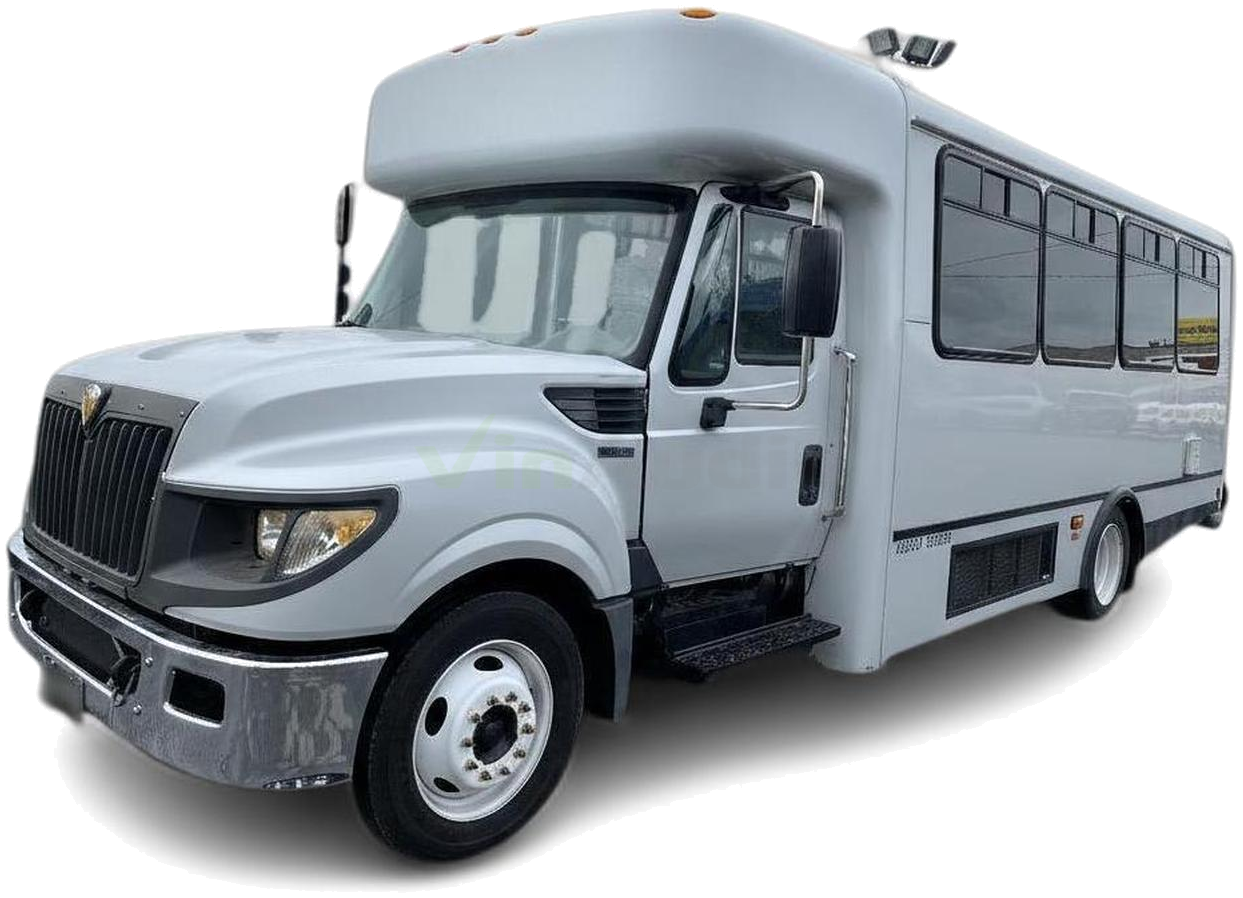
The 2013 International 3000 excels in raw reliability and robust performance, built for demanding use. Its practical value lies in its longevity and adaptable design, ensuring a sound investment for businesses. While comfort might not be its primary focus, its sturdy construction offers a sense of security and a solid foundation for specialized needs.
The Bad
Potential buyers should be aware of the 2013 International 3000's focus on utility over refined aesthetics or passenger car-like comfort. Fuel economy can be a concern for some applications, and maintenance may require specialized commercial vehicle expertise. Older models might exhibit wear and tear depending on their previous usage.
2013 International 3000: Quick Overview
- Engine Options: The 2013 International 3000 chassis typically offered a selection of robust diesel engines. Common options included Cummins ISB and ISC series engines, known for their durability and torque. Specific engine displacements varied, but often ranged from around 5.9 liters to 7.2 liters.
- Horsepower: Horsepower ratings generally fell within a range suitable for commercial applications, typically from approximately 200 horsepower up to around 300 horsepower, depending on the specific engine model and tuning.
- Fuel Economy: Fuel economy for commercial vehicles like the International 3000 is highly variable and dependent on application, load, driving style, and engine configuration. These vehicles are not typically rated by EPA fuel economy standards like passenger cars. However, diesel engines of this era would generally achieve mileage in the single digits to low double digits miles per gallon (MPG) when used in bus or heavy-duty shuttle configurations.
- 0-60 Times: 0-60 mph acceleration times are not a standard metric for commercial chassis vehicles like the 2013 International 3000, as they are not designed for rapid acceleration. Performance is prioritized for torque and sustained operation rather than quick sprints.
- Towing Capacity: While the 3000 series chassis itself isn't typically equipped for traditional towing like a pickup truck, it serves as a base for vehicles that may have their own towing capabilities. The Gross Vehicle Weight Rating (GVWR) for the chassis itself is substantial, designed to carry heavy loads for the body it supports.
- Trim-Level Features: The concept of "trim levels" as found in consumer vehicles does not directly apply to the 2013 International 3000. Instead, its features are determined by the vocational body installed on the chassis. Common configurations include:
- Bus/Shuttle Configurations: Features would include seating arrangements, climate control systems, entry/exit doors, wheelchair accessibility options (lifts and tie-downs), interior lighting, and passenger information systems.
- Work/Utility Configurations: Depending on the upfit, features might include specialized storage compartments, hydraulic liftgates, auxiliary power take-offs (PTOs), and reinforced cargo areas.
2013 International 3000 Specifications
Vehicle Information
| Year | 2013 |
| Make | International |
| Model | 3000 |
| Trim | - |
| Style | - |
| Type | Bus |
| Category | Bus |
Manufacturing Details
| Made In | United States |
| Manufacturing City | GARLAND |
Dimensions
| Doors | - |
| Curb Weight | - |
| Gross Vehicle Weight Rating | - |
| Overall Height | - |
| Overall Length | - |
| Overall Width | - |
| Wheelbase Length | - |
| Standard Seating | - |
Engine & Performance
| Engine | 7.6L I6 |
| Engine Size | 7.6L |
| Engine Cylinders | 8 |
| Transmission | - |
| Transmission Type | - |
| Transmission Speeds | - |
| Drivetrain | Type D (rear engine) |
Additional Features
| Anti-Brake System | - |
| Steering Type | - |
Pricing
| Manufacturer Suggested Retail Price (MSRP) | - |
| Invoice Price | - |
| Delivery Charges | - |
Vehicle History Report
Specifications
History
Events
History Check
Check
Check
Check
Check
Listings
Recalls
Check
Analysis
What Problems Does the 2013 International 3000 Have?
Engine and Drivetrain: The diesel engines used in the 3000 series, often Cummins or MaxxForce units (though MaxxForce had some known issues in other International models, Cummins generally have a strong reputation), can experience issues related to exhaust gas recirculation (EGR) systems, particularly if not maintained diligently. Over time, turbochargers and fuel injectors can also require attention. The automatic transmissions (if equipped) can sometimes develop leaks or shifting problems, especially with high mileage.
Electrical System: As with any vehicle, electrical gremlins can surface. This might include issues with wiring harnesses, sensors, or the onboard computer modules. Alternator and battery issues are also common wear items.
Braking System: Given its potential to carry heavy loads, regular inspection and maintenance of the braking system are crucial. Worn brake pads, rotors, or potential leaks in the hydraulic or air brake systems (if applicable) are common maintenance items that, if neglected, can become significant problems.
Suspension and Chassis: Over time, the suspension components, including springs, shock absorbers, and bushings, can wear out due to constant stress. Rust and corrosion on the chassis, especially in regions with harsh weather or salt exposure, can be a long-term concern that compromises structural integrity.
Emissions Systems: Modern diesel engines are equipped with complex emissions control systems (like DPFs - Diesel Particulate Filters). These systems can become clogged or malfunction, leading to reduced performance and costly repairs if not properly maintained or if the vehicle is used primarily for short, infrequent trips that don't allow for proper regeneration cycles.
Recalls: Specific recalls for the 2013 International 3000 chassis would need to be checked against the National Highway Traffic Safety Administration (NHTSA) database using the vehicle's VIN. However, recalls for commercial vehicles often pertain to safety-critical components such as braking systems, steering, or potential fire hazards. Regular checks are recommended.
Long-Term Reliability: The long-term reliability of a 2013 International 3000 is heavily influenced by its maintenance history and the type of work it has performed. A well-maintained unit that has seen consistent, appropriate use can be incredibly reliable for hundreds of thousands of miles. Conversely, a neglected unit or one that has been subjected to extreme conditions will likely present more challenges. Regular fluid changes, filter replacements, and prompt attention to any warning signs are paramount.
How long will the 2013 International 3000 last?
What Technology & Safety Features are Included?
Built-in Tech & Entertainment: Standard technology is generally limited to essential operational systems. This typically includes a basic AM/FM radio, possibly with an auxiliary input for portable devices. A driver information display will provide critical data like engine status, mileage, and warning lights. Advanced infotainment systems, large touchscreens, navigation, or Bluetooth connectivity are rarely standard and would depend heavily on specific upfitter packages or optional add-ons.
Driver-Assistance Features: Driver-assistance features as commonly understood in modern passenger vehicles are largely absent on the 2013 International 3000 chassis. Features like lane departure warning, adaptive cruise control, or blind-spot monitoring are not typically integrated. The focus is on providing the driver with clear visibility and essential operational controls.
Safety Features: Safety is paramount in commercial vehicle design. Standard safety features typically include:
- Heavy-Duty Brakes: Robust braking systems designed to handle significant weight.
- Seat Belts: Standard seat belts for the driver and any front passengers.
- Mirrors: Extensive mirror setups to provide maximum visibility around the vehicle, crucial for a larger platform.
- Lights: Comprehensive lighting systems, including headlights, taillights, turn signals, and hazard lights.
- Structural Integrity: The chassis itself is built with substantial frame rails and structural components to withstand operational stresses and provide a safe environment for the body and its occupants.
Optional Features: Depending on the body manufacturer and specific vocational use, optional features could include:
- Backup cameras (for maneuvering assistance).
- Enhanced climate control systems.
- Power windows and door locks (less common on base commercial chassis).
- Limited driver comfort features like improved seat suspension.
Crash-Test Ratings: Dedicated crash-test ratings from organizations like the NHTSA or IIHS for the 2013 International 3000 chassis itself are not typically available in the same way they are for light-duty vehicles. The safety performance is assessed based on the complete vehicle (chassis plus body). Regulations governing commercial vehicles, particularly buses, focus on structural integrity, occupant protection, and the performance of critical safety systems under various operational scenarios. Manufacturers adhere to stringent federal motor vehicle safety standards (FMVSS) relevant to their intended use.
What Colors Options are Available?
2013 International 3000 Prices and Market Value
2013 International 3000 Cost of Ownership
2013 International 3000 Fuel Efficiency
2013 International 3000 Warranty
Basic
Powertrain
Rust
2013 International 3000 Insurance
reasonable repair costs.
How Does the 2013 International 3000 Compare to Other Bus?
Performance: In terms of raw performance, the International 3000 typically offers robust diesel engines focused on torque and reliability for hauling or passenger transport. Rivals like Freightliner often provide comparable engine options and chassis strength. Ford's offerings might vary, with gasoline engines sometimes available in lighter-duty vocational chassis, which could offer different performance characteristics (e.g., quicker acceleration but less torque for heavy loads).
Features: Features are dictated by the body upfit. When comparing chassis, the focus is on driver ergonomics, visibility, and the availability of power take-off (PTO) options or specific mounting points for equipment. International is generally strong in providing a solid, functional driver's environment. Rivals may offer slightly more modern cabin designs or optional comfort features, but the core functionality is usually similar.
Reliability: International has a long-standing reputation for building durable commercial vehicles. The 3000 series chassis is known for its robust construction. Freightliner chassis are also highly regarded for their reliability in the commercial sector. Ford's heavy-duty chassis can be reliable but sometimes face more varied reports depending on the specific model and powertrain.
Price: Pricing for a 2013 chassis would be competitive within the commercial sector. New chassis prices are substantial across all major manufacturers. Used, the price will depend on condition and body configuration. International often sits competitively in this pricing structure, offering a strong value proposition for its durability.
Alternatives:
- Freightliner S2 / Commercial Chassis: A very strong contender, often seen as a direct competitor to the International 3000, offering similar reliability and vocational capabilities.
- Ford F-Series Cutaway/Chassis Cab: For lighter-duty shuttle or specialized vehicle builds, a Ford chassis might be a suitable alternative, potentially offering a wider range of powertrain options (including gasoline) and a more accessible dealer network in some regions.
- Used School Bus Chassis: Many decommissioned school buses, built on robust chassis like those from International or Freightliner, can be repurposed and offer a very strong, pre-built foundation for various applications at a lower cost than a purpose-built chassis.
The 2013 International 3000 is a solid choice, and whether a rival is "better" depends heavily on specific needs, available configurations, and local service availability. For many vocational uses demanding raw durability, it stands as a comparable and reliable option.
Final Verdict: Is the 2013 International 3000 a Good Bus?

Drew B
Drew is a seasoned automotive expert and contributor to VinCheck.info. With nearly 15 years of experience as a former Porsche technician, he brings a wealth of hands-on knowledge to his writing. Born in North Carolina, a region renowned for its deep-rooted NASCAR culture, Drew developed a passion for cars early in life, often building and working on vehicles from a young age. At VINCheck, Drew leverages his extensive technical background to provide in-depth analyses of various vehicles. His articles often focus on engine performance, reliability, and maintenance insights, offering readers practical information grounded in real-world experience. Some of his notable contributions include reviews on the Mazda CX-5's longevity and detailed examinations of engine options for models like the 2011 Toyota Camry and Tacoma