
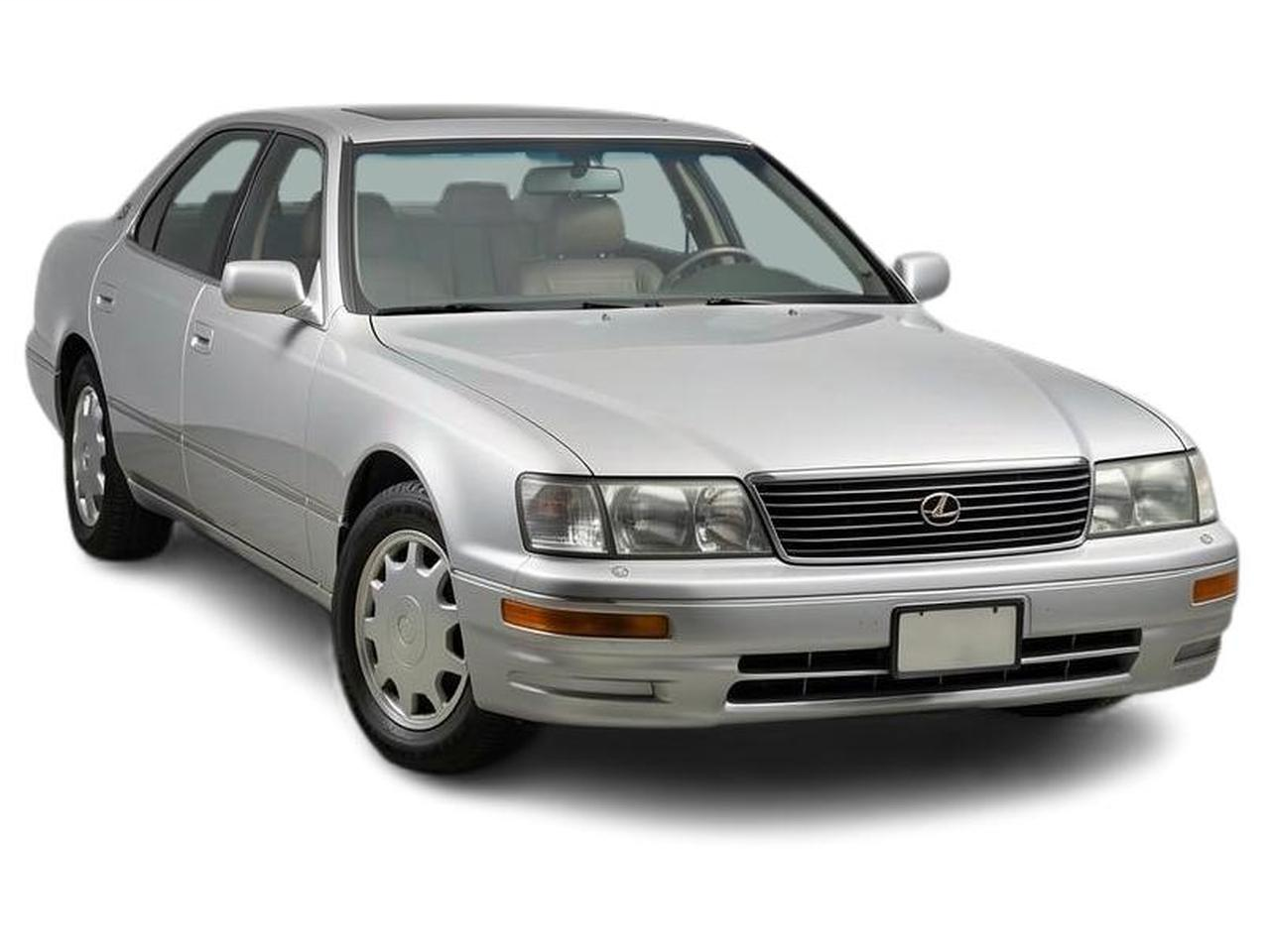
The Good
The 1997 LS 400 boasts a smooth, powerful V8 engine for effortless cruising, legendary reliability for peace of mind, and an exceptionally quiet, plush cabin for ultimate comfort. Its timeless, elegant design appeals to sophisticated tastes, while its enduring build quality offers significant long-term value.
The Bad
Potential weaknesses for the 1997 LS 400 include aging suspension components (bushings, air springs if equipped), potential for minor electrical gremlins due to age, and the need for regular timing belt replacement. Fuel economy, while respectable for its era, isn't a strong suit by modern standards.
1997 Lexus LS: Quick Overview
- Engine Options: Only one engine was offered for the 1997 model year: the 4.0L DOHC 32-valve V8.
- Horsepower: The 1UZ-FE V8 engine produced approximately 260 horsepower.
- Torque: Torque figures were around 270 lb-ft.
- Fuel Economy: Estimated EPA fuel economy was around 17 MPG city / 23 MPG highway.
- 0-60 MPH: Acceleration times were typically in the mid-to-high 7-second range, which was competitive for its class at the time.
- Towing Capacity: This vehicle was not designed or equipped for towing, and therefore, towing capacity is not applicable.
- Trim-Level Features (LS 400): The 1997 LS 400 came as a single, highly-equipped trim level. Key standard features included:
- Leather-trimmed seats
- Power-adjustable front seats with memory function
- Automatic climate control with dual-zone temperature settings
- Premium ETR AM/FM stereo with cassette and CD player
- Power moonroof
- Automatic headlights
- Rain-sensing wipers (optional, but common)
- Xenon HID headlights (optional)
- Heated front seats (optional)
- Vehicle Stability Control (VSC)
- Traction Control System (TCS)
- Anti-lock Braking System (ABS)
- Driver and front passenger airbags
- Side-impact door beams
- Power windows, door locks, and mirrors
- Cruise control
- Tilt and telescopic steering wheel
- Keyless entry system
- Genuine wood interior trim accents
- Fog lights
- Alloy wheels
1997 Lexus LS Specifications
Vehicle Information
| Year | 1997 |
| Make | Lexus |
| Model | LS |
| Trim | - |
| Style | 400 Sedan RWD 4AT 4.0L V8 |
| Type | Sedan |
| Category | passenger |
Manufacturing Details
| Made In | Japan |
| Manufacturing City | TAHARA |
Dimensions
| Doors | 4-Door |
| Curb Weight | 3700 pounds |
| Gross Vehicle Weight Rating | - |
| Overall Height | 56.5 inches |
| Overall Length | 196.5 inches |
| Overall Width | 72.4 inches |
| Wheelbase Length | 112.2 inches |
| Standard Seating | 5 |
Engine & Performance
| Engine | 4L V8 |
| Engine Size | 4L |
| Engine Cylinders | 8 |
| Transmission | 4-Speed Automatic |
| Transmission Type | Automatic |
| Transmission Speeds | 4-Speed |
| Drivetrain | Rear-Wheel Drive |
Additional Features
| Anti-Brake System | 4-Wheel ABS |
| Steering Type | Rack & Pinion |
Pricing
| Manufacturer Suggested Retail Price (MSRP) | $54,900 |
| Invoice Price | - |
| Delivery Charges | - |
Vehicle History Report
Specifications
History
Events
History Check
Check
Check
Check
Check
Listings
Recalls
Check
Analysis
What Problems Does the 1997 Lexus LS Have?
Another area to watch is the cooling system. Radiator leaks, hose deterioration, and water pump issues can occur over time, and timely replacement of the timing belt (typically every 60,000 miles or 6 years) is crucial to prevent catastrophic engine damage. The V8 engine itself is remarkably durable, but neglecting this maintenance item is a significant risk.
Electrical gremlins, though not widespread, can sometimes manifest in older vehicles. This might include malfunctioning power window motors, issues with the central locking system, or intermittent problems with the infotainment system. These are often due to corroded connectors or aging electronic modules.
While Lexus models from this era are known for excellent build quality, some minor interior trim pieces might show wear, and the leather upholstery can develop cracks or tears if not properly maintained. Seat heaters, if equipped, can sometimes fail.
Recalls for this specific model year were relatively minor and typically addressed safety aspects like potential issues with the brake light switch or, in some cases, airbag inflators. It's always advisable to check the NHTSA website for any outstanding recalls associated with a particular VIN. Overall, the long-term reliability is exceptional, but owners must be diligent with preventative maintenance and address minor issues before they escalate.
How long will the 1997 Lexus LS last?
What Technology & Safety Features are Included?
Driver-assistance features were quite advanced for the time. The LS 400 came standard with Vehicle Stability Control (VSC) and Traction Control System (TCS), technologies that were still relatively novel in many luxury vehicles. The Anti-lock Braking System (ABS) was also standard, enhancing braking control.
Safety features included dual front airbags, side-impact door beams for enhanced occupant protection, and three-point seatbelts with pretensioners for the front occupants. Automatic headlights were standard, adding a layer of convenience and safety.
Optional features elevated the luxury quotient further. These could include a power moonroof, heated front seats, and a sophisticated rain-sensing wiper system that automatically adjusted wiper speed based on precipitation. Xenon HID headlights were also available, offering superior illumination over traditional halogen bulbs.
Crash-test ratings for this generation of the LS 400 were generally very good for the time. While official NHTSA and IIHS ratings from the late 1990s are not as detailed or standardized as today's tests, vehicles from this era that performed well in frontal and side impact tests were indicative of robust structural design and comprehensive safety features. The LS 400 was built with a strong emphasis on occupant protection and structural integrity, reflecting Lexus's commitment to safety.
What Colors Options are Available?
1997 Lexus LS Prices and Market Value
Today, used 1997 LS 400 models can be found for anywhere from $3,000 to $10,000 or more, heavily dependent on mileage, overall condition, maintenance history, and whether it has been a garage-kept, well-maintained example. Factors affecting resale value include impeccable service records, low mileage for its age, and the absence of major mechanical or cosmetic issues. Enthusiast ownership and a clean Carfax report can also boost its appeal and value significantly in the current used market.
1997 Lexus LS Cost of Ownership
1997 Lexus LS Fuel Efficiency
1997 Lexus LS Warranty
Basic
Powertrain
Rust
1997 Lexus LS Insurance
reasonable repair costs.
How Does the 1997 Lexus LS Compare to Other Sedan?
Performance: The LS 400's 4.0L V8 offered smooth, refined power, excelling in quiet cruising rather than outright sportiness. German rivals like the BMW 740i and Mercedes S420 often provided more engaging driving dynamics and sharper handling, appealing to those who prioritized a spirited drive. The Audi A8 offered a blend of comfort and performance, with its quattro all-wheel-drive system providing excellent all-weather capability.
Features: Lexus was a leader in comfort and convenience features, often packing the LS 400 with luxury amenities as standard that were optional on competitors. The build quality and quietness of the cabin were often cited as superior to its German counterparts. While German luxury cars offered advanced technology, they could also be more complex and prone to electrical issues.
Reliability: This is where the LS 400 truly shone. Its legendary reliability far surpassed that of its European rivals during this period. BMW and Mercedes-Benz vehicles of the late 90s, while luxurious, were notorious for higher maintenance and repair costs and more frequent mechanical problems. The Audi A8 was generally more reliable than its German counterparts but still not at the Lexus level.
Price: New, the LS 400 was priced competitively, often undercutting similarly equipped German luxury cars. Today, its strong reliability translates to a better used value proposition.
Alternatives:
- Similar: For those seeking similar reliability and comfort in a slightly different package, the Infiniti Q45 from the same era offered a powerful V8 and a more driver-focused experience, though often less refined and with less impressive reliability.
- If prioritizing driving dynamics: A well-maintained BMW 740i (E38) or Mercedes-Benz E-Class (W210, as a step down in luxury but strong reliability for its class) might be considered if a more engaging driving experience is paramount, but be prepared for higher potential maintenance costs.
- Modern Alternative: If budget allows and a newer vehicle is desired, consider a newer generation Lexus LS (e.g., LS 430) or a Lexus ES for a balance of luxury, reliability, and lower running costs. The 1997 LS 400 remains a standout for its blend of luxury and unparalleled long-term durability.
Final Verdict: Is the 1997 Lexus LS a Good Sedan?
It is absolutely worth buying, but strictly as a used vehicle. Finding a new one is impossible. The key condition for purchase is a thorough pre-purchase inspection by a mechanic familiar with Lexus vehicles. Prioritize models with meticulous maintenance records, particularly proof of timely timing belt replacements. A well-maintained example, even with higher mileage, represents a tremendous value and will likely offer years of dependable service. It's a smart buy for anyone who appreciates enduring quality and exceptional longevity.

Eugene S
Eugene is an automotive enthusiast with over 15 years of experience in the used car market. As a writer at VINCheck.info, he brings deep industry insight and a passion for cars, helping readers make smart, informed decisions. Eugene has written hundreds of used car reviews and is known for breaking down complex automotive topics into clear, actionable advice. Over the years, he has driven and worked on a wide range of vehicles—starting with tuning street cars in his early days and eventually focusing on performance upgrades and reliability improvements. Today, he specializes in evaluating used vehicles through the lens of real-world ownership and enthusiast needs. A longtime fan of Porsche, Eugene especially appreciates vehicles that blend durability with driving enjoyment.