
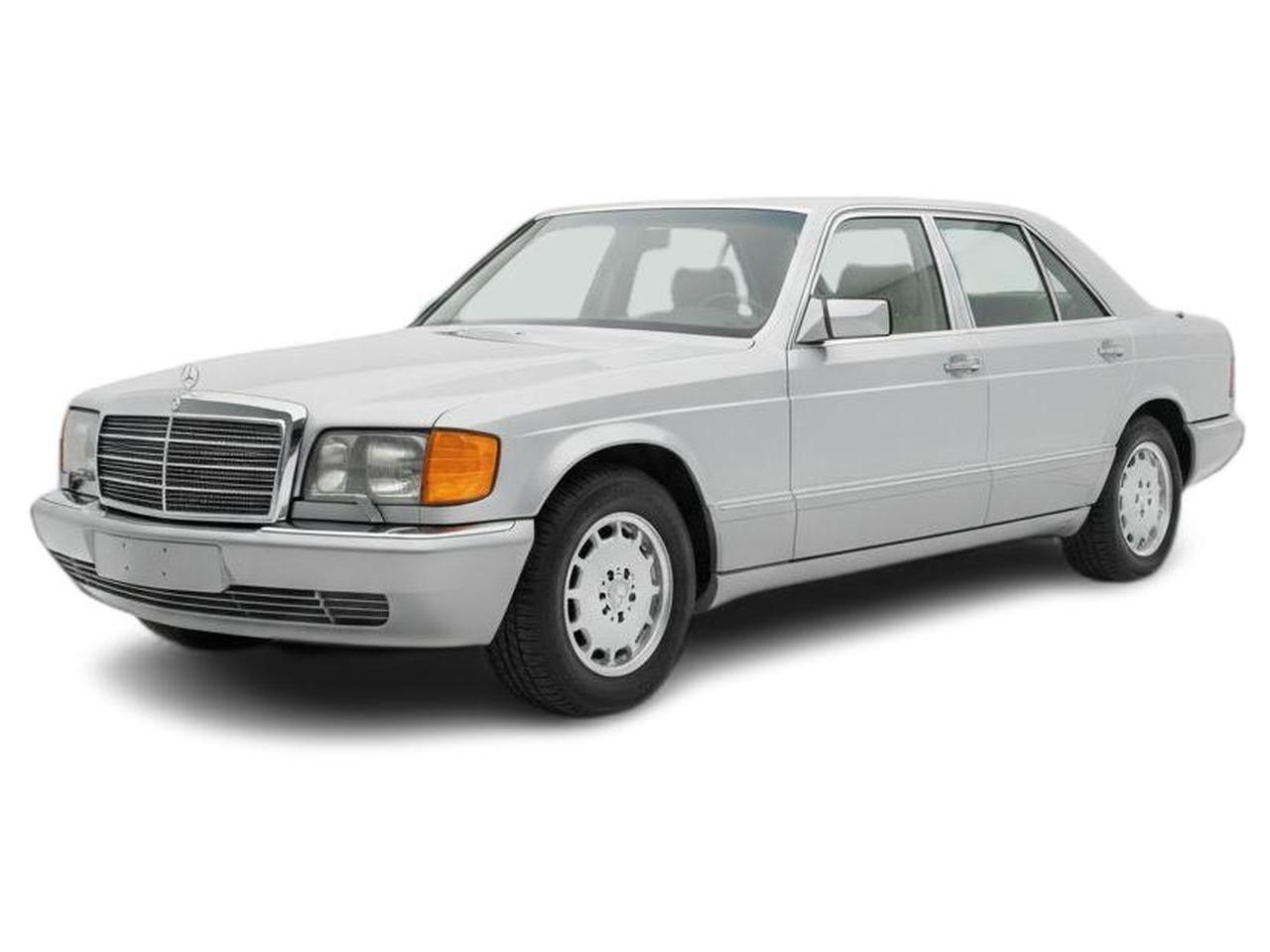
The 1991 Mercedes-Benz 560 represents the pinnacle of the W126 S-Class generation, produced from 1979 to 1991. Available as a sleek sedan or a more spacious SEL long-wheelbase variant, key trims included the 560 SEL. New, these vehicles commanded a premium price, often starting around $70,000-$80,000. Its enduring popularity stems from its blend of robust engineering, timeless design, and unparalleled luxury for its era, making it a sought-after classic.
The Good
The 1991 Mercedes-Benz 560 offers a commanding V8 performance, legendary Mercedes-Benz reliability, and a supremely comfortable ride. Its classic, elegant design appeals to those seeking sophisticated style, while its robust build and potential for long-term service provide excellent practical value and emotional satisfaction.
The Bad
Owners should be aware of potential rust issues, especially in the wheel wells and rocker panels. Electrical gremlins can surface, particularly with aged wiring harnesses and climate control systems. Head gasket leaks and transmission issues can also be costly to repair, so thorough pre-purchase inspection is crucial.
1991 Mercedes-Benz 560: Quick Overview
- Engine Options: The primary engine for the 1991 Mercedes-Benz 560 was a 5.6-liter V8.
- Horsepower: This V8 engine produced approximately 238 horsepower.
- Torque: Torque figures were around 317 lb-ft.
- Fuel Economy: Expect fuel economy to be in the range of 12-14 MPG in the city and 17-20 MPG on the highway, highly dependent on driving conditions and maintenance.
- 0-60 Times: Acceleration for the 560 SEC and SEL models was respectable for the era, typically falling in the 7.0 to 8.0-second range.
- Towing Capacity: The 1991 Mercedes-Benz 560 was not designed for towing, and no official towing capacity is listed.
- Trim-Level Features: The 560 SEL (long wheelbase) offered enhanced rear legroom and often came with additional luxury amenities. Key features across all 560 models included:
- Leather upholstery
- Power-adjustable front seats with memory
- Automatic climate control
- Power windows, mirrors, and sunroof
- Cruise control
- Wood interior trim
- Optional: Heated seats, upgraded stereo systems, rear seat amenities (in SEL models)
- Advanced (for the time) safety features like ABS (Anti-lock Braking System) and airbags.
1991 Mercedes-Benz 560 Specifications
Vehicle Information
| Year | 1991 |
| Make | Mercedes-Benz |
| Model | 560 |
| Trim | - |
| Style | 560 SEC Coupe RWD 4AT 5.6L V8 |
| Type | Coupe |
| Category | passenger |
Manufacturing Details
| Made In | Germany |
| Manufacturing City | SINDELFINGEN |
Dimensions
| Doors | 2-Door |
| Curb Weight | - |
| Gross Vehicle Weight Rating | - |
| Overall Height | - |
| Overall Length | - |
| Overall Width | - |
| Wheelbase Length | - |
| Standard Seating | - |
Engine & Performance
| Engine | 5.6L V8 |
| Engine Size | 5.6L |
| Engine Cylinders | 8 |
| Transmission | 4-Speed Automatic |
| Transmission Type | Automatic |
| Transmission Speeds | 4-Speed |
| Drivetrain | Rear-Wheel Drive |
Additional Features
| Anti-Brake System | - |
| Steering Type | - |
Pricing
| Manufacturer Suggested Retail Price (MSRP) | - |
| Invoice Price | - |
| Delivery Charges | - |
Vehicle History Report
Vehicle
Specifications
Specifications
Ownership
History
History
All History
Events
Events
NMVTIS Title
History Check
History Check
Salvage/Rebuilt
Check
Check
Accident
Check
Check
Theft
Check
Check
Open Lien
Check
Check
Past Sale
Listings
Listings
Safety
Recalls
Recalls
Odometer
Check
Check
Market Price
Analysis
Analysis
What Problems Does the 1991 Mercedes-Benz 560 Have?
The 1991 Mercedes-Benz 560, while generally robust, is not immune to age-related issues. Frequently reported problems include those related to the aging fuel injection system (CIS-E), which can lead to rough idling or stalling if not properly maintained. The wiring harnesses, particularly those made with biodegradable insulation, are notorious for degrading over time, causing a cascade of electrical gremlins affecting everything from the fuel pump to the power windows. The automatic climate control system is another common area for failure, often due to leaking vacuum lines or malfunctioning actuators. Water ingress can be an issue, leading to rust, particularly around the sunroof, windshield seals, and wheel wells. Brake system components, like the ABS hydraulic unit, can become expensive to repair if they fail. Some owners have reported head gasket leaks, although this is not as prevalent as other issues. Transmission problems, while less common, can also arise, especially with neglected fluid changes. There were no major widespread recalls specific to the 1991 model year that stand out significantly; rather, the concerns are typical of a classic luxury car of this vintage. Long-term reliability is highly dependent on the quality of maintenance and the extent to which original components have been replaced or refurbished. Vehicles that have been meticulously cared for can still offer excellent service, while neglected examples may require substantial investment to return to their former glory.
How long will the 1991 Mercedes-Benz 560 last?
Based on owner data and maintenance habits, a well-maintained 1991 Mercedes-Benz 560 can realistically achieve well over 200,000 miles, with many examples far exceeding this. The durable V8 engine and robust chassis are designed for longevity. However, weaknesses emerge over time, primarily in the electrical system due to aging wiring and seals, and potential corrosion in certain areas if not protected. The transmission is also a significant component that, with proper fluid changes, can last hundreds of thousands of miles. The overall durability is exceptional, provided regular and thorough maintenance is performed, addressing age-related issues proactively rather than reactively. These cars can continue to be reliable daily drivers or cherished classics for decades.
What Technology & Safety Features are Included?
The 1991 Mercedes-Benz 560 was at the forefront of automotive technology for its time, offering a luxurious and sophisticated experience. Standard tech included a robust automatic climate control system, power windows, power-adjustable front seats with memory, central locking, cruise control, and a premium sound system. For entertainment, the factory stereo typically featured AM/FM radio and a cassette player, with optional upgrades to more advanced sound systems available. Driver-assistance features were limited by modern standards but included Anti-lock Braking System (ABS) for improved stopping control. Safety features were a strong suit for Mercedes-Benz, with the 560 equipped with airbags for the driver and front passenger, crumple zones designed to absorb impact energy, and a sturdy body structure. Seatbelt pre-tensioners were also incorporated. While specific official crash-test ratings for the 1991 W126 S-Class from organizations like the NHTSA are not readily available in modern databases, Mercedes-Benz vehicles of this era were renowned for their safety engineering and typically performed well in independent tests conducted at the time. Optional features could extend to heated front and rear seats, rear climate controls, and in some cases, a power rear sunshade, further enhancing the opulent feel and convenience for occupants. The technology, though dated by today's standards, was cutting-edge for the early 1990s and contributed to the car's reputation as a supremely comfortable and secure vehicle.
What Colors Options are Available?
1991 Mercedes-Benz 560 Prices and Market Value
When new, the 1991 Mercedes-Benz 560 SEL carried a hefty price tag, often in the range of $70,000 to $80,000, reflecting its status as a top-tier luxury sedan. As with most luxury vehicles, it experienced significant depreciation in its early years. However, for well-maintained examples, depreciation has largely stabilized, and in some cases, prices have begun to appreciate for pristine specimens. Current used market prices for the 1991 Mercedes-Benz 560 (including SEL and SEC variants) can vary widely, typically ranging from $5,000 to $20,000 or more for exceptional examples. Factors significantly affecting resale value include mileage, overall condition, maintenance history, originality, and market demand for classic luxury cars. A fully documented service history and rust-free body are paramount for commanding a higher price.
1991 Mercedes-Benz 560 Cost of Ownership
Owning a 1991 Mercedes-Benz 560 is generally considered costly. Insurance premiums can be moderate to high, especially for classic car policies. Fuel consumption is high due to the large V8 engine, averaging around 15-18 MPG combined. Maintenance requires specialized knowledge and parts can be expensive; routine services like oil changes and filter replacements are comparable to other luxury cars, but more involved repairs can quickly escalate costs. Repairs for aged electrical components or the climate control system can be particularly labor-intensive and pricey. This vehicle is not economical to own; it is a classic luxury car that demands a significant budget for upkeep to remain in excellent condition.
1991 Mercedes-Benz 560 Fuel Efficiency
Fuel Type
Gasoline
Fuel Capacity
-
City Mileage
12 miles/gallon
Highway Mileage
16 miles/gallon
1991 Mercedes-Benz 560 Insurance
Insurance for a 1991 Mercedes-Benz 560 is moderately priced, reflecting its status as a Coupe with strong safety ratings and
reasonable repair costs.
How Does the 1991 Mercedes-Benz 560 Compare to Other Coupe?
The 1991 Mercedes-Benz 560 SEL competed in the executive luxury sedan segment against formidable rivals like the BMW 750iL, Lexus LS400, and Jaguar XJ6. In terms of performance, the 560's 5.6-liter V8 offered strong, smooth power delivery, comparable to the V12 in the BMW 750iL, though perhaps not as outright sporty. The Lexus LS400, introduced shortly before, offered similar V8 power and refinement but with a reputation for superior Japanese reliability and advanced features. The Jaguar XJ6 provided a more traditionally British luxury experience, often with a more engaging driving feel but less consistent reliability. Features-wise, the Mercedes-Benz was a leader in safety and comfort amenities for its era, boasting excellent build quality and a plush interior. Reliability for the 560 is generally good with diligent maintenance, though its electrical systems can be temperamental with age, a weakness shared to some extent by contemporary European rivals. The Lexus LS400 is often cited as the benchmark for reliability in this class during that period. Pricing for the 560 was at the higher end when new, often exceeding its rivals. On the used market, the LS400 often represents better value due to its reputation for reliability and lower maintenance costs. For those seeking a similar level of luxury and V8 power with potentially better long-term reliability and lower running costs, a well-maintained Lexus LS400 is an excellent alternative. If a more engaging driving experience is desired, a BMW 7 Series from the same era could be considered, though it also comes with its own set of complex mechanicals. The Jaguar XJ6 offers a distinct character but might require more frequent attention.
Final Verdict: Is the 1991 Mercedes-Benz 560 a Good Coupe?

The 1991 Mercedes-Benz 560 is ideal for classic car enthusiasts who appreciate timeless design, robust engineering, and a luxurious, comfortable driving experience. It's worth buying for those who value its historical significance and the commanding presence it offers, provided they have a substantial budget for maintenance and repairs. This car is best purchased used, as new examples are non-existent. Buyers should focus on finding well-maintained, low-mileage examples, preferably with extensive service records, particularly for the SEL (long-wheelbase) trim for maximum rear-seat comfort. It's a car for someone who enjoys the process of owning and caring for a classic luxury automobile rather than seeking an economical daily driver.