
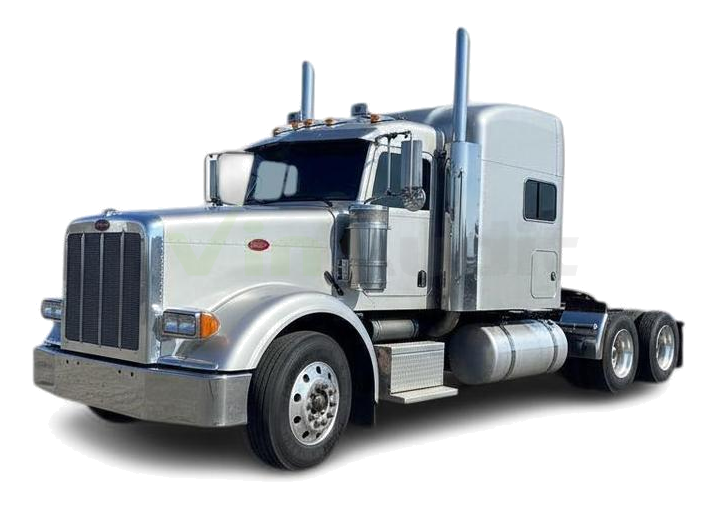
The Good
The 2013 Peterbilt 367 offers unparalleled performance and legendary reliability, built to conquer any task. Its robust design inspires confidence, while the surprisingly comfortable cabin caters to long hauls, providing excellent value for its exceptional durability and power.
The Bad
Potential weaknesses for the 2013 Peterbilt 367 include the complexity of advanced electronics if not properly maintained, and the significant investment required for specialized parts or repairs due to its heavy-duty nature. Older models may also show wear on interior components.
2013 Peterbilt 367: Quick Overview
- Engine Options: The 2013 Peterbilt 367 was typically equipped with robust PACCAR MX engines or Cummins ISX engines. These are high-performance diesel powerplants designed for heavy-duty applications.
- PACCAR MX-13: A common option, offering impressive torque and durability for long-haul and vocational use.
- Cummins ISX15: Another powerful choice, known for its reliability and ability to handle extreme loads.
- Horsepower: Horsepower ratings varied significantly based on the specific engine and configuration chosen by the owner. Typical ranges include:
- PACCAR MX-13: Ranging from approximately 380 to 485 horsepower.
- Cummins ISX15: Often found with ratings from 400 to 600 horsepower.
- Fuel Economy: Fuel economy in heavy-duty trucks like the 367 is highly dependent on factors such as load, terrain, driving style, and the specific engine/transmission combination. It is not measured in MPG in the same way as passenger vehicles, but rather in miles per gallon (MPG) or gallons per mile (GPM) under load. Expect figures that are significantly lower than light-duty vehicles, often in the range of 5-8 MPG under optimal conditions for long-haul applications.
- 0-60 Times: 0-60 mph times are not a standard metric for heavy-duty trucks and are largely irrelevant due to their intended use. These vehicles are designed for hauling heavy loads at sustained speeds, not for rapid acceleration.
- Towing Capacity: The towing capacity of the 2013 Peterbilt 367 is immense, as it is a Class 8 truck. It is designed for Gross Combination Weights (GCW) that can exceed 80,000 pounds (36,287 kg) and often go much higher for specialized applications (e.g., heavy haul, oversized loads). The specific towing capacity depends on the chassis configuration, axle ratings, suspension, and fifth wheel rating.
- Trim-Level Features: While Peterbilt trucks are highly configurable and do not have traditional 'trim levels' like consumer cars, owners could specify a wide range of features to tailor the truck to their needs. These included:
- Cab Options: Day cabs, sleeper cabs (various sizes), and flat-top options.
- Interior Amenities: Depending on the configuration, interiors could range from basic and functional to highly appointed with premium materials, advanced climate control, entertainment systems, and comfortable sleeping accommodations in sleeper cabs.
- Chassis and Axle Configurations: Various axle setups (tandem, tridem, etc.) and suspension types (air, spring) to suit different hauling needs.
- Aerodynamic Packages: Options to improve fuel efficiency, such as fairings and aerodynamic bumpers.
- Advanced Instrumentation: Comprehensive digital and analog gauges for monitoring engine performance, fluid levels, and other critical parameters.
2013 Peterbilt 367 Specifications
Vehicle Information
| Year | 2013 |
| Make | Peterbilt |
| Model | 367 |
| Trim | - |
| Style | - |
| Type | Truck |
| Category | Medium Truck |
Manufacturing Details
| Made In | Canada |
| Manufacturing City | MONTREAL |
Dimensions
| Doors | - |
| Curb Weight | - |
| Gross Vehicle Weight Rating | - |
| Overall Height | - |
| Overall Length | - |
| Overall Width | - |
| Wheelbase Length | - |
| Standard Seating | - |
Engine & Performance
| Engine | 14.9L I6 |
| Engine Size | 14.9L |
| Engine Cylinders | 6 |
| Transmission | - |
| Transmission Type | - |
| Transmission Speeds | - |
| Drivetrain | 6x4 |
Additional Features
| Anti-Brake System | - |
| Steering Type | - |
Pricing
| Manufacturer Suggested Retail Price (MSRP) | - |
| Invoice Price | - |
| Delivery Charges | - |
Vehicle History Report
Specifications
History
Events
History Check
Check
Check
Check
Check
Listings
Recalls
Check
Analysis
What Problems Does the 2013 Peterbilt 367 Have?
Powertrain Issues: While PACCAR and Cummins engines are renowned for their durability, issues can arise. For the PACCAR MX-13, some owners have reported potential problems with the exhaust gas recirculation (EGR) system and diesel particulate filter (DPF) regeneration, especially if the truck is frequently used for short-haul or stop-and-go applications, which can lead to clogging. Injector issues, though less common, can also occur, manifesting as rough running or reduced power. For Cummins ISX engines, common long-term concerns can include turbocharger wear, coolant leaks (particularly around the cylinder head), and potential issues with the high-pressure fuel system.
Electrical and Electronic Systems: Modern heavy-duty trucks incorporate sophisticated electronic control units (ECUs) for engine management, transmission control, and other functions. While these enhance efficiency and performance, they can also be a source of troubleshooting. Issues with sensors, wiring harnesses, and module failures can occur, leading to warning lights or performance derates. The complexity means that diagnosing and repairing these issues often requires specialized diagnostic tools and expertise, which can be costly.
Transmission and Drivetrain: Depending on the transmission (e.g., Eaton Fuller manual, Allison automatic), wear and tear on clutch components, synchronizers (in manuals), or electronic control modules (in automatics) can be a long-term concern. Driveshaft U-joints and differential issues are also possibilities with high mileage and heavy use.
Cab and Chassis Components: While the chassis is typically very robust, wear on suspension components, air dryers, brake systems, and seals is expected over time with heavy usage. The interior of the cab, while generally durable, can show signs of wear on seats, flooring, and switchgear after many years of service.
Recalls: Specific recalls for the 2013 model year are best checked through official Peterbilt or NHTSA (National Highway Traffic Safety Administration) databases. However, recalls for heavy-duty trucks often pertain to safety-critical systems such as braking, steering, or potential fire hazards related to certain components.
Model Year Specifics: While no widespread, model-year-specific catastrophic failures are widely reported for the 2013 Peterbilt 367, the general advice for any heavy-duty truck of this vintage is to scrutinize maintenance records. Trucks used in severe vocational applications (e.g., construction, logging) may have experienced more stress and wear than those used in line-haul operations. Early PACCAR MX engines, in general, saw some evolution in their design and software updates over their production life, so ensuring any specific engine has received necessary updates can be beneficial.
How long will the 2013 Peterbilt 367 last?
What Technology & Safety Features are Included?
Standard Features: Standard equipment typically includes a comprehensive analog and digital gauge cluster providing real-time data on engine performance, air pressure, fuel levels, and critical system diagnostics. A basic AM/FM radio with auxiliary input is common for entertainment. The HVAC system is robust, designed for effective climate control in demanding conditions. Power windows and door locks are usually standard for driver convenience.
Optional Technology and Comfort: Buyers could opt for a range of enhancements. This included upgraded infotainment systems with CD players, satellite radio readiness, and Bluetooth connectivity for hands-free calling. Navigation systems were also available for long-haul applications. For sleeper cabs, options extended to comfortable sleeping berths with integrated lighting, storage compartments, and sometimes even auxiliary heating or air conditioning units.
Driver-Assistance Features: Advanced driver-assistance systems (ADAS) were less prevalent in 2013 compared to modern passenger vehicles. However, certain Peterbilt 367 configurations could be equipped with features like anti-lock braking systems (ABS) for enhanced stopping control and stability, particularly crucial when carrying heavy loads. Some may have offered traction control systems. Lane departure warning systems or adaptive cruise control were generally not standard or widely available on this model in 2013.
Safety Features: Safety in the 367 is primarily built into its robust construction. The heavy-duty frame and cab structure are designed to offer significant protection. Standard safety features include standard seatbelts, hydraulic power steering, and powerful air brake systems. Mirrors are designed for maximum visibility to mitigate blind spots.
Crash-Test Ratings: Traditional crash-test ratings like those provided by NHTSA or IIHS for passenger vehicles are not typically performed or published for heavy-duty commercial trucks like the Peterbilt 367. The design focus for these vehicles is on occupant protection within the heavy-duty cab structure and maintaining vehicle stability under extreme load conditions, rather than standardized impact testing scenarios applicable to lighter vehicles. The primary safety considerations for this class of vehicle are related to its operational safety, braking performance, and overall structural integrity.
What Colors Options are Available?
2013 Peterbilt 367 Prices and Market Value
Current used market prices for a 2013 Peterbilt 367 can vary widely, generally falling between $40,000 and $100,000+, again dictated by mileage, condition, engine specs, and overall build. Trucks with lower mileage, powerful PACCAR or Cummins engines, and clean interiors/exteriors command higher prices. Factors significantly affecting resale value include maintenance history (a detailed service log is crucial), the type of work the truck has performed (e.g., line haul vs. severe vocational use), tire condition, and any recent major component replacements. Reputation for reliability and Peterbilt's brand prestige also contribute to strong residual values.
2013 Peterbilt 367 Cost of Ownership
2013 Peterbilt 367 Fuel Efficiency
2013 Peterbilt 367 Recalls & Defects
Service Brakes, Air:supply:check Valve
Equipment:other:labels
Service Brakes
AIR Bags
Electrical System
Steering:linkages:tie ROD Assembly
Equipment:other:labels
Tires
Electrical System:alternator/Generator/Regulator
Equipment:other:labels
Electronic Stability Control (Esc)
Service Brakes, Air:antilock:abs Warning Light
2013 Peterbilt 367 Warranty
Basic
Powertrain
Rust
2013 Peterbilt 367 Insurance
reasonable repair costs.
How Does the 2013 Peterbilt 367 Compare to Other Truck?
Performance: In terms of raw performance, the 367 is a strong contender. Its PACCAR MX and Cummins ISX engine options deliver substantial horsepower and torque, comparable to top-tier offerings from Freightliner (e.g., Cascadia) and Volvo (e.g., VNL). Peterbilt is renowned for its robust chassis and suspension systems, providing excellent stability and load-carrying capability, often perceived as superior for vocational applications compared to some more highway-focused competitors.
Features: Feature-wise, Peterbilt trucks are known for their build quality and driver comfort, though they may not always lead in cutting-edge technology compared to newer models. For 2013, its available interior amenities and driver-focused design were competitive. Freightliner and Volvo often offered more integrated electronic systems and advanced driver aids even in earlier models, catering to different operational philosophies. Kenworth trucks, sharing much with Peterbilt, offer very similar performance and reliability.
Reliability: Peterbilt has a long-standing reputation for exceptional reliability and durability, which is a significant factor in the resale value of the 367. PACCAR engines and powertrains are generally considered very robust. Competitors like Kenworth and certain Cummins-powered Freightliners and Internationals also boast strong reliability records, though specific engine and transmission choices can influence this. Volvo trucks are also known for durability, particularly their proprietary powertrains.
Price: When new, Peterbilt trucks are typically positioned at the premium end of the spectrum, reflecting their build quality and brand prestige. Competitors like Freightliner and International often offered more cost-effective options, while Kenworth sits very closely alongside Peterbilt in terms of pricing and market positioning.
Alternatives:
- Similar: The 2013 Kenworth T800/T680 is arguably the closest alternative, offering comparable powertrains, build quality, and durability, often with slightly different styling and cab configurations.
- Performance-Oriented: For those prioritizing cutting-edge technology and highway efficiency, a 2013 Freightliner Cascadia Evolution or a 2013 Volvo VNL might be considered, though the 367 often holds an edge in vocational robustness.
- Value/Availability: If finding a well-maintained heavy-duty truck at a potentially lower price point is the primary concern, a 2013 International ProStar or LoneStar could be looked at, though they might not always match Peterbilt's legendary build feel or resale value.
Ultimately, the choice among these giants often comes down to specific application needs, dealer support, and personal driver preference.
Final Verdict: Is the 2013 Peterbilt 367 a Good Truck?
It is absolutely worth buying, especially in the used market, provided it has been well-maintained. Given its age, purchasing a used 2013 model is the only viable option. Buyers should meticulously inspect the truck, review maintenance records, and ideally have it assessed by a qualified diesel mechanic. Specific configurations with powerful PACCAR MX or Cummins engines, and those used in less severe applications (like line haul rather than heavy construction), will offer better long-term value. While not the most technologically advanced by today's standards, its robust engineering and proven reliability make it a sound investment for those who need a workhorse they can depend on.

Simon A
Simon is a contributor to VinCheck, where he provides articles and reviews on various automotive topics. His work focuses on delivering accurate and up-to-date information about used cars, helping readers make informed decisions.