
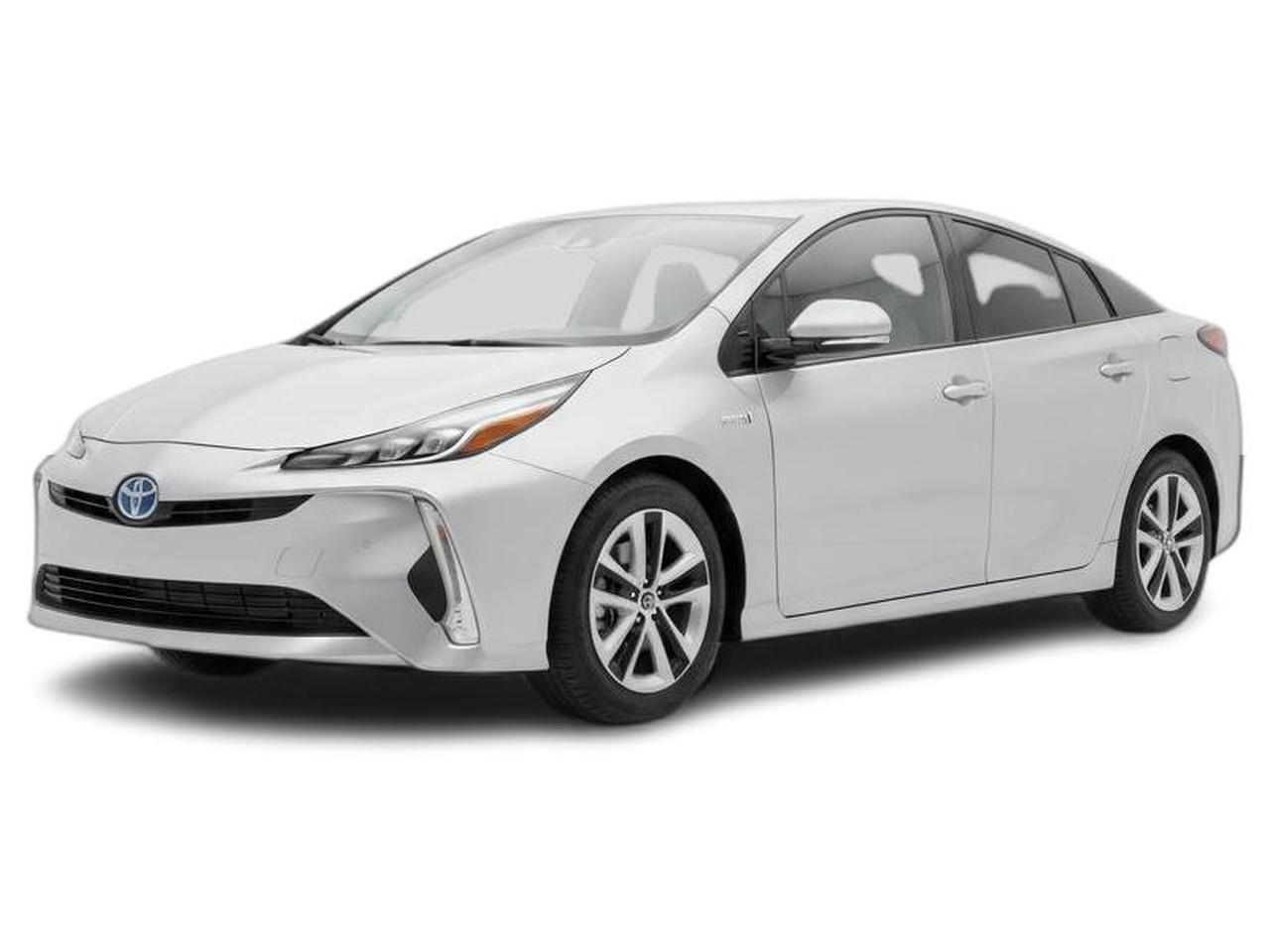
The Good
The 2026 Prius Prime excels in efficiency, offering substantial electric range for daily driving and impressive fuel economy overall. Its modern, aerodynamic design appeals to aesthetics, while proven Toyota reliability assures peace of mind. A comfortable interior and advanced tech features enhance the driving experience, delivering excellent value for eco-conscious buyers.
The Bad
While the 2026 Prius Prime boasts many strengths, potential buyers should be aware of its less potent acceleration compared to some competitors. Rear visibility can be somewhat compromised due to its sleek design, and the infotainment system, while functional, might not be as intuitive as some rivals' offerings.
2026 Toyota Prius Prime: Quick Overview
- Engine Options: The 2026 Toyota Prius Prime is expected to feature a 2.0-liter four-cylinder engine paired with electric motors and a lithium-ion battery.
- Horsepower: Combined system horsepower is anticipated to be around 220 hp, a significant increase from previous generations, offering more spirited performance.
- Fuel Economy: Estimated EPA ratings for the 2026 Prius Prime are very competitive. For pure electric range, expect an estimated 40-45 miles. Combined MPG when operating as a hybrid is projected to be in the range of 50-55 MPG. These figures can vary slightly by trim level and driving conditions.
- 0-60 Times: With the increased horsepower, the 0-60 mph acceleration is estimated to be in the low to mid-7-second range, a noticeable improvement that makes it more engaging to drive.
- Towing Capacity: The Prius Prime is not designed for towing. Its towing capacity is effectively 0 lbs.
- Trim-Level Features:
- LE: Typically includes 17-inch alloy wheels, an 8-inch touchscreen infotainment system with Apple CarPlay and Android Auto, Toyota Safety Sense 3.0 suite of driver-assistance features, cloth upholstery, and automatic climate control.
- SE: Builds upon the LE with larger 19-inch alloy wheels, synthetic leather upholstery, heated front seats, and potentially an upgraded sound system.
- XSE: The top trim usually adds features like a larger 12.3-inch infotainment display, a panoramic glass roof, power-adjustable front seats with memory settings, ambient interior lighting, and potentially a hands-free power liftgate. Advanced parking assist and a head-up display may also be available.
2026 Toyota Prius Prime Specifications
Vehicle Information
| Year | 2026 |
| Make | Toyota |
| Model | Prius Prime |
| Trim | - |
| Style | LE Hatchback FWD CVT 2.0L I4 |
| Type | Hatchback |
| Category | passenger |
Manufacturing Details
| Made In | Japan |
| Manufacturing City | TOYOTA |
Dimensions
| Doors | 4-Door |
| Curb Weight | 3450 pounds |
| Gross Vehicle Weight Rating | - |
| Overall Height | 57.9 inches |
| Overall Length | 182.9 inches |
| Overall Width | 71.3 inches |
| Wheelbase Length | 106.3 inches |
| Standard Seating | 5 |
Engine & Performance
| Engine | 2L I4 |
| Engine Size | 2L |
| Engine Cylinders | 4 |
| Transmission | Continuously Variable Transmission |
| Transmission Type | CVT |
| Transmission Speeds | 1-Speed |
| Drivetrain | Front-Wheel Drive |
Additional Features
| Anti-Brake System | 4-Wheel ABS |
| Steering Type | Rack & Pinion |
Pricing
| Manufacturer Suggested Retail Price (MSRP) | $29,900 |
| Invoice Price | $28,000 |
| Delivery Charges | $1,095 |
Vehicle History Report
Specifications
History
Events
History Check
Check
Check
Check
Check
Listings
Recalls
Check
Analysis
What Problems Does the 2026 Toyota Prius Prime Have?
How long will the 2026 Toyota Prius Prime last?
What Technology & Safety Features are Included?
Driver-assistance and safety features will be heavily emphasized, with Toyota Safety Sense 3.0 expected as standard across all trims. This advanced suite includes Pre-Collision System with Pedestrian Detection, Full-Speed Range Dynamic Radar Cruise Control, Lane Departure Alert with Steering Assist, Lane Tracing Assist, Road Sign Assist, and Automatic High Beams. Blind Spot Monitor with Rear Cross-Traffic Alert is typically available or standard on higher trims.
Optional features could include a panoramic glass roof for an airy cabin feel, a digital rearview mirror, a head-up display projecting critical information onto the windshield, and advanced parking assistance systems. Wireless smartphone charging will likely be a common convenience feature.
Regarding crash-test ratings, while official ratings for the 2026 model will come from the NHTSA and IIHS closer to its release, previous generations of the Prius and Prius Prime have consistently earned top marks. They have typically received a 5-star overall safety rating from NHTSA and been designated as Top Safety Picks or Top Safety Pick+ by the IIHS. This strong safety performance is attributed to its robust body structure and the comprehensive standard safety features.
What Colors Options are Available?
2026 Toyota Prius Prime Prices and Market Value
2026 Toyota Prius Prime Cost of Ownership
2026 Toyota Prius Prime Fuel Efficiency
2026 Toyota Prius Prime Insurance
reasonable repair costs.
How Does the 2026 Toyota Prius Prime Compare to Other Hatchback?
Performance: The 2026 Prius Prime, with its anticipated 220 hp, offers a significant improvement over previous generations and its direct competitors, which often hover around 140-180 hp. This makes the Prius Prime more engaging to drive and provides quicker acceleration than the Niro PHEV and many versions of the Ioniq PHEV. The Ford Escape PHEV might offer comparable power but in a different vehicle class (SUV).
Features: Toyota consistently equips the Prius Prime with a robust suite of standard safety and driver-assistance features (Toyota Safety Sense). Its standard technology is competitive, with available larger screens and premium audio. The Kia Niro PHEV also offers a good tech package and a practical interior. The Ioniq PHEV has been praised for its sleek design and tech, but may lag in standard safety features on lower trims.
Reliability: Toyota has a legendary reputation for reliability, especially with its hybrid systems. The Prius Prime is expected to continue this trend, generally outperforming many rivals in long-term durability studies. Kia's reliability has improved significantly, but Toyota still holds a slight edge in consumer perception and historical data.
Price: The Prius Prime's pricing, starting in the mid-$30,000s, is competitive. The Kia Niro PHEV often starts at a slightly lower price point, while the Ford Escape PHEV can be more expensive due to its SUV platform. The Hyundai Ioniq PHEV was similarly priced.
Alternatives:
* Similar: The Kia Niro Plug-in Hybrid is a strong contender, offering a more SUV-like stance and excellent practicality, though its electric range and power might be less than the Prius Prime.
* Consider: If outright electric range is the priority and charging infrastructure is readily available, a fully electric vehicle like the Hyundai Kona Electric or Chevrolet Bolt EUV could be considered, though they lack the gasoline backup.
* Alternative Style: For those preferring an SUV form factor with PHEV capability, the Ford Escape Plug-In Hybrid is a viable option, though typically more expensive and potentially less fuel-efficient than the Prius Prime.
Final Verdict: Is the 2026 Toyota Prius Prime a Good Hatchback?
It is definitely worth buying for individuals seeking a practical, stylish, and exceptionally economical vehicle. Buying new offers the latest technology and full warranty coverage, making it appealing for those who want peace of mind. However, purchasing a well-maintained, late-model used Prius Prime (e.g., 2023-2025) can offer significant savings and still provide many years of reliable service, especially considering its strong resale value. Opting for higher trims like the XSE provides a more premium experience with enhanced tech and comfort features, while lower trims like the LE offer a more budget-friendly entry point into the PHEV segment without sacrificing core efficiency and safety benefits.

Simon A
Simon is a contributor to VinCheck, where he provides articles and reviews on various automotive topics. His work focuses on delivering accurate and up-to-date information about used cars, helping readers make informed decisions.