by VIN, Year, Make, Model by License Plate

1999 Ford E-450 Overview, Reviews, Ratings & Specs

Rating: 0.00
Based on 0 Owner Reviews
Jovan | May 2, 2026
The 1999 Ford E-450 is a robust full-size van/chassis cab, part of Ford's highly successful E-Series lineup, which spanned from 1992 to 2014. Available primarily as a cutaway chassis or a passenger van, it offered immense versatility. Key trims were generally determined by GVWR (Gross Vehicle Weight Rating), with the E-450 typically representing the heavier-duty end. Pricing varied significantly based on configuration and upfitting, but new models ranged from approximately $25,000 to $35,000+ before specialized conversions. Its popularity stemmed from its legendary durability, powerful engine options, and adaptability for a multitude of commercial and recreational purposes, making it a workhorse for businesses and RV manufacturers alike.


The Good

The 1999 E-450 excels in rugged performance and unwavering reliability, offering a commanding presence that instills confidence. Its practical design prioritizes utility and durability, providing a solid foundation for demanding tasks, while its sheer capability delivers emotional satisfaction to owners who value a true workhorse.

The Bad

Potential buyers of a 1999 Ford E-450 should be aware of common issues like aging suspension components, potential for rust (especially in certain climates), and the wear and tear associated with high-mileage commercial use. Transmission longevity and electrical gremlins can also be areas to inspect.

1999 Ford E-450: Quick Overview

  • Engine Options: The 1999 Ford E-450 typically came with two primary engine choices:
    • 4.6L Triton V8
    • 5.4L Triton V8
    • (Diesel option might have been available in some configurations, but the V8 gasoline engines were most common for this model year in this GVWR class.)
  • Horsepower:
    • 4.6L V8: Approximately 215-225 horsepower
    • 5.4L V8: Approximately 235-255 horsepower
  • Fuel Economy: Fuel economy for vehicles in this class and weight range is generally poor. Expect figures around 10-14 MPG (miles per gallon) combined, heavily dependent on engine, payload, and driving conditions. Official EPA ratings for this specific year and configuration are scarce due to its commercial nature.
  • 0-60 Times: 0-60 mph times are not a primary consideration for the E-450 and are generally slow, often exceeding 15-20 seconds, especially when loaded.
  • Towing Capacity: Towing capacity is substantial and depends heavily on the specific configuration, rear axle ratio, and installed towing packages. When properly equipped, the E-450 chassis can tow upwards of 10,000 lbs, and in some RV configurations, even more when considering the Gross Combined Weight Rating (GCWR).
  • Trim-Level Features: The E-450 was less about traditional trim levels and more about its functional configuration. Key features would include:
    • Body Styles: Cutaway Chassis (for custom body builders, RVs, ambulances, etc.), Passenger Van (for larger groups).
    • GVWR: The E-450 designation signifies a higher Gross Vehicle Weight Rating, typically in the 14,050 lbs to 15,000 lbs range, allowing for greater payload and towing capabilities than lower E-Series models.
    • Drivetrain: Rear-wheel drive was standard.
    • Suspension: Heavy-duty suspension designed for load-bearing.
    • Interior: Basic, durable interiors focused on functionality, often with vinyl flooring and seating in commercial variants. Passenger versions offered more creature comforts suitable for extended travel.
    • Optional Features: Depending on the intended use, options could include upgraded audio systems, air conditioning, power windows/locks (less common in basic commercial builds), cruise control, and various upfitting packages for specific industries (e.g., shelving, liftgates, specialized seating).

1999 Ford E-450 Specifications

Vehicle Information
Year 1999
Make Ford
Model E-450
Trim -
Style -
Type Van
Category Cargo Van
Manufacturing Details
Made In United States
Manufacturing City LORAIN
Dimensions
Doors -
Curb Weight -
Gross Vehicle Weight Rating 16000 pounds
Overall Height -
Overall Length -
Overall Width -
Wheelbase Length -
Standard Seating -
Engine & Performance
Engine 7.3L V8
Engine Size 7.3L
Engine Cylinders 8
Transmission -
Transmission Type -
Transmission Speeds -
Drivetrain Rear-Wheel Drive
Additional Features
Anti-Brake System -
Steering Type -
Pricing
Manufacturer Suggested Retail Price (MSRP) -
Invoice Price -
Delivery Charges -

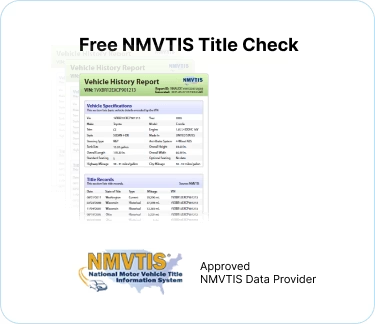
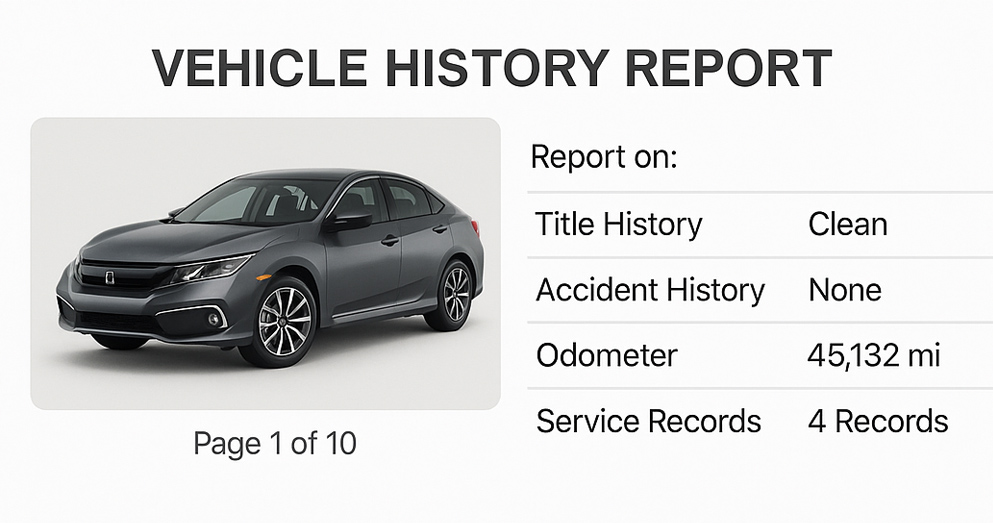
Vehicle History Report

Vehicle
Specifications
Ownership
History
All History
Events
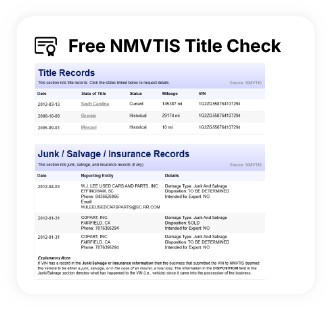
NMVTIS Title
History Check
Salvage/Rebuilt
Check
Accident
Check
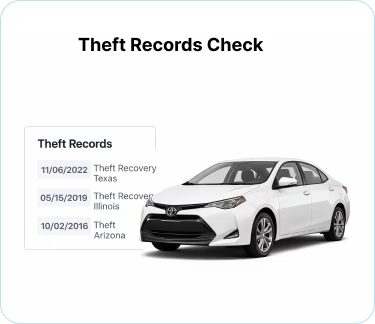
Theft
Check
Open Lien
Check
Past Sale
Listings
Safety
Recalls
Odometer
Check
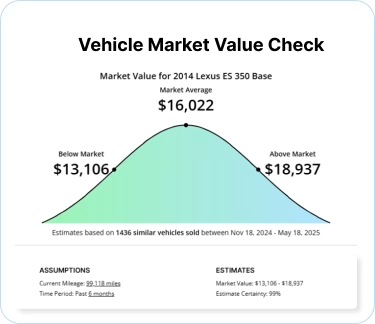
Market Price
Analysis

What Problems Does the 1999 Ford E-450 Have?

The 1999 Ford E-450, as part of the long-running E-Series generation, is generally considered a reliable platform, especially for its intended commercial applications. However, like any vehicle of this age, certain issues are more frequently reported by owners and mechanics. A primary concern often cited is related to the transmission, particularly the 4R70W or 4R100 automatic transmissions, which can experience wear over time, leading to slipping, delayed shifting, or outright failure if not properly maintained. Regular fluid changes are crucial to mitigate these issues.

Another area to watch for is the drivetrain, including the rear axle and driveshaft. Issues like worn U-joints, differential problems, or axle seal leaks can occur, especially on vehicles that have been heavily used for towing or hauling. For gasoline V8 engines (4.6L and 5.4L Triton), common problems can include intake manifold cracks leading to vacuum leaks and rough idling, or spark plug blowouts in earlier versions of the 5.4L. While the 1999 model year may have had some of these issues addressed, it's worth checking service history.

Corrosion is a significant concern, particularly for E-450s operating in rust-belt regions or coastal areas. Frame rust, body panel rust (especially around wheel wells, rocker panels, and door bottoms), and exhaust system corrosion are common. Electrical gremlins, though less frequent than mechanical issues, can also surface with age, such as problems with the alternator, battery charging system, or interior lighting and accessories.

Recalls for the 1999 E-450 are less common for widespread, model-specific defects compared to passenger cars, as many issues are related to the specific upfitting done by third-party manufacturers (e.g., RV conversions, shuttle bus bodies). However, it's always advisable to check the National Highway Traffic Safety Administration (NHTSA) database for any open recalls associated with the VIN. Long-term reliability is heavily dependent on maintenance history; a well-maintained E-450 can offer many more years of service, while a neglected one may present a cascade of problems. Owners often report that by addressing issues proactively and performing regular maintenance, the E-450 remains a dependable vehicle.

How long will the 1999 Ford E-450 last?

The 1999 Ford E-450 is renowned for its long-term durability, often serving its owners for well over 200,000 miles, and in many cases, exceeding 300,000 miles with diligent maintenance. The robust construction of the E-Series chassis and its powerful V8 engines are designed for longevity under demanding conditions. However, weaknesses that tend to emerge over time include wear on the transmission, suspension components (ball joints, tie rods, shocks), and the potential for rust, especially in areas exposed to salt or moisture. Brake system components also require regular attention due to the vehicle's weight. With consistent oil changes, transmission fluid flushes, and addressing any minor issues promptly, the E-450 can remain a workhorse for many years, showcasing Ford's engineering prowess in creating vehicles built to last.

What Technology & Safety Features are Included?

The 1999 Ford E-450 was not designed with the advanced technology and extensive driver-assistance suites found in modern vehicles. Its focus was squarely on utility, durability, and passenger or cargo capacity.

Tech and Entertainment: Built-in technology was rudimentary by today's standards. Standard entertainment typically consisted of an AM/FM radio, often with an optional cassette or CD player. Speaker systems were basic. Features like navigation, Bluetooth connectivity, or touchscreens were non-existent. The dashboard was functional, with clear analog gauges for speed, RPM, fuel, and engine temperature, along with indicator lights for various systems.

Driver-Assistance Features: Driver-assistance features were largely absent. Options might have included cruise control for easier highway driving. Parking aids like backup cameras or sensors were not factory options. The primary safety features relied on the driver's awareness and the vehicle's robust structure.

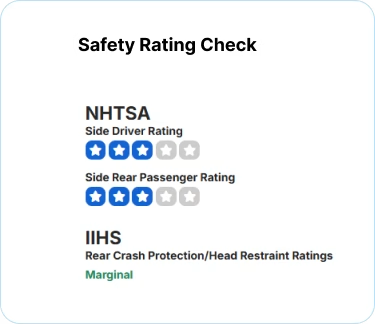
Safety Features: Standard safety equipment included front airbags for the driver and front passenger, anti-lock braking system (ABS) for enhanced stopping power, and seatbelts. The E-450's heavy-duty construction provided a significant degree of passive safety due to its sheer mass and robust frame. However, it's important to note that crash-test ratings for commercial vans like the E-450 are often not conducted or published by agencies like the IIHS or NHTSA in the same way as passenger cars, as their design parameters and intended use differ. Its safety was more about its inherent structural integrity and the basic active safety systems it possessed. Optional features were typically related to the specific upfitting for its intended commercial use (e.g., enhanced lighting for emergency vehicles, heavy-duty seat options).

What Colors Options are Available?

We’re working on this section!
In the meantime, feel free to explore the other sections for more content.

1999 Ford E-450 Prices and Market Value

When new in 1999, the Ford E-450 chassis cab or passenger van typically started in the range of $25,000 to $35,000, with prices escalating significantly based on specific configurations and specialized upfitting (like RV conversions, ambulance packages, or commercial van bodies).

Currently, the used market prices for a 1999 Ford E-450 vary widely, from as low as $2,000-$5,000 for high-mileage or project vehicles to $10,000-$20,000+ for well-maintained RV conversions or specialized commercial units in good condition.

Depreciation is substantial for the base chassis, but the value is often tied to the cost and condition of the conversion or upfit. Factors affecting resale value include the overall condition, mileage, maintenance history, presence of rust, and the utility or desirability of its specialized body (e.g., a functional RV conversion versus a basic cargo van).

1999 Ford E-450 Cost of Ownership

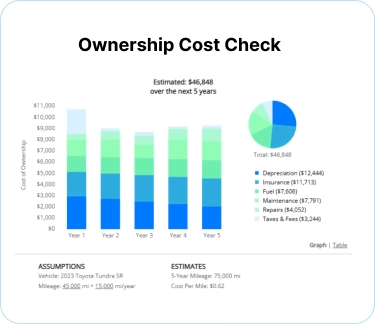
Owning a 1999 Ford E-450 can be economical or costly depending on its use and maintenance. Fuel costs will be significant due to its size and engine, with MPG typically in the 10-14 range. Insurance rates vary greatly based on its classification (personal use RV vs. commercial van) and the driver's record, but can be higher than for a passenger car. Maintenance and repair costs can be moderate to high, as parts are readily available but labor for complex jobs can add up. However, its robust construction means many components are built to last. Overall, while fuel is a significant expense, proactive maintenance can keep long-term repair costs manageable, making it a reasonably cost-effective workhorse if acquired at a fair price and used appropriately.

1999 Ford E-450 Fuel Efficiency

Fuel Type Diesel
Fuel Capacity -
City Mileage -
Highway Mileage -

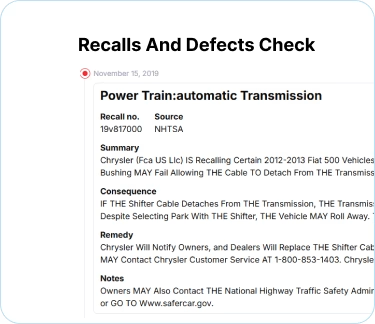
1999 Ford E-450 Recalls & Defects

Vehicle Speed Control
Recall date 2006-08-01
Recall no. 06v286000
Source NHTSA
Summary ON Certain Trucks Equipped With Speed Control, Gasoline or Natural GAS Engines, THE Speed Control Deactivation Switch MAY Overheat.
Consequence Overheating Could Result IN Smoke or Burn and AN Underhood Fire.
Remedy Dealers Will Install A Fused Wiring Harness Into THE Speed Control System Free OF Charge. THE Recall Began ON August 7, 2006. Owners MAY Contact Ford AT 1-866-436-7332. (Note: Also SEE Recalls 05v017 and 05v388)
Notes Ford Recall NO. 05s28.customers MAY Also Contact THE National Highway Traffic Safety Administration's Vehicle Safety Hotline AT 1-888-327-4236 (Tty 1-800-424-9153), or GO TO Http://Www.safercar.gov.
Vehicle Speed Control
Recall date 2009-10-13
Recall no. 09v399000
Source NHTSA
Summary Ford IS Recalling Model Years 1995-2003 Windstar, 2000-2003 Excursion Diesel, 1993-1997 and 1999-2003 F-250 SD Through F-550 SD Diesel, 1992-2003 E-150 Through E-550, 1995-2002 Explorer, 1997 and 2002 Mercury Mountaineer, 1995-1997 and 2001-2003 Ranger, and 1994 F53 Vehicles Equipped With THE Texas Instruments Speed Control Deactivation Switch (Scds). THE Scds MAY Leak Internally and Then Overheat, Smoke, or Burn.
Consequence A Vehicle Fire Could Occur With or Without THE Engine Running.
Remedy Ford Will Notify Owners That Dealers Will Install A Fused Wiring Harness IN Line With THE Scds. ON 1999-2003 Windstar Vehicles With A Leaking Scds, Dealers Will Also Inspect THE ABS Control Module Connector and Repair AS Necessary. Repairs Will BE Completed Free OF Charge. THE Safety Recall Began ON October 27, 2009. Owners MAY Contact Ford AT 1-888-222-2751.
Notes Ford's Recall Campaign Number IS 09s09.owners MAY Also Contact THE National Highway Traffic Safety Administration's Vehicle Safety Hotline AT 1-888-327-4236 (Tty 1-800-424-9153), or GO TO <A Href=http://Www.safercar.gov>http://www.safercar.gov</a> .

1999 Ford E-450 Warranty

Basic
Original warranty 0 months / No data
Estimated remaining Expired
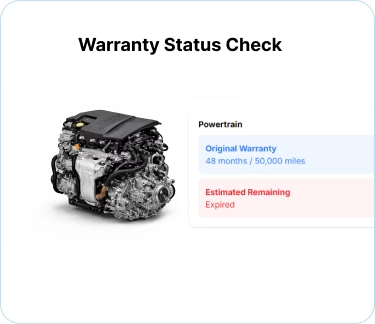
Powertrain
Original warranty 0 months / No data
Estimated remaining Expired
Rust
Original warranty 0 months / No data
Estimated remaining Expired

1999 Ford E-450 Insurance

Insurance for a 1999 Ford E-450 is moderately priced, reflecting its status as a Van with strong safety ratings and
reasonable repair costs.

How Does the 1999 Ford E-450 Compare to Other Van?

The 1999 Ford E-450 competed in a niche segment, primarily against other heavy-duty van chassis and full-size vans from American manufacturers. Its main rivals would have included:

Chevrolet Express / GMC Savana (G-Series Vans): In 1999, GM's full-size vans were also well-established. Performance was comparable, with similar V8 engine options (e.g., 5.7L Vortec V8). Reliability of the GM vans was also strong, though some owners reported different sets of common issues compared to Ford. Features were generally in the same utilitarian category. Price-wise, they were competitive. For those seeking a similar capability but perhaps a different driving feel or specific engine preference, these were direct alternatives.

Dodge Ram Van / Ram Wagon: Dodge's offering in this class was also a strong contender. Performance and reliability were generally good, with strong V8 engines. However, the Ram Vans were often considered to have a slightly less refined interior and potentially more issues with rust compared to their Ford and GM counterparts by some metrics.

Class A Motorhome Chassis (e.g., Fleetwood, Winnebago chassis): If considering the E-450 as an RV chassis, its direct competitors were specialized chassis built by motorhome manufacturers themselves, or chassis from companies like Workhorse. These often offered more heavy-duty components specifically for RV living, but at a higher initial cost.

Alternatives:
If the primary need is cargo hauling or passenger transport and the extreme GVWR of the E-450 isn't strictly necessary, a 1999 Ford E-350, Chevrolet Express 3500, or GMC Savana 3500 would offer similar functionality at a potentially lower cost and slightly better fuel economy.

For those looking for modern features, improved safety, and better fuel efficiency, any newer model year of the Ford E-Series (up to 2014), or newer vans like the Ford Transit, Mercedes-Benz Sprinter, or Ram ProMaster (though these are typically unibody or lighter-duty for the ProMaster) would be significantly better, but come at a much higher price point. The E-450 of 1999 remains a champion of raw capability and simplicity for specific heavy-duty tasks where cost-effectiveness and ruggedness are paramount.

Final Verdict: Is the 1999 Ford E-450 a Good Van?

The 1999 Ford E-450 is ideal for individuals or businesses requiring a no-nonsense, heavy-duty vehicle for specialized purposes such as RV conversions, utility work, shuttle services, or as a base for custom builds. It is best suited for buyers who prioritize raw capability, durability, and a lower initial purchase price over modern amenities, fuel efficiency, or advanced technology.

It is absolutely worth buying if you find a well-maintained example, especially one with a desirable upfit like an RV body, and your needs align with its strengths. A thorough inspection, particularly for rust and transmission health, is crucial. Buying used is the only option. Specific trims are less relevant than the overall condition and the quality of any conversion. For those needing a rugged, adaptable platform for demanding tasks and who understand its operational characteristics, the 1999 E-450 remains a capable and potentially economical choice, provided it has been cared for.

1999 Ford E-450 Owner Reviews

0.00
Consumer Rating, Based on 0 Consumer Reviews
Overall rating
Cancel
Thank You for Your Review!

We truly appreciate the time and effort you took to share your experience with us.

Uh oh!

Something went wrong, please try again later.

Author Image
Jovan

Jovan specializes in interpreting vehicle records and making sense of VIN data. With over 10 years of experience in the automotive data industry, his work ensures that every report is clear, accurate, and useful for car buyers.