by VIN, Year, Make, Model by License Plate

1986 Kenworth W900 Overview, Reviews, Ratings & Specs

Rating: 0.00
Based on 0 Owner Reviews β–Ά
Jovan | June 9, 2026
The 1986 Kenworth W900 is an iconic Class 8 conventional truck, a staple in long-haul trucking since its introduction. Known for its distinct aerodynamic hood and robust build, it typically features a traditional cab-over-engine (COE) or a conventional sleeper configuration. While exact model years are fluid for such workhorses, the W900 lineage spans decades. Its enduring popularity stems from its legendary durability, driver comfort, and customizable options, making it a favorite for owner-operators and fleets seeking dependable performance.

The Good

The 1986 Kenworth W900 excels in raw performance and unparalleled reliability, offering drivers a comfortable, commanding presence. Its classic, timeless design appeals to pride, while its robust engineering assures practical, long-term value and operational efficiency for any fleet.

The Bad

Owners of a 1986 Kenworth W900 should be vigilant about potential rust, particularly around the cab and frame rails. Electrical system gremlins and aging suspension components can also surface. Regular maintenance is crucial to mitigate wear and tear on older drivetrains.

1986 Kenworth W900: Quick Overview

  • Engine Options: The 1986 Kenworth W900 was offered with a range of powerful diesel engines. Common choices included Cummins NTC series (e.g., NTC-400, NTC-475), Caterpillar 3406 series, and Detroit Diesel Series 60 engines. These were typically inline-six cylinder configurations designed for heavy-duty applications.
  • Horsepower: Horsepower ratings varied significantly depending on the specific engine and tuning. For Cummins engines, figures could range from approximately 350 hp to over 500 hp. Caterpillar engines offered similar power bands, often in the 350 hp to 450 hp range. Detroit Diesel Series 60 engines could also deliver comparable power outputs.
  • Fuel Economy: Fuel economy for a Class 8 truck like the 1986 W900 is highly dependent on engine choice, gearing, load, terrain, and driving habits. A reasonable expectation for a well-maintained W900 in its era might be in the range of 4 to 6 miles per gallon (MPG).
  • 0-60 Times: 0-60 mph times are not a primary metric for heavy-duty trucks. These vehicles are designed for sustained hauling, not rapid acceleration. Acceleration would be very slow, often taking well over a minute to reach highway speeds when fully loaded.
  • Towing Capacity: The towing capacity of the 1986 Kenworth W900 is substantial and depends on the specific chassis configuration, axle ratings, and kingpin weight. These trucks are designed to haul a Gross Combination Weight Rating (GCWR) of 80,000 pounds (36,287 kg) or more, often exceeding 100,000 pounds (45,359 kg) for specialized heavy haul applications with appropriate configurations.
  • Trim-Level Features: The concept of distinct 'trim levels' as found in passenger cars is less applicable to commercial trucks like the W900. Instead, features were highly customizable through options and specifications. Key areas of choice included:
    • Cab Configurations: Aerodyne, Flat Top, and various sleeper sizes (e.g., 40", 60", 80" sleeper cabs) offering different living and storage spaces.
    • Interior Appointments: Options for upgraded upholstery (e.g., fabric, vinyl), enhanced insulation, improved seating (e.g., air-ride seats), and additional amenities like refrigerators or cabinetry in sleeper cabs.
    • Suspension: Various suspension systems were available, including air-ride suspensions (e.g., Kenworth Airglide) for improved ride quality and load protection, and heavy-duty leaf spring suspensions.
    • Axle and Drivetrain: Different axle ratios and configurations (e.g., single rear axle, tandem rear axles) were chosen based on intended use.
    • Braking Systems: Air brakes were standard, with options for anti-lock braking systems (ABS) becoming more prevalent.
    • Wheels and Tires: A wide array of wheel and tire combinations were available to suit specific operational needs.

    Each W900 was largely built to order, making specifications highly individualized.

1986 Kenworth W900 Specifications

Vehicle Information
Year 1986
Make Kenworth
Model W900
Trim -
Style -
Type Truck
Category Heavy Truck
Manufacturing Details
Made In Canada
Manufacturing City MONTREAL
Dimensions
Doors -
Curb Weight -
Gross Vehicle Weight Rating 57000 pounds
Overall Height -
Overall Length -
Overall Width -
Wheelbase Length -
Standard Seating -
Engine & Performance
Engine 14.6L I6
Engine Size 14.6L
Engine Cylinders 6
Transmission -
Transmission Type -
Transmission Speeds -
Drivetrain 6x4
Additional Features
Anti-Brake System -
Steering Type -
Pricing
Manufacturer Suggested Retail Price (MSRP) -
Invoice Price -
Delivery Charges -

Vehicle History Report

Vehicle
Specifications
Ownership
History
All History
Events
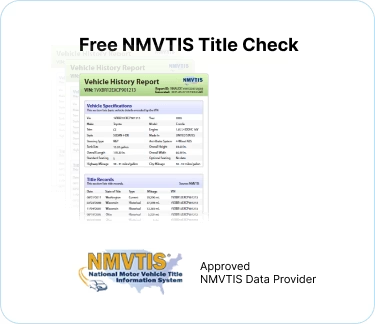
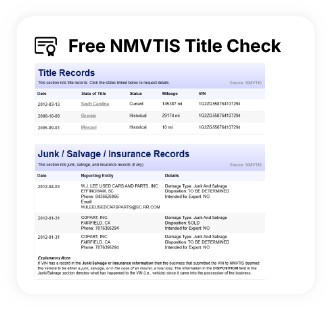
NMVTIS Title
History Check
Salvage/Rebuilt
Check
Accident
Check
Theft
Check
Open Lien
Check
Past Sale
Listings
Safety
Recalls
Odometer
Check
Market Price
Analysis

What Problems Does the 1986 Kenworth W900 Have?

The 1986 Kenworth W900, being a robust commercial vehicle, generally exhibits strong long-term reliability. However, as with any vehicle of this age, certain areas require attention.

Commonly Reported Issues:
  • Corrosion: A prevalent concern across many vehicles from this era, especially those operating in harsh climates or coastal regions, is rust. The chassis frame rails, cab mounts, and wheel wells are particularly susceptible. This can compromise structural integrity and require significant repair.
  • Electrical System: Older electrical systems can develop issues over time. This might include intermittent functionality of lights, gauges, or accessories. Wiring harnesses can degrade, leading to shorts or open circuits. Faulty alternators, starters, and batteries are also common wear items.
  • Air System Leaks: The pneumatic brake and suspension systems, while generally reliable, can develop air leaks due to aging seals, hoses, and valves. This can lead to issues with braking performance or ride height.
  • Engine and Drivetrain Wear: While the core engines (Cummins, Caterpillar, Detroit Diesel) are built for longevity, components like turbochargers, fuel injectors, and exhaust systems can require maintenance or replacement over hundreds of thousands of miles. Clutches and transmissions, especially in manual configurations, will also experience wear.
  • Suspension Components: Bushings, shock absorbers, and air springs in the suspension can wear out, leading to a less comfortable ride, increased tire wear, and potential handling issues.
  • Cooling System: Radiators can develop leaks, and water pumps and thermostats can fail over time, leading to overheating issues if not addressed.

Recalls:
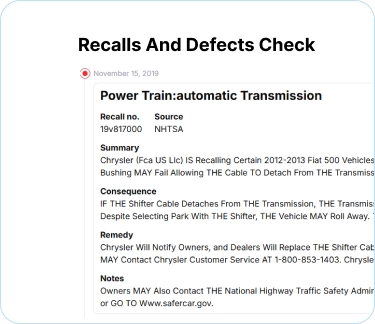
Specific recalls for a 1986 model year are less likely to be readily available in general databases due to the age of the vehicle and potential updates or modifications over its operational life. Manufacturers typically issue recalls for defects that pose a safety risk. Owners should consult Kenworth or the relevant engine manufacturer's service bulletins for any potential recalls that might have applied or for information on extended service campaigns.

Long-Term Reliability Concerns:
The primary long-term reliability concern for a 1986 W900 is not usually catastrophic failure of the core components, but rather the cumulative effect of wear and tear on numerous smaller parts and systems. The ability to source replacement parts for older, less common configurations can also become a factor. Regular, proactive maintenance and a thorough inspection process are critical for ensuring continued reliable service. Model year specific issues are difficult to pinpoint without extensive historical data, but general age-related degradation is the most significant factor.

How long will the 1986 Kenworth W900 last?

The 1986 Kenworth W900 is renowned for its exceptional longevity, often exceeding 1 million miles with proper care. Owner data and typical maintenance habits suggest these trucks can serve for 15-25 years or more. The core engine and chassis are incredibly durable. However, weaknesses emerge over time in areas like electrical components, seals, and paint/bodywork due to environmental exposure and constant use. With diligent maintenance, addressing minor issues before they become major, the W900's long-term durability is truly impressive, making it a vehicle that can last for decades.

What Technology & Safety Features are Included?

The 1986 Kenworth W900, by modern standards, is a minimalist in terms of technology, driver assistance, and entertainment features. In 1986, the focus for commercial vehicles was primarily on functionality, durability, and operational efficiency, rather than advanced electronic suites.

Built-in Tech: The technology present would be functional and utilitarian. This typically included a robust analog gauge cluster displaying essential information like engine RPM, speed, oil pressure, coolant temperature, and fuel level. Warning lights for critical systems were standard. Basic radio systems (AM/FM, sometimes with a cassette player) were optional entertainment features. HVAC controls were manual.

Driver-Assistance Features: Driver-assistance features as we understand them today (like adaptive cruise control, lane departure warnings, or automatic emergency braking) were virtually nonexistent in 1986 commercial trucks. The primary 'assistance' came from the truck's design itself – the commanding view from the elevated cab, power steering, and responsive air brakes.

Safety Features: Standard safety features would have included heavy-duty air brakes, reinforced cab structures, and seat belts. Optional safety equipment might have included things like anti-lock braking systems (ABS), which were beginning to appear on heavy-duty trucks around this time, though not universally standard. Mirrors were designed to provide maximum visibility.

Optional Features: Many comfort and convenience features were optional, allowing owners to customize their trucks. These could include upgraded interior trim, air-ride seats for improved driver comfort during long hauls, power windows and locks (though less common than today), and auxiliary heating/cooling units for the sleeper. High-quality lighting systems, both for visibility and aesthetics, were also a point of customization.

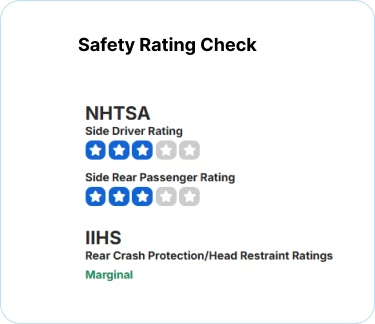
Crash-Test Ratings: Specific, publicly available crash-test ratings for commercial trucks from 1986, in the same vein as passenger car ratings from agencies like the NHTSA or IIHS, are generally not available. Commercial trucks undergo different types of testing focused on structural integrity under heavy loads and occupant protection in severe impact scenarios. The design philosophy of the W900 emphasized a strong frame and cab to withstand the rigors of commercial transport.

What Colors Options are Available?

✨
We’re working on this section!
In the meantime, feel free to explore the other sections for more content.

1986 Kenworth W900 Prices and Market Value

In 1986, a new Kenworth W900 could have a base price starting anywhere from $80,000 to $120,000 USD, with fully optioned models easily exceeding $150,000, depending heavily on engine, drivetrain, and sleeper configuration. These were significant investments.

Current used market prices for a 1986 Kenworth W900 vary dramatically. Well-maintained, lower-mileage examples with desirable configurations can fetch anywhere from $25,000 to $70,000+, especially if they are in excellent condition or have been meticulously restored. Project trucks or those with significant wear may be available for $10,000 to $25,000.

Depreciation on these trucks is quite different from passenger vehicles. While they do depreciate from their original MSRP, their robust construction and iconic status mean that well-maintained units hold their value exceptionally well, particularly in the specialized heavy-duty truck market. Factors affecting resale value include mileage, overall condition, maintenance history, engine and transmission type, tire condition, and the presence of desirable options like large sleeper cabs or specialized equipment. Many W900s continue to work for a living, so operational capability is key.

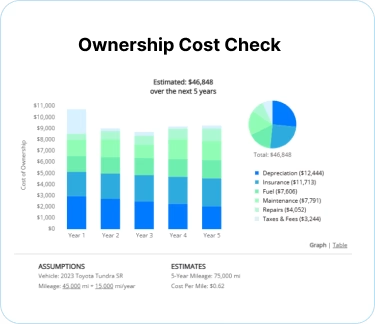
1986 Kenworth W900 Cost of Ownership

Owning a 1986 Kenworth W900 involves significant costs. Insurance premiums for commercial vehicles are substantial, reflecting their high value and operational risk. Fuel is a major expense, with MPG typically ranging from 4-6. Maintenance and repair costs can be considerable; while durable, older trucks require ongoing attention to systems like engines, transmissions, brakes, and electricals. Specialized diesel mechanics are often needed. Sourcing parts for older models can also add to repair expenses. Overall, the 1986 Kenworth W900 is a costly vehicle to own and operate, primarily due to fuel, insurance, and potential repair expenditures, but its earning potential as a workhorse often justifies the investment for its owners.

1986 Kenworth W900 Fuel Efficiency

Fuel Type Diesel
Fuel Capacity -
City Mileage -
Highway Mileage -

1986 Kenworth W900 Warranty

Basic
Original warranty 0 months / No data
Estimated remaining Expired
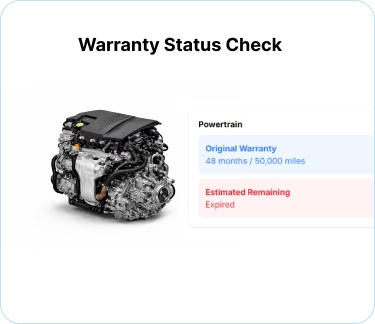
Powertrain
Original warranty 0 months / No data
Estimated remaining Expired
Rust
Original warranty 0 months / No data
Estimated remaining Expired

1986 Kenworth W900 Insurance

Insurance for a 1986 Kenworth W900 is moderately priced, reflecting its status as a Truck with strong safety ratings and
reasonable repair costs.

How Does the 1986 Kenworth W900 Compare to Other Truck?

The 1986 Kenworth W900 competed in the premium segment of Class 8 conventional trucks against formidable rivals like Peterbilt 379, Freightliner FLC120, and Mack R-Model.

Performance: In terms of performance, the W900 was known for its powerful engine options and robust chassis, delivering excellent hauling power. Peterbilt 379s often offered similar engine choices and comparable on-road performance. Freightliner FLC120s, while often more budget-friendly, sometimes lagged slightly in terms of raw power and driver refinement compared to Kenworth and Peterbilt. Mack R-Models were lauded for their durability and torque, particularly in vocational applications.

Features: Kenworth and Peterbilt were at the forefront of driver comfort and customization in this era. Both offered a wide array of options for sleeper cabs, interior amenities, and suspension systems, allowing owners to spec their trucks for long-haul comfort. Freightliner often focused on a more value-oriented approach, offering fewer luxury features but robust functionality. Mack R-Models were typically more utilitarian in their feature sets, prioritizing strength over creature comforts.

Reliability: Kenworth and Peterbilt shared a reputation for exceptional reliability and durability, often considered the gold standard for long-haul operations. Their build quality and heavy-duty components contributed to impressive lifespans. Mack also had a strong reputation for reliability, especially in demanding applications. Freightliner trucks from this era were generally reliable but might have seen more frequent minor issues compared to the premium brands.

Price: Kenworth and Peterbilt were typically positioned at the higher end of the price spectrum, reflecting their premium build quality and brand prestige. Freightliner trucks were generally more competitively priced, offering a better value proposition for those with tighter budgets. Mack R-Models often sat in the middle, offering a balance of price and performance.

Alternatives:
  • Similar: The Peterbilt 379 is the most direct competitor, offering a very similar blend of performance, comfort, and reliability, often with a slightly different aesthetic appeal.
  • Similar: The Mack R-Model is another excellent alternative, particularly if durability in more challenging environments is prioritized.
  • Slightly More Value-Oriented: The Freightliner FLC120 or comparable models from that era could be a suitable alternative if budget is a primary concern, though potentially with fewer premium features.

Choosing between these often comes down to brand loyalty, specific dealer support, and the exact configuration available. For a 1986 W900, its strong resale value and enduring appeal are testaments to its standing among these heavy-hitters.

Final Verdict: Is the 1986 Kenworth W900 a Good Truck?

The 1986 Kenworth W900 is ideal for experienced owner-operators, fleet owners prioritizing proven durability, or vintage truck enthusiasts who appreciate iconic American engineering. It is absolutely worth buying if you prioritize legendary reliability, a commanding presence, and a truck that can continue to work or be a showpiece for years to come.

Buying used is the only option, and condition is paramount. Look for trucks with thorough maintenance records, minimal rust, and well-maintained drivetrains. Specific trims with larger sleeper cabs are better suited for long-haul drivers. While it requires a significant commitment to ongoing maintenance and potential repairs due to its age, a well-chosen 1986 W900 offers unmatched value in terms of longevity and operational capability for those willing to invest in its upkeep.

1986 Kenworth W900 Owner Reviews

0.00
Consumer Rating, Based on 0 Consumer Reviews
Overall rating
Cancel
Thank You for Your Review!

We truly appreciate the time and effort you took to share your experience with us.

Uh oh!

Something went wrong, please try again later.

Author Image
Jovan

Jovan specializes in interpreting vehicle records and making sense of VIN data. With over 10 years of experience in the automotive data industry, his work ensures that every report is clear, accurate, and useful for car buyers.