The 2012 Ford E-450 is a commercial workhorse, part of Ford's venerable E-Series (Econoline) lineup, which boasts a rich history in the commercial vehicle segment. Primarily offered as a cutaway chassis or commercial van, it served as the robust foundation for countless custom upfits like shuttle buses, ambulances, RVs, and box trucks. Its model years span decades, with the 2012 representing a mature, highly capable platform before the E-Series largely transitioned out of the full-size van market. Key trims focus on functionality, often described as a "Stripped Chassis." New pricing for the chassis typically ranged from $30,000 to $45,000. It stands out for its exceptional durability, robust body-on-frame design, and powerful engine options, making it immensely popular for heavy-duty commercial and recreational uses requiring unwavering reliability and high payload capacity.
The Good
The 2012 Ford E-450 boasts powerful performance ideal for heavy hauling and towing, combined with legendary reliability from its proven mechanicals. Its robust, utilitarian design offers immense versatility for custom upfits, appealing to practical buyers needing a dependable work platform. Emotionally, it inspires confidence as a steadfast, "no-nonsense" vehicle built to get the job done. While not a fuel efficiency leader, its strong value proposition, relatively low maintenance needs for a heavy-duty vehicle, and exceptional longevity make it a smart, long-term investment for any fleet or individual requiring serious capability.
The Bad
Known weaknesses of the 2012 Ford E-450 include its notoriously poor fuel economy and a dated, utilitarian interior design that prioritizes function over comfort. The ride quality can be firm, especially when unladen, and its truck-like handling requires adjustment. Potential issues to watch out for include rust on the frame or body in neglected units, and accelerated wear on brakes or suspension components due to its heavy-duty usage. Emissions system problems, particularly with gasoline variants as they age, can also lead to costly repairs.
2012 Ford E-450: Quick Overview
The 2012 Ford E-450, a dedicated commercial chassis, offers robust specifications tailored for heavy-duty applications. Its primary engine options include:
- Engine Options: The dominant powerplant is the 6.8L Triton V10 gasoline engine. A 5.4L Triton V8 gasoline engine was also available, though less common for the E-450's higher GVWRs. Diesel options, such as the 6.0L Power Stroke V8, were largely phased out for new E-Series chassis in favor of gasoline for this weight class by 2012, or newer Power Strokes for the Super Duty line.
- Horsepower: The 6.8L V10 typically produced around 305 horsepower and 420 lb-ft of torque. The 5.4L V8 offered approximately 255 horsepower and 350 lb-ft of torque.
- Fuel Economy: Official EPA ratings are not available due to its commercial "incomplete vehicle" status and wide range of upfits. Owners can expect single-digit to low-teen miles per gallon; roughly 8-12 MPG combined for the V10, and perhaps 10-14 MPG for the V8, depending heavily on load and driving conditions.
- 0-60 Times: Performance metrics like 0-60 mph times are not published or relevant for this heavy-duty work vehicle. Acceleration is geared towards moving heavy loads, not speed, typically taking 10-15 seconds or more, depending on load.
- Towing Capacity: The towing capacity is impressive and highly variable based on the specific chassis configuration, axle ratio, and upfit. Conventional towing capacities can range from 8,000 lbs to over 10,000 lbs. Its Gross Vehicle Weight Rating (GVWR) is typically 14,500 lbs, with Gross Combined Weight Ratings (GCWR) often exceeding 20,000 lbs, depending on configuration.
- Trim-Level Features: The E-450 was primarily sold as a "Stripped Chassis" or "Cutaway" for commercial outfitters. Standard features emphasized utility and durability, including heavy-duty suspension, large braking systems, power steering, and anti-lock brakes (ABS). Interior amenities were sparse but functional: vinyl seats, a basic AM/FM stereo, and air conditioning. Optional features catered to commercial needs, such as cruise control, power windows and door locks (less common on bare chassis), limited-slip differentials, various axle ratios, heavy-duty alternators, and specific preparation packages for ambulance or shuttle bus conversions. Dual rear wheels were standard for the E-450 to support its high GVWR. The focus was entirely on functionality, robustness, and ease of maintenance, with a very spartan dash layout and durable materials.
2012 Ford E-450 Specifications
Vehicle Information
| Year | 2012 |
| Make | Ford |
| Model | E-450 |
| Trim | - |
| Style | - |
| Type | Van |
| Category | Medium Truck |
Manufacturing Details
| Made In | United States |
| Manufacturing City | AVON LAKE |
Dimensions
| Doors | - |
| Curb Weight | - |
| Gross Vehicle Weight Rating | - |
| Overall Height | - |
| Overall Length | - |
| Overall Width | - |
| Wheelbase Length | - |
| Standard Seating | - |
Engine & Performance
| Engine | 5.4L V8 |
| Engine Size | 5.4L |
| Engine Cylinders | 8 |
| Transmission | - |
| Transmission Type | - |
| Transmission Speeds | - |
| Drivetrain | Rear-Wheel Drive |
Additional Features
| Anti-Brake System | - |
| Steering Type | - |
Pricing
| Manufacturer Suggested Retail Price (MSRP) | - |
| Invoice Price | - |
| Delivery Charges | - |
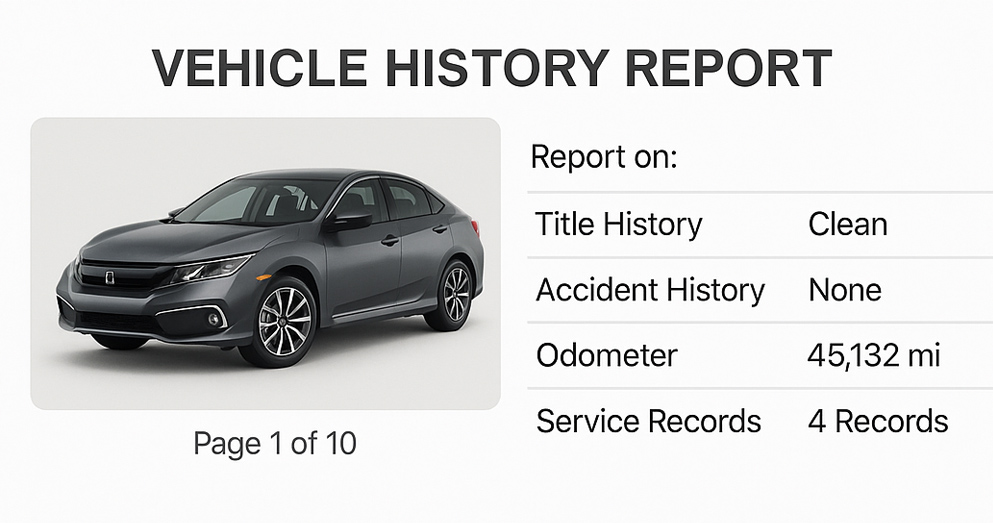
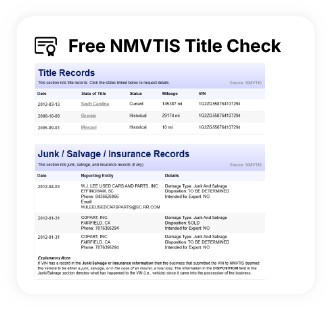
Vehicle History Report
Specifications
History
Events
History Check
Check
Check
Check
Check
Listings
Recalls
Check
Analysis
What Problems Does the 2012 Ford E-450 Have?
The 2012 Ford E-450, while generally lauded for its durability, is not without its frequently reported problems and long-term reliability concerns, especially given its intended heavy-duty commercial usage. Owners should be vigilant about several areas.
Engine Issues: The dominant 6.8L Triton V10 gasoline engine is known for its robust power, but common issues can include exhaust manifold leaks due to broken studs, particularly at higher mileages. Coil-on-plug (COP) failures are also relatively frequent, leading to misfires and requiring replacement. While spark plug ejection issues were more common in earlier V10 designs, they can still occasionally occur in the 2012 model if maintenance is neglected. For the less common 5.4L V8, timing chain noise and phaser problems are noted at higher mileages.
Transmission: The 5R110W TorqShift automatic transmission is generally robust. However, under constant heavy loads, inadequate maintenance, or severe operating conditions, issues such as torque converter shudder or delayed/harsh shifting can emerge. Regular fluid and filter changes are paramount for its longevity.
Brakes, Suspension, and Steering: Due to the constant high Gross Vehicle Weight Rating (GVWR) and heavy use, brake components (pads, rotors, calipers) experience significant wear and require frequent inspection and replacement. Suspension components like ball joints, tie rod ends, and shock absorbers, along with the steering box, are also prone to wear over high mileage, affecting handling and ride quality.
Rust: Body and frame rust is a significant long-term concern, particularly in regions that use road salt. Critical areas to inspect include the frame rails, body mounts, fuel tank straps, and floor pans, especially on upfitted vehicles where moisture might be trapped.
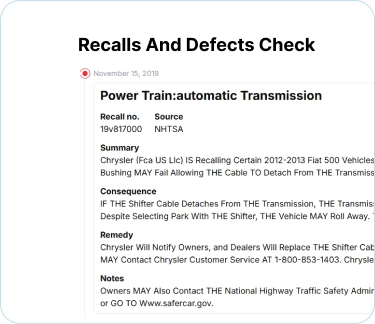
Recalls: Several recalls affected the 2012 E-Series platform. Notable ones include:
- NHTSA Campaign Number: 14V492000 (September 2014): Concerns regarding the trailer brake controller potentially not adequately applying trailer brakes.
- NHTSA Campaign Number: 12V394000 (August 2012): A critical recall addressing a potential rear axle shaft fracture, which could lead to a loss of drive power or vehicle control.
- NHTSA Campaign Number: 12V357000 (July 2012): Involved reduced braking capacity due to a fluid leak.
Owners should check the vehicle's VIN against NHTSA's database to ensure all applicable recalls have been addressed. Overall, the E-450's long-term reliability is strong when properly maintained, but its commercial nature means it often endures tougher use than passenger vehicles, leading to accelerated wear on components.
How long will the 2012 Ford E-450 last?
The 2012 Ford E-450 is renowned for its exceptional long-term durability, often serving well beyond typical passenger vehicles. With diligent maintenance, these commercial workhorses commonly achieve average mileages of 250,000 to 350,000 miles. Many E-450s in fleet operations, where strict maintenance schedules are adhered to, are known to push past 400,000 or even 500,000 miles, offering 15-20+ years of reliable service. This longevity is a testament to its heavy-duty construction and robust powertrain components.
Over time, the primary long-term weaknesses include the pervasive issue of rust, particularly on the frame, brake lines, and body panels, especially in regions exposed to road salt. Drivetrain and suspension components like ball joints, U-joints, and differential parts will inevitably wear under continuous heavy loads, requiring eventual replacement. While the V10 engine and TorqShift transmission are very robust, diligent fluid changes are crucial for extending their life. Electrical components, though generally simple, can also show age with brittle wiring or sensor failures, leading to intermittent issues as the vehicle approaches very high mileage.
What Technology & Safety Features are Included?
The 2012 Ford E-450, designed as a utilitarian commercial chassis, features a very spartan array of built-in technology, entertainment, and driver-assistance systems. Its focus is entirely on functionality and robustness rather than creature comforts or advanced digital integration, reflecting its role as a workhorse.
Built-in Tech and Entertainment: Standard entertainment consists of a basic AM/FM stereo, often with an auxiliary input jack and sometimes a single CD player. There are no advanced infotainment screens, navigation systems, or smartphone integration like Apple CarPlay or Android Auto. The dashboard features large, legible analog gauges and simple, manual controls for heating and air conditioning. Power windows and door locks were optional, but many base commercial units were equipped with manual controls to reduce complexity and cost, prioritizing reliability in demanding environments.
Driver-Assistance Features: Driver-assistance technology is virtually non-existent on the 2012 E-450. Features common in passenger vehicles today, such as blind-spot monitoring, lane-keeping assist, adaptive cruise control, or forward collision warning, were not available. The most sophisticated "assistance" feature would have been an optional cruise control system, primarily for efficiency during long-haul driving.
Safety Features: Despite the lack of advanced electronics, the E-450 incorporated essential safety measures. Standard safety equipment includes dual front airbags for the driver and front passenger. Anti-lock brakes (ABS) were standard across the E-Series line. Crucially for a large, high-center-of-gravity vehicle, Ford's AdvanceTrac with Roll Stability Control (RSC) was either standard or a widely available option for the 2012 model year, significantly enhancing vehicle stability and helping to prevent rollovers. Optional safety features included an integrated trailer brake controller for safer towing and a reverse sensing system (rear parking sensors) to aid maneuverability in tight spaces, which is beneficial for such a large vehicle.
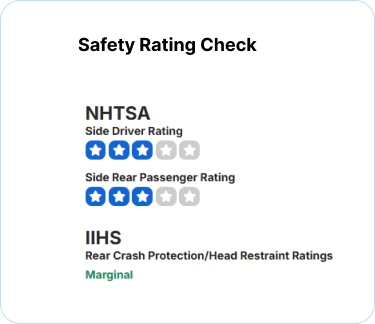
Crash-Test Ratings: The 2012 Ford E-450 cutaway chassis does not typically receive formal crash-test ratings from organizations like the National Highway Traffic Safety Administration (NHTSA) or the Insurance Institute for Highway Safety (IIHS). These agencies primarily test complete passenger vehicles. Commercial chassis vehicles are generally exempt or have too many variables in their final upfitted configuration to be assigned a standardized rating. Its inherent safety largely derives from its heavy-duty body-on-frame construction and substantial mass.

What Colors Options are Available?
2012 Ford E-450 Prices and Market Value
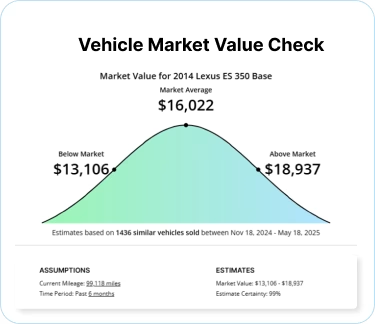
When new in 2012, a Ford E-450 stripped chassis typically retailed for approximately $30,000 to $45,000, depending on the chosen engine, wheelbase, and foundational options. It's important to note this price excluded the significant cost of custom upfitting, which could easily double or triple the final purchase price for applications like shuttle buses, ambulances, or RVs.

In the current used market (2024), prices for a 2012 E-450 are highly variable due to its "incomplete vehicle" nature. A base chassis in good condition might fetch $10,000 to $20,000+. Upfitted vehicles command a wider range: used shuttle buses often sell for $15,000-$40,000+, while ambulances range from $10,000-$35,000+, reflecting high mileage but often meticulous maintenance. Class C RVs built on the E-450 chassis can range from $25,000 to $70,000+, with the RV's "house" component condition being a major determinant.
Depreciation for the E-450 chassis itself is relatively stable compared to passenger vehicles, largely due to its enduring commercial utility and robust construction. While upfitted components may depreciate more quickly, the underlying Ford chassis maintains a strong core value. Factors significantly affecting resale value include the overall mechanical and structural condition, verifiable maintenance history, actual mileage (though high mileage with good maintenance is acceptable), the specific type and condition of the upfit, and the persistent demand for reliable heavy-duty platforms.
2012 Ford E-450 Cost of Ownership
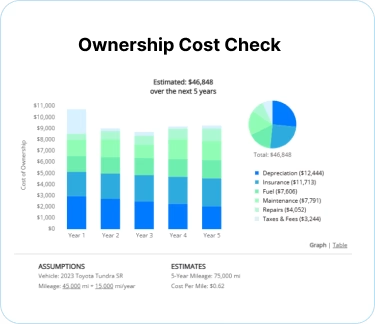
Owning a 2012 Ford E-450 entails specific long-term costs that differ from standard passenger vehicles. Insurance premiums can vary significantly, often being higher due to its commercial classification or specific upfit (e.g., RV, ambulance) and increased liability. Fuel costs are exceptionally high; the large V10 engine, heavy weight, and poor aerodynamics result in notoriously low fuel economy (single-digit to low-teens MPG), making this a major ongoing expense.
Maintenance can be moderate to high. While parts are generally affordable and widely available, the volume of fluids and the sheer size of heavy-duty components mean routine services can be more expensive. Repair costs are also moderate; mechanics are familiar with the platform, and common parts are accessible. However, specialized repairs or those related to the upfit can increase expenses. In summary, the 2012 E-450 is generally costly to own primarily due to fuel consumption and the need for heavy-duty parts and labor, but this cost is offset by its immense utility and working capability.
2012 Ford E-450 Fuel Efficiency
2012 Ford E-450 Warranty
Basic
Powertrain
Rust
2012 Ford E-450 Insurance
reasonable repair costs.
How Does the 2012 Ford E-450 Compare to Other Van?
The 2012 Ford E-450 operates in a specialized commercial vehicle segment, primarily competing with the Chevrolet Express 4500 Cutaway and GMC Savana 4500 Cutaway from General Motors. These are its direct rivals in terms of heavy-duty body-on-frame chassis for upfitting.
Performance: The E-450's 6.8L Triton V10 engine typically offered strong, raw power and torque, making it highly capable for maximum towing and hauling, often feeling more muscular than GM's standard gasoline V8s (like the 6.0L Vortec). While GM also offered robust V8 gasoline engines and the potent Duramax diesel in some configurations, the E-450's V10 was a proven workhorse for extreme loads.
Features: Both the E-450 and its GM counterparts were designed for utility, offering very basic features. Standard amenities were limited to essentials like air conditioning, an AM/FM radio, and anti-lock brakes. Neither offered advanced infotainment or sophisticated driver-assistance systems. Interiors prioritized durability and functionality over comfort or luxury, placing them on an equal footing in terms of stripped-down offerings.
Reliability: Both the Ford E-Series and GM's full-size vans are renowned for their commercial-grade reliability. Ford's V10 and GM's Vortec V8s are known for high mileage longevity when properly maintained. The choice often comes down to personal preference for powertrain, as both platforms are engineered for demanding, continuous use. Historically, Ford's chassis in the E-450 weight class has a reputation for being marginally more robust in the very heaviest applications.
Price: New pricing for comparable chassis from Ford and GM was very competitive. In the used market, prices remain similar, heavily influenced by mileage, overall condition, and the specific type and quality of the upfit.
Recommended Alternatives:
- Similar Alternatives: The Chevrolet Express 4500 Cutaway / GMC Savana 4500 Cutaway are direct equivalents. If a particular unit is in better condition or if you prefer GM's powertrain (e.g., the 6.0L Vortec V8 or a Duramax diesel for certain models), these are excellent substitutes.
- Potentially Better Alternatives (depending on specific needs):
- For significantly heavier duty or more modern capabilities, a Ford F-Series Super Duty Chassis Cab (F-350, F-450, F-550) or Ram 4500/5500 Chassis Cab would offer higher GVWRs and GCWRs, alongside more contemporary engine options like newer Power Stroke or Cummins diesels.
- For applications requiring less raw capacity but better fuel economy and more modern features/ergonomics, a newer Ford Transit Cutaway (2015+) could be considered, though it serves a slightly different market segment and generally has lower weight ratings.
- The Mercedes-Benz Sprinter Cab Chassis also offers a more refined, fuel-efficient option for lighter commercial duties, but lacks the brute force and simple mechanics of the E-450.
Final Verdict: Is the 2012 Ford E-450 a Good Van?
The 2012 Ford E-450 is an ideal vehicle for a very specific clientele: commercial fleets, businesses requiring a highly customizable and robust platform (like mobile workshops, food trucks, or shuttle services), and RV enthusiasts seeking a dependable, heavy-duty foundation for a Class C motorhome. It excels for anyone needing serious towing and hauling capability within a durable, van-based chassis, prioritizing utility over creature comforts.
It is absolutely worth buying, but almost exclusively as a used vehicle today, given its discontinuation for most new commercial sales. However, this purchase is contingent on specific conditions. Buyers should meticulously inspect for rust, especially on the frame and brake lines, and demand comprehensive maintenance records, which are crucial for high-mileage commercial units. The condition of any existing upfit (e.g., bus body, RV interior) significantly impacts its value and immediate usability. Be prepared for substantial fuel costs and a utilitarian, truck-like driving experience.
For optimal value, seek units with a verifiable service history and ensure all applicable recalls have been completed. Focus on chassis integrity and the V10 engine's condition. The E-450 is not an economical passenger car; it's a dedicated, long-lasting workhorse offering tremendous utility for its operational costs.