The 1986 BMW 6-Series, part of the E24 generation (1976-1989), is a luxury grand tourer coupe renowned for its exquisite design and powerful performance. Key trims include the 635CSi. Originally, pricing reflected its luxury status, placing it in the premium segment. It stands out for its blend of sleek styling, German engineering, and a driving experience that captivated enthusiasts seeking both comfort and sporty dynamics.

The Good
The 1986 6-Series offers a compelling mix of potent straight-six engines, a comfortable yet engaging ride, and timeless, elegant styling. Its robust build appeals to practical buyers, while its luxurious interior and exhilarating performance satisfy emotional desires for a refined driving machine.

The Bad
Owners should be aware of potential issues with electrical systems, particularly wiring harnesses and sensors. Rust can be a concern, especially around the wheel arches and sills. Transmission problems and cooling system leaks are also points to monitor for this classic German coupe.
1986 BMW 6-Series: Quick Overview
- Engine Options: The primary engine for the 1986 BMW 6-Series in most markets was the 3.5-liter M30 inline-six.
- Horsepower: The 3.5-liter engine typically produced around 182-218 horsepower, depending on the specific configuration and market. The M6, a higher-performance variant, boasted a more potent 286 horsepower from its 3.5-liter S38 engine.
- Fuel Economy: Fuel economy was not a primary focus for this type of luxury grand tourer. Expect EPA estimates in the range of 14-16 MPG combined for the 635CSi, with highway mileage potentially reaching the low 20s. The M6 would have been less efficient.
- 0-60 Times: For the 635CSi, 0-60 mph times were generally in the 7.5 to 8.5-second range. The M6 was significantly quicker, capable of achieving 0-60 mph in under 6 seconds.
- Towing Capacity: The 1986 BMW 6-Series was not designed for towing, and therefore, no official towing capacity is listed.
- Trim-Level Features (635CSi): Standard features included leather upholstery, power-adjustable front seats, automatic climate control, power windows, power mirrors, cruise control, a premium sound system, and a sunroof. The exterior featured alloy wheels, chrome accents, and a sophisticated aerodynamic design. Optional features could include a limited-slip differential, heated seats, and a sport suspension.
- Trim-Level Features (M6): The M6 included all the features of the 635CSi but added performance enhancements such as a sport-tuned suspension, larger brakes, aerodynamic body enhancements, and the more powerful M-division engine.
1986 BMW 6-Series Specifications
No records to be displayed
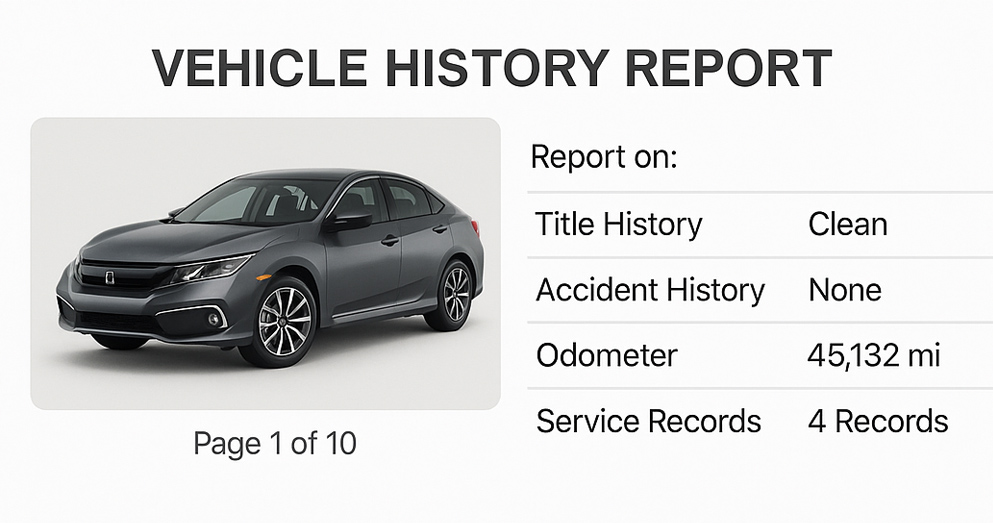
Vehicle History Report
What Problems Does the 1986 BMW 6-Series Have?
The 1986 BMW 6-Series, being a classic car, has its share of known issues that potential owners should be aware of. One of the most common concerns revolves around the electrical system. Issues with the wiring harness, including brittle insulation and corroded connectors, can lead to a cascade of problems affecting everything from the lights and gauges to engine management. The Motronic fuel injection system, while advanced for its time, can also be a source of gremlins if sensors fail or the control unit develops faults.
Cooling system components, such as the radiator, water pump, and hoses, are also prone to age-related deterioration. Leaks are not uncommon, and a neglected cooling system can lead to costly engine damage. The transmission, whether automatic or manual, can develop issues over time. Automatic transmissions might exhibit harsh shifting or a tendency to slip, while manual transmissions can have clutch or synchromesh problems.
Rust is a significant concern for any vehicle of this vintage, especially in regions with harsh winters. Key areas to inspect include the wheel arches, rocker panels, floor pans, and the trunk floor. Body integrity is paramount for structural soundness and safety.
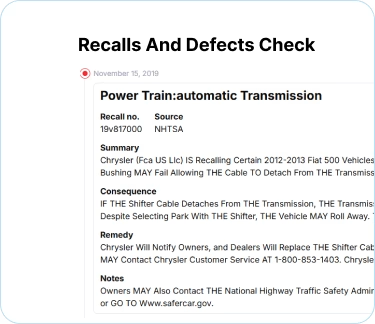
While there haven't been widespread, model-year specific recalls that are commonly cited for the 1986 model year that would affect every car, the general wear and tear associated with a car of this age is the primary long-term reliability concern. Regular and diligent maintenance is crucial for mitigating many of these potential problems. Enthusiasts often recommend replacing aging rubber components, proactively addressing electrical connections, and ensuring the cooling system is in top condition. The M6, while more desirable, can also have higher maintenance costs due to its specialized performance components.
Cooling system components, such as the radiator, water pump, and hoses, are also prone to age-related deterioration. Leaks are not uncommon, and a neglected cooling system can lead to costly engine damage. The transmission, whether automatic or manual, can develop issues over time. Automatic transmissions might exhibit harsh shifting or a tendency to slip, while manual transmissions can have clutch or synchromesh problems.
Rust is a significant concern for any vehicle of this vintage, especially in regions with harsh winters. Key areas to inspect include the wheel arches, rocker panels, floor pans, and the trunk floor. Body integrity is paramount for structural soundness and safety.
While there haven't been widespread, model-year specific recalls that are commonly cited for the 1986 model year that would affect every car, the general wear and tear associated with a car of this age is the primary long-term reliability concern. Regular and diligent maintenance is crucial for mitigating many of these potential problems. Enthusiasts often recommend replacing aging rubber components, proactively addressing electrical connections, and ensuring the cooling system is in top condition. The M6, while more desirable, can also have higher maintenance costs due to its specialized performance components.
How long will the 1986 BMW 6-Series last?
Based on owner data and typical maintenance habits, a well-maintained 1986 BMW 6-Series can realistically achieve 200,000 to 250,000 miles or more. These cars were built with robust engineering, showcasing BMW's commitment to longevity. However, their long-term durability is heavily contingent on consistent and proactive maintenance. Weaknesses over time often manifest in the electrical systems, which can become finicky with age. Rust, if not addressed promptly, can significantly compromise structural integrity. The drivetrain, including the engine and transmission, can be very durable if serviced regularly, but neglect can lead to premature wear and costly repairs, impacting their overall lifespan.
What Technology & Safety Features are Included?
The 1986 BMW 6-Series, while a luxury coupe, offered technology and features that were considered advanced for its era, though they pale in comparison to modern vehicles. The built-in tech primarily focused on comfort and convenience. Standard entertainment often included an AM/FM radio with a cassette player, and higher trims might have featured a more advanced sound system with multiple speakers. The climate control system was typically automatic, allowing for precise temperature regulation, a luxury feature at the time.
Driver-assistance features were minimal by today's standards. Cruise control was a common inclusion for comfortable highway cruising. Power steering and anti-lock braking systems (ABS) were also significant safety and convenience features available, with ABS becoming more prevalent on higher-end models and later production years. These systems were designed to improve control during braking, especially in slippery conditions.
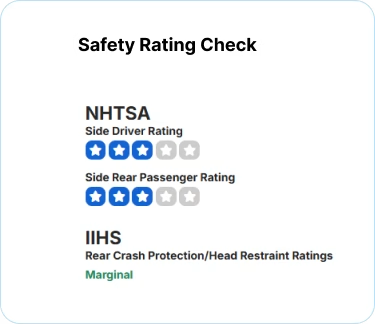
Safety features included three-point seatbelts for all occupants, padded dashboards, and energy-absorbing crumple zones, reflecting BMW's emphasis on occupant protection. The car's robust construction provided a substantial level of passive safety. While specific, officially published crash-test ratings from organizations like the NHTSA or IIHS for a 1986 model are not readily available today, the 6-Series was engineered to meet the safety standards of its time. Optional features could include heated seats for enhanced comfort, power-adjustable seats with memory functions on some models, and a limited-slip differential for improved traction and handling. The overall tech package was geared towards a refined and comfortable grand touring experience rather than the high-tech driver aids common in contemporary vehicles.
Driver-assistance features were minimal by today's standards. Cruise control was a common inclusion for comfortable highway cruising. Power steering and anti-lock braking systems (ABS) were also significant safety and convenience features available, with ABS becoming more prevalent on higher-end models and later production years. These systems were designed to improve control during braking, especially in slippery conditions.
Safety features included three-point seatbelts for all occupants, padded dashboards, and energy-absorbing crumple zones, reflecting BMW's emphasis on occupant protection. The car's robust construction provided a substantial level of passive safety. While specific, officially published crash-test ratings from organizations like the NHTSA or IIHS for a 1986 model are not readily available today, the 6-Series was engineered to meet the safety standards of its time. Optional features could include heated seats for enhanced comfort, power-adjustable seats with memory functions on some models, and a limited-slip differential for improved traction and handling. The overall tech package was geared towards a refined and comfortable grand touring experience rather than the high-tech driver aids common in contemporary vehicles.
What Colors Options are Available?
1986 BMW 6-Series Prices and Market Value
When new, the 1986 BMW 6-Series was a premium vehicle, with prices for the 635CSi typically starting in the $40,000 to $50,000 range, and the high-performance M6 commanding considerably more, often exceeding $60,000. As with most luxury vehicles, they experienced significant depreciation in their early years. However, over time, values have stabilized and, for well-maintained examples, have begun to appreciate, especially for the rarer M6 models. Factors affecting current resale value include condition, mileage, originality, service history, and the presence of desirable options. Clean, unmolested examples with documented maintenance are highly sought after by collectors and enthusiasts, fetching prices ranging from $10,000 for project cars to $30,000+ for pristine M6 models.
1986 BMW 6-Series Cost of Ownership
Owning a 1986 BMW 6-Series is generally considered costly rather than economical. Insurance premiums can be higher than for average vehicles, especially for collector-grade examples, due to its luxury and performance status. Fuel economy, particularly with the larger engines, is modest, contributing to ongoing fuel expenses. Maintenance and repair costs can be significant; parts are often specialized and can be expensive, and finding mechanics experienced with these older BMWs can be a challenge. While the initial purchase price might be lower for a used example, the cumulative costs of upkeep, potential repairs, and specialized parts make this a more expensive vehicle to own long-term.
1986 BMW 6-Series Fuel Efficiency
No records to be displayed
1986 BMW 6-Series Insurance
Insurance for a 1986 BMW 6-Series is moderately priced, reflecting its status as a Vehicle with strong safety ratings and
reasonable repair costs.
How Does the 1986 BMW 6-Series Compare to Other Vehicle?
The 1986 BMW 6-Series competed in a segment populated by other luxury grand tourers. Key rivals included the Mercedes-Benz SEC-Class (W126) and the Porsche 944.
In terms of performance, the 635CSi offered a strong inline-six that provided effortless cruising and spirited acceleration, while the M6 was a true performance machine. The Mercedes SEC was more focused on plush comfort and effortless cruising, with less emphasis on outright sporty handling. The Porsche 944, particularly the S or Turbo models, offered sharper handling and a more raw sports car feel, often at the expense of ultimate luxury and ride comfort.
Regarding features, the BMW 6-Series was well-equipped with luxury amenities for its time, such as leather interiors and automatic climate control. The Mercedes SEC was arguably even more luxurious, often featuring more advanced electronic aids and a more opulent cabin. The Porsche 944, while offering some creature comforts, was generally more spartan, prioritizing driving dynamics over extensive luxury features.
Reliability for the BMW 6-Series can be a mixed bag, with potential for electrical gremlins and rust, though the core mechanicals are robust if maintained. The Mercedes SEC is generally known for its bulletproof reliability and durability, often outlasting its contemporaries with proper care. The Porsche 944, while a well-engineered car, can also be expensive to maintain, with specialized parts and a need for knowledgeable technicians.
In terms of price, the BMW 635CSi was competitively priced against the SEC, while the M6 sat at the higher end, competing more directly with higher-performance variants of other cars. The Porsche 944 often offered a more accessible entry point into the sports car segment.
Alternatives: If seeking a more refined and historically reliable luxury coupe, a Mercedes-Benz SEC-Class (W126) from the same era is a strong contender. For a sharper, more driver-focused experience with a sporty pedigree, a Porsche 944 (especially S or Turbo models) is an excellent alternative. If outright performance in a more exotic package is desired, a Jaguar XJ-S could also be considered, though its reliability reputation is different.
In terms of performance, the 635CSi offered a strong inline-six that provided effortless cruising and spirited acceleration, while the M6 was a true performance machine. The Mercedes SEC was more focused on plush comfort and effortless cruising, with less emphasis on outright sporty handling. The Porsche 944, particularly the S or Turbo models, offered sharper handling and a more raw sports car feel, often at the expense of ultimate luxury and ride comfort.
Regarding features, the BMW 6-Series was well-equipped with luxury amenities for its time, such as leather interiors and automatic climate control. The Mercedes SEC was arguably even more luxurious, often featuring more advanced electronic aids and a more opulent cabin. The Porsche 944, while offering some creature comforts, was generally more spartan, prioritizing driving dynamics over extensive luxury features.
Reliability for the BMW 6-Series can be a mixed bag, with potential for electrical gremlins and rust, though the core mechanicals are robust if maintained. The Mercedes SEC is generally known for its bulletproof reliability and durability, often outlasting its contemporaries with proper care. The Porsche 944, while a well-engineered car, can also be expensive to maintain, with specialized parts and a need for knowledgeable technicians.
In terms of price, the BMW 635CSi was competitively priced against the SEC, while the M6 sat at the higher end, competing more directly with higher-performance variants of other cars. The Porsche 944 often offered a more accessible entry point into the sports car segment.
Alternatives: If seeking a more refined and historically reliable luxury coupe, a Mercedes-Benz SEC-Class (W126) from the same era is a strong contender. For a sharper, more driver-focused experience with a sporty pedigree, a Porsche 944 (especially S or Turbo models) is an excellent alternative. If outright performance in a more exotic package is desired, a Jaguar XJ-S could also be considered, though its reliability reputation is different.
Final Verdict: Is the 1986 BMW 6-Series a Good Vehicle?
The 1986 BMW 6-Series is ideal for the automotive enthusiast who appreciates classic German engineering, timeless design, and a blend of performance and luxury, without necessarily prioritizing cutting-edge technology. It's worth buying for those seeking a stylish grand tourer that offers an engaging driving experience and a strong sense of occasion. This car is best purchased in the used market, as new examples are obviously unavailable. Prospective buyers should focus on well-maintained examples, ideally with comprehensive service records, and be prepared for ongoing maintenance costs associated with a classic German luxury car. The 635CSi offers a great balance of performance and luxury, while the rarer M6 is for the serious collector or performance aficionado willing to invest more in acquisition and upkeep. Avoid project cars unless you have the time, budget, and expertise for extensive restoration.