The 2024 Kenworth W900 is a legendary Class 8 truck, an icon of American trucking, with roots tracing back decades. Its classic long-hooded, aerodynamic design remains highly sought after. While specific trims can vary based on vocational application, the W900 is primarily known for its highway tractor configurations. New pricing can start in the low to mid-$100,000s, escalating significantly with options. Its enduring popularity stems from its timeless styling, robust build, and reputation for driver comfort and performance, making it a favorite for owner-operators and fleets alike.

The Good
The 2024 Kenworth W900 offers superior driver comfort, legendary reliability, and powerful performance. Its iconic design appeals emotionally, while its fuel efficiency and long-term value are strong practical selling points for any owner-operator or fleet.
The Bad
Potential drawbacks for the 2024 Kenworth W900 include its premium price point, which can be higher than some competitors. Additionally, its advanced technological features, while beneficial, can sometimes lead to more complex and costly repairs if issues arise compared to simpler designs.
2024 Kenworth W900: Quick Overview
- Engine Options: The 2024 Kenworth W900 typically features PACCAR MX-13 engines, known for their durability and performance. Other Cummins ISX15 engines are also commonly available, offering robust power for heavy-duty applications.
- Horsepower: Horsepower ratings generally range from 400 hp to over 600 hp, depending on the specific engine configuration and customer preference. This allows for immense pulling power suited for various hauling needs.
- Fuel Economy: Fuel economy in a Class 8 truck like the W900 is highly variable and dependent on load, terrain, driving style, and specific engine/transmission choices. However, modern PACCAR and Cummins engines are designed for optimal efficiency, with many configurations achieving between 5.5 to 7.5 miles per gallon (MPG) under optimal conditions. Aerodynamic features of the W900 also contribute to better MPG.
- 0-60 Times: 0-60 mph times are not a standard metric for heavy-duty commercial trucks due to their intended use. These vehicles are designed for sustained hauling, not rapid acceleration. Load weight, grade, and transmission gear selection heavily influence acceleration.
- Towing Capacity: The towing capacity is substantial, designed for Class 8 applications. This typically ranges from 80,000 lbs Gross Combination Weight Rating (GCWR) up to well over 100,000 lbs GCWR, depending on the specific axle configurations, chassis, and fifth-wheel rating.
- Trim-Level Features: While not having traditional car trims, the W900 offers extensive customization. Key features often include:
- Aerodynamic hood and grille for improved efficiency.
- Spacious, customizable day cabs or extended sleeper cabs with various amenities like refrigerators, entertainment systems, and comfortable sleeping berths.
- Advanced driver information displays.
- Ergonomic driver seats with multiple adjustments.
- Optional premium interior finishes.
- A wide array of chassis and drivetrain configurations to suit specific hauling needs (e.g., tandem rear axles, various wheelbase options).
- Advanced braking systems and safety features.
2024 Kenworth W900 Specifications
Vehicle Information
| Year | 2024 |
| Make | Kenworth |
| Model | W900 |
| Trim | - |
| Style | - |
| Type | Truck |
| Category | Heavy Truck |
Manufacturing Details
| Made In | United States |
| Manufacturing City | RENTON |
Dimensions
| Doors | - |
| Curb Weight | - |
| Gross Vehicle Weight Rating | 33001 pounds |
| Overall Height | - |
| Overall Length | - |
| Overall Width | - |
| Wheelbase Length | - |
| Standard Seating | - |
Engine & Performance
| Engine | 14.9L I6 |
| Engine Size | 14.9L |
| Engine Cylinders | 6 |
| Transmission | - |
| Transmission Type | - |
| Transmission Speeds | - |
| Drivetrain | 6x4 |
Additional Features
| Anti-Brake System | - |
| Steering Type | - |
Pricing
| Manufacturer Suggested Retail Price (MSRP) | - |
| Invoice Price | - |
| Delivery Charges | - |
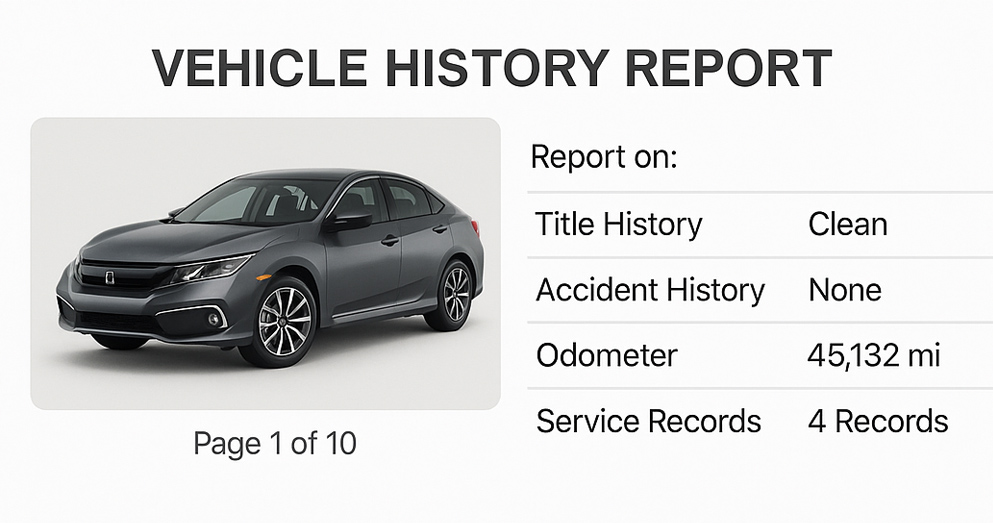
Vehicle History Report
Vehicle
Specifications
Specifications
Ownership
History
History
All History
Events
Events
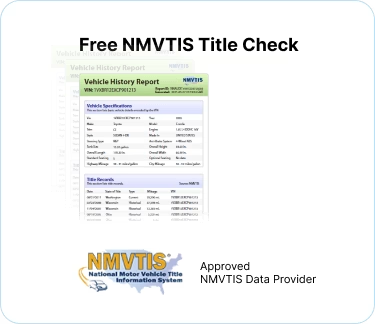
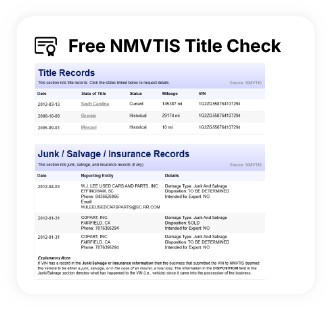
NMVTIS Title
History Check
History Check
Salvage/Rebuilt
Check
Check
Accident
Check
Check
Theft
Check
Check
Open Lien
Check
Check
Past Sale
Listings
Listings
Safety
Recalls
Recalls
Odometer
Check
Check
Market Price
Analysis
Analysis
What Problems Does the 2024 Kenworth W900 Have?
The 2024 Kenworth W900, being a modern iteration of a classic design, benefits from decades of refinement. However, like any heavy-duty vehicle, it can encounter issues, though widespread, model-year-specific problems are less common for brand-new models. Historically, concerns with Kenworth trucks, particularly older models, sometimes involved electrical system gremlins, HVAC performance in extreme conditions, and wear and tear on components like suspension bushings or exhaust systems over very high mileage.
For current models, including the 2024 W900, frequent reports might lean towards the complexity of integrated electronic systems. Issues with the diesel particulate filter (DPF) regeneration cycles, sensor malfunctions, or exhaust gas recirculation (EGR) system performance can arise, especially if not maintained with rigorous adherence to the manufacturer's schedule or if exposed to suboptimal fuel. Driver-reported issues can sometimes include cabin noise or vibration, though this is often subjective and dependent on the specific configuration and load.
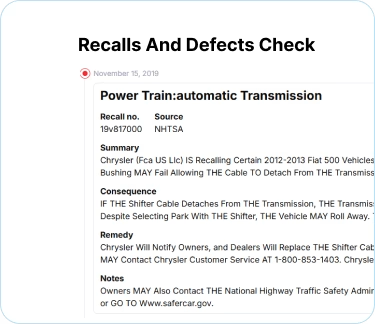
Recalls for Kenworth trucks, when issued, are typically related to specific component failures or safety concerns. These can range from issues with braking systems, steering components, or even certain electronic control units. It is crucial for owners to stay updated on any manufacturer recalls and ensure they are addressed promptly by authorized service centers.
Long-term reliability for the Kenworth W900 is generally considered excellent, which is a major reason for its enduring popularity. When properly maintained with high-quality parts and regular servicing by experienced technicians, these trucks are known to achieve well over a million miles. Weaknesses over time, if they occur, often manifest as gradual wear on high-stress components like clutches, transmissions, or differentials, which is expected given the demanding nature of their work. The robustness of the chassis and drivetrain is a strong suit, but proactive maintenance is key to mitigating potential long-term issues.
For current models, including the 2024 W900, frequent reports might lean towards the complexity of integrated electronic systems. Issues with the diesel particulate filter (DPF) regeneration cycles, sensor malfunctions, or exhaust gas recirculation (EGR) system performance can arise, especially if not maintained with rigorous adherence to the manufacturer's schedule or if exposed to suboptimal fuel. Driver-reported issues can sometimes include cabin noise or vibration, though this is often subjective and dependent on the specific configuration and load.
Recalls for Kenworth trucks, when issued, are typically related to specific component failures or safety concerns. These can range from issues with braking systems, steering components, or even certain electronic control units. It is crucial for owners to stay updated on any manufacturer recalls and ensure they are addressed promptly by authorized service centers.
Long-term reliability for the Kenworth W900 is generally considered excellent, which is a major reason for its enduring popularity. When properly maintained with high-quality parts and regular servicing by experienced technicians, these trucks are known to achieve well over a million miles. Weaknesses over time, if they occur, often manifest as gradual wear on high-stress components like clutches, transmissions, or differentials, which is expected given the demanding nature of their work. The robustness of the chassis and drivetrain is a strong suit, but proactive maintenance is key to mitigating potential long-term issues.
How long will the 2024 Kenworth W900 last?
Estimating average mileage for a 2024 Kenworth W900 is challenging as it depends heavily on its operational use. However, for highway tractors averaging 100,000 to 150,000 miles per year, it's not uncommon for these trucks to remain in service for 8 to 12 years, accumulating 800,000 to 1.5 million miles. With diligent maintenance, including regular fluid changes, filter replacements, and timely addressing of any minor issues, the long-term durability of the W900 is exceptional. Its robust construction and proven powertrain components are designed for longevity. Weaknesses over time are generally related to the expected wear and tear on components such as suspension parts, exhaust systems, and clutch assemblies rather than inherent design flaws. Proactive maintenance is the most significant factor in maximizing its service life and avoiding costly repairs.
What Technology & Safety Features are Included?
The 2024 Kenworth W900 integrates modern technology to enhance driver experience, safety, and operational efficiency, moving beyond its classic exterior. While exact standard features can vary by specific configuration and order, a typical W900 offers a comprehensive suite.
Built-in Tech & Entertainment: Standard or optional features often include a digital driver display providing crucial vehicle information, diagnostics, and trip data. Infotainment systems can range from basic audio units with Bluetooth connectivity to more advanced touchscreens offering navigation, smartphone integration (Apple CarPlay/Android Auto), and premium sound systems. Power outlets, USB ports, and auxiliary inputs are common for device charging and connectivity. Advanced climate control systems ensure driver comfort in various conditions.
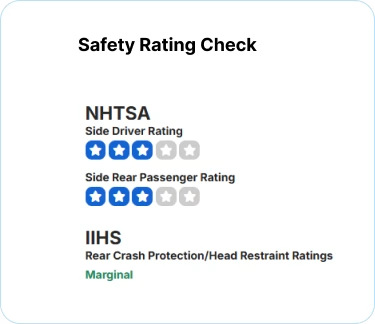
Driver-Assistance & Safety Features: Safety is a significant focus. While crash-test ratings are not directly applicable to heavy-duty trucks in the same way as passenger vehicles, Kenworth designs its trucks to meet stringent safety standards. Driver-assistance features can include:
Optional features can further enhance these capabilities, offering even greater levels of safety and driver support. The focus is on reducing driver fatigue and preventing accidents through technological intervention.
Built-in Tech & Entertainment: Standard or optional features often include a digital driver display providing crucial vehicle information, diagnostics, and trip data. Infotainment systems can range from basic audio units with Bluetooth connectivity to more advanced touchscreens offering navigation, smartphone integration (Apple CarPlay/Android Auto), and premium sound systems. Power outlets, USB ports, and auxiliary inputs are common for device charging and connectivity. Advanced climate control systems ensure driver comfort in various conditions.
Driver-Assistance & Safety Features: Safety is a significant focus. While crash-test ratings are not directly applicable to heavy-duty trucks in the same way as passenger vehicles, Kenworth designs its trucks to meet stringent safety standards. Driver-assistance features can include:
- Advanced Emergency Braking Systems (AEBS): Detects potential collisions and applies brakes autonomously.
- Lane Departure Warning (LDW): Alerts the driver if the truck drifts out of its lane.
- Adaptive Cruise Control (ACC): Maintains a set speed and distance from the vehicle ahead.
- Electronic Stability Control (ESC): Helps prevent rollovers and loss of control.
- Blind Spot Monitoring: Alerts the driver to vehicles in blind spots.
- Hill Start Assist: Prevents rollback on inclines.
- High-visibility LED lighting for improved road illumination.
- Robust braking systems, including ABS (Anti-lock Braking System) and available automatic slack adjusters.
Optional features can further enhance these capabilities, offering even greater levels of safety and driver support. The focus is on reducing driver fatigue and preventing accidents through technological intervention.
What Colors Options are Available?
2024 Kenworth W900 Prices and Market Value
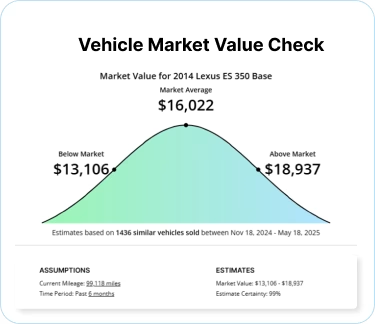
New 2024 Kenworth W900 pricing is highly variable, typically starting in the low to mid-$100,000s and capable of exceeding $200,000 or even $300,000 with extensive customization, premium options, and powerful drivetrain configurations. Used market prices for Kenworth W900s in good condition can range significantly, from $50,000 for older, high-mileage units to well over $150,000 for newer, well-maintained models with desirable specs.
Depreciation for heavy-duty trucks like the W900 is generally slower than for passenger vehicles, especially for models that are well-maintained and have a strong reputation for reliability. Key factors affecting resale value include mileage, overall condition, maintenance history, tire wear, engine and transmission health, and the presence of desirable options or customizations. A well-preserved, iconic W900 often holds its value exceptionally well, making it a sound investment for many operators.
2024 Kenworth W900 Cost of Ownership
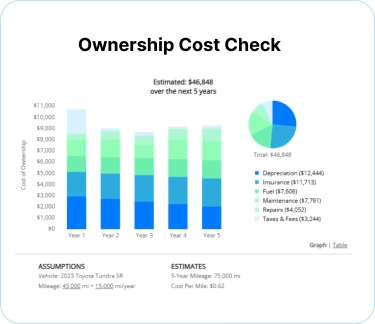
Owning a 2024 Kenworth W900 is generally considered costly, reflecting its Class 8 status and capabilities. Insurance premiums will be substantial, reflecting the vehicle's high value and operational risks. Fuel costs are a significant ongoing expense; while modern engines offer efficiency, the sheer volume of fuel consumed on long hauls is considerable. Maintenance and repair costs are also high, as parts and specialized labor for heavy-duty trucks are more expensive. Routine maintenance is critical to prevent major, costly breakdowns. Therefore, while it offers excellent long-term value and durability, the 2024 Kenworth W900 is not an economical vehicle to own; it's a significant investment with substantial operational expenses.
2024 Kenworth W900 Fuel Efficiency
Fuel Type
Diesel
Fuel Capacity
-
City Mileage
-
Highway Mileage
-
2024 Kenworth W900 Warranty
Basic
Original warranty
0 months / No data
Estimated remaining
Expired
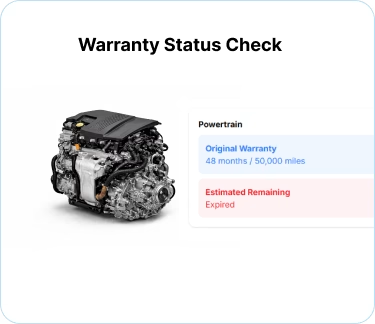
Powertrain
Original warranty
0 months / No data
Estimated remaining
Expired
Rust
Original warranty
0 months / No data
Estimated remaining
Expired
2024 Kenworth W900 Insurance
Insurance for a 2024 Kenworth W900 is moderately priced, reflecting its status as a Truck with strong safety ratings and
reasonable repair costs.
How Does the 2024 Kenworth W900 Compare to Other Truck?
The 2024 Kenworth W900 occupies a premium segment within the Class 8 long-haul truck market, often competing with other established manufacturers known for durability and driver focus. Key rivals include:
Peterbilt 389: Often considered the W900's closest sibling and competitor, sharing much of the same PACCAR technology. The 389 also boasts a classic long-hood design and is highly customizable, appealing to the same owner-operator demographic. Performance, reliability, and features are generally very comparable. Price points are also in a similar high range. The choice often comes down to brand loyalty and subtle styling preferences.
International LT Series: The LT Series offers a more modern, aerodynamic design compared to the W900's retro styling. It excels in fuel efficiency and incorporates advanced driver-assistance technologies. While strong in performance and reliability, it may not evoke the same emotional connection for drivers who prioritize the classic look. Pricing can be competitive, sometimes slightly lower than the Kenworth.
Freightliner Cascadia: The Cascadia is a dominant force in the market, known for its extensive powertrain options, advanced technology, and focus on fuel economy. It offers a highly refined and aerodynamic package. While incredibly capable and reliable, it represents a more contemporary design philosophy, which might appeal to fleet operators prioritizing efficiency and technology over iconic styling.
Performance: The W900, with its powerful PACCAR or Cummins engines, offers robust performance for demanding hauling. Rivals like the Cascadia and LT Series also offer competitive powerplants with a strong emphasis on fuel efficiency. The Peterbilt 389 is very much on par with the W900.
Features: Kenworth and Peterbilt tend to lead in customizable driver comfort and classic aesthetics. Freightliner and International often push the envelope further with integrated telematics, advanced driver-assistance systems, and cutting-edge cabin design.
Reliability: All these brands have a reputation for strong reliability, but Kenworth and Peterbilt, in particular, are legendary for their build quality and longevity, especially in their traditional models like the W900 and 389.
Price: The Kenworth W900 and Peterbilt 389 are typically at the higher end of the price spectrum due to their premium build and iconic status. Freightliner and International can sometimes offer more cost-effective solutions, especially for fleets looking for standardized options.
Recommendation: For drivers prioritizing the iconic, classic American truck look, unparalleled customization, and a strong sense of pride in ownership, the 2024 Kenworth W900 remains an excellent choice, with the Peterbilt 389 as a very similar alternative. If cutting-edge aerodynamics, advanced integrated technology, and potentially lower running costs are paramount, the Freightliner Cascadia or International LT Series are strong contenders.
Peterbilt 389: Often considered the W900's closest sibling and competitor, sharing much of the same PACCAR technology. The 389 also boasts a classic long-hood design and is highly customizable, appealing to the same owner-operator demographic. Performance, reliability, and features are generally very comparable. Price points are also in a similar high range. The choice often comes down to brand loyalty and subtle styling preferences.
International LT Series: The LT Series offers a more modern, aerodynamic design compared to the W900's retro styling. It excels in fuel efficiency and incorporates advanced driver-assistance technologies. While strong in performance and reliability, it may not evoke the same emotional connection for drivers who prioritize the classic look. Pricing can be competitive, sometimes slightly lower than the Kenworth.
Freightliner Cascadia: The Cascadia is a dominant force in the market, known for its extensive powertrain options, advanced technology, and focus on fuel economy. It offers a highly refined and aerodynamic package. While incredibly capable and reliable, it represents a more contemporary design philosophy, which might appeal to fleet operators prioritizing efficiency and technology over iconic styling.
Performance: The W900, with its powerful PACCAR or Cummins engines, offers robust performance for demanding hauling. Rivals like the Cascadia and LT Series also offer competitive powerplants with a strong emphasis on fuel efficiency. The Peterbilt 389 is very much on par with the W900.
Features: Kenworth and Peterbilt tend to lead in customizable driver comfort and classic aesthetics. Freightliner and International often push the envelope further with integrated telematics, advanced driver-assistance systems, and cutting-edge cabin design.
Reliability: All these brands have a reputation for strong reliability, but Kenworth and Peterbilt, in particular, are legendary for their build quality and longevity, especially in their traditional models like the W900 and 389.
Price: The Kenworth W900 and Peterbilt 389 are typically at the higher end of the price spectrum due to their premium build and iconic status. Freightliner and International can sometimes offer more cost-effective solutions, especially for fleets looking for standardized options.
Recommendation: For drivers prioritizing the iconic, classic American truck look, unparalleled customization, and a strong sense of pride in ownership, the 2024 Kenworth W900 remains an excellent choice, with the Peterbilt 389 as a very similar alternative. If cutting-edge aerodynamics, advanced integrated technology, and potentially lower running costs are paramount, the Freightliner Cascadia or International LT Series are strong contenders.
Final Verdict: Is the 2024 Kenworth W900 a Good Truck?
The 2024 Kenworth W900 is an exceptional choice for owner-operators and fleets that prioritize iconic styling, robust build quality, and a comfortable, driver-centric experience for long-haul applications. It is ideal for those who appreciate the heritage and commanding presence of a classic American truck, and are willing to invest in a premium vehicle that holds its value well.
Whether it's worth buying depends on the owner's specific needs and budget. For those who value the long-term durability, customization, and resale value the W900 offers, buying new can be a worthwhile investment, allowing for bespoke configurations. However, a carefully selected used W900, particularly one with a well-documented maintenance history and reasonable mileage, can offer significant value while still delivering on the core strengths of the model. It is less ideal for budget-conscious buyers or those primarily seeking the latest in aerodynamic efficiency or integrated technology over classic design.