The 1996 Kenworth W900 is an iconic Class 8 conventional truck renowned for its timeless aerodynamic design and robust construction. Introduced in the late 1980s, the W900 series, including the '96 model, has been a staple in the trucking industry. Its signature extended hood and bold grille give it a commanding presence. Popular trims often focus on driver comfort and customization. New pricing in the mid-90s varied significantly based on configuration, typically ranging from $70,000 to over $150,000. Its enduring appeal lies in its blend of classic styling, powerful performance, and driver-centric features, making it a favorite for owner-operators and fleets alike.
The Good
The 1996 Kenworth W900 offers exceptional performance with powerful engine options, renowned reliability for reduced downtime, and a comfortable, driver-focused cabin. Its iconic design evokes pride, while its durable build ensures long-term value. This truck appeals to both the emotional driver who appreciates its legacy and the practical owner focused on operational efficiency and dependable service.
The Bad
When considering a 1996 Kenworth W900, potential buyers should watch out for common issues related to aging electronics, potential rust in the chassis and cab, wear and tear on the suspension components, and the need for regular maintenance on older diesel engines. Specialized parts for this era might also be harder to source.


1996 Kenworth W900: Quick Overview
- Engine Options: The 1996 Kenworth W900 was typically powered by large displacement Cummins and Caterpillar diesel engines. Common options included:
- Cummins N14 series (e.g., N14 Plus)
- Caterpillar C12, C13, C15, and 3406E
- Detroit Diesel Series 60 - Horsepower: Horsepower ratings varied widely depending on the specific engine and tuning, generally ranging from 300 hp to over 600 hp. A common sweet spot for long-haul applications was in the 400-500 hp range.
- Fuel Economy: Fuel economy for Class 8 trucks of this era is highly dependent on engine, gearing, load, terrain, and driving style. A realistic expectation for a well-maintained W900 under optimal conditions might range from 5 to 7 miles per gallon (MPG).
- 0-60 Times: 0-60 mph times are not a primary metric for heavy-duty trucks. Performance is measured by acceleration under load and the ability to maintain speed on inclines. These trucks are designed for sustained heavy hauling, not rapid acceleration.
- Towing Capacity: As a Class 8 truck, the W900 is designed for heavy towing. Its Gross Combination Weight Rating (GCWR) could exceed 80,000 pounds (36,000 kg) and often went much higher, depending on the specific axle configurations, chassis, and trailer setup. It's capable of hauling multiple trailers or very heavy single loads.
- Trim-Level Features: While Kenworth trucks are highly customizable, key features and 'trims' often revolved around the cab and sleeper. Common aspects included:
- Aerodynamic Hood: The signature extended, aerodynamic hood was a hallmark.
- Cab Options: Day cabs (short cab for local/regional work) and various sleeper configurations (e.g., 36-inch, 42-inch, 60-inch, 72-inch sleepers) were available, offering sleeping quarters and amenities for long-haul drivers.
- Interior Comfort: Options included upgraded seating, enhanced insulation for noise reduction, air conditioning, heating, and premium dashboard materials.
- Chassis Configurations: Tandem drive axles were standard for heavy hauling, with various wheelbase options.
1996 Kenworth W900 Specifications
Vehicle Information
| Year | 1996 |
| Make | Kenworth |
| Model | W900 |
| Trim | - |
| Style | - |
| Type | Truck |
| Category | Special Purpose Vehicle Class 8 Tractor |
Manufacturing Details
| Made In | Canada |
| Manufacturing City | SEATTLE |
Dimensions
| Doors | - |
| Curb Weight | - |
| Gross Vehicle Weight Rating | 57000 pounds |
| Overall Height | - |
| Overall Length | - |
| Overall Width | - |
| Wheelbase Length | - |
| Standard Seating | - |
Engine & Performance
| Engine | 14.6L I6 |
| Engine Size | 14.6L |
| Engine Cylinders | 6 |
| Transmission | - |
| Transmission Type | - |
| Transmission Speeds | - |
| Drivetrain | 6x4 |
Additional Features
| Anti-Brake System | - |
| Steering Type | - |
Pricing
| Manufacturer Suggested Retail Price (MSRP) | - |
| Invoice Price | - |
| Delivery Charges | - |
Vehicle History Report
Vehicle
Specifications
Specifications
Ownership
History
History
All History
Events
Events
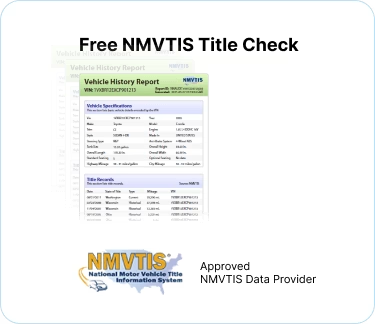
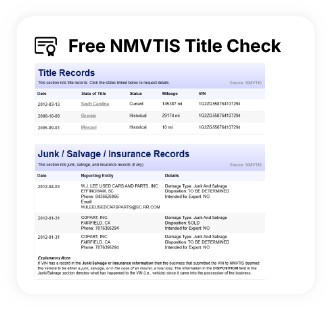
NMVTIS Title
History Check
History Check
Salvage/Rebuilt
Check
Check
Accident
Check
Check
Theft
Check
Check
Open Lien
Check
Check
Past Sale
Listings
Listings
Safety
Recalls
Recalls
Odometer
Check
Check
Market Price
Analysis
Analysis
What Problems Does the 1996 Kenworth W900 Have?
The 1996 Kenworth W900, like any vehicle of its age, comes with potential issues that owners should be aware of. While Kenworths are generally built for durability, specific concerns for a 1996 model often relate to the natural wear and tear of components over time.
One of the most common areas of concern for trucks of this vintage is the electrical system. Aging wiring harnesses, corroded connections, and failing sensors can lead to intermittent issues or complete system failures. This can affect everything from engine performance monitoring to interior accessories. Diagnosing and repairing these electrical gremlins can be time-consuming and costly.
Engine-specific issues depend heavily on the chosen manufacturer (Cummins, Caterpillar, Detroit Diesel) and its particular model. For example, certain Cummins N14 variants could be prone to injector issues or turbocharger problems if not properly maintained. Caterpillar engines, while robust, might require attention to their fuel systems or cylinder head gaskets over many miles. Regular and diligent maintenance is paramount to mitigating these risks.
Chassis and body corrosion is another significant consideration, especially for trucks that have operated in harsh climates or near coastal areas. Rust can affect the frame, cab supports, fuel tanks, and other structural components, potentially compromising safety and requiring extensive repair.
Suspension and braking systems, including air brakes, will require regular inspection and maintenance. Worn-out bushings, leaky air bags, or worn brake components are common as mileage increases.
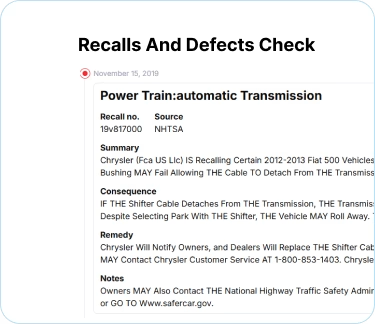
Recalls for specific model years are typically managed by the engine manufacturers for engine-related issues or by the chassis manufacturer for chassis components. However, for a 1996 model, most recalls would have occurred decades ago. The primary concern for a current buyer is the overall condition and maintenance history rather than specific, outstanding recalls. Long-term reliability is overwhelmingly dependent on the quality of maintenance performed throughout its life. A well-maintained 1996 W900 can still be a workhorse, but one that has been neglected will present significant challenges.
One of the most common areas of concern for trucks of this vintage is the electrical system. Aging wiring harnesses, corroded connections, and failing sensors can lead to intermittent issues or complete system failures. This can affect everything from engine performance monitoring to interior accessories. Diagnosing and repairing these electrical gremlins can be time-consuming and costly.
Engine-specific issues depend heavily on the chosen manufacturer (Cummins, Caterpillar, Detroit Diesel) and its particular model. For example, certain Cummins N14 variants could be prone to injector issues or turbocharger problems if not properly maintained. Caterpillar engines, while robust, might require attention to their fuel systems or cylinder head gaskets over many miles. Regular and diligent maintenance is paramount to mitigating these risks.
Chassis and body corrosion is another significant consideration, especially for trucks that have operated in harsh climates or near coastal areas. Rust can affect the frame, cab supports, fuel tanks, and other structural components, potentially compromising safety and requiring extensive repair.
Suspension and braking systems, including air brakes, will require regular inspection and maintenance. Worn-out bushings, leaky air bags, or worn brake components are common as mileage increases.
Recalls for specific model years are typically managed by the engine manufacturers for engine-related issues or by the chassis manufacturer for chassis components. However, for a 1996 model, most recalls would have occurred decades ago. The primary concern for a current buyer is the overall condition and maintenance history rather than specific, outstanding recalls. Long-term reliability is overwhelmingly dependent on the quality of maintenance performed throughout its life. A well-maintained 1996 W900 can still be a workhorse, but one that has been neglected will present significant challenges.
How long will the 1996 Kenworth W900 last?
The 1996 Kenworth W900 is built for longevity, and it's not uncommon to find these trucks with well over 1 million miles on the odometer. With consistent and quality maintenance, a W900 can serve reliably for 15-20 years or even longer. Its robust chassis and drivetrain are designed for heavy-duty use. However, weaknesses that emerge over time are typically related to aging components: electrical systems can become finicky, and rust can become a significant issue in corrosive environments, particularly affecting the cab and frame. Engine and transmission rebuilds are expected services for trucks reaching this mileage. Overall, the long-term durability is exceptional when proper care is given, but expect ongoing maintenance and potential part replacement due to age.
What Technology & Safety Features are Included?
The 1996 Kenworth W900, as a commercial vehicle of its era, prioritized functionality and driver comfort over advanced integrated technology, driver assistance, or sophisticated entertainment systems commonly found in modern passenger vehicles.
Built-in Tech and Entertainment: In 1996, the 'tech' within a W900 primarily revolved around functional instrumentation. This would include analog gauges for engine monitoring (tachometer, speedometer, oil pressure, coolant temperature, fuel level), air brake pressure gauges, and indicator lights. Entertainment options were basic, typically limited to an aftermarket-style radio, often with AM/FM capabilities and perhaps a cassette player. CD players were starting to become more common as optional upgrades. CB radios were also a popular aftermarket addition for communication.
Driver-Assistance Features: Driver-assistance features as we know them today were virtually non-existent in 1996 Class 8 trucks. There were no lane-keeping assist, adaptive cruise control, automatic emergency braking, or blind-spot monitoring systems. The 'assistance' was primarily derived from the truck's engineering: power steering, powerful air brakes for stopping, and robust lighting for visibility. Some trucks might have had advanced suspension systems for a smoother ride, which indirectly aids driver endurance.
Safety Features: Safety in the W900 of this era was centered on structural integrity and essential safety systems. Key features included:
- Robust Chassis and Cab Construction: Kenworth trucks are known for their strong frames and durable cabs designed to withstand demanding operational conditions.
- Air Brakes: Powerful and reliable air braking systems were standard for effective stopping power under heavy loads.
- Seat Belts: Lap and shoulder belts were standard for driver and passenger.
- Lighting: Comprehensive exterior lighting for visibility and signaling.
Optional Features: Options would have focused on enhancing driver comfort and operational efficiency. These could include upgraded interior trim, auxiliary heating units for the sleeper, power mirrors, and sometimes more advanced engine monitoring systems.
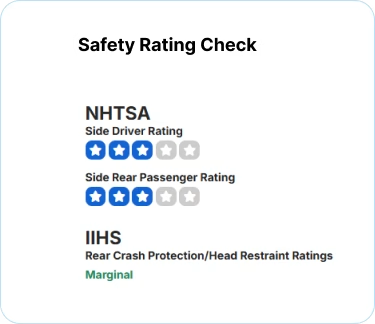
Crash-Test Ratings: Formal, standardized crash-test ratings (like NHTSA or IIHS ratings for passenger cars) were not typically conducted or published for heavy-duty commercial trucks like the Kenworth W900 in 1996. The safety of these vehicles was primarily assessed through industry standards, internal testing, and regulatory compliance related to their intended heavy-duty operational purpose. The emphasis was on structural integrity and functional safety systems.
Built-in Tech and Entertainment: In 1996, the 'tech' within a W900 primarily revolved around functional instrumentation. This would include analog gauges for engine monitoring (tachometer, speedometer, oil pressure, coolant temperature, fuel level), air brake pressure gauges, and indicator lights. Entertainment options were basic, typically limited to an aftermarket-style radio, often with AM/FM capabilities and perhaps a cassette player. CD players were starting to become more common as optional upgrades. CB radios were also a popular aftermarket addition for communication.
Driver-Assistance Features: Driver-assistance features as we know them today were virtually non-existent in 1996 Class 8 trucks. There were no lane-keeping assist, adaptive cruise control, automatic emergency braking, or blind-spot monitoring systems. The 'assistance' was primarily derived from the truck's engineering: power steering, powerful air brakes for stopping, and robust lighting for visibility. Some trucks might have had advanced suspension systems for a smoother ride, which indirectly aids driver endurance.
Safety Features: Safety in the W900 of this era was centered on structural integrity and essential safety systems. Key features included:
- Robust Chassis and Cab Construction: Kenworth trucks are known for their strong frames and durable cabs designed to withstand demanding operational conditions.
- Air Brakes: Powerful and reliable air braking systems were standard for effective stopping power under heavy loads.
- Seat Belts: Lap and shoulder belts were standard for driver and passenger.
- Lighting: Comprehensive exterior lighting for visibility and signaling.
Optional Features: Options would have focused on enhancing driver comfort and operational efficiency. These could include upgraded interior trim, auxiliary heating units for the sleeper, power mirrors, and sometimes more advanced engine monitoring systems.
Crash-Test Ratings: Formal, standardized crash-test ratings (like NHTSA or IIHS ratings for passenger cars) were not typically conducted or published for heavy-duty commercial trucks like the Kenworth W900 in 1996. The safety of these vehicles was primarily assessed through industry standards, internal testing, and regulatory compliance related to their intended heavy-duty operational purpose. The emphasis was on structural integrity and functional safety systems.
What Colors Options are Available?
1996 Kenworth W900 Prices and Market Value
When new in 1996, a Kenworth W900 could range significantly in price, from around $70,000 for a basic day cab configuration to upwards of $150,000 or more for a fully optioned model with a large sleeper. Depreciation on heavy-duty trucks is generally slower than on light-duty vehicles, especially for well-maintained, reputable models like the W900.
Currently, used 1996 Kenworth W900 prices vary widely based on mileage, condition, engine, transmission, tire wear, and overall maintenance history. Expect prices to range from $20,000 for a high-mileage, needing-work unit, to $60,000 or more for a meticulously maintained, low-mileage (for its age) example with desirable features. Factors like a reputable engine (e.g., Cummins ISX, Caterpillar C15) and a strong maintenance log significantly boost resale value. Cosmetic condition and recent major component work (engine/transmission rebuilds) also play a crucial role.
1996 Kenworth W900 Cost of Ownership
Owning a 1996 Kenworth W900 involves significant costs, making it a costly, though potentially profitable, investment. Insurance will be substantial, reflecting the vehicle's value and commercial use. Fuel costs are a major ongoing expense due to large diesel engines and heavy loads; expect 5-7 MPG. Maintenance is critical and ongoing, with regular fluid changes, filter replacements, and component checks being essential. Repairs can be very expensive, especially for engine or transmission work, and parts can be costly. Overall, while the W900 offers long-term durability, its ownership costs are high, demanding careful budgeting and a focus on preventative maintenance to remain economical in its operation.
1996 Kenworth W900 Fuel Efficiency
Fuel Type
Diesel
Fuel Capacity
-
City Mileage
-
Highway Mileage
-
1996 Kenworth W900 Warranty
Basic
Original warranty
0 months / No data
Estimated remaining
Expired
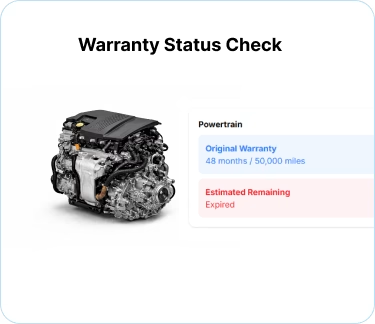
Powertrain
Original warranty
0 months / No data
Estimated remaining
Expired
Rust
Original warranty
0 months / No data
Estimated remaining
Expired
1996 Kenworth W900 Insurance
Insurance for a 1996 Kenworth W900 is moderately priced, reflecting its status as a Truck with strong safety ratings and
reasonable repair costs.
How Does the 1996 Kenworth W900 Compare to Other Truck?
The 1996 Kenworth W900 competed in a highly competitive Class 8 truck market. Its primary rivals included trucks like the Peterbilt 379, Freightliner FLD120, and International 9400i.
Performance: In terms of raw performance, the W900 was typically equipped with powerful Cummins, Caterpillar, or Detroit Diesel engines, offering robust horsepower and torque comparable to its rivals. Performance was largely dictated by engine choice and rear-end gearing, making them highly adaptable for various hauling needs. Rivals like the Peterbilt 379 often offered similar engine options and performance benchmarks. Freightliner and International also provided strong powertrains.
Features: The W900, alongside its Peterbilt sibling, was often considered a premium offering, emphasizing driver comfort and customization. Its iconic long hood and driver-centric interior often appealed more to owner-operators who valued aesthetics and a personalized driving environment. Freightliner and International trucks, while also offering comfort features, were sometimes perceived as more utilitarian or focused on cost-effectiveness, though still capable of high comfort levels in higher trims.
Reliability: Kenworth and Peterbilt have historically shared a reputation for strong build quality and reliability, often considered leaders in this regard. Their robust construction and durable components contributed to long service lives. Freightliner and International trucks also offered good reliability, though some might argue Kenworth and Peterbilt held a slight edge in overall build robustness and material quality for the era. The choice often came down to specific engine/component packages and maintenance history.
Price: As premium brands, Kenworth and Peterbilt typically commanded a higher price point when new compared to Freightliner or International trucks with similar specifications. The 1996 W900 would have been a significant investment.
Alternatives:
- Peterbilt 379: Very similar to the W900, sharing many components and a similar market positioning. A strong and comparable alternative.
- Freightliner FLD120: A very popular and reliable truck, often more budget-friendly. A good alternative if price is a major concern, though perhaps with a less iconic 'look'.
- International 9400i: Another solid contender offering good performance and reliability, often positioned slightly below Kenworth/Peterbilt in perceived prestige but still a capable workhorse.
For someone seeking a classic look and premium build quality, the W900 and 379 are top choices. If budget is more constrained but capability is still paramount, the FLD120 or 9400i are excellent alternatives. The 'best' choice depends heavily on the specific needs and priorities of the buyer.
Performance: In terms of raw performance, the W900 was typically equipped with powerful Cummins, Caterpillar, or Detroit Diesel engines, offering robust horsepower and torque comparable to its rivals. Performance was largely dictated by engine choice and rear-end gearing, making them highly adaptable for various hauling needs. Rivals like the Peterbilt 379 often offered similar engine options and performance benchmarks. Freightliner and International also provided strong powertrains.
Features: The W900, alongside its Peterbilt sibling, was often considered a premium offering, emphasizing driver comfort and customization. Its iconic long hood and driver-centric interior often appealed more to owner-operators who valued aesthetics and a personalized driving environment. Freightliner and International trucks, while also offering comfort features, were sometimes perceived as more utilitarian or focused on cost-effectiveness, though still capable of high comfort levels in higher trims.
Reliability: Kenworth and Peterbilt have historically shared a reputation for strong build quality and reliability, often considered leaders in this regard. Their robust construction and durable components contributed to long service lives. Freightliner and International trucks also offered good reliability, though some might argue Kenworth and Peterbilt held a slight edge in overall build robustness and material quality for the era. The choice often came down to specific engine/component packages and maintenance history.
Price: As premium brands, Kenworth and Peterbilt typically commanded a higher price point when new compared to Freightliner or International trucks with similar specifications. The 1996 W900 would have been a significant investment.
Alternatives:
- Peterbilt 379: Very similar to the W900, sharing many components and a similar market positioning. A strong and comparable alternative.
- Freightliner FLD120: A very popular and reliable truck, often more budget-friendly. A good alternative if price is a major concern, though perhaps with a less iconic 'look'.
- International 9400i: Another solid contender offering good performance and reliability, often positioned slightly below Kenworth/Peterbilt in perceived prestige but still a capable workhorse.
For someone seeking a classic look and premium build quality, the W900 and 379 are top choices. If budget is more constrained but capability is still paramount, the FLD120 or 9400i are excellent alternatives. The 'best' choice depends heavily on the specific needs and priorities of the buyer.
Final Verdict: Is the 1996 Kenworth W900 a Good Truck?
The 1996 Kenworth W900 is ideal for owner-operators and small fleets who value a classic aesthetic, legendary durability, and a comfortable driver experience. It is absolutely worth buying, but primarily in the used market, as new models are no longer produced. This truck is best suited for long-haul trucking or specialized heavy hauling where its robust performance and reliability are paramount.
Conditions for buying:
- Used Market is Key: Focus exclusively on the used market.
- Thorough Inspection: Prioritize a professional mechanical inspection, paying close attention to the engine, transmission, electrical system, and chassis for rust.
- Maintenance Records: A truck with a comprehensive maintenance history is crucial.
- Specific Trims: Consider your needs; a larger sleeper is essential for long-haul drivers, while a day cab is better for regional work.
A well-maintained 1996 W900 can still be a highly capable and cherished machine for the right buyer.
Conditions for buying:
- Used Market is Key: Focus exclusively on the used market.
- Thorough Inspection: Prioritize a professional mechanical inspection, paying close attention to the engine, transmission, electrical system, and chassis for rust.
- Maintenance Records: A truck with a comprehensive maintenance history is crucial.
- Specific Trims: Consider your needs; a larger sleeper is essential for long-haul drivers, while a day cab is better for regional work.
A well-maintained 1996 W900 can still be a highly capable and cherished machine for the right buyer.