
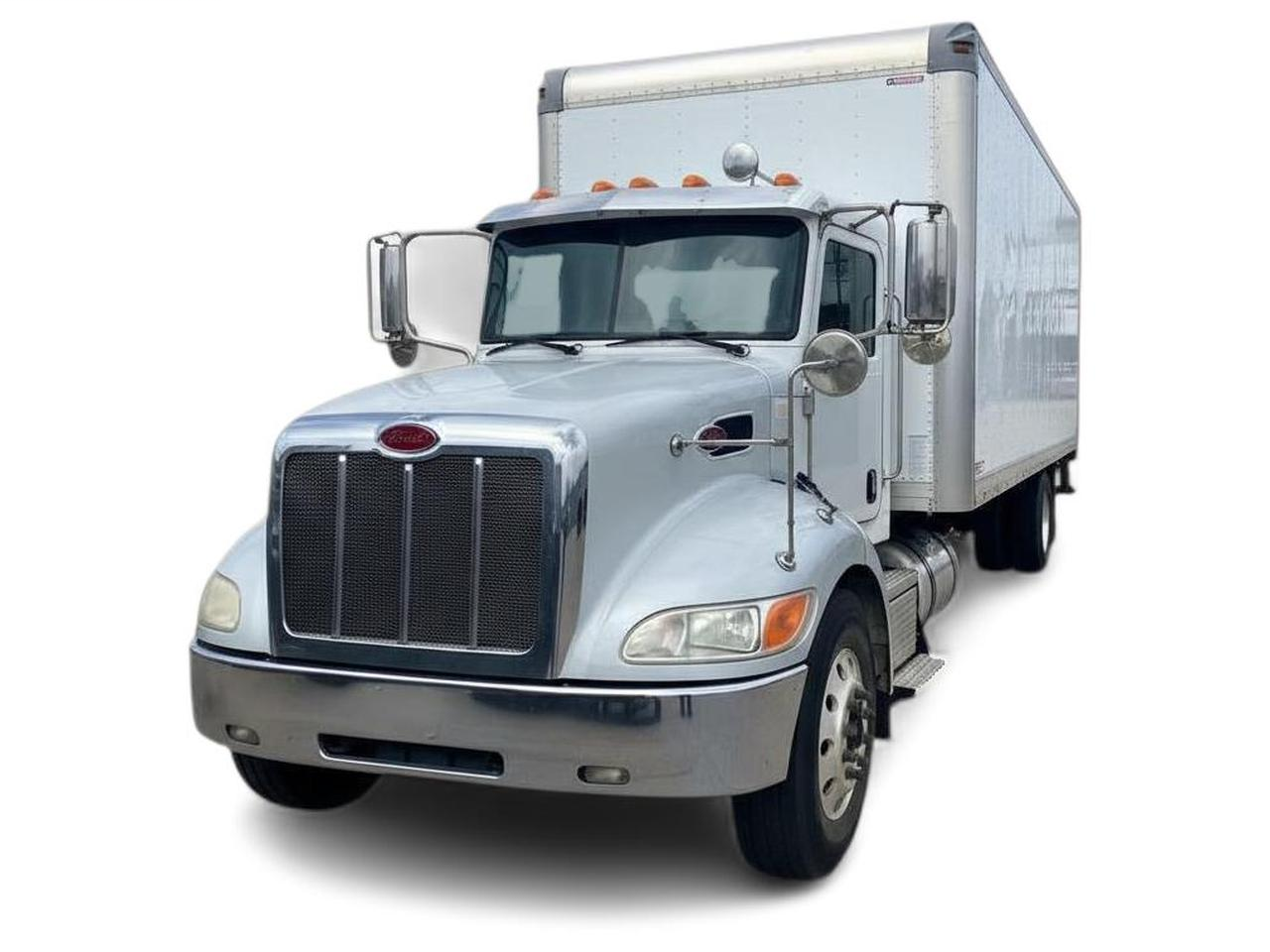
The Good
The 2016 Peterbilt 337 offers exceptional reliability and robust performance for demanding tasks. Its classic Peterbilt design appeals to pride of ownership, while the comfortable cab enhances driver productivity. This vocational truck provides strong value for its durability and operational efficiency, making it a smart, long-term investment.
The Bad
Potential weaknesses for the 2016 Peterbilt 337 can include the complexity of its emissions systems, which may require diligent maintenance. Older models might show wear and tear on interior components. Some owners report that its ride can be stiff when unloaded. Fuel economy, while acceptable for its class, is not its strongest suit.
2016 Peterbilt 337: Quick Overview
- Engine Options: The 2016 Peterbilt 337 typically offered a selection of PACCAR PX-7 and PX-9 engines, as well as Cummins ISB and ISC options. These are known for their robust performance and reliability in vocational applications.
- Horsepower: Horsepower ratings varied significantly depending on the engine chosen. PACCAR PX-7 engines generally ranged from approximately 200 to 325 horsepower, while the more powerful PACCAR PX-9 engines could offer up to 350-400 horsepower. Cummins engines also had a broad spectrum of power outputs suitable for different vocational needs.
- Fuel Economy: Specific MPG figures for vocational trucks like the Peterbilt 337 are highly variable and depend heavily on engine choice, transmission, axle ratios, load weight, driving style, and operating conditions. Generally, these trucks are not optimized for fuel economy in the way that a highway tractor might be, but rather for torque and durability. Expect figures in the range of 6-10 MPG, but this is a broad estimation.
- 0-60 Times: Official 0-60 mph times are not typically published for heavy-duty vocational trucks, as this metric is not relevant to their intended use. Performance is measured in terms of hauling capacity, hill-climbing ability, and acceleration under load, which are significantly slower than passenger vehicles.
- Towing/Payload Capacity: The 2016 Peterbilt 337 is designed for substantial work, with Gross Vehicle Weight Ratings (GVWR) typically ranging from 26,000 lbs up to 52,000 lbs or more, depending on configuration. This allows for significant payload and the ability to tow trailers for various vocational needs, such as dump bodies, utility equipment, or delivery trailers. Specific towing capacities depend on the chassis, axle configurations, and fifth wheel setup.
- Trim-Level Features: While Peterbilt vocational trucks are often customized, common features available for the 337 included:
- Durable and functional interior designs aimed at driver comfort and ease of operation for long hours.
- Various seating options, often with air-ride suspension for improved ride quality.
- Advanced diagnostics and information displays.
- Optional features could include upgraded HVAC systems, premium audio, power windows and locks (depending on spec), and advanced auxiliary lighting.
- The chassis itself is highly configurable for a wide array of body types, including dump trucks, concrete mixers, refuse trucks, and specialized service vehicles.
- Durable and functional interior designs aimed at driver comfort and ease of operation for long hours.
2016 Peterbilt 337 Specifications
Vehicle Information
| Year | 2016 |
| Make | Peterbilt |
| Model | 337 |
| Trim | - |
| Style | - |
| Type | Truck |
| Category | Medium Truck |
Manufacturing Details
| Made In | Canada |
| Manufacturing City | MONTREAL |
Dimensions
| Doors | - |
| Curb Weight | - |
| Gross Vehicle Weight Rating | 33000 pounds |
| Overall Height | - |
| Overall Length | - |
| Overall Width | - |
| Wheelbase Length | - |
| Standard Seating | - |
Engine & Performance
| Engine | 6.7L I6 |
| Engine Size | 6.7L |
| Engine Cylinders | 6 |
| Transmission | - |
| Transmission Type | - |
| Transmission Speeds | - |
| Drivetrain | Four-Wheel Drive |
Additional Features
| Anti-Brake System | - |
| Steering Type | - |
Pricing
| Manufacturer Suggested Retail Price (MSRP) | - |
| Invoice Price | - |
| Delivery Charges | - |
Vehicle History Report
Specifications
History
Events
History Check
Check
Check
Check
Check
Listings
Recalls
Check
Analysis
What Problems Does the 2016 Peterbilt 337 Have?
Another area to watch for on any used truck, including the 2016 337, is the condition of the drivetrain components. While PACCAR and Cummins engines are known for their longevity, issues can arise from improper maintenance, abuse, or simply high mileage. This includes wear on the transmission, clutch (if manual), differentials, and drive axles. Regular fluid changes and inspections are critical.
Electrical systems, while typically robust, can also be a source of problems over time. Issues might include faulty sensors, wiring harness wear and tear (especially in harsh vocational environments), or problems with the control modules. For the 2016 model year specifically, while no widespread, model-year-specific catastrophic failures are widely reported, individual component failures can occur on any vehicle.
Recalls for Peterbilt trucks are generally issued for safety-related defects. Owners should always check the NHTSA website or consult a Peterbilt dealer with the vehicle's VIN to determine if any recalls are outstanding for a specific 2016 337. Common recall areas for trucks in general can include braking system components, steering linkages, or issues with specific safety systems. Long-term reliability for the 2016 Peterbilt 337 heavily depends on the original specification, how it was utilized, and the quality of its maintenance regimen. Trucks used in severe service, such as construction sites with heavy dirt and debris, may experience accelerated wear on suspension, brakes, and cooling systems compared to those used in cleaner, less demanding applications.
How long will the 2016 Peterbilt 337 last?
What Technology & Safety Features are Included?
Driver-assistance features on a 2016 vocational truck are usually more rudimentary compared to modern passenger cars. Advanced systems like adaptive cruise control, lane departure warning, or automatic emergency braking were less common or available only as expensive optional packages, often tailored for specific fleet needs. Standard safety features revolve around robust construction, effective braking systems (air brakes are common), and essential lighting. Some models might have offered basic stability control systems or advanced visibility aids like power mirrors with integrated turn signals.
Optional features were extensive and dictated by the vocational application. These could include specialized lighting packages, advanced telematics for fleet management and driver monitoring, enhanced climate control systems, and various power take-off (PTO) options for auxiliary equipment. Regarding crash-test ratings, formal ratings from organizations like the NHTSA or IIHS specifically for vocational truck models like the Peterbilt 337 are not typically conducted or published in the same way as for light-duty vehicles. The design emphasis is on structural integrity, occupant protection through reinforced cabs, and compliance with heavy-duty safety regulations. The inherent strength and robust build of Peterbilt trucks are their primary safety attributes. Advanced safety features were largely left to the discretion of the buyer through optional packages rather than being standard offerings.
What Colors Options are Available?
2016 Peterbilt 337 Prices and Market Value
2016 Peterbilt 337 Cost of Ownership
2016 Peterbilt 337 Fuel Efficiency
2016 Peterbilt 337 Recalls & Defects
Tires
Seat Belts
Electrical System:ignition:module
Engine and Engine Cooling:engine
Steering:linkages:tie ROD Assembly
Steering
Electronic Stability Control (Esc)
Service Brakes, Air:antilock:abs Warning Light
2016 Peterbilt 337 Warranty
Basic
Powertrain
Rust
2016 Peterbilt 337 Insurance
reasonable repair costs.
How Does the 2016 Peterbilt 337 Compare to Other Truck?
Regarding features, the 2016 337 offers a functional and durable interior, prioritizing driver comfort for long hours. While not as laden with luxury or advanced infotainment as some newer consumer vehicles, its focus on practicality and uptime is a key strength. Competitors like the Freightliner M2 106 might offer slightly more modern interior aesthetics or a wider array of optional technology packages in certain configurations.
In terms of reliability, Peterbilt trucks have a stellar reputation for long-term durability and robust construction, often considered a benchmark in the industry. While rivals like Kenworth also boast high reliability, Peterbilt frequently edges out others in perceived build quality and longevity, especially in severe vocational applications. The PACCAR engines are known for their resilience.
Concerning price, the 2016 Peterbilt 337 typically represented a premium investment when new, often commanding a higher price than comparable Freightliner or International models, reflecting its brand prestige and build quality. Used, its value retention is strong. Similar alternatives include the Kenworth T370, which shares many components with Peterbilt (both being PACCAR brands) and offers comparable performance and reliability, often at a slightly more competitive price point depending on configuration. The Freightliner M2 106 is another strong competitor, often offering a broader range of engine choices and potentially more advanced technological options, and can sometimes be found at a more accessible price point, both new and used. For buyers prioritizing maximum durability and a classic vocational truck feel, the Peterbilt 337 remains an excellent choice. If cost-effectiveness or slightly more modern amenities are higher priorities, the Kenworth T370 or Freightliner M2 106 are highly recommended alternatives.
Final Verdict: Is the 2016 Peterbilt 337 a Good Truck?

Cathleen V
Cathleen is an exceptional freelance writer covering hot topics in the automotive world from a gearhead's perspective. Her articles delve into various aspects of automotive technology and history, offering readers detailed insights into engine performance, reliability, and maintenance. Through her engaging and informative writing, Cathleen provides valuable information to automotive enthusiasts and consumers alike, helping them make informed decisions about vehicle maintenance and purchases.