
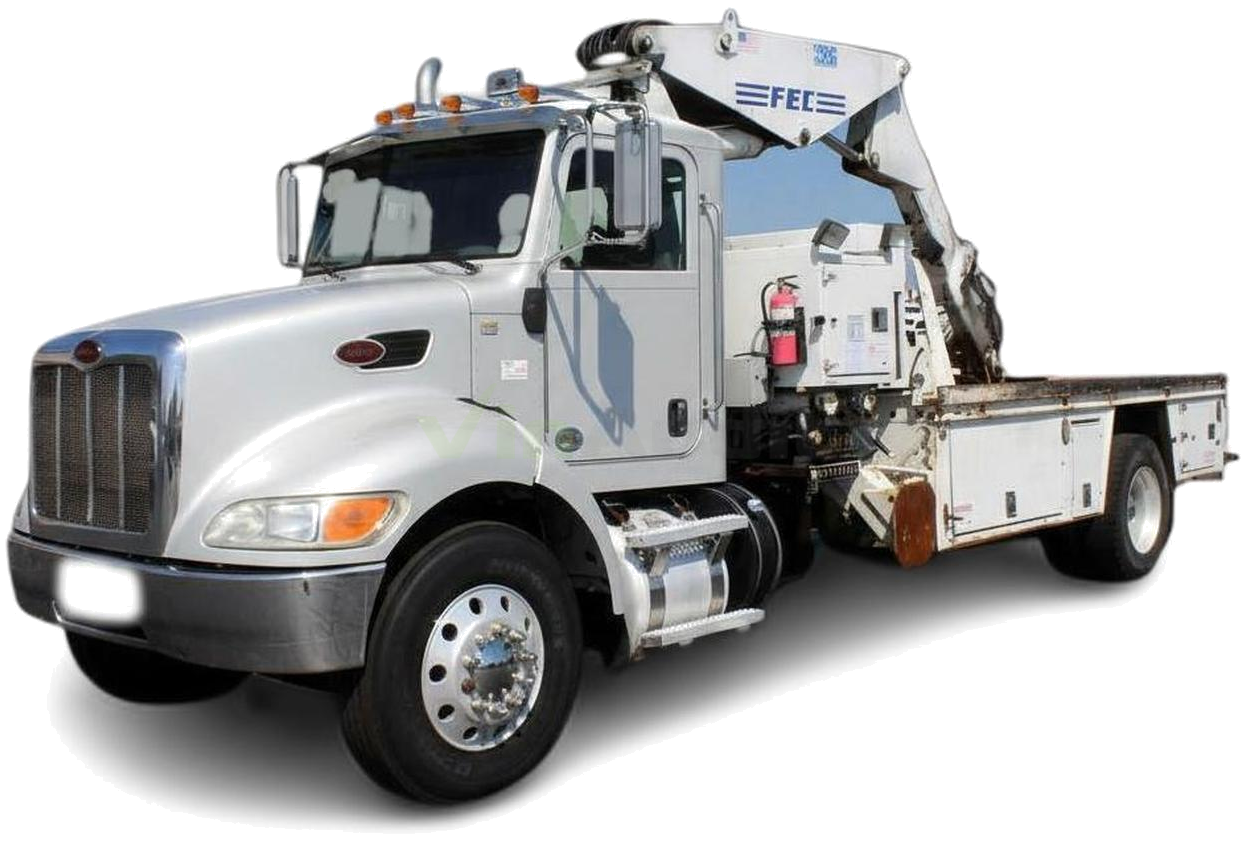
The Good
The 2012 Peterbilt 337 excels in durability and operational efficiency, offering a comfortable and commanding driving experience. Its robust design instills confidence for demanding tasks, while its proven reliability translates to lower downtime and a strong return on investment for practical buyers. The iconic Peterbilt look also appeals to those who value pride in their equipment.
The Bad
Potential weaknesses of the 2012 Peterbilt 337 can include the complexity and cost of specific aftermarket components or specialized vocational upfits. While generally reliable, older trucks may exhibit wear and tear on suspension or exhaust systems. It's crucial to inspect for any signs of rust, especially in harsh climates, and ensure all electrical systems function correctly.
2012 Peterbilt 337: Quick Overview
- Engine Options: The 2012 Peterbilt 337 was typically offered with PACCAR PX-7 diesel engines. These engines are known for their robust performance in vocational applications. Some units might have been configured with other compatible engines depending on specific vocational needs and chassis applications.
- Horsepower: PACCAR PX-7 engines in this era generally ranged from approximately 200 horsepower up to 325 horsepower, with torque figures often in the 520-750 lb-ft range. Specific horsepower would depend on the chosen engine rating and configuration.
- Fuel Economy: Fuel economy for a Class 7 truck like the 337 is highly variable and depends significantly on load, terrain, driving style, and the specific engine and transmission configuration. Official MPG ratings are not typically provided for commercial trucks in the same way as passenger vehicles. However, owners often report figures ranging from 6 to 10 miles per gallon under various operating conditions.
- 0-60 Times: 0-60 mph acceleration is not a primary performance metric for vocational trucks. These vehicles are designed for torque and sustained power rather than rapid acceleration.
- Towing Capacity: The towing capacity is not a fixed specification for a truck chassis like the 337. It depends entirely on the specific vocational body mounted and the Gross Vehicle Weight Rating (GVWR) of the truck. With appropriate configurations, the 337 can be equipped to tow significant loads, often in the tens of thousands of pounds, depending on its build and intended application.
- Trim-Level Features: Peterbilt trucks are highly configurable, and formal trim levels are less common than in consumer vehicles. Features are determined by the vocational body installed and optional equipment selected. Common features and options include:
- Various axle configurations (single, tandem)
- Different wheelbase lengths
- Air or hydraulic brakes
- Power take-off (PTO) options for operating auxiliary equipment
- Specialized vocational bodies (e.g., utility bodies, dump beds, service bodies, tow trucks, refuse bodies)
- Cab options (standard cab, extended cab if available)
- Driver comfort features such as air conditioning, comfortable seating, and basic instrumentation.
- Advanced diagnostics and electronic control units (ECUs) for engine and chassis monitoring.
2012 Peterbilt 337 Specifications
Vehicle Information
| Year | 2012 |
| Make | Peterbilt |
| Model | 337 |
| Trim | - |
| Style | - |
| Type | Truck |
| Category | Medium Truck |
Manufacturing Details
| Made In | Canada |
| Manufacturing City | MONTREAL |
Dimensions
| Doors | - |
| Curb Weight | - |
| Gross Vehicle Weight Rating | 330001 pounds |
| Overall Height | - |
| Overall Length | - |
| Overall Width | - |
| Wheelbase Length | - |
| Standard Seating | - |
Engine & Performance
| Engine | 8.3L I6 |
| Engine Size | 8.3L |
| Engine Cylinders | 6 |
| Transmission | - |
| Transmission Type | - |
| Transmission Speeds | - |
| Drivetrain | Rear-Wheel Drive |
Additional Features
| Anti-Brake System | - |
| Steering Type | - |
Pricing
| Manufacturer Suggested Retail Price (MSRP) | - |
| Invoice Price | - |
| Delivery Charges | - |
Vehicle History Report
Specifications
History
Events
History Check
Check
Check
Check
Check
Listings
Recalls
Check
Analysis
What Problems Does the 2012 Peterbilt 337 Have?
One area to monitor could be the PACCAR PX-7 engine. While generally reliable, like any diesel engine, they can develop issues over time. This might include issues with the fuel injection system, turbocharger wear, or the exhaust gas recirculation (EGR) system, especially if maintenance schedules are not strictly adhered to. Coolant leaks or radiator issues can also arise, leading to overheating.
The transmission, whether manual or automatic, can also be a point of concern. Clutch wear in manual transmissions and potential issues with the torque converter or internal seals in automatic transmissions are possibilities in older, high-mileage trucks. Drivetrain components like the driveshaft, U-joints, and differentials can experience wear and require servicing or replacement.
On the chassis and suspension side, issues such as worn shock absorbers, leaf springs, or kingpins can affect ride quality and handling. Brake systems, including air brake components or hydraulic systems, require regular inspection and maintenance to ensure safety and proper function. Electrical systems, while generally robust, can sometimes develop gremlins related to wiring harnesses, sensors, or control modules as they age.
Specific recalls for the 2012 model year Peterbilt 337 would need to be checked against the National Highway Traffic Safety Administration (NHTSA) database. However, general long-term reliability depends heavily on the initial build quality, the specific vocational application, the intensity of its use, and crucially, the diligent adherence to maintenance and repair protocols throughout its service life. A well-maintained 2012 Peterbilt 337 can still offer excellent service, but prospective buyers should be aware of the potential for component wear and the associated maintenance costs.
How long will the 2012 Peterbilt 337 last?
What Technology & Safety Features are Included?
Driver Information and Controls: Expect a robust dashboard with clear instrumentation for engine diagnostics, speed, fuel levels, and warning lights. Electronic control units (ECUs) would manage engine performance and provide diagnostic data accessible through an onboard interface. The steering wheel would likely be functional, with basic controls for lights and wipers.
Entertainment: Entertainment systems would be rudimentary. Options might include an AM/FM radio, and potentially an auxiliary input for a CD player or an early form of digital audio. Bluetooth connectivity for hands-free calling or audio streaming was not standard and would have been an optional aftermarket or factory add-on if available.
Driver-Assistance Features: Advanced driver-assistance systems (ADAS) were not common in vocational trucks of this generation. Features like cruise control would have been standard or a common option for highway driving. Depending on the specific vocational configuration, some basic safety-related features might have been integrated, such as heated mirrors for improved visibility in adverse weather.
Safety Features: Standard safety features would include heavy-duty seatbelts, robust cab construction designed to withstand impacts, and a comprehensive braking system (often air brakes for enhanced stopping power). Visibility is generally good due to the truck's upright design and large windows. ABS (Anti-lock Braking System) would likely be a standard or readily available option.
Optional Features: Many features were optional and dependent on the specific vocational upfit. These could include specialized lighting packages, auxiliary power outlets, enhanced interior comfort options like upgraded seats or a sleeper compartment (though less common on the 337), and potentially more advanced diagnostic tools. Telematics systems for fleet management and tracking could also have been integrated as optional equipment.
Crash-Test Ratings: Commercial trucks like the Peterbilt 337 do not undergo the same type of crash-test ratings as passenger cars or light-duty SUVs from organizations like the NHTSA or IIHS. Their safety is evaluated based on their structural integrity, braking performance, and compliance with Federal Motor Vehicle Safety Standards (FMVSS) for heavy-duty vehicles. The focus is on occupant protection in extreme scenarios and overall vehicle stability and control.
What Colors Options are Available?
2012 Peterbilt 337 Prices and Market Value
2012 Peterbilt 337 Cost of Ownership
2012 Peterbilt 337 Fuel Efficiency
2012 Peterbilt 337 Recalls & Defects
Equipment:electrical
Service Brakes, Air:supply:check Valve
AIR Bags
Electrical System
Engine and Engine Cooling:engine
Tires
Seat Belts
Electronic Stability Control (Esc)
Service Brakes, Air:antilock:abs Warning Light
2012 Peterbilt 337 Warranty
Basic
Powertrain
Rust
2012 Peterbilt 337 Insurance
reasonable repair costs.
How Does the 2012 Peterbilt 337 Compare to Other Truck?
Performance: Peterbilt is known for its robust chassis and reliable PACCAR engines. The 337 generally offers competitive engine power and torque for vocational tasks, often matching or exceeding competitors like the International TerraStar in terms of raw capability. Freightliner's M2 series also provides strong performance, with various engine options and chassis configurations.
Features: In 2012, feature sets were largely driven by vocational needs. Peterbilt's advantage lies in its customization and the ability to spec trucks precisely for specific applications. While rivals might offer similar basic comfort and safety features, Peterbilt often emphasizes build quality and driver ergonomics. The integration of specific vocational bodies is a key differentiator for all these trucks, and Peterbilt's strong dealer network can support specialized upfits. Newer models from any manufacturer might offer more advanced tech, but for a 2012 model, the Peterbilt 337 holds its own in terms of practical, work-oriented features.
Reliability: Peterbilt has a long-standing reputation for exceptional reliability and durability, often considered a benchmark in the industry. While all heavy-duty trucks require rigorous maintenance, Peterbilt vehicles are frequently praised for their longevity and robust construction, which can translate to fewer unexpected breakdowns over time compared to some competitors. Kenworth, also part of PACCAR, shares similar reliability traits. Freightliner and International also produce dependable trucks, but Peterbilt and Kenworth often have a slight edge in perceived long-term durability and resale value.
Price: New pricing would have been competitive, with Peterbilt often positioned as a premium option. Used prices for a 2012 337 reflect its strong resale value, often being slightly higher than comparable models from other brands due to its reputation.
Alternatives: Similar alternatives include the Kenworth T170/T270 (sharing PACCAR heritage and reliability), the Freightliner M2 106, and the International TerraStar. For specific vocational needs, one might also consider chassis from Hino or Isuzu, though they often target lighter-duty segments. The choice often comes down to brand loyalty, dealer support in a specific region, and the specific vocational upfit required.
Final Verdict: Is the 2012 Peterbilt 337 a Good Truck?
It is absolutely worth buying if you prioritize long-term durability and operational uptime over cutting-edge technology. Focus on inspecting the specific vocational body and the truck's maintenance history. A well-maintained 2012 337, particularly one with lower mileage for its age and a clean service record, offers excellent value. It is generally not recommended to seek this truck new given its age, but as a used purchase, it represents a sound investment for demanding work, provided it meets the specific needs of its intended application.

Jovan
Jovan specializes in interpreting vehicle records and making sense of VIN data. With over 10 years of experience in the automotive data industry, his work ensures that every report is clear, accurate, and useful for car buyers.