
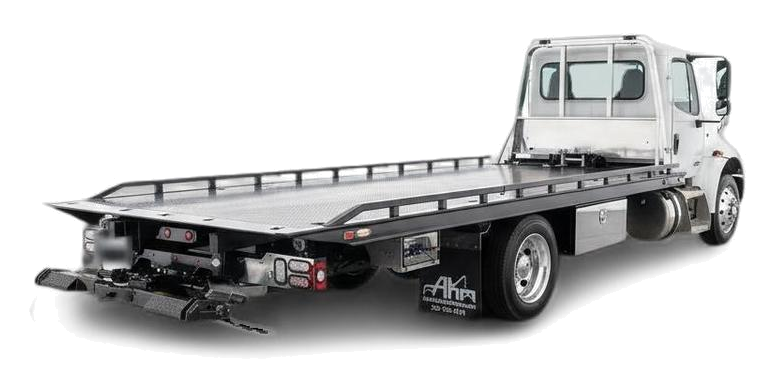
The Good
The 2021 Peterbilt 337 boasts exceptional reliability and robust performance, built to withstand rigorous use. Its driver-centric cab offers surprising comfort for long hauls, while its distinctive Peterbilt design conveys professional pride. Practically, its efficiency and long-term value make it a smart investment for businesses.
The Bad
Potential weaknesses for the 2021 Peterbilt 337 include its higher initial purchase price compared to some competitors. Some operators might find the standard technology features less advanced than newer, more consumer-oriented vehicles. Additionally, depending on the specific vocational upfit, maneuverability in extremely tight urban environments could be a consideration.
2021 Peterbilt 337: Quick Overview
- Engine Options: The 2021 Peterbilt 337 typically offers a choice between the PACCAR PX-7 and the Cummins ISB engine. The PACCAR PX-7 is a well-regarded in-line 6-cylinder diesel engine known for its durability and efficiency in medium-duty applications. The Cummins ISB engine is another robust option, providing reliable power for various vocational needs.
- Horsepower: Horsepower ratings vary depending on the selected engine and configuration. The PACCAR PX-7 can range from approximately 220 horsepower to 300 horsepower, while the Cummins ISB can offer similar or slightly higher outputs, often in the 260-300 horsepower band. Torque figures are equally important for heavy lifting and are substantial, typically exceeding 600 lb-ft.
- Fuel Economy: Specific MPG figures are not officially published for commercial trucks as they are highly dependent on load, terrain, driving style, and axle ratios. However, the 337 is designed for operational efficiency within its class, with diesel engines optimized for fuel savings in its intended vocational roles.
- 0-60 Times: 0-60 mph acceleration times are generally not a primary metric for commercial trucks like the Peterbilt 337, as their purpose is hauling and work, not rapid acceleration. Performance is focused on torque and power delivery for load-carrying.
- Towing Capacity: The towing capacity is significant and dictated by the truck's Gross Vehicle Weight Rating (GVWR), Gross Combination Weight Rating (GCWR), and the specific chassis configuration. The 337 is rated for substantial towing, often in the range of 26,000 lbs GVWR and higher GCWRs allowing for considerable trailer weights, suitable for various vocational towing needs.
- Trim-Level Features: Peterbilt trucks do not have traditional "trims" in the passenger car sense. Instead, features are highly customizable based on vocational application and customer specifications. Standard features often include a durable interior, power steering, air brakes, and a comfortable driver's seat. Optional features can encompass advanced climate control, premium interior materials, a variety of suspension options (air or spring), specialized lighting, and integrated auxiliary power take-off (PTO) systems for vocational equipment. The cab itself, while functional, is designed for driver comfort and ease of operation with intuitive controls and excellent visibility.
2021 Peterbilt 337 Specifications
Vehicle Information
| Year | 2021 |
| Make | Peterbilt |
| Model | 337 |
| Trim | - |
| Style | - |
| Type | Truck |
| Category | Heavy Truck |
Manufacturing Details
| Made In | Canada |
| Manufacturing City | MONTREAL |
Dimensions
| Doors | - |
| Curb Weight | - |
| Gross Vehicle Weight Rating | 33000 pounds |
| Overall Height | - |
| Overall Length | - |
| Overall Width | - |
| Wheelbase Length | - |
| Standard Seating | - |
Engine & Performance
| Engine | 6.7L I6 |
| Engine Size | 6.7L |
| Engine Cylinders | 6 |
| Transmission | - |
| Transmission Type | - |
| Transmission Speeds | - |
| Drivetrain | Four-Wheel Drive |
Additional Features
| Anti-Brake System | - |
| Steering Type | - |
Pricing
| Manufacturer Suggested Retail Price (MSRP) | - |
| Invoice Price | - |
| Delivery Charges | - |
Vehicle History Report
Specifications
History
Events
History Check
Check
Check
Check
Check
Listings
Recalls
Check
Analysis
What Problems Does the 2021 Peterbilt 337 Have?
Potential areas for attention, common across many medium-duty trucks, include exhaust aftertreatment systems (DEF systems), which require proper maintenance and can be sensitive to fuel quality. Drivetrain components, while robust, will naturally require periodic inspection and maintenance, especially under heavy or continuous use. Brake systems, due to their critical role, should be regularly checked for wear.
Recalls for the 2021 Peterbilt 337 are infrequent and typically address specific, isolated components that have been identified as potential safety concerns by the manufacturer or regulatory bodies. For instance, a recall might involve a specific batch of a particular sensor or a minor issue with a wiring harness. These are usually addressed promptly by dealerships.
Long-term reliability is a hallmark of Peterbilt, and the 337 is no exception. With regular and appropriate maintenance as outlined in the owner's manual, these trucks are designed to last for many years and hundreds of thousands of miles. Weaknesses, if they emerge, are more likely to be related to the specific vocational upfits or the environment in which the truck operates rather than inherent flaws in the Peterbilt chassis itself. Owners should pay attention to fluid changes, filter replacements, and regular chassis lubrication to ensure optimal longevity.
How long will the 2021 Peterbilt 337 last?
What Technology & Safety Features are Included?
Technology and entertainment features are typically more basic compared to consumer vehicles. Standard offerings often include a digital driver display for essential vehicle information, a basic AM/FM/MP3 capable radio, and power windows. Bluetooth connectivity for hands-free calling may be available as an option or standard depending on specific configurations.
Driver-assistance features are generally limited in standard configurations. While Peterbilt offers advanced options on higher-spec or custom builds, the 337 in its common vocational setups prioritizes core functionality. Optional features that might enhance safety and driver comfort include heated mirrors, auxiliary lighting, and possibly a backup alarm. Advanced systems like lane departure warnings or adaptive cruise control are less common on this model, as its design is geared towards utility and direct driver control.
Crash-test ratings are not typically published for commercial trucks like the Peterbilt 337 by organizations like the NHTSA or IIHS, as their safety is evaluated based on different standards related to their heavy-duty operational purpose. The cab structure is designed for extreme durability and driver protection in demanding work environments, with robust materials and engineering principles focused on survivability in potential incidents. The emphasis is on structural integrity and active safety systems like brakes to prevent accidents.
What Colors Options are Available?
2021 Peterbilt 337 Prices and Market Value
Peterbilt trucks generally hold their value well due to their reputation for durability and reliability. Depreciation is usually moderate for this class of vehicle, especially when well-maintained. Factors affecting resale value include the truck's service history, the condition of its tires and drivetrain, the presence and desirability of its vocational equipment (e.g., a dump body, a service body), and overall market conditions for commercial vehicles. A truck with lower mileage and comprehensive maintenance records will command a higher price.
2021 Peterbilt 337 Cost of Ownership
2021 Peterbilt 337 Fuel Efficiency
2021 Peterbilt 337 Recalls & Defects
Fuel System, Diesel:fuel Injection System:fuel Rail
Electrical System:software
Service Brakes, Hydraulic:antilock/Traction Control/Electronic Limited Slip:control Unit/module
2021 Peterbilt 337 Warranty
Basic
Powertrain
Rust
2021 Peterbilt 337 Insurance
reasonable repair costs.
How Does the 2021 Peterbilt 337 Compare to Other Truck?
Performance: The Peterbilt 337, with its PACCAR PX-7 or Cummins ISB engines, offers robust and reliable power delivery, excelling in vocational applications requiring torque and hauling capability. Its performance is on par with or slightly superior to many competitors in its class, particularly in terms of raw durability and drivetrain strength. Freightliner and International also offer comparable engine options, providing strong performance. Hino trucks often focus on fuel efficiency within their performance envelope.
Features: Peterbilt is known for its driver-centric cab design, prioritizing ergonomics and comfort, which is a significant advantage. The 337's cab offers excellent visibility and a well-laid-out dashboard. While standard technology might be more utilitarian, customization options are vast. Competitors like Freightliner M2 106 and International MV also offer comfortable cabs and a range of available technology and safety features, often with more advanced infotainment options as standard or optional packages. Hino trucks are generally positioned as more value-oriented, with feature sets that match their price point.
Reliability: Peterbilt has a legendary reputation for reliability and build quality, and the 337 generally upholds this. Its robust construction is a key selling point, often leading to longer service lives. While International and Freightliner are also reliable, Peterbilt frequently leads in perceived build quality and durability. Hino trucks also have a good reputation for reliability, particularly in specific applications.
Price: The 2021 Peterbilt 337 is typically positioned at a higher price point than many of its competitors, reflecting its premium brand status and build quality. The International MV and Freightliner M2 106 often present a more competitive pricing structure, while Hino trucks are generally the most budget-friendly in this class.
Recommendations: For those prioritizing ultimate durability, driver comfort, and a premium vocational truck, the Peterbilt 337 is an excellent choice, albeit at a higher cost. If budget is a primary concern, the Hino 268/338 offers strong reliability and capability for less investment. The Freightliner M2 106 and International MV Series provide a balance of performance, features, and price, making them strong alternatives that are very capable in similar vocational roles and often offer a wider array of technology options. The choice often comes down to specific vocational needs, budget, and brand preference. If advanced technology is a must, exploring higher trims of the M2 or MV series might be beneficial.
Final Verdict: Is the 2021 Peterbilt 337 a Good Truck?
Whether it's worth buying depends on priorities. If top-tier build quality and Peterbilt's renowned longevity are paramount, and the budget allows, it is absolutely worth considering, especially when purchased used with a well-documented maintenance history. Buying new offers the benefit of customization and warranty, but comes at a premium. For those seeking a dependable workhorse that holds its value well, a well-maintained used 2021 Peterbilt 337 represents a sound investment. It might not be the most tech-forward or budget-friendly option, but its core strengths lie in its enduring performance and operational integrity.

Cathleen V
Cathleen is an exceptional freelance writer covering hot topics in the automotive world from a gearhead's perspective. Her articles delve into various aspects of automotive technology and history, offering readers detailed insights into engine performance, reliability, and maintenance. Through her engaging and informative writing, Cathleen provides valuable information to automotive enthusiasts and consumers alike, helping them make informed decisions about vehicle maintenance and purchases.