
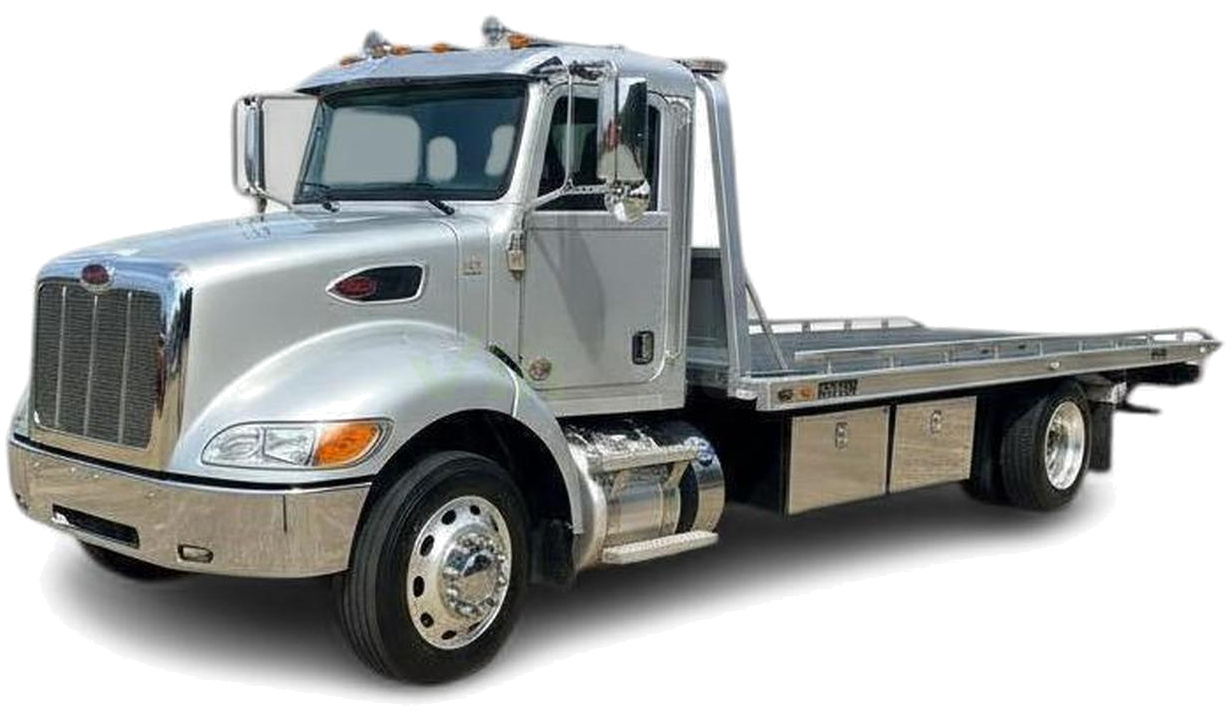
The 2020 Peterbilt 337 is a versatile medium-duty conventional truck known for its robust build and adaptability. Primarily used for vocational applications like construction, delivery, and towing, it has been a staple in Peterbilt's lineup for many years. Key trims often revolve around engine and chassis configurations rather than distinct model names. New pricing typically ranged from approximately $100,000 to $150,000, depending on specifications. Its popularity stems from Peterbilt's reputation for quality, driver comfort, and customizable options, making it a trusted choice for businesses.
The Good
The 2020 Peterbilt 337 excels with its strong performance suitable for demanding tasks, legendary Peterbilt reliability, and a surprisingly comfortable cab for its class. Its classic Peterbilt styling appeals emotionally, while the robust engineering and value proposition satisfy practical buyers seeking a durable, efficient workhorse.
The Bad
Potential weaknesses for the 2020 Peterbilt 337 can include a higher initial purchase price compared to some competitors. Some owners may find certain interior materials less premium than expected for the brand. Additionally, like many vocational trucks, specific configurations might have trade-offs in fuel economy or maneuverability depending on the intended use.
2020 Peterbilt 337: Quick Overview
- Engine Options: The 2020 Peterbilt 337 typically offered robust PACCAR PX-7 diesel engines. Other options could include Cummins ISB or ISC engines depending on specific configurations and customer needs. These engines are known for their durability and torque delivery.
- Horsepower: Horsepower ratings for the PACCAR PX-7 engines in the 2020 337 generally ranged from approximately 200 hp to 325 hp. Higher torque figures were also available to provide strong pulling power.
- Fuel Economy: Fuel economy for vocational trucks like the 337 is highly variable and depends heavily on the engine, transmission, load, terrain, and driving style. A general estimate might be in the range of 8-12 miles per gallon (MPG), but this can fluctuate significantly.
- 0-60 Times: 0-60 mph times are not a primary metric for this class of vehicle and are rarely tested or published. These trucks are designed for work, not acceleration. Performance is measured more by torque and hauling capability.
- Towing Capacity: The towing capacity of the 2020 Peterbilt 337 is substantial and depends on the chassis configuration, axle rating, and any specific towing packages installed. It is designed to handle medium-duty towing needs, with Gross Combined Weight Ratings (GCWR) often exceeding 50,000 lbs for certain setups.
- Trim-Level Features: While Peterbilt doesn't typically have distinct 'trims' in the same way as consumer vehicles, features are highly customizable. Common features and options include:
- Various cab configurations (day cab, extended day cab)
- Different axle ratios and suspension systems for specific vocational needs
- Multiple wheelbase options
- A wide array of PTO (Power Take-Off) options for auxiliary equipment
- Advanced diagnostics and telematics systems
- Comfort and convenience features like upgraded seating, climate control, and infotainment options (though typically more functional than luxurious)
- Driver assistance features (e.g., ABS, optional stability control)
- Robust electrical systems to support various upfits
- Durable interior materials designed for heavy use
2020 Peterbilt 337 Specifications
Vehicle Information
| Year | 2020 |
| Make | Peterbilt |
| Model | 337 |
| Trim | - |
| Style | - |
| Type | Truck |
| Category | Medium Truck |
Manufacturing Details
| Made In | Canada |
| Manufacturing City | MONTREAL |
Dimensions
| Doors | - |
| Curb Weight | - |
| Gross Vehicle Weight Rating | 33000 pounds |
| Overall Height | - |
| Overall Length | - |
| Overall Width | - |
| Wheelbase Length | - |
| Standard Seating | - |
Engine & Performance
| Engine | 6.7L I6 |
| Engine Size | 6.7L |
| Engine Cylinders | 6 |
| Transmission | - |
| Transmission Type | - |
| Transmission Speeds | - |
| Drivetrain | Rear-Wheel Drive |
Additional Features
| Anti-Brake System | - |
| Steering Type | - |
Pricing
| Manufacturer Suggested Retail Price (MSRP) | - |
| Invoice Price | - |
| Delivery Charges | - |
Vehicle History Report
Specifications
History
Events
History Check
Check
Check
Check
Check
Listings
Recalls
Check
Analysis
What Problems Does the 2020 Peterbilt 337 Have?
The 2020 Peterbilt 337, being a relatively modern vocational truck, generally boasts a strong reputation for reliability. However, like any heavy-duty vehicle, specific issues can arise over time or with certain configurations. Frequently reported concerns for Peterbilt trucks in this class, and potentially applicable to the 2020 337, often revolve around the powertrain and exhaust after-treatment systems. For instance, issues with the Diesel Particulate Filter (DPF) regeneration system or the Selective Catalytic Reduction (SCR) system can occur, especially if the truck is used primarily for short-haul, stop-and-go city driving, which doesn't allow for proper DPF burn-off. Owners have sometimes reported issues with sensors related to these emissions systems, leading to fault codes and potential derates. Another area that might require attention is the electrical system, particularly with complex upfits and auxiliary equipment. Wiring harnesses and connections for things like liftgates, cranes, or specialized lighting can sometimes be a source of intermittent electrical gremlins if not installed meticulously. While specific widespread mechanical failures are not commonly cited for the 2020 model year, ongoing maintenance is crucial. Regular fluid changes, filter replacements, and adherence to the manufacturer's maintenance schedule are paramount to preventing issues. Recalls for the 2020 Peterbilt 337 would be specific and would have been communicated through official channels. It's always advisable for owners to check the NHTSA website or consult a Peterbilt dealer with the VIN to ascertain any outstanding recalls. Long-term reliability is heavily dependent on the specific PACCAR or Cummins engine chosen, the transmission type, and the quality of the vocational body installed. Trucks that are well-maintained and not consistently overloaded or abused tend to exhibit exceptional longevity, often serving fleets for many years and hundreds of thousands of miles.
How long will the 2020 Peterbilt 337 last?
The 2020 Peterbilt 337 is built for longevity, with owners and fleets often expecting and achieving hundreds of thousands of miles, sometimes exceeding 500,000 miles or more, before major overhauls. With diligent and consistent maintenance, including regular oil changes, filter replacements, and inspections, these trucks can reliably serve for 10-15 years. The inherent durability of Peterbilt chassis and PACCAR engines is a significant strength. Weaknesses that can emerge over extended service life typically relate to wear and tear on components like suspension, brakes, and exhaust systems, as well as potential issues with emissions control systems if not properly maintained or if the truck is used in demanding short-cycle applications. However, the core structure and powertrain are designed for substantial service life.
What Technology & Safety Features are Included?
The 2020 Peterbilt 337 prioritizes functionality and safety over cutting-edge infotainment found in passenger vehicles, reflecting its vocational purpose. Standard tech includes robust diagnostic tools, an integrated dashboard for monitoring vehicle systems, and a straightforward climate control system. Entertainment options are typically basic, often consisting of an AM/FM radio with auxiliary input, with optional satellite radio or Bluetooth connectivity available depending on the specific build and options chosen. More advanced infotainment systems with touchscreens are less common but can be spec'd by some upfitters or as aftermarket additions.
Driver-assistance features are becoming more prevalent in vocational trucks. Standard safety features include Anti-lock Braking System (ABS) for enhanced control during braking. Optional features may include Electronic Stability Control (ESC), which can help prevent rollovers and loss of control, particularly important for trucks carrying heavy or tall loads. Depending on the configuration and body builder, features like backup cameras and advanced lighting systems for improved visibility could also be specified. Lane departure warning systems are less common in this class of truck compared to heavy-duty tractor-trailers.
Crash-test ratings for vocational trucks like the Peterbilt 337 are not conducted by agencies like the NHTSA or IIHS in the same manner as passenger cars or SUVs. Instead, their safety is evaluated based on meeting stringent federal Motor Vehicle Safety Standards (FMVSS). Peterbilt designs its cabs with driver protection in mind, incorporating strong pillars, reinforced doors, and safety glass. The structural integrity of the chassis and cab is engineered to withstand significant stress, providing a robust safety cell for the driver.
What Colors Options are Available?
2020 Peterbilt 337 Prices and Market Value
When new, the 2020 Peterbilt 337 typically had a starting price in the range of $100,000 to $150,000, heavily influenced by engine choice, chassis specifications, and any specialized bodywork or upfits. Current used market prices for a 2020 Peterbilt 337 can vary widely, often ranging from $60,000 to $120,000 or more. Factors significantly impacting resale value include mileage, overall condition, maintenance history, the presence of desirable features or specific vocational bodies (e.g., a well-maintained dump body or service body), and market demand for particular configurations. Peterbilt trucks generally hold their value well due to their reputation for durability and build quality, often depreciating at a slower rate than many other commercial vehicles.
2020 Peterbilt 337 Cost of Ownership
Owning a 2020 Peterbilt 337 involves considerable costs. Insurance premiums can be substantial, reflecting the vehicle's value and commercial use. Fuel costs are a significant factor, with efficiency depending on the engine and usage, but generally higher than smaller vehicles. Maintenance and repair costs are also considerable; while reliable, parts and specialized labor for Peterbilt trucks can be premium. Routine maintenance is crucial to mitigate more expensive repairs down the line. Overall, the 337 is a robust investment for businesses that require its capabilities, but it is not an economical vehicle to own in terms of day-to-day operating expenses. Its cost-effectiveness lies in its productivity and longevity.
2020 Peterbilt 337 Fuel Efficiency
2020 Peterbilt 337 Recalls & Defects
Steering:column
Fuel System, Diesel:fuel Injection System:fuel Rail
Steering:critical Fasteners
2020 Peterbilt 337 Warranty
Basic
Powertrain
Rust
2020 Peterbilt 337 Insurance
reasonable repair costs.
How Does the 2020 Peterbilt 337 Compare to Other Truck?
The 2020 Peterbilt 337 competes in the medium-duty vocational truck segment against strong contenders like the Freightliner M2 106, International MV Series, and Kenworth T270/T370. In terms of performance, the 337, powered by PACCAR PX-7 engines, offers robust torque and power delivery suitable for demanding vocational applications, often matching or exceeding competitors in heavy-duty hauling. Reliability is a hallmark of Peterbilt, and the 337 generally upholds this reputation with durable construction and proven powertrains, often considered superior to some rivals in long-term durability.
Features on the 337 tend to be more focused on vocational functionality and driver ergonomics than extensive tech suites. While rivals like Freightliner M2 might offer more contemporary dashboard designs or optional advanced telematics, the Peterbilt's interior is built for durability and ease of use in a work environment. Price-wise, Peterbilt trucks often carry a premium compared to some competitors upon initial purchase, reflecting their perceived quality and brand prestige. However, this higher initial cost is often offset by stronger resale value and potentially lower long-term repair costs due to superior build quality.
Alternatives to Consider:
- Freightliner M2 106: A very popular choice, offering a wide range of configurations, competitive pricing, and a modern interior design. It's a strong all-around performer with good reliability.
- International MV Series: Known for its ruggedness and strong dealer network, the MV series provides robust performance and various customization options for vocational needs.
- Kenworth T270/T370: As sister brands under PACCAR, Kenworth trucks share many components with Peterbilt and offer similar levels of durability and performance, often with slightly different styling or option packages.
The choice between these often comes down to specific application needs, dealer support, and individual brand preference. For those prioritizing ultimate build quality, driver comfort in a vocational setting, and strong resale value, the Peterbilt 337 remains an excellent choice. If budget is a primary concern or specific technological features are paramount, the Freightliner M2 106 could be a more suitable alternative.
Final Verdict: Is the 2020 Peterbilt 337 a Good Truck?
The 2020 Peterbilt 337 is ideally suited for businesses and owner-operators who require a dependable, durable, and versatile medium-duty truck for demanding vocational applications such as construction, delivery services, towing, or utility work. It's an excellent choice for those who prioritize long-term reliability, robust performance, and driver comfort over flashy technology. It is worth buying, especially on the used market, where its significant durability can offer excellent value compared to its new price. Buying used is often the most sensible option, provided the truck has a solid maintenance history and is inspected thoroughly. Specific trims are less important than ensuring the engine, transmission, and chassis configuration precisely match the intended use. For anyone needing a workhorse that will last for hundreds of thousands of miles with proper care, the 337 is a sound investment.

Drew B
Drew is a seasoned automotive expert and contributor to VinCheck.info. With nearly 15 years of experience as a former Porsche technician, he brings a wealth of hands-on knowledge to his writing. Born in North Carolina, a region renowned for its deep-rooted NASCAR culture, Drew developed a passion for cars early in life, often building and working on vehicles from a young age. At VINCheck, Drew leverages his extensive technical background to provide in-depth analyses of various vehicles. His articles often focus on engine performance, reliability, and maintenance insights, offering readers practical information grounded in real-world experience. Some of his notable contributions include reviews on the Mazda CX-5's longevity and detailed examinations of engine options for models like the 2011 Toyota Camry and Tacoma