
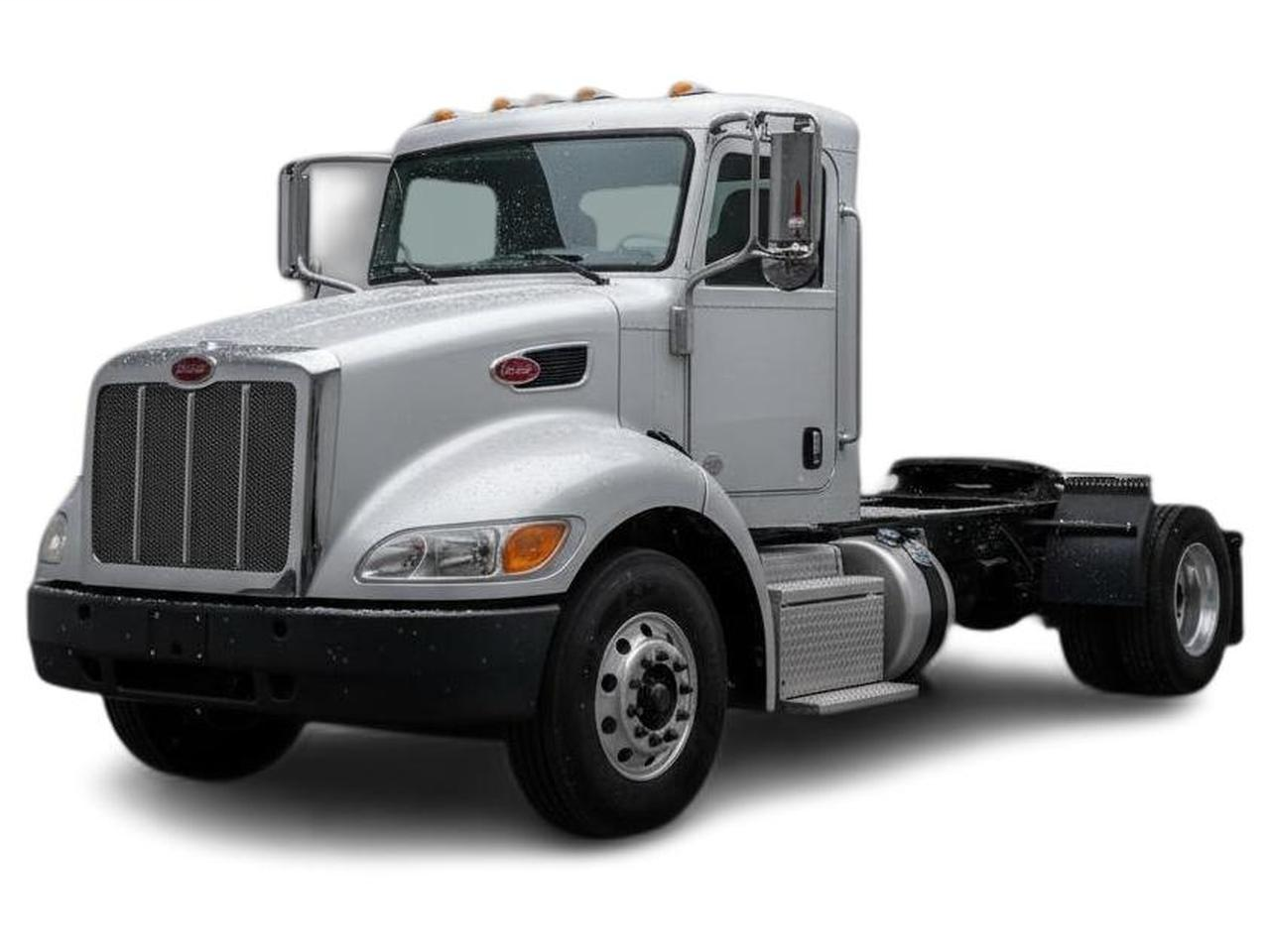
The Good
The 2018 Peterbilt 337 excels in performance with potent engine options, unwavering reliability, and a surprisingly comfortable cab for long hauls. Its iconic Peterbilt design appeals to pride, while its durable construction and strong resale value offer practical, long-term economic benefits for any operator.
The Bad
Potential owners of the 2018 Peterbilt 337 should be aware of the possibility of higher initial purchase costs compared to some competitors. Some users have reported that certain electronic components or cabin amenities might feel less advanced than in newer models. Thorough pre-purchase inspection is advised.
2018 Peterbilt 337: Quick Overview
- Engine Options: The 2018 Peterbilt 337 typically offered robust PACCAR PX-7 diesel engines. Specific configurations could vary, but commonly included:
- PACCAR PX-7: Ranging from 200 to 325 horsepower and 520 to 750 lb-ft of torque.
- Horsepower: As mentioned, horsepower ratings for the PX-7 engines in the 337 typically spanned from 200 hp to 325 hp, catering to different load and operational demands.
- Fuel Economy: Fuel economy is highly dependent on application, load, driving style, and specific engine configuration. As a medium-duty diesel truck, real-world figures could range from 8 to 14 miles per gallon (MPG). Precise EPA estimates are not generally published for vocational trucks of this type, as usage varies drastically.
- 0-60 Times: 0-60 mph times are not a standard metric for trucks of this class, as their primary purpose is hauling loads rather than rapid acceleration. Performance is measured more by torque, gradeability, and hauling speed under load.
- Towing Capacity: The 2018 Peterbilt 337, depending on its configuration (axles, suspension, engine), is capable of handling significant towing and hauling duties. Gross Vehicle Weight Ratings (GVWR) often ranged from 26,000 lbs to 66,000 lbs or higher when configured as a tractor. This translates to substantial towing capacities, often in the tens of thousands of pounds for fifth-wheel or gooseneck trailers, and GCWRs (Gross Combined Weight Ratings) exceeding 70,000 lbs. Specific towing numbers would be dependent on the exact chassis and axle configurations.
- Trim-Level Features: While not having traditional passenger car trim levels (like LX or Limited), features were highly configurable. Common options and features included:
- Cab Configurations: Day cab or various sleeper cab options.
- Suspension: Various air and spring suspension options for ride quality and load-bearing capacity.
- Braking Systems: Air brakes were standard, with options for advanced ABS.
- Interior Amenities: Driver-focused cockpits with ergonomic controls, comfortable seating, and options for upgraded infotainment and HVAC systems.
- Chassis Configurations: Single axle, tandem axle, and various wheelbase options to suit different body types (box trucks, flatbeds, tankers, etc.).
- Safety Features: Standard safety equipment and optional advanced driver-assistance systems.
2018 Peterbilt 337 Specifications
Vehicle Information
| Year | 2018 |
| Make | Peterbilt |
| Model | 337 |
| Trim | - |
| Style | - |
| Type | Truck |
| Category | Medium Truck |
Manufacturing Details
| Made In | Canada |
| Manufacturing City | MONTREAL |
Dimensions
| Doors | - |
| Curb Weight | - |
| Gross Vehicle Weight Rating | 33000 pounds |
| Overall Height | - |
| Overall Length | - |
| Overall Width | - |
| Wheelbase Length | - |
| Standard Seating | - |
Engine & Performance
| Engine | 6.7L I6 |
| Engine Size | 6.7L |
| Engine Cylinders | 6 |
| Transmission | - |
| Transmission Type | - |
| Transmission Speeds | - |
| Drivetrain | Rear-Wheel Drive |
Additional Features
| Anti-Brake System | - |
| Steering Type | - |
Pricing
| Manufacturer Suggested Retail Price (MSRP) | - |
| Invoice Price | - |
| Delivery Charges | - |
Vehicle History Report
Specifications
History
Events
History Check
Check
Check
Check
Check
Listings
Recalls
Check
Analysis
What Problems Does the 2018 Peterbilt 337 Have?
A common area of focus for medium and heavy-duty trucks, including the 337, is related to the diesel particulate filter (DPF) system and exhaust after-treatment systems. These components, designed to meet emissions standards, can sometimes become clogged or require regeneration, especially if the truck is used primarily for short-haul or stop-and-go urban driving, which doesn't allow for sufficient exhaust heat. Maintenance and proper operational practices are crucial to mitigate these issues.
Electrical system glitches, though not excessively prevalent, can occur over time. This might include issues with dashboard lights, sensors, or ancillary systems. The complexity of modern vehicle electronics means that occasional faults are possible, and diagnosing these can sometimes be intricate.
Regarding specific model year recalls for 2018 Peterbilt 337 trucks, it's always best to consult the National Highway Traffic Safety Administration (NHTSA) database or Peterbilt's official recall information. Recalls are typically issued for specific safety-related defects. Common recall areas for trucks of this era can sometimes involve issues with braking systems, steering components, or certain electronic control modules. However, without access to a real-time recall lookup for this specific model year and VIN range, it's difficult to pinpoint exact issues. A general trend to watch for in heavy-duty trucks as they age is wear and tear on suspension components, driveline, and exhaust systems, which are subject to significant stress.
Long-term reliability is heavily influenced by the quality of maintenance performed. Regular oil changes, fluid checks, filter replacements, and proactive inspections by qualified technicians are paramount to ensuring the longevity and consistent performance of a 2018 Peterbilt 337. Owners who adhere to a strict maintenance schedule are far less likely to encounter major mechanical failures. The PACCAR PX-7 engines are generally well-regarded for their durability when properly cared for.
How long will the 2018 Peterbilt 337 last?
Weaknesses that can emerge over time and high mileage include the natural wear and tear on suspension components, wheel bearings, exhaust systems, and turbochargers. The diesel particulate filter (DPF) system, while essential for emissions, can also require attention and potential replacement or cleaning if not maintained properly, particularly with mixed operational use. Electrical components and sensors can also be a point of failure as the truck ages. However, the core powertrain and chassis of the Peterbilt 337 are known for their robustness and ability to withstand demanding work environments for extended periods.
What Technology & Safety Features are Included?
Built-in Tech & Entertainment: While not a luxury vehicle, the 337 is designed with the driver's workplace in mind. Standard technology typically includes a functional instrument cluster with essential readouts for engine performance, fuel levels, and diagnostics. Entertainment options are often more basic, with options for an AM/FM radio and possibly an auxiliary input for portable devices. More advanced aftermarket or optional integrated infotainment systems might include Bluetooth connectivity for hands-free calling and audio streaming, and potentially a simple touchscreen display for navigation or media. The focus here is on practicality and minimizing driver distraction.
Driver-Assistance Features: Advanced driver-assistance systems (ADAS) were less common and less sophisticated on medium-duty trucks in 2018 compared to modern passenger vehicles. However, optional features could have included:
- Collision Mitigation Systems: Some trucks might have been equipped with forward-looking radar systems designed to warn the driver of impending collisions and, in some cases, apply braking assistance.
- Lane Departure Warning: Systems that alert the driver if the vehicle begins to drift out of its lane.
- Adaptive Cruise Control: While less common in this class, some heavy-duty applications might have offered variants of adaptive cruise control.
Safety Features: Standard safety features include robust air brake systems with Anti-lock Braking System (ABS) for improved control during braking. The sturdy construction of the Peterbilt chassis and cab provides a strong protective shell for the occupants. Seatbelts are, of course, standard. Visibility is typically good due to the conventional truck design and large windows.
Crash-Test Ratings: Specific crash-test ratings, in the same vein as passenger cars and SUVs from organizations like the IIHS or NHTSA for their frontal, side, and rollover tests, are generally not available or applicable to commercial vocational trucks like the Peterbilt 337. These vehicles are designed and tested to meet rigorous federal motor vehicle safety standards (FMVSS) for commercial vehicles, which focus on occupant protection during operational scenarios and structural integrity under heavy load conditions, rather than standardized consumer-level crash tests.
What Colors Options are Available?
2018 Peterbilt 337 Prices and Market Value
Currently, the used market prices for a 2018 Peterbilt 337 can vary widely, generally ranging from $40,000 to $80,000 or more. This price fluctuation is primarily driven by mileage, overall condition, maintenance history, the presence of desirable options or equipment, and regional market demand.
Peterbilt trucks, in general, exhibit strong resale value compared to many other commercial vehicles due to their reputation for durability and build quality. Depreciation is more significant in the first few years and with higher mileage, as is typical for any vehicle. However, well-maintained 337s with lower mileage tend to hold their value exceptionally well. Factors that positively affect resale value include a comprehensive service history, a clean chassis, functional vocational equipment, and a desirable engine/transmission combination. Conversely, extensive wear and tear, a history of major repairs, or a lack of maintenance records will decrease resale value.
2018 Peterbilt 337 Cost of Ownership
2018 Peterbilt 337 Fuel Efficiency
2018 Peterbilt 337 Recalls & Defects
Power Train:clutch Assembly
Electronic Stability Control (Esc)
Service Brakes, Air:antilock:abs Warning Light
Fuel System, Diesel:fuel Injection System:fuel Rail
Steering:critical Fasteners
2018 Peterbilt 337 Warranty
Basic
Powertrain
Rust
2018 Peterbilt 337 Insurance
reasonable repair costs.
How Does the 2018 Peterbilt 337 Compare to Other Truck?
Performance: In terms of performance, the 337, powered by PACCAR PX-7 engines, offers competitive power and torque figures, suitable for vocational applications. Freightliner's M2 106 and Kenworth's T270/T370 are often equipped with comparable Cummins or PACCAR engines, offering similar hauling capabilities. The Peterbilt often stands out for its robust chassis and drivetrain engineered for heavy-duty use.
Features: Feature sets can be highly customized across all these brands. The Peterbilt 337 typically offers a no-nonsense, driver-centric interior focused on functionality and durability. Competitors like the Freightliner M2 106 might offer a slightly more contemporary interior design or a wider array of optional technology packages, depending on the specific configuration. Kenworth trucks often share a similar ethos of ruggedness and driver comfort with Peterbilt. International's MV Series (or its predecessors) and Volvo's VHD also provide strong vocational platforms with various engine and cab options. The Peterbilt's hallmark is its legendary build quality and customization potential, allowing operators to tailor it precisely to their needs.
Reliability: Peterbilt, along with Kenworth (both owned by PACCAR), generally holds a strong reputation for long-term reliability and durability. Their vehicles are known for their robust construction and longevity in demanding work environments. Freightliner and Volvo also produce reliable trucks, but Peterbilt and Kenworth are often perceived as having a slight edge in terms of outright toughness and resistance to wear and tear over many years and high mileage. International's reliability can be more varied depending on the specific model and powertrain, though they are capable workhorses.
Price: New pricing for these medium-duty trucks is generally comparable, with Peterbilt and Kenworth often being at the higher end of the spectrum due to their premium brand positioning and build quality. Freightliner and International may offer slightly more competitive pricing on base models. The used market prices will reflect this, with Peterbilts and Kenworths often retaining their value better.
Recommendations:
- Similar Alternatives: The Kenworth T270/T370 is a very close competitor, offering similar PACCAR powertrains and a comparable focus on durability and driver comfort. The Freightliner M2 106 is another strong contender, often providing a good balance of features, performance, and competitive pricing, especially in the used market.
- Consider If: If absolute durability, a legendary brand name, and excellent resale value are top priorities, the 2018 Peterbilt 337 is an excellent choice.
- Potentially Better Alternatives: For operators seeking potentially more advanced technology integration or a slightly lower initial purchase price (especially used), the Freightliner M2 106 or certain Volvo VHD configurations might be worth exploring. However, for sheer ruggedness and long-term value retention, the Peterbilt 337 remains a benchmark.
Final Verdict: Is the 2018 Peterbilt 337 a Good Truck?
It is absolutely worth buying, particularly on the used market where its initial depreciation has occurred. The vehicle offers exceptional value when its durable construction and strong resale potential are considered against its operational life. Buyers should focus on well-maintained examples with documented service history. While new models were expensive, a used 2018 337 presents an opportunity to acquire a premium vocational truck at a more accessible price point. Prioritize trucks with lower mileage and configurations that match your specific operational needs. Thorough inspection is always recommended.

Jovan
Jovan specializes in interpreting vehicle records and making sense of VIN data. With over 10 years of experience in the automotive data industry, his work ensures that every report is clear, accurate, and useful for car buyers.