
The Good
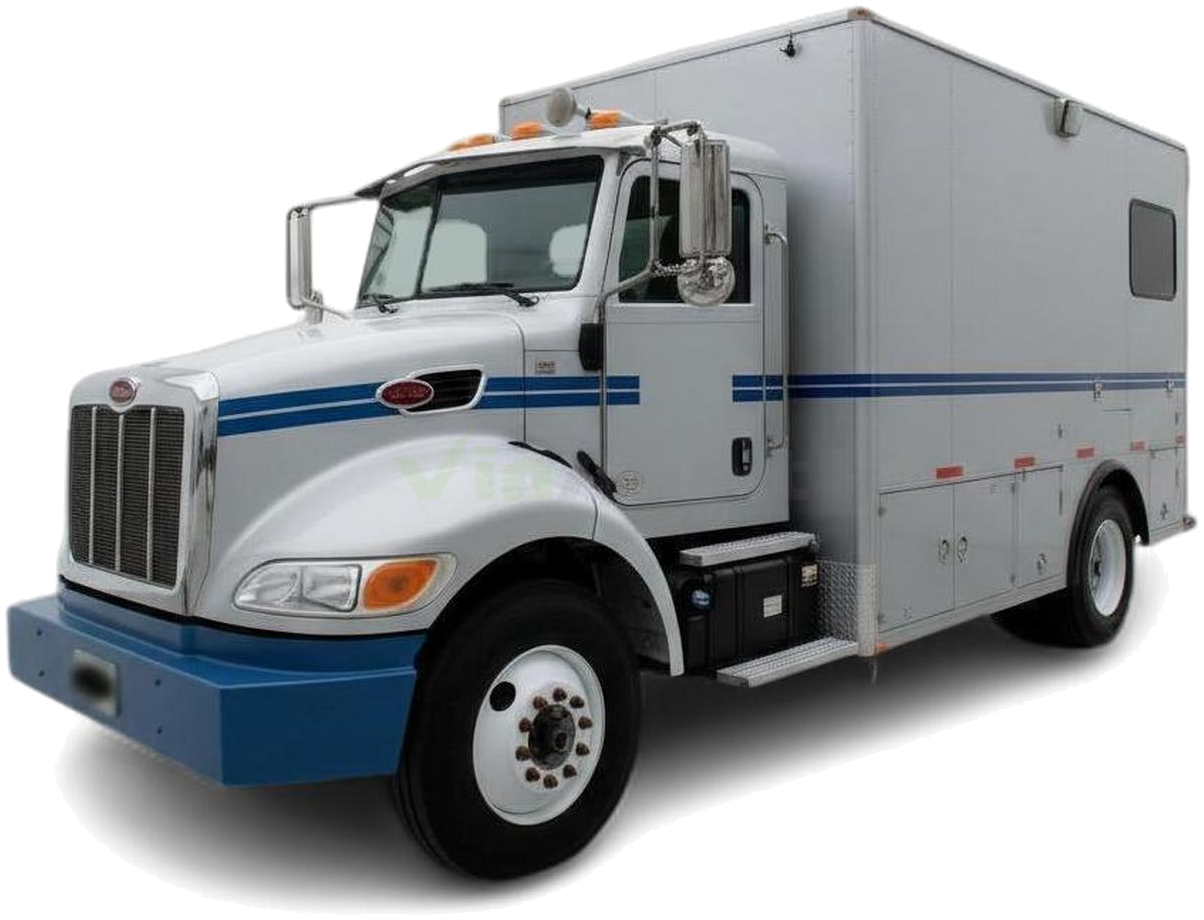
The 2013 Peterbilt 337 boasts robust performance and exceptional reliability, backed by Peterbilt's legendary build quality. Its classic "big rig" design appeals emotionally, while practical buyers appreciate its strong resale value, comfortable cabin, and versatile chassis for various vocational needs. Drivers often praise its smooth ride and superior visibility, contributing to overall operational efficiency and pride of ownership.
The Bad
Potential weaknesses for the 2013 Peterbilt 337 include the complex emissions systems (DPF/DEF), which can be costly to maintain or repair if not properly cared for. These systems were relatively new technology in 2013, leading to occasional sensor failures or regeneration issues. Additionally, parts and specialized labor for Peterbilt can be more expensive than some competitors, and the dealer network might be less extensive in certain rural areas.
2013 Peterbilt 337: Quick Overview
- Engine Options: The 2013 Peterbilt 337 typically offered a range of medium-duty diesel engines. Common options included the PACCAR PX-7 (6.7-liter) and Cummins ISB (6.7-liter) or ISL (8.9-liter) engines, providing a balance of power and efficiency for various applications.
- Horsepower: Horsepower ratings varied significantly based on the chosen engine and its calibration. The PACCAR PX-7 and Cummins ISB generally offered outputs ranging from approximately 200 to 300 horsepower. The larger Cummins ISL could provide even higher power, often exceeding 300 horsepower, for more demanding tasks. Torque figures were substantial, crucial for vocational work.
- Fuel Economy: Fuel economy for a medium-duty truck like the 337 is highly dependent on its specific application, load, gearing, driving style, and terrain. Operators typically reported fuel economy figures ranging from 6 to 10 miles per gallon (MPG). Heavier loads, frequent stop-and-go driving, and power take-off (PTO) usage would naturally lower these numbers.
- 0-60 Times: The 0-60 mph acceleration time is not a relevant performance metric for vocational trucks of this class. Their design prioritizes torque, durability, and hauling capability over quick acceleration. Expect gradual acceleration suitable for commercial operations.
- Towing Capacity/GVWR: The Peterbilt 337's Gross Vehicle Weight Rating (GVWR) typically ranged from 26,000 to 33,000 pounds, depending on axle configuration and suspension. When equipped with a hitch, its Gross Combination Weight Rating (GCWR) for towing a trailer could be significantly higher, often reaching 40,000 to 60,000 pounds or more, making it suitable for towing substantial loads like construction equipment trailers or large commercial trailers.
- Trim-Level Features: Unlike passenger vehicles, the 337 did not have traditional "trim levels." Instead, features were highly customizable based on application. Key interior and chassis options included:
- Interior Comfort: Air-ride seats (driver and passenger), power windows and locks, premium gauge clusters, adjustable steering column, and various material choices for improved comfort during long shifts.
- Chassis Configuration: Multiple wheelbase options, various axle capacities, different suspension types (spring or air-ride), and diverse PTO (Power Take-Off) options for specific vocational body integration (e.g., dump, mixer, crane, refuse).
- Driver Amenities: Standard AM/FM radio, often with CD players or auxiliary inputs. Air conditioning and heating were standard.
2013 Peterbilt 337 Specifications
Vehicle Information
| Year | 2013 |
| Make | Peterbilt |
| Model | 337 |
| Trim | - |
| Style | - |
| Type | Truck |
| Category | Medium Truck |
Manufacturing Details
| Made In | Canada |
| Manufacturing City | MONTREAL |
Dimensions
| Doors | - |
| Curb Weight | - |
| Gross Vehicle Weight Rating | 330001 pounds |
| Overall Height | - |
| Overall Length | - |
| Overall Width | - |
| Wheelbase Length | - |
| Standard Seating | - |
Engine & Performance
| Engine | 8.3L I6 |
| Engine Size | 8.3L |
| Engine Cylinders | 6 |
| Transmission | - |
| Transmission Type | - |
| Transmission Speeds | - |
| Drivetrain | Rear-Wheel Drive |
Additional Features
| Anti-Brake System | - |
| Steering Type | - |
Pricing
| Manufacturer Suggested Retail Price (MSRP) | - |
| Invoice Price | - |
| Delivery Charges | - |
Vehicle History Report
Specifications
History
Events
History Check
Check
Check
Check
Check
Listings
Recalls
Check
Analysis
What Problems Does the 2013 Peterbilt 337 Have?
Beyond emissions, some owners have reported electrical gremlins, including wiring harness issues, intermittent dashboard warnings, or problems with power windows and mirrors. Air system leaks from hoses, fittings, or the air dryer are also typical wear-and-tear items that can lead to compressor overwork or braking issues if not addressed promptly. Suspension components, such as bushings, leaf springs, or air bags, can wear out over time, especially in vocational applications involving heavy loads or rough terrain.
Regarding recalls, specific recalls for the 2013 Peterbilt 337 would require consulting the National Highway Traffic Safety Administration (NHTSA) database. Historically, Peterbilt, like all manufacturers, has issued recalls for various components ranging from steering mechanisms and brake systems to electrical issues or even minor label discrepancies. Prospective buyers should always check a specific VIN against NHTSA's recall database. Long-term reliability is generally good for the core driveline, but careful maintenance of the emissions system and regular checks of ancillary components are crucial to avoid significant expenses as the truck ages.
How long will the 2013 Peterbilt 337 last?
However, long-term weaknesses often appear in the emissions systems (DPF/DEF), which can become increasingly problematic and costly with age and accumulated miles. Ancillary components such as alternators, starters, air compressors, and various sensors are also prone to failure over time. Regular maintenance, including diligent fluid changes and addressing minor issues promptly, is paramount to achieving maximum service life and mitigating these common long-term wear items.
What Technology & Safety Features are Included?
For entertainment, the standard setup usually comprised an AM/FM radio, often with a CD player. An auxiliary input for external media devices might have been an optional or higher-spec feature. Bluetooth connectivity for hands-free calling or audio streaming was less common as a factory option in 2013 but could be found in premium packages or added via aftermarket solutions.
Driver-assistance features were minimal compared to modern vehicles. Standard features typically included anti-lock braking systems (ABS), traction control (often optional depending on configuration), and cruise control. Advanced driver-assistance systems (ADAS) such as lane departure warning, automatic emergency braking, or blind-spot monitoring were not prevalent in medium-duty trucks of this vintage. The focus was on fundamental safety systems that improve basic vehicle control.
Safety features primarily involved robust construction. The 337 featured a strong, all-steel conventional cab designed to withstand demanding commercial use. Air brakes were standard, offering superior stopping power. As with most commercial trucks, formal crash-test ratings from organizations like NHTSA or IIHS, which are common for passenger vehicles, are not typically conducted or published for vocational medium-duty trucks. Safety relies heavily on the truck's sturdy build, effective braking systems, and the driver's skill.
What Colors Options are Available?
2013 Peterbilt 337 Prices and Market Value
In today's used market (2024), prices for a 2013 Peterbilt 337 can vary widely, typically falling between $25,000 and $60,000+, largely dependent on mileage, overall condition, maintenance history, and the specific vocational body it carries. A well-maintained truck with a desirable upfit will command a premium.
Peterbilt trucks generally hold their value well compared to some competitors, benefiting from a perception of superior quality and durability. Initial depreciation is steep, as with all commercial vehicles, but it tends to level off after the first few years. Factors significantly affecting resale value include the health of the engine and emissions system, condition of the tires and brakes, lack of major rust, hours on the engine/PTO (if applicable), and completeness of service records. A clean title and operational specialized equipment are also crucial.
2013 Peterbilt 337 Cost of Ownership
Overall, the 2013 Peterbilt 337 is not "economical" to own in the traditional sense; it's a commercial asset with high operating expenses typical for its class. However, its durability and reliability, if well-maintained, offer a good return on investment for businesses by minimizing downtime and maximizing productivity.
2013 Peterbilt 337 Fuel Efficiency
2013 Peterbilt 337 Recalls & Defects
Service Brakes, Air:supply:check Valve
AIR Bags
Electrical System
Engine and Engine Cooling:engine
Seat Belts
Electronic Stability Control (Esc)
Service Brakes, Air:antilock:abs Warning Light
2013 Peterbilt 337 Warranty
Basic
Powertrain
Rust
2013 Peterbilt 337 Insurance
reasonable repair costs.
How Does the 2013 Peterbilt 337 Compare to Other Truck?
In terms of performance, the 337, with its available PACCAR PX-7 or Cummins ISB/ISL engines, offers comparable power and torque to its rivals. Freightliner and International also frequently utilize Cummins engines, while Kenworth (a PACCAR sibling) shares the PX series. Hino, a Toyota subsidiary, uses its proprietary engines, known for efficiency. Performance largely depends on specific engine and transmission configurations chosen for the application, but the 337 is generally considered a strong performer.
Features across this class are functional, focusing on utility rather than luxury. Peterbilt often distinguishes itself with a more premium interior finish and a "big rig" aesthetic that some drivers prefer. The M2 106 is known for its practical, no-frills approach, while the DuraStar offers a spacious cab. The T370 is virtually identical to the 337 in many mechanical aspects, being from the same parent company (PACCAR). Hino trucks are respected for their ergonomics and straightforward design.
Reliability is a key differentiator. Peterbilt and Kenworth trucks consistently rank highly for durability and longevity, often perceived as top-tier. Freightliner M2s are ubiquitous and generally reliable but might not carry the same "premium" reputation. International DuraStar models of this era have had mixed reviews regarding reliability, particularly concerning some emissions system components. Hino trucks are often praised for their Japanese engineering and solid reliability records.
Regarding price, the Peterbilt 337 typically commanded a slight premium when new and often retains a stronger used market value than Freightliner or International, aligning more closely with Kenworth. This premium reflects its perceived quality and brand appeal.
Similar alternatives that are nearly interchangeable with the 337 in terms of quality and components would be the Kenworth T370. For a potentially more budget-friendly option, the Freightliner M2 106 is a very common and capable choice. If Japanese reliability and efficiency are a priority, the Hino 268 is an excellent alternative. The choice often comes down to brand preference, specific vocational requirements, and available dealer support in a given region.
Final Verdict: Is the 2013 Peterbilt 337 a Good Truck?
For many, buying a 2013 Peterbilt 337 as a used vehicle represents strong value. It's worth buying if you can find a well-maintained example with comprehensive service records. Crucially, pay close attention to the health of the DPF/DEF emissions system, as these can be significant repair costs for trucks of this age. Thorough pre-purchase inspections are highly recommended. Consider specific configurations or "trims" based on the vocational upfit you require. While new pricing was substantial, its proven quality and longevity make it a solid investment in the used market, provided its past maintenance has been diligent.

Drew B
Drew is a seasoned automotive expert and contributor to VinCheck.info. With nearly 15 years of experience as a former Porsche technician, he brings a wealth of hands-on knowledge to his writing. Born in North Carolina, a region renowned for its deep-rooted NASCAR culture, Drew developed a passion for cars early in life, often building and working on vehicles from a young age. At VINCheck, Drew leverages his extensive technical background to provide in-depth analyses of various vehicles. His articles often focus on engine performance, reliability, and maintenance insights, offering readers practical information grounded in real-world experience. Some of his notable contributions include reviews on the Mazda CX-5's longevity and detailed examinations of engine options for models like the 2011 Toyota Camry and Tacoma