
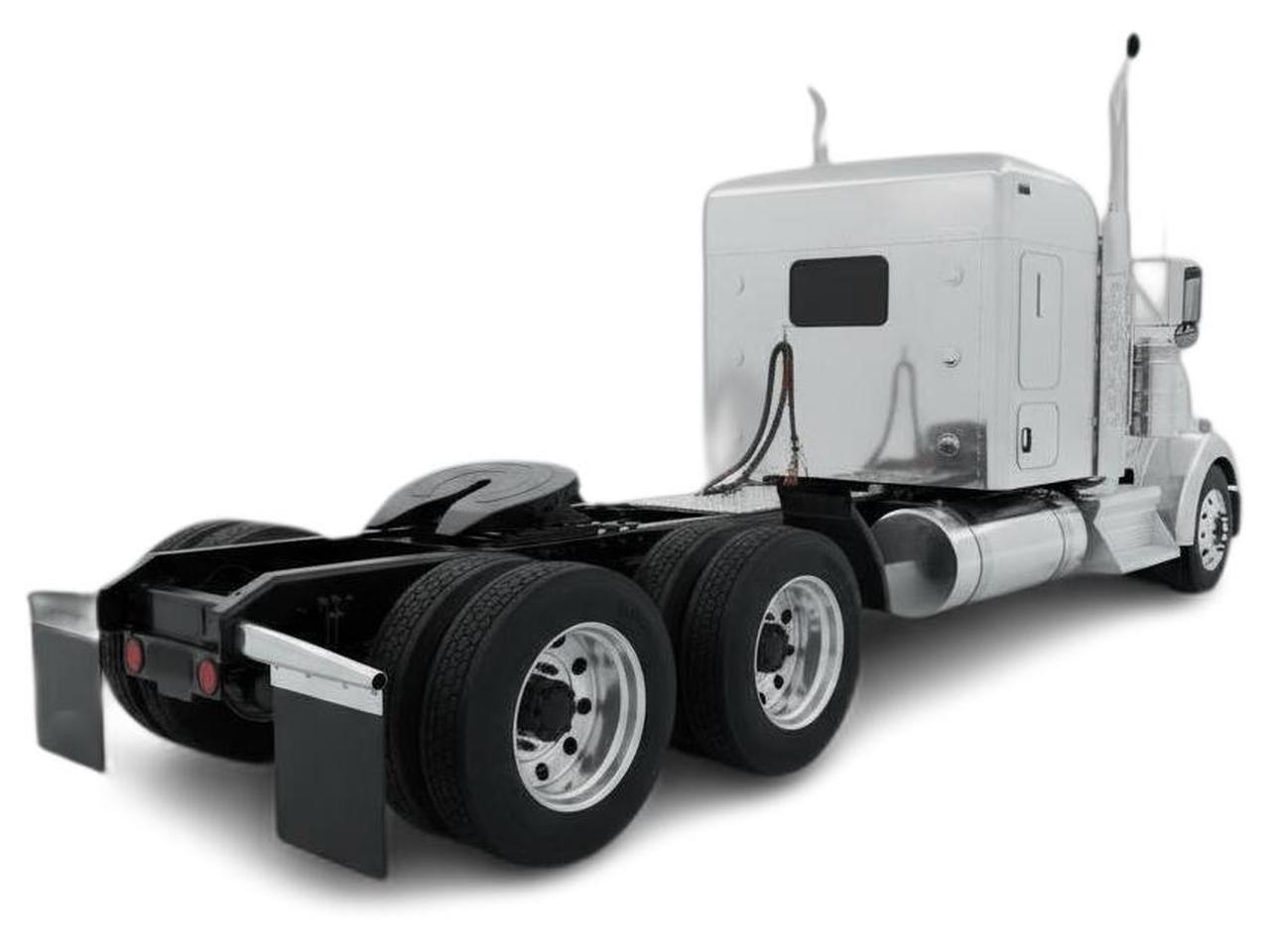
The Good
The 2020 Kenworth W900 offers superior driver comfort and a commanding presence, appealing to emotional desires for a classic truck. Practically, its robust construction ensures exceptional reliability and longevity, while strong performance and customizable configurations provide excellent value for demanding vocational and long-haul applications.
The Bad
Potential weaknesses for the 2020 Kenworth W900 include its less aerodynamic design compared to modern cabovers, which can impact fuel efficiency on long hauls. Some drivers may find the ride less refined than contemporary trucks, and certain advanced technological features might be less integrated than in newer models.
2020 Kenworth W900: Quick Overview
- Engine Options: The 2020 Kenworth W900 typically features powerful PACCAR MX-13 engines, but can also be optioned with Cummins ISX15 or other high-performance diesel engines. These are designed for heavy-duty applications and long-haul trucking.
- Horsepower: Horsepower ratings for the PACCAR MX-13 engines generally range from 400 to 500 horsepower, with torque figures often reaching up to 1,850 lb-ft. Cummins options offer similar or higher power outputs depending on the specific configuration.
- Fuel Economy: Fuel economy for a Class 8 truck like the W900 is highly variable, depending on engine choice, transmission, axle ratios, load, driving style, and aerodynamics. While specific MPG figures are not typically advertised like passenger cars, owners strive for optimal efficiency, often achieving between 5-7 MPG under ideal conditions. The W900's design is less aerodynamic than some competitors, which can influence this.
- 0-60 Times: 0-60 mph times for heavy-duty trucks are not a standard metric and are largely irrelevant in their operational context. Acceleration is focused on hauling heavy loads, not rapid speed increases.
- Towing Capacity: As a Class 8 heavy-duty truck, the Kenworth W900 is designed for substantial towing. Its Gross Combination Weight Rating (GCWR) can exceed 80,000 lbs, and with appropriate configurations and trailers, it can haul loads well over 100,000 lbs, making it suitable for heavy freight, oversized loads, and specialized hauling.
- Trim-Level Features: The W900 is highly customizable. Key features often include spacious sleeper cabs (e.g., 72-inch or 86-inch AeroCab), comfortable driver seats, advanced climate control, ample storage, and a dashboard designed for long-haul comfort and functionality. Options can include premium interior materials, advanced navigation systems, and enhanced driver amenities. The focus is on durability, driver comfort, and operational efficiency for long-distance, heavy-duty work.
2020 Kenworth W900 Specifications
Vehicle Information
| Year | 2020 |
| Make | Kenworth |
| Model | W900 |
| Trim | - |
| Style | - |
| Type | Truck |
| Category | Heavy Truck |
Manufacturing Details
| Made In | United States |
| Manufacturing City | RENTON |
Dimensions
| Doors | - |
| Curb Weight | - |
| Gross Vehicle Weight Rating | 80001 pounds |
| Overall Height | - |
| Overall Length | - |
| Overall Width | - |
| Wheelbase Length | - |
| Standard Seating | - |
Engine & Performance
| Engine | 14.9L I6 |
| Engine Size | 14.9L |
| Engine Cylinders | 6 |
| Transmission | - |
| Transmission Type | - |
| Transmission Speeds | - |
| Drivetrain | 6x4 |
Additional Features
| Anti-Brake System | - |
| Steering Type | - |
Pricing
| Manufacturer Suggested Retail Price (MSRP) | - |
| Invoice Price | - |
| Delivery Charges | - |
Vehicle History Report
Specifications
History
Events
History Check
Check
Check
Check
Check
Listings
Recalls
Check
Analysis
What Problems Does the 2020 Kenworth W900 Have?
Recalls for Kenworth trucks, including the W900, are typically issued by the manufacturer (PACCAR) and often pertain to specific components or manufacturing processes that might affect a batch of vehicles. These could range from issues with braking systems, steering components, or even airbag systems, depending on the specific recall. It is crucial for owners to stay informed about any issued recalls and ensure they are addressed by authorized service centers. For the 2020 model year, specific widespread issues are not extensively documented as systemic problems with the W900 platform itself. Rather, any reported problems are often isolated incidents or related to the integrated systems (like the engine or transmission) from their respective suppliers. Long-term reliability is heavily dependent on regular and thorough maintenance, adherence to the manufacturer's service schedule, and the operating environment. Trucks used in severe-duty cycles or extreme conditions may experience wear and tear more rapidly, leading to potential issues with suspension, drivetrains, or chassis components over extensive mileage.
How long will the 2020 Kenworth W900 last?
What Technology & Safety Features are Included?
Driver-assistance features, while not as ubiquitous as in modern passenger vehicles, are available and are increasingly being adopted in heavy-duty trucks. These can include options like lane departure warning systems, which alert the driver if the vehicle begins to drift out of its lane unintentionally. Adaptive cruise control might also be an option on certain configurations, helping to maintain a set distance from the vehicle ahead. Advanced braking systems, such as electronic stability control and anti-lock braking systems (ABS), are standard safety features designed to enhance vehicle control and prevent skids.
Safety is a paramount concern in heavy-duty trucking, and the W900 is built with a strong frame and reinforced cab structure to protect occupants in the event of a collision. However, official crash-test ratings like those from the NHTSA or IIHS are not typically provided for Class 8 commercial trucks in the same way they are for passenger cars, as their design and intended use differ significantly. Instead, safety is measured by their adherence to stringent federal motor vehicle safety standards and the inclusion of advanced safety systems. Optional features can extend to enhanced lighting, advanced mirror systems for better visibility, and even collision mitigation systems designed to help avoid or reduce the severity of impacts. The focus is on providing a safe and comfortable working environment for the driver over extended periods.
What Colors Options are Available?
2020 Kenworth W900 Prices and Market Value
2020 Kenworth W900 Cost of Ownership
2020 Kenworth W900 Fuel Efficiency
2020 Kenworth W900 Recalls & Defects
Suspension:rear:axle:non-Powered Axle Assembly
Visibility:rearview Mirrors/Devices:exterior
Power Train:axle Assembly
Electronic Stability Control (Esc)
Service Brakes, Air:antilock:abs Warning Light
Steering:critical Fasteners
Seat Belts
2020 Kenworth W900 Warranty
Basic
Powertrain
Rust
2020 Kenworth W900 Insurance
reasonable repair costs.
How Does the 2020 Kenworth W900 Compare to Other Truck?
Performance: The W900, equipped with powerful PACCAR MX-13 or Cummins ISX15 engines, offers robust performance suitable for heavy hauling. Its performance is comparable to the Peterbilt 389, which shares many components and design philosophies. The International LT and Freightliner Cascadia often focus on increased fuel efficiency through aerodynamics, which might offer a slight edge on long-haul routes for fuel economy, but the W900 and 389 excel in raw power and durability for vocational applications.
Features: Kenworth and Peterbilt are known for their driver-centric interiors, emphasizing comfort and a classic trucking experience. The W900 offers spacious sleeper cabs and a traditional dashboard layout. Competitors like the Freightliner Cascadia and Volvo VNL may offer more integrated and advanced digital interfaces and a wider array of advanced driver-assistance systems that are more automotive-like. However, the W900's features are highly customizable to owner preferences.
Reliability: Kenworth and Peterbilt have a long-standing reputation for building some of the most reliable trucks in the industry, and the W900 is no exception. They are engineered for longevity and withstand harsh working conditions. While all heavy-duty trucks require diligent maintenance, the underlying build quality of the W900 and its contemporaries from PACCAR (which owns both Kenworth and Peterbilt) is generally considered top-tier.
Price: The 2020 Kenworth W900 and Peterbilt 389 tend to be at the higher end of the price spectrum for new conventional trucks due to their premium build and styling. Freightliner and International often offer more competitive pricing, especially for models focused more on efficiency and utility than iconic design.
Alternatives: For those prioritizing classic styling and bulletproof durability, the Peterbilt 389 is a very similar and equally strong alternative, often considered its closest sibling. If fuel efficiency and advanced aerodynamics are paramount for long-haul operations, the Freightliner Cascadia or Volvo VNL might be considered, though they offer a more modern, less traditional aesthetic. For vocational applications requiring immense torque and durability, the W900 remains a benchmark.
Final Verdict: Is the 2020 Kenworth W900 a Good Truck?

Eugene S
Eugene is an automotive enthusiast with over 15 years of experience in the used car market. As a writer at VINCheck.info, he brings deep industry insight and a passion for cars, helping readers make smart, informed decisions. Eugene has written hundreds of used car reviews and is known for breaking down complex automotive topics into clear, actionable advice. Over the years, he has driven and worked on a wide range of vehicles—starting with tuning street cars in his early days and eventually focusing on performance upgrades and reliability improvements. Today, he specializes in evaluating used vehicles through the lens of real-world ownership and enthusiast needs. A longtime fan of Porsche, Eugene especially appreciates vehicles that blend durability with driving enjoyment.