
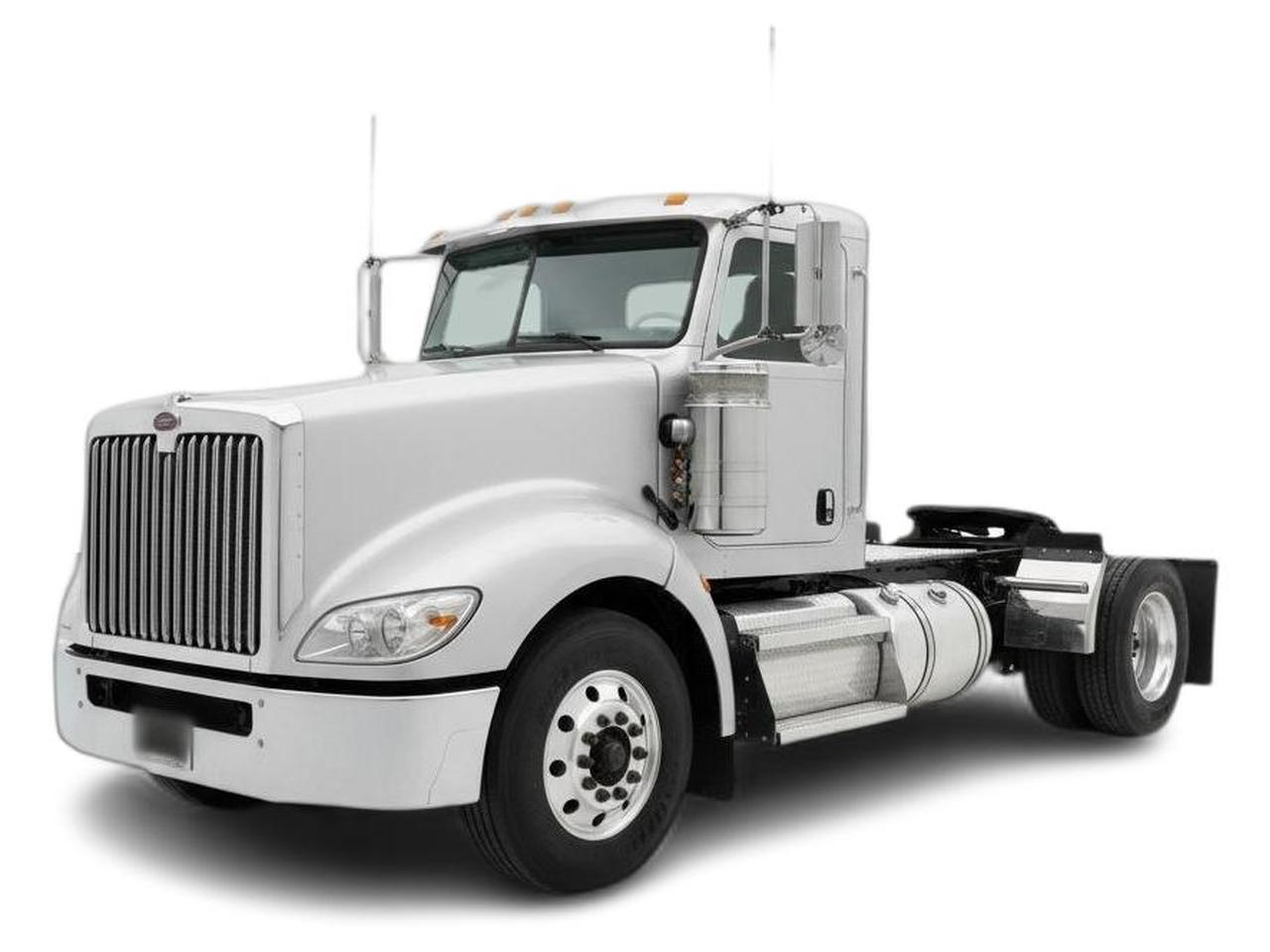
The Good
The 2011 Peterbilt 337 excels in robust performance and legendary reliability, offering a comfortable and functional cabin for long hours. Its iconic Peterbilt design appeals to pride of ownership, while its efficient powertrains provide practical value for demanding vocational use.
The Bad
Potential weaknesses for the 2011 Peterbilt 337 can include the complexity and cost of DEF systems if equipped, potential for rust on older chassis components, and the natural wear and tear on a vocational vehicle that may have seen hard use. Thorough pre-purchase inspections are crucial.
2011 Peterbilt 337: Quick Overview
- Engine Options: The 2011 Peterbilt 337 was typically offered with powerful PACCAR PX-7 (Cummins ISB) diesel engines. Some configurations might have included other compatible vocational diesel engines.
- Horsepower: PACCAR PX-7 engines typically ranged from 200 to 300 horsepower, with options potentially extending higher depending on the specific application and dealer configuration.
- Fuel Economy: Fuel economy for vocational trucks like the 337 is highly dependent on application, load, driving style, and terrain. A general estimate for highway cruising might range from 6 to 10 miles per gallon, but this can vary drastically.
- 0-60 Times: 0-60 mph times are not a primary metric for this class of truck and are generally not published. Performance is geared towards torque and load-carrying capability rather than rapid acceleration.
- Towing Capacity: Towing capacity is entirely dependent on the chassis configuration, wheelbase, axle ratings, and the specific body and equipment installed. These trucks are designed for heavy-duty towing and hauling in vocational settings, often exceeding 30,000 lbs GCWR and potentially much higher for specialized applications.
- Trim-Level Features: The 337 is a chassis model, so "trim levels" are less about luxury and more about functional configurations. Key features include:
- Chassis Configurations: Various wheelbase options to accommodate different body types (e.g., dump trucks, service trucks, box trucks).
- Cab Options: Standard day cab configuration is most common. Extended or crew cabs might be available for specific vocational needs.
- Suspension: Robust suspension systems designed for heavy loads and rough terrain.
- Braking Systems: Heavy-duty braking systems suitable for the intended payload.
- Interior Functionality: Driver-focused controls, durable materials, and essential instrumentation for commercial operation. Optional features could include upgraded seating, air conditioning, and basic infotainment systems.
- PTO (Power Take-Off): Often equipped with PTO capabilities for auxiliary equipment.
2011 Peterbilt 337 Specifications
Vehicle Information
| Year | 2011 |
| Make | Peterbilt |
| Model | 337 |
| Trim | - |
| Style | - |
| Type | Truck |
| Category | Medium Truck |
Manufacturing Details
| Made In | Canada |
| Manufacturing City | MONTREAL |
Dimensions
| Doors | - |
| Curb Weight | - |
| Gross Vehicle Weight Rating | 330001 pounds |
| Overall Height | - |
| Overall Length | - |
| Overall Width | - |
| Wheelbase Length | - |
| Standard Seating | - |
Engine & Performance
| Engine | 8.3L I6 |
| Engine Size | 8.3L |
| Engine Cylinders | 6 |
| Transmission | - |
| Transmission Type | - |
| Transmission Speeds | - |
| Drivetrain | Rear-Wheel Drive |
Additional Features
| Anti-Brake System | - |
| Steering Type | - |
Pricing
| Manufacturer Suggested Retail Price (MSRP) | - |
| Invoice Price | - |
| Delivery Charges | - |
Vehicle History Report
Specifications
History
Events
History Check
Check
Check
Check
Check
Listings
Recalls
Check
Analysis
What Problems Does the 2011 Peterbilt 337 Have?
Another area to watch for is the overall condition of the chassis and body, as these trucks often operate in harsh environments and may be exposed to salt, dirt, and moisture, potentially leading to rust and corrosion, especially around wheel wells, frame rails, and exhaust components. Electrical gremlins, while not unique to this model year, can occur, affecting lights, gauges, or auxiliary systems. Wear and tear on the drivetrain, suspension, and brakes are also common and should be expected, requiring diligent maintenance.
Specific model year issues for 2011 Peterbilt 337 are less documented as broad problems and more tied to the general evolution of emissions controls and powertrain technology at the time. Recalls, if any, would typically pertain to specific component batches or safety-related issues and are best checked through official NHTSA databases or by Peterbilt dealers with the vehicle's VIN. Long-term reliability hinges heavily on the owner's maintenance regimen and the severity of the truck's operational duties. A well-maintained 337 can last for hundreds of thousands of miles, while one that has been neglected or overworked might present more frequent challenges.
How long will the 2011 Peterbilt 337 last?
What Technology & Safety Features are Included?
Entertainment: Basic AM/FM radios or optionally CD players were available. Bluetooth connectivity or touch-screen infotainment systems were not standard and would have been rare, if offered at all, in this vocational model year. The primary focus is on reliable communication and operational data.
Driver-Assistance Features: Advanced driver-assistance systems (ADAS) common in today's passenger vehicles were virtually non-existent in this 2011 vocational truck. Features like cruise control would have been standard. Depending on the configuration and optional packages, some trucks might have had features like power windows and locks. Visibility is a key design element for commercial trucks, with large windshields and mirrors.
Safety Features: Standard safety features include robust hydraulic or air brake systems, essential for a heavy-duty vehicle. Seatbelts are, of course, standard. Peterbilt trucks are built with strong frame structures and durable cabs designed to withstand significant forces. Air horns and exterior lighting are designed for visibility and signaling in heavy traffic and at night.
Optional Features: Options could have included upgraded seating materials, air conditioning, auxiliary heating, block heaters for cold climates, and sometimes a PTO system for powering auxiliary equipment.
Crash-Test Ratings: Formal crash-test ratings from organizations like the NHTSA or IIHS, as seen for passenger cars and light trucks, are not typically conducted or published for heavy-duty vocational trucks like the 2011 Peterbilt 337. Their design is focused on surviving operational stresses and protecting occupants in specific commercial use scenarios, which differ greatly from standard road vehicle crash testing.
What Colors Options are Available?
2011 Peterbilt 337 Prices and Market Value
Currently, the used market prices for a 2011 Peterbilt 337 generally fall between $30,000 and $60,000. This range is highly dependent on mileage, overall condition, maintenance history, and the specific vocational body installed (e.g., a dump body versus a flatbed).
Depreciation on vocational trucks is generally less steep than on consumer vehicles, especially for well-maintained models from reputable brands like Peterbilt. Resale value is primarily affected by the truck's mechanical condition, the demand for its specific vocational application, tire condition, and any significant cosmetic or structural damage. Trucks with documented service records and in good working order will command higher prices. Extreme mileage or signs of neglect will significantly lower value.
2011 Peterbilt 337 Cost of Ownership
2011 Peterbilt 337 Fuel Efficiency
2011 Peterbilt 337 Recalls & Defects
Latches/Locks/Linkages:hood:latch
Service Brakes, Hydraulic:antilock/Traction Control/Electronic Limited Slip:abs Warning Light
Equipment:electrical
AIR Bags
Electrical System
Engine and Engine Cooling:engine
Seat Belts
Electronic Stability Control (Esc)
Service Brakes, Air:antilock:abs Warning Light
2011 Peterbilt 337 Warranty
Basic
Powertrain
Rust
2011 Peterbilt 337 Insurance
reasonable repair costs.
How Does the 2011 Peterbilt 337 Compare to Other Truck?
Performance: The Peterbilt 337, often equipped with the PACCAR PX-7 engine, offers competitive horsepower and torque suitable for a wide range of vocational tasks. Its performance is comparable to the International 4300 and Freightliner M2 106, which also feature robust diesel engines. The Kenworth T370, being a sister company to Peterbilt, shares many powertrain and chassis components, offering very similar performance metrics.
Features: In terms of features, Peterbilt trucks are historically driver-centric, emphasizing visibility, ergonomics, and a comfortable, functional cabin for long hours. While not as feature-rich in terms of digital tech or luxury as some consumer vehicles, the 337 provides the necessary operational controls and durability. Rivals like Freightliner and International also offer well-appointed vocational cabins. Kenworth, again, aligns closely with Peterbilt in this regard.
Reliability: Peterbilt and Kenworth are renowned for their build quality and legendary reliability, often considered top-tier in the vocational segment. Their robust construction means they can withstand harsh conditions and extensive use. International and Freightliner also offer reliable trucks, but Peterbilt and Kenworth often carry a reputation for slightly superior longevity and durability in the most demanding applications.
Price: When new, these trucks were priced in a similar range, with variations depending on specific configurations and options. On the used market, the 2011 Peterbilt 337 generally holds its value well, reflecting its strong reputation. Competitors like the Freightliner M2 106 might sometimes be found at slightly lower price points.
Alternatives: For a similar blend of performance, reliability, and a strong brand reputation, the 2011 Kenworth T370 is an almost identical alternative, sharing many components. The 2011 Freightliner M2 106 is a very capable and popular choice, often offering good value. The 2011 International 4300/7300 series also presents a strong contender, particularly if specific engine or chassis configurations are preferred. The choice between them often comes down to dealer support, specific vocational needs, and personal preference for brand reputation.
Final Verdict: Is the 2011 Peterbilt 337 a Good Truck?
It is best purchased used, as new models are prohibitively expensive for many. Buyers should focus on condition, maintenance history, and the specific vocational body required. Trucks that have been well-maintained and have reasonable mileage for their age will offer the best return on investment. It is not suited for those seeking comfort, advanced technology, or fuel efficiency comparable to lighter-duty vehicles. Its strengths lie in its workhorse capabilities and enduring build.

Simon A
Simon is a contributor to VinCheck, where he provides articles and reviews on various automotive topics. His work focuses on delivering accurate and up-to-date information about used cars, helping readers make informed decisions.