
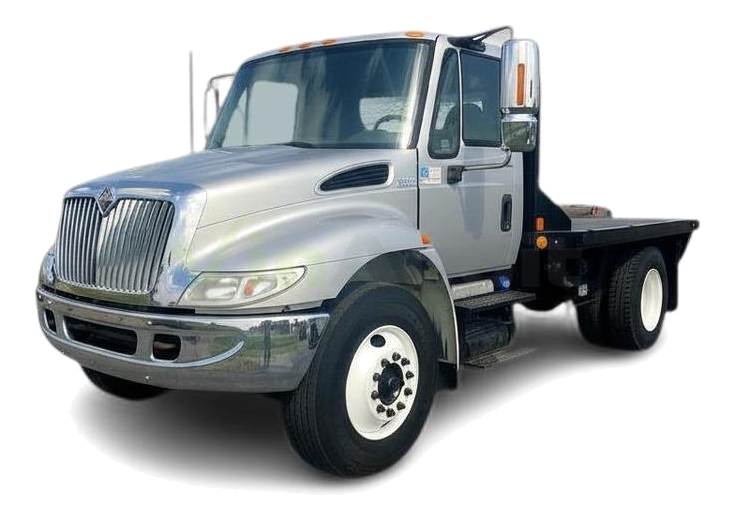
The Good
The 2006 International 4300 offers exceptional versatility and a reputation for long-term reliability, appealing to practical buyers seeking a durable workhorse. Its robust DT series engines provide ample performance for various tasks. Owners appreciate its straightforward design, ease of maintenance, and strong residual value, making it a smart, dependable investment that gets the job done without fuss, fostering a sense of steadfast dependability.
The Bad
Known weaknesses for the 2006 International 4300 often include potential issues with EGR systems and DPFs (if equipped), which can be costly. Wiring harness problems, particularly around the engine, are also common. Comfort might be basic for long hauls, and fuel efficiency can vary significantly based on load and configuration, becoming a notable operating expense for some.
2006 International 4300: Quick Overview
The 2006 International 4300 is a chassis-cab medium-duty truck, offering extensive customization rather than traditional "trim levels" like passenger vehicles. Its specifications largely depend on the chosen powertrain, wheelbase, and vocational upfit.
- Engine Options:
- International DT466 I6 Diesel: This was a very common and highly regarded engine, known for its mechanical simplicity and durability.
- International DT570 I6 Diesel: A larger, more powerful variant of the DT series.
- Cummins ISB or ISC I6 Diesel: Less common but sometimes available as an option for specific fleet requirements.
- Horsepower:
- DT466: Typically ranged from 210 to 255 horsepower, with various torque ratings.
- DT570: Could reach up to 300+ horsepower.
- Cummins ISB/ISC: Similar ranges, depending on specific tuning.
- Fuel Economy: Highly variable based on engine, transmission, load, body type, and driving conditions. Generally, expect 6-10 MPG for most applications. A lighter load or specific highway gearing might see slightly better, while heavy vocational use will be on the lower end.
- 0-60 Times: Not typically measured for commercial trucks like the 4300. Performance is focused on torque and pulling power rather than acceleration. These trucks are designed for work, not speed, and their acceleration is deliberately geared for heavy loads.
- Towing Capacity: This is a complex factor for chassis-cab trucks. The 4300's towing capacity is primarily determined by its Gross Vehicle Weight Rating (GVWR) and Gross Combined Weight Rating (GCWR), which vary significantly based on axle configurations, suspension, and braking systems. GVWRs typically range from 25,500 lbs to 33,000 lbs. GCWRs could exceed 50,000 lbs, allowing for substantial trailer towing when properly equipped with fifth-wheel or pintle hitch setups.
- "Trim-Level" Features (Configurable Options):
- Cab Styles: Standard Cab, Extended Cab (more storage, less common).
- Wheelbases: Available in a vast array of wheelbases to accommodate various body lengths (dump, flatbed, box, utility, tanker, etc.).
- Transmissions: Manual transmissions (e.g., Eaton Fuller 6, 7, 9, 10-speed) and automatic transmissions (e.g., Allison 2500, 3000 series) were common.
- Brakes: Air brakes were standard on most higher GVWR configurations, with hydraulic brakes on lighter setups. ABS was standard.
- Suspension: Leaf spring suspension was standard, with air-ride rear suspension often available as an option for improved ride comfort and load leveling.
- Interior: Basic and functional. Options included air conditioning, power windows/locks (less common on base models), AM/FM radio, cruise control, various seat materials, and driver's air-ride seats for comfort.
- Axle Ratios: Numerous rear axle ratios were available to optimize for either fuel economy or pulling power, depending on the application.
- PTO (Power Take-Off): Essential for many vocational bodies, allowing power to be drawn from the engine for hydraulic pumps, compressors, etc.
2006 International 4300 Specifications
Vehicle Information
| Year | 2006 |
| Make | International |
| Model | 4300 |
| Trim | - |
| Style | - |
| Type | Truck |
| Category | Heavy Truck |
Manufacturing Details
| Made In | Mexico |
| Manufacturing City | SPRINGFIELD |
Dimensions
| Doors | - |
| Curb Weight | - |
| Gross Vehicle Weight Rating | 33001 pounds |
| Overall Height | - |
| Overall Length | - |
| Overall Width | - |
| Wheelbase Length | - |
| Standard Seating | - |
Engine & Performance
| Engine | 7.6L I6 |
| Engine Size | 7.6L |
| Engine Cylinders | 6 |
| Transmission | - |
| Transmission Type | - |
| Transmission Speeds | - |
| Drivetrain | Rear-Wheel Drive |
Additional Features
| Anti-Brake System | - |
| Steering Type | - |
Pricing
| Manufacturer Suggested Retail Price (MSRP) | - |
| Invoice Price | - |
| Delivery Charges | - |
Vehicle History Report
Specifications
History
Events
History Check
Check
Check
Check
Check
Listings
Recalls
Check
Analysis
What Problems Does the 2006 International 4300 Have?
One of the most common complaints, particularly post-2004, involves the Exhaust Gas Recirculation (EGR) system. The EGR valve and cooler can become clogged or fail, leading to reduced engine performance, increased emissions, and "check engine" lights. This is a recurring maintenance item and can be costly to repair or replace. For trucks equipped with Diesel Particulate Filters (DPF), regeneration issues and DPF clogging are also frequently reported, leading to power derating and expensive DPF cleaning or replacement.
Electrical system issues are another prevalent concern. Owners often report problems with wiring harnesses, especially those exposed to heat and vibration around the engine or chassis. These can lead to intermittent electrical faults, sensor failures, instrument cluster malfunctions, and even starting problems. Corrosion in electrical connections is also a common culprit.
Injector problems, particularly with the fuel injectors, can manifest as rough idling, misfires, or a loss of power. While the DT466 engine is generally robust, injector issues are not unheard of, especially with poor fuel quality or neglected fuel filter changes.
Beyond the engine, transmission issues, especially with the Allison automatic transmissions, are less common but can occur at higher mileages. These might include shifting problems or solenoid failures. Manual transmissions, particularly Eaton Fuller units, are generally very durable but clutch wear is a standard maintenance item.
Brake system problems, while typically safety-related and addressed with routine maintenance, can include issues with air brake components (compressor, lines, valves) or hydraulic brake components (master cylinder, calipers) depending on the configuration.
Recalls: For the 2006 model year specifically, there have been several recalls, though exact numbers and details can vary. Common recall themes for this era of International trucks include:
- Potential issues with steering components that could lead to a loss of steering control.
- Problems with air brake system components, such as air tank mounting or valve defects, impacting braking effectiveness.
- Wiring harness issues that could cause various electrical system failures, including lighting or engine control.
- Fuel system components, such as fuel lines or tanks, for potential leaks or improper routing.
Long-term, owners also report issues with rust, particularly in northern climates, affecting chassis components, cab corners, and battery boxes. Regular inspection and preventative maintenance are key to mitigating these problems and ensuring the longevity of a 2006 International 4300.
How long will the 2006 International 4300 last?
What Technology & Safety Features are Included?
Built-in Tech & Entertainment:
- Standard Radio: Typically an AM/FM radio was standard. Some models might have included a basic CD player as an option. Connectivity features like Bluetooth or auxiliary inputs were not standard and were rare, if available at all, in 2006.
- Instrumentation: A standard analog gauge cluster provided essential information: speedometer, tachometer, oil pressure, coolant temperature, fuel level, and air pressure (for air brake models). A basic digital display might offer odometer, trip meter, and diagnostic codes.
- HVAC: Manual air conditioning and heating controls were standard or a common option, providing basic climate comfort.
Driver-Assistance Features:
Driver-assistance technology as we understand it today (e.g., adaptive cruise control, lane keeping assist, automatic emergency braking) was virtually non-existent in medium-duty trucks of this vintage. The primary "assistance" came from the driver's skill and the truck's fundamental design for visibility and control. Some advanced systems like engine diagnostics were present, but not actively assisting the driver in real-time operation beyond warning lights.
Safety Features:
Safety in the 2006 International 4300 revolved around robust construction and fundamental braking systems.
- Brakes: Most configurations featured anti-lock braking systems (ABS) as standard, significantly improving stopping control, especially on slippery surfaces. Air brakes were standard on higher GVWR models, known for their powerful stopping capability.
- Seatbelts: Three-point seatbelts for the driver and passenger were standard.
- Visibility: Large windshields and substantial side mirrors (often heated and power-adjustable as options) provided good outward visibility, crucial for maneuvering a large vehicle.
- Cab Construction: The steel cab was designed to provide a degree of occupant protection in a collision, though not to the same standards as modern passenger vehicles.
- Optional Features: Air-ride driver's seat for improved comfort and reduced fatigue, often enhancing driver alertness and indirectly contributing to safety. Power windows and locks were convenience features that were sometimes optionally available.
Crash-Test Ratings:
Commercial medium-duty trucks like the International 4300 are not subjected to the same standardized crash-test ratings (e.g., NHTSA or IIHS ratings) as passenger vehicles. Their structural integrity is designed to meet commercial vehicle safety standards which focus more on operational safety and durability in a work environment. Therefore, no publicly available crash-test ratings exist for this specific model.
What Colors Options are Available?
2006 International 4300 Prices and Market Value
Today, in the used market, prices for a 2006 International 4300 vary significantly. A well-maintained unit with a functional body might fetch anywhere from $15,000 to $35,000+, depending on mileage, condition, and the vocational body type. Chassis-only units or those requiring significant work would be less. Depreciation for commercial trucks is generally slower than passenger vehicles due to their utility. Factors affecting resale value include the engine type (DT466 often holds value well), transmission (Allison automatics are desirable), maintenance history, overall condition, and the presence and condition of the vocational body. High mileage is expected but maintenance records are crucial for retaining value.
2006 International 4300 Cost of Ownership
2006 International 4300 Fuel Efficiency
2006 International 4300 Recalls & Defects
Equipment:electrical
Service Brakes, Hydraulic:foundation Components:hoses, Lines/Piping, and Fittings
Parking Brake
2006 International 4300 Warranty
Basic
Powertrain
Rust
2006 International 4300 Insurance
reasonable repair costs.
How Does the 2006 International 4300 Compare to Other Truck?
Performance: The International 4300, particularly with the DT466 engine, offers solid, dependable performance. The DT466 is known for its strong low-end torque and mechanical simplicity, making it a workhorse. Rivals like the Freightliner M2 106 often offer Cummins ISB/ISC or Mercedes-Benz engines, which provide comparable power and efficiency. The Ford F-650/F-750 of this era might use Cummins or International engines, making performance similar depending on the specific powertrain. Kenworth T300 and Peterbilt 330 also typically utilize Cummins engines, offering similar work-oriented performance.
Features: All these trucks prioritize utility over luxury. The 4300's interior is functional and durable. Rivals like the M2 106 might offer slightly better ergonomics or more modern cab designs for the time, but the differences are marginal in terms of core features. Most "features" are vocational options like PTOs, various axle ratios, and specialized body installations, which are customizable across all brands.
Reliability: The International 4300 with the DT466 engine has an excellent reputation for long-term reliability and ease of repair. Its mechanical injection system (pre-2007 emissions) is often cited as a major advantage for durability. However, post-2004 emissions components like EGR can be problematic. Freightliner M2s are also known for reliability, especially with Cummins engines. Ford F-series trucks often have strong chassis but engine choices can dictate reliability. Kenworth and Peterbilt, being premium brands, generally offer very high reliability, though parts and service might be pricier. The 4300 generally holds its own very well in terms of durability.
Price: New, all these trucks occupied similar price points, heavily dependent on configuration. On the used market, the 2006 International 4300 offers strong value due to its reputation and parts availability. Freightliner M2s are often found at similar price points. Ford F-650/F-750s can vary greatly. Kenworth T300s and Peterbilt 330s might command slightly higher prices due to their premium branding.
Alternatives:
- Similar Alternative: A Freightliner M2 106 from the same era is an excellent direct competitor, offering comparable performance, reliability (especially with a Cummins engine), and a similar range of vocational options. Its slightly more refined cab could be a plus for some drivers.
- Premium Alternative: A Kenworth T300 or Peterbilt 330 would offer a more premium build quality and potentially better long-term durability, though often at a higher purchase and maintenance cost.
Final Verdict: Is the 2006 International 4300 a Good Truck?
It is definitely worth buying as a used vehicle, given its strong reputation for longevity and the affordability compared to new commercial trucks. Focus on units equipped with the highly regarded DT466 engine, which is known for its mechanical durability and repairability.
Conditions for Buying:
- Strong Maintenance Records: Crucial for ensuring the truck's longevity, especially for high-mileage units.
- Pre-Purchase Inspection: A thorough inspection by a reputable commercial truck mechanic is essential to uncover potential emissions system issues, electrical problems, or rust.
- Specific Application Match: Ensure the chassis and powertrain configuration (engine, transmission, axle ratio) is well-suited for your intended vocational use.

Jovan
Jovan specializes in interpreting vehicle records and making sense of VIN data. With over 10 years of experience in the automotive data industry, his work ensures that every report is clear, accurate, and useful for car buyers.