
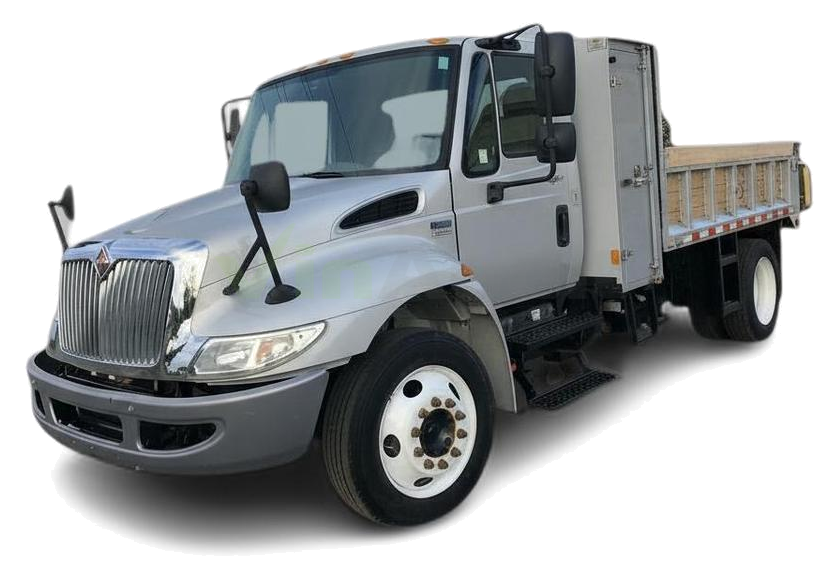
The Good
The 2013 International 4300 boasts exceptional durability and versatile performance, making it a practical choice for heavy-duty tasks. Its robust design ensures reliability and longevity, offering excellent long-term value. While comfort is utilitarian, its straightforward, no-nonsense approach appeals to operators seeking dependable, cost-effective efficiency and a truck that simply gets the job done without fuss, fostering a sense of steadfast dependability.
The Bad
Potential weaknesses for the 2013 International 4300 often include issues with the Diesel Particulate Filter (DPF) and Selective Catalytic Reduction (SCR) systems, common for this emission-regulated era. Owners should also watch for electrical gremlins, occasional cooling system problems, and potential premature wear on suspension components, especially under severe duty cycles. Cab noise and a basic interior might also be considered drawbacks for some.
2013 International 4300: Quick Overview
The 2013 International 4300, a versatile medium-duty truck, offers a range of specifications tailored for commercial use:
- Engine Options: The primary engine for the 2013 4300 was the MaxxForce 7 (V8, 6.4L) and the MaxxForce DT (I6, 7.6L). The MaxxForce 7 was a smaller, more compact engine often used in lighter duty configurations, while the MaxxForce DT provided more power and torque for heavier applications. These engines were designed to meet EPA 2010 emissions standards, often utilizing a combination of EGR and DPF systems.
- Horsepower:
- MaxxForce 7: Typically ranged from 220 to 240 horsepower.
- MaxxForce DT: Offered a wider range, generally from 215 to 300 horsepower, with varying torque outputs depending on the specific tuning.
- Fuel Economy: Fuel economy for commercial trucks like the 4300 varies significantly based on load, driving conditions, engine choice, and upfitting. Owners typically report averages ranging from 6 to 10 miles per gallon (MPG). Factors like aerodynamic drag from the body, frequent stopping and starting, and PTO usage can heavily influence these figures.
- 0-60 Times: 0-60 mph times are not typically published or relevant for medium-duty commercial trucks like the 4300. Their performance metric focuses on torque, payload, and towing capabilities rather than acceleration. These trucks are geared for heavy hauling, not speed.
- Towing Capacity (GCWR): The Gross Combination Weight Rating (GCWR) for the 2013 International 4300 can vary significantly based on axle configurations, suspension, and engine. Generally, GCWRs could range from approximately 33,000 lbs to over 60,000 lbs for tractor configurations, with Gross Vehicle Weight Ratings (GVWR) commonly found between 25,999 lbs and 33,000 lbs for straight truck applications. Actual towing capacity depends on the specific setup and trailer brakes.
- Trim-Level Features: The 4300 is fundamentally a work truck, so "trim levels" are more about functional packages and cab configurations rather than luxury. Key features included:
- Cab Types: Standard cab, extended cab (crew cab was also an option but less common for the 4300 designation).
- Interior: Functional and durable vinyl or cloth seating, basic instrumentation, air conditioning, and a robust heating system were standard. Optional upgrades included air-ride driver's seats for enhanced comfort, power windows/locks, and improved sound systems.
- Chassis Options: Various frame lengths, wheelbases, axle ratios, suspension types (spring or air-ride), and brake systems (air or hydraulic) were available to accommodate diverse body installations and hauling requirements.
- Transmission: Options typically included manual transmissions (e.g., Eaton Fuller 6-speed, 9-speed, 10-speed) and automatic transmissions (e.g., Allison 2500, 3000 Series), chosen based on application and desired ease of operation.
- PTO (Power Take-Off): Many configurations included PTO options for powering auxiliary equipment like dump bodies, cranes, or pumps, critical for vocational applications.
2013 International 4300 Specifications
Vehicle Information
| Year | 2013 |
| Make | International |
| Model | 4300 |
| Trim | - |
| Style | - |
| Type | Truck |
| Category | Heavy Truck |
Manufacturing Details
| Made In | Mexico |
| Manufacturing City | GARLAND |
Dimensions
| Doors | - |
| Curb Weight | - |
| Gross Vehicle Weight Rating | 33000 pounds |
| Overall Height | - |
| Overall Length | - |
| Overall Width | - |
| Wheelbase Length | - |
| Standard Seating | - |
Engine & Performance
| Engine | 7.6L I6 |
| Engine Size | 7.6L |
| Engine Cylinders | 6 |
| Transmission | - |
| Transmission Type | - |
| Transmission Speeds | - |
| Drivetrain | Rear-Wheel Drive |
Additional Features
| Anti-Brake System | - |
| Steering Type | - |
Pricing
| Manufacturer Suggested Retail Price (MSRP) | - |
| Invoice Price | - |
| Delivery Charges | - |
Vehicle History Report
Specifications
History
Events
History Check
Check
Check
Check
Check
Listings
Recalls
Check
Analysis
What Problems Does the 2013 International 4300 Have?
- EGR System Failures: Clogging of the EGR cooler and valve, leading to reduced engine performance, increased soot buildup, and frequent derate conditions.
- Diesel Particulate Filter (DPF) Problems: Excessive regeneration cycles, DPF clogging, and sensor failures are common. These issues can lead to expensive DPF replacements and downtime.
- Turbocharger Issues: Failures in the variable geometry turbochargchargers have been reported, often exacerbated by high exhaust temperatures and soot.
- Oil Cooler Failures: Leaks or blockages in the oil cooler can lead to engine overheating and other severe damage.
- Fuel Injector Problems: Some owners have experienced premature fuel injector failures, leading to rough running or misfires.
Beyond the engine, other common complaints and reliability concerns for the 2013 4300 include:
- Electrical Gremlins: Wiring harness issues, sensor failures, and problems with the Body Control Module (BCM) or other electronic components can lead to various intermittent faults, ranging from lighting issues to communication errors.
- Cooling System Leaks: Radiator, hose, or water pump failures are not uncommon, especially as the truck ages.
- Air System Leaks: For trucks equipped with air brakes or air ride suspension, leaks in the air system can lead to compressor overuse and potential brake issues.
- Cabin Interior Wear: While durable, the utilitarian interior can show significant wear and tear over time, particularly on seats and dashboard components, affecting driver comfort and appearance.
Regarding recalls, the 2013 International 4300, being a commercial vehicle, has had several recalls over its lifetime, many of which are general to the DuraStar line or specific components. Owners should always check the NHTSA (National Highway Traffic Safety Administration) website using their VIN (Vehicle Identification Number) for any outstanding recalls. Common recall areas often involve brake systems, steering components, specific engine components (like fuel lines or sensors), and electrical systems. For example, some recalls have addressed issues with brake light switches or potential power steering hose ruptures. Long-term reliability is generally good for the chassis and drivetrain components, provided the emissions systems are diligently maintained or, in some jurisdictions and applications, legally addressed with aftermarket solutions once the vehicle is out of warranty.
How long will the 2013 International 4300 last?
What Technology & Safety Features are Included?
- Built-in Tech & Diagnostics: The truck featured a robust electrical system managed by an International Diamond Logic® electrical system, which integrated various vehicle functions and provided advanced diagnostic capabilities. This system allowed for easier troubleshooting and customization of vehicle functions through programmable parameters. The instrument cluster was typically analog with a small digital display for odometer, trip information, and diagnostic messages. OBD-II (On-Board Diagnostics) ports were standard, allowing technicians to pull engine and transmission codes for maintenance.
- Entertainment: Standard entertainment was basic, usually consisting of an AM/FM radio with an auxiliary input for connecting external audio devices. CD players were often optional, and Bluetooth connectivity for hands-free calling or audio streaming was less common as a factory offering in this class and model year, though aftermarket solutions were available. The focus remained on functionality rather than a premium audio experience.
- Driver-Assistance Features: True "driver-assistance" features common in passenger cars (like adaptive cruise control, lane-keeping assist, or blind-spot monitoring) were largely non-existent as standard or even optional equipment for the 2013 International 4300. The driver's primary assistance came from good visibility, large mirrors (often heated and power-adjustable as options), and the robust handling characteristics of a heavy truck. Some higher-spec units or those with specific vocational upfits might have included backup cameras or sensor systems, but these were typically aftermarket additions or part of specialized packages.
- Safety Features: The 4300's safety features are characteristic of a medium-duty truck:
- Braking System: Standard hydraulic brakes or optional air brakes, often with ABS (Anti-lock Braking System) for improved stopping control, particularly on slippery surfaces.
- Sturdy Cab Construction: The steel cab was designed to provide a strong safety cage for occupants.
- Seat Belts: Standard three-point seat belts for the driver and passenger(s). Air-ride seats often included integrated seat belts.
- Lighting: Comprehensive lighting systems, including marker lights and optional fog lights, for enhanced visibility.
- Visibility: Large windshield and side windows, coupled with generously sized mirrors, provided good outward visibility, which is a key safety feature in commercial vehicles.
- Crash-Test Ratings: Commercial trucks like the International 4300 are not subjected to the same standardized crash-test ratings (e.g., NHTSA or IIHS) as passenger vehicles. Their safety is evaluated more through adherence to commercial vehicle safety standards, structural integrity, and braking performance under heavy loads. The design emphasizes occupant protection through robust construction and basic safety restraints rather than advanced crumple zones or multiple airbags.
What Colors Options are Available?
2013 International 4300 Prices and Market Value
2013 International 4300 Cost of Ownership
2013 International 4300 Fuel Efficiency
2013 International 4300 Recalls & Defects
Power Train:automatic Transmission
2013 International 4300 Warranty
Basic
Powertrain
Rust
2013 International 4300 Insurance
reasonable repair costs.
How Does the 2013 International 4300 Compare to Other Truck?
In terms of Performance, the 4300's MaxxForce 7 and MaxxForce DT engines offer adequate power and torque for most medium-duty applications. However, rivals often feature Cummins engines (e.g., ISB, ISC in the Freightliner M2, Kenworth T270/T370, and Ford F-series), which are generally perceived as more refined and have a stronger reputation for consistent power delivery and emissions system longevity during this particular model year. The 4300's hydraulic or air brake systems and robust chassis are comparable to competitors.
Features on the 4300 are utilitarian, focusing on driver ergonomics and vocational versatility. Most competitors, including the Freightliner M2 and Kenworth T-series, offered similar levels of basic cab comfort, customizable chassis options, and powertrain choices. The International's Diamond Logic electrical system was a distinguishing tech feature for diagnostics and customization, but overall cabin amenities were similar across the board—functional rather than luxurious. Optional air-ride seats and basic audio systems were common offerings.
Reliability is where the 2013 International 4300 often faces its biggest criticism. The MaxxForce engines, particularly their EGR-only emissions strategy for EPA 2010, were plagued with issues like DPF clogging, EGR cooler failures, and turbocharger problems. This stands in contrast to rivals using Cummins engines (Freightliner, Kenworth, Ford), which, while not without their own emissions system challenges, generally held a better reputation for durability and fewer critical failures during this period. Hino's engines, for instance, were also considered quite reliable. Consequently, maintenance and repair costs on the 4300 could be higher and more frequent.
Price-wise, when new, the 4300 was competitively positioned against its rivals, with pricing varying heavily by configuration and upfit. In the used market, due to the MaxxForce engine's reputation, 2013 4300s can sometimes be found at a lower price point than similarly spec'd Freightliner M2s or Kenworth T-series trucks equipped with Cummins power, especially those with high mileage or known engine issues.
Recommended Alternatives:
- Freightliner M2 106 (with Cummins ISB/ISC): Often considered a direct and strong competitor, known for its widespread parts availability, Cummins engine reliability, and diverse configurations. Generally a safer bet for long-term reliability.
- Kenworth T270/T370 (with Cummins ISB/ISC): Offers a more premium feel in the cabin for some drivers and shares the reliable Cummins engine platform. A solid choice for those prioritizing driver comfort and perceived quality.
- Hino 268/338: Known for their excellent reliability and strong dealer support, especially for medium-duty applications, often with good fuel efficiency for their class.
- Ford F-650/F-750 (with Cummins): For lighter-duty Class 6/7 work, these offer a more pickup-like driving experience but with commercial-grade capabilities, particularly when spec'd with the Cummins engine.
While the 4300 is a capable work truck, buyers prioritize long-term reliability and lower emissions system headaches might find alternatives with Cummins or Hino engines to be better or similar options, particularly for the 2013 model year.
Final Verdict: Is the 2013 International 4300 a Good Truck?

Eugene S
Eugene is an automotive enthusiast with over 15 years of experience in the used car market. As a writer at VINCheck.info, he brings deep industry insight and a passion for cars, helping readers make smart, informed decisions. Eugene has written hundreds of used car reviews and is known for breaking down complex automotive topics into clear, actionable advice. Over the years, he has driven and worked on a wide range of vehicles—starting with tuning street cars in his early days and eventually focusing on performance upgrades and reliability improvements. Today, he specializes in evaluating used vehicles through the lens of real-world ownership and enthusiast needs. A longtime fan of Porsche, Eugene especially appreciates vehicles that blend durability with driving enjoyment.