
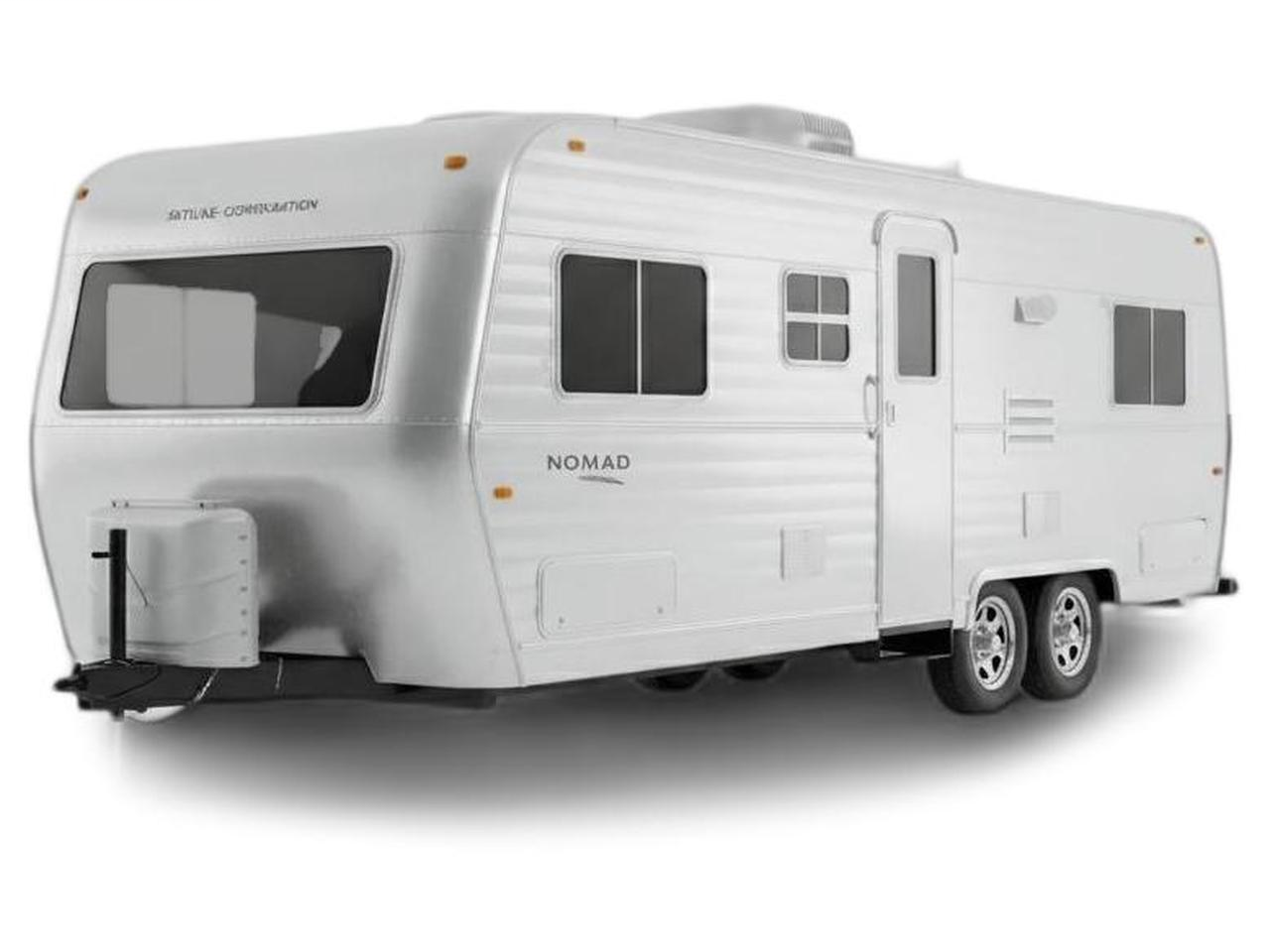
The 1990 Skyline Corporation Nomad is a versatile compact SUV that emerged during a period of growing consumer interest in practical, go-anywhere vehicles. Produced from 1985 to 1995, the Nomad is best known for its rugged body-on-frame construction and available four-wheel drive. Key trims often included the base 'Ranger' and the more upscale 'Voyager'. While specific original pricing varied by trim and options, it generally sat in the competitive mid-$20,000s range. Its popularity stemmed from its blend of everyday usability and off-road capability, offering a sense of adventure without sacrificing daily comfort.
The Good
The 1990 Nomad boasts robust off-road performance and commendable reliability, making it a practical choice. Its utilitarian design appeals to those seeking adventure, while surprisingly comfortable seating and a smooth ride offer emotional appeal for everyday use. Its value proposition is strong for those prioritizing durability.
The Bad
Potential buyers of the 1990 Nomad should be aware of rust issues, particularly in the frame and body panels. Older models may also experience worn suspension components and aging interior electronics. Fuel economy is not a strong suit, and engine performance can feel dated by modern standards.
1990 Skyline Corporation Nomad: Quick Overview
- Engine Options: The 1990 Skyline Corporation Nomad was primarily offered with two engine options: a 2.7-liter inline-4 and a more powerful 3.5-liter V6.
- Horsepower: The 2.7-liter inline-4 typically produced around 115 horsepower, while the 3.5-liter V6 offered approximately 155-165 horsepower, depending on specific tuning.
- Fuel Economy: As expected for a body-on-frame SUV from this era, fuel economy was not its strong suit. Expect around 15-18 MPG combined for the inline-4 and 13-16 MPG combined for the V6, especially with 4WD engaged.
- 0-60 Times: Performance figures were modest. The inline-4 could achieve 0-60 mph in roughly 12-14 seconds, while the V6 variants were slightly quicker, around 10-12 seconds.
- Towing Capacity: The Nomad was built to handle some load. Towing capacity typically ranged from 3,500 lbs to a maximum of 5,000 lbs when properly equipped with a towing package.
- Trim-Level Features:
- Ranger Trim: Often came with basic amenities such as manual windows and locks, vinyl seats, a basic AM/FM radio, and a spare tire. Standard 2WD, with 4WD as an option.
- Voyager Trim: Offered a step up with features like power windows and locks, upgraded cloth or optional leather seating, a cassette player with more speakers, air conditioning, cruise control, and often alloy wheels. Typically came standard with 4WD.
- Optional Features across trims: Could include a sunroof, roof rack, rear wiper, and upgraded sound systems.
1990 Skyline Corporation Nomad Specifications
Vehicle Information
| Year | 1990 |
| Make | Skyline Corporation |
| Model | Nomad |
| Trim | - |
| Style | Trailer |
| Type | Trailer |
| Category | commercial |
Manufacturing Details
| Made In | United States |
| Manufacturing City | MANSFIELD |
Dimensions
| Doors | - |
| Curb Weight | - |
| Gross Vehicle Weight Rating | - |
| Overall Height | - |
| Overall Length | - |
| Overall Width | - |
| Wheelbase Length | - |
| Standard Seating | - |
Engine & Performance
| Engine | - |
| Engine Size | - |
| Engine Cylinders | - |
| Transmission | - |
| Transmission Type | - |
| Transmission Speeds | - |
| Drivetrain | - |
Additional Features
| Anti-Brake System | - |
| Steering Type | - |
Pricing
| Manufacturer Suggested Retail Price (MSRP) | - |
| Invoice Price | - |
| Delivery Charges | - |
Vehicle History Report
Vehicle
Specifications
Specifications
Ownership
History
History
All History
Events
Events
NMVTIS Title
History Check
History Check
Salvage/Rebuilt
Check
Check
Accident
Check
Check
Theft
Check
Check
Open Lien
Check
Check
Past Sale
Listings
Listings
Safety
Recalls
Recalls
Odometer
Check
Check
Market Price
Analysis
Analysis
What Problems Does the 1990 Skyline Corporation Nomad Have?
The 1990 Skyline Corporation Nomad, while generally robust, is not without its common issues, especially as it ages. A primary concern across most model years isrust. The chassis, particularly the frame rails and suspension mounting points, is susceptible to corrosion, especially in regions with harsh winters or coastal environments. This can compromise structural integrity and lead to costly repairs.
Another frequent report centers around thepowertrain. While the engines themselves can be durable with proper maintenance, components like the radiator, water pump, and various seals can develop leaks over time. Transmission issues, particularly with automatic gearboxes, can arise, often manifesting as rough shifting or slipping. For 4WD models, the transfer case and front differential are areas to inspect for wear and potential leaks.
Theelectrical system is another area that can present challenges. Aging wiring harnesses, faulty sensors, and worn-out switches can lead to intermittent problems or complete system failures. Dashboard warning lights may illuminate erratically, and components like power windows, locks, and the climate control system can become unreliable.
Suspension components, such as ball joints, tie rod ends, and bushings, are also prone to wear, leading to clunking noises, poor handling, and uneven tire wear. Brake systems, including rotors and calipers, may require frequent attention due to the vehicle's weight and age.
Recalls for the 1990 model year were not extensive but often pertained to minor safety-related issues, such as potential defects in seatbelt mechanisms or minor emissions control system components. It's always advisable to check with official databases for any outstanding recalls for a specific VIN. Long-term reliability hinges heavily on the previous owner's maintenance habits. A well-maintained Nomad can still offer years of service, but a neglected one is likely to require significant investment to address these common age-related ailments.
Another frequent report centers around thepowertrain. While the engines themselves can be durable with proper maintenance, components like the radiator, water pump, and various seals can develop leaks over time. Transmission issues, particularly with automatic gearboxes, can arise, often manifesting as rough shifting or slipping. For 4WD models, the transfer case and front differential are areas to inspect for wear and potential leaks.
Theelectrical system is another area that can present challenges. Aging wiring harnesses, faulty sensors, and worn-out switches can lead to intermittent problems or complete system failures. Dashboard warning lights may illuminate erratically, and components like power windows, locks, and the climate control system can become unreliable.
Suspension components, such as ball joints, tie rod ends, and bushings, are also prone to wear, leading to clunking noises, poor handling, and uneven tire wear. Brake systems, including rotors and calipers, may require frequent attention due to the vehicle's weight and age.
Recalls for the 1990 model year were not extensive but often pertained to minor safety-related issues, such as potential defects in seatbelt mechanisms or minor emissions control system components. It's always advisable to check with official databases for any outstanding recalls for a specific VIN. Long-term reliability hinges heavily on the previous owner's maintenance habits. A well-maintained Nomad can still offer years of service, but a neglected one is likely to require significant investment to address these common age-related ailments.
How long will the 1990 Skyline Corporation Nomad last?
Based on owner data and typical maintenance, a well-cared-for 1990 Skyline Corporation Nomad can realistically achieve an average of 200,000 to 250,000 miles. Some examples have even surpassed 300,000 miles, showcasing its inherent durability. However, this longevity is highly contingent on consistent and diligent maintenance. Neglecting regular oil changes, fluid flushes, and addressing minor issues promptly can significantly reduce its lifespan. The key weaknesses that emerge over time are rust-related deterioration, particularly to the frame, and eventual wear and tear on the powertrain and suspension components. Proactive rust prevention and timely repairs are crucial for maximizing its long-term service life.
What Technology & Safety Features are Included?
The 1990 Skyline Corporation Nomad reflects the automotive technology of its era, with a focus on functional rather than cutting-edge features. Standard entertainment typically consisted of a basic AM/FM radio with an optional cassette player. Higher trims, like the Voyager, might have featured a slightly more advanced sound system with additional speakers, offering a richer audio experience for the time. Built-in tech was limited to essentials, such as air conditioning (often optional on lower trims), cruise control, and power windows/locks on more equipped models. Driver-assistance features were virtually non-existent by today's standards; the primary assistance was provided by the available four-wheel-drive system for enhanced traction.
Safety features were also rudimentary compared to modern vehicles. Standard equipment usually included seatbelts, and perhaps anti-lock brakes (ABS) as an option or standard on higher trims, though not universally. Airbags were not standard equipment on most 1990 vehicles, and it's unlikely the Nomad offered them even as an option. Crumple zones were not as sophisticated as they are today, and the body-on-frame construction, while durable, offered less advanced impact absorption.
Crash-test ratings for vehicles of this vintage are not as readily available or as standardized as they are for contemporary cars. Information from organizations like the NHTSA (National Highway Traffic Safety Administration) might offer limited data, often pertaining to specific aspects like frontal impact. However, it's generally understood that older SUVs of this design do not perform as well in crash tests as modern vehicles designed with significantly advanced safety structures and technologies. Optional features could include a rear window wiper and defroster for improved visibility, and a roof rack for cargo carrying.
Safety features were also rudimentary compared to modern vehicles. Standard equipment usually included seatbelts, and perhaps anti-lock brakes (ABS) as an option or standard on higher trims, though not universally. Airbags were not standard equipment on most 1990 vehicles, and it's unlikely the Nomad offered them even as an option. Crumple zones were not as sophisticated as they are today, and the body-on-frame construction, while durable, offered less advanced impact absorption.
Crash-test ratings for vehicles of this vintage are not as readily available or as standardized as they are for contemporary cars. Information from organizations like the NHTSA (National Highway Traffic Safety Administration) might offer limited data, often pertaining to specific aspects like frontal impact. However, it's generally understood that older SUVs of this design do not perform as well in crash tests as modern vehicles designed with significantly advanced safety structures and technologies. Optional features could include a rear window wiper and defroster for improved visibility, and a roof rack for cargo carrying.
What Colors Options are Available?
1990 Skyline Corporation Nomad Prices and Market Value
When new in 1990, the Skyline Corporation Nomad typically retailed between $20,000 and $30,000, depending heavily on the trim level, engine choice, and optional equipment. As with most vehicles of its age, it experienced significant depreciation in its first decade. Today, used market prices for the 1990 Nomad vary considerably. Clean, well-maintained examples, particularly those with lower mileage and desirable trims (like 4WD Voyager models), can fetch anywhere from $4,000 to $8,000. However, many examples in average condition with higher mileage or cosmetic issues might sell for $2,000 to $3,500. Factors significantly affecting resale value include the presence and severity of rust, mechanical condition, originality of parts, and overall cleanliness. Four-wheel-drive capability is a major plus for its resale value.
1990 Skyline Corporation Nomad Cost of Ownership
Owning a 1990 Skyline Corporation Nomad can be a mixed bag regarding costs. Insurance premiums are generally moderate, especially for older vehicles, unless you opt for specialized classic car insurance on pristine examples. Fuel costs will be a significant factor, as its V6 engine and body-on-frame construction result in lower MPG, likely costing more than a modern compact car. Maintenance costs can be average to high; while basic maintenance is straightforward, addressing age-related issues like rust and worn components can become expensive. Repair costs can also escalate, particularly for specialized parts or if significant rust damage needs addressing. Overall, it's not an economical vehicle to own compared to a modern sedan, but its ruggedness can justify the costs for those seeking its specific capabilities.
1990 Skyline Corporation Nomad Fuel Efficiency
Fuel Type
Not Applicable
Fuel Capacity
-
City Mileage
-
Highway Mileage
-
1990 Skyline Corporation Nomad Warranty
Basic
Original warranty
0 months / No data
Estimated remaining
Expired
Powertrain
Original warranty
0 months / No data
Estimated remaining
Expired
Rust
Original warranty
0 months / No data
Estimated remaining
Expired
1990 Skyline Corporation Nomad Insurance
Insurance for a 1990 Skyline Corporation Nomad is moderately priced, reflecting its status as a Trailer with strong safety ratings and
reasonable repair costs.
How Does the 1990 Skyline Corporation Nomad Compare to Other Trailer?
The 1990 Skyline Corporation Nomad competed in a segment of rugged, body-on-frame SUVs. Its key rivals included vehicles like the Jeep Cherokee (XJ), Toyota 4Runner, Ford Bronco II, and Chevrolet S-10 Blazer.
Performance: In terms of performance, the Nomad's V6 offered competitive power for its class, often on par with the Jeep Cherokee and S-10 Blazer. However, the Toyota 4Runner, known for its robust inline-4 and V6 options, often provided a slightly more refined or capable off-road experience, particularly in later generations. The Bronco II was also a strong performer off-road.
Features: Feature-wise, the Nomad was comparable to its contemporaries. While the Jeep Cherokee offered a more focused off-road utility, and the 4Runner began to establish its reputation for reliability and good interior appointments, the Nomad's Voyager trim offered a reasonable level of comfort and convenience, including power amenities and better audio systems. The Bronco II and S-10 Blazer were also positioned similarly, offering basic to moderate feature sets.
Reliability: Reliability is where the Nomad often faced its toughest competition. The Toyota 4Runner is legendary for its long-term durability and low rates of major mechanical issues. While the Nomad could be reliable with diligent maintenance, it generally didn't achieve the same stellar reputation for bulletproof longevity as the 4Runner. The Jeep Cherokee (XJ) also has a strong following for its robust mechanicals, though rust can be a concern, similar to the Nomad. The Bronco II and S-10 Blazer had varying reliability records, with some common issues cropping up.
Price: In terms of price, the Nomad was typically positioned competitively, often slightly less expensive than a comparable Toyota 4Runner when new, and offering good value on the used market due to its age and market perception.
Alternatives:
For those prioritizing ultimate reliability and off-road prowess, aToyota 4Runner (especially 2nd generation, 1990-1995) remains an excellent alternative, though often commands a higher price on the used market. AJeep Cherokee (XJ) is another strong contender, offering excellent off-road capability and a more utilitarian feel, but also requires vigilance against rust. For a more car-like ride with some light off-road capability, afirst-generation Honda CR-V (though newer) or anearly Toyota RAV4 could be considered if extreme ruggedness isn't the top priority.
Performance: In terms of performance, the Nomad's V6 offered competitive power for its class, often on par with the Jeep Cherokee and S-10 Blazer. However, the Toyota 4Runner, known for its robust inline-4 and V6 options, often provided a slightly more refined or capable off-road experience, particularly in later generations. The Bronco II was also a strong performer off-road.
Features: Feature-wise, the Nomad was comparable to its contemporaries. While the Jeep Cherokee offered a more focused off-road utility, and the 4Runner began to establish its reputation for reliability and good interior appointments, the Nomad's Voyager trim offered a reasonable level of comfort and convenience, including power amenities and better audio systems. The Bronco II and S-10 Blazer were also positioned similarly, offering basic to moderate feature sets.
Reliability: Reliability is where the Nomad often faced its toughest competition. The Toyota 4Runner is legendary for its long-term durability and low rates of major mechanical issues. While the Nomad could be reliable with diligent maintenance, it generally didn't achieve the same stellar reputation for bulletproof longevity as the 4Runner. The Jeep Cherokee (XJ) also has a strong following for its robust mechanicals, though rust can be a concern, similar to the Nomad. The Bronco II and S-10 Blazer had varying reliability records, with some common issues cropping up.
Price: In terms of price, the Nomad was typically positioned competitively, often slightly less expensive than a comparable Toyota 4Runner when new, and offering good value on the used market due to its age and market perception.
Alternatives:
For those prioritizing ultimate reliability and off-road prowess, aToyota 4Runner (especially 2nd generation, 1990-1995) remains an excellent alternative, though often commands a higher price on the used market. AJeep Cherokee (XJ) is another strong contender, offering excellent off-road capability and a more utilitarian feel, but also requires vigilance against rust. For a more car-like ride with some light off-road capability, afirst-generation Honda CR-V (though newer) or anearly Toyota RAV4 could be considered if extreme ruggedness isn't the top priority.
Final Verdict: Is the 1990 Skyline Corporation Nomad a Good Trailer?

The 1990 Skyline Corporation Nomad is ideal for enthusiasts who appreciate rugged, classic SUVs and possess a willingness to perform or fund ongoing maintenance. It's a solid choice for those who need moderate off-road capability, enjoy weekend adventures, or simply prefer the utilitarian charm of a body-on-frame vehicle. It is worth buying if you find a well-maintained example, ideally a 4WD Voyager trim, with minimal rust and a documented service history. Buying new is obviously not an option. On the used market, prioritize condition over mileage. A budget for potential repairs, especially related to rust and aging components, should be factored into the purchase decision. It's best suited for DIY mechanics or those with a trusted mechanic familiar with older vehicles.