
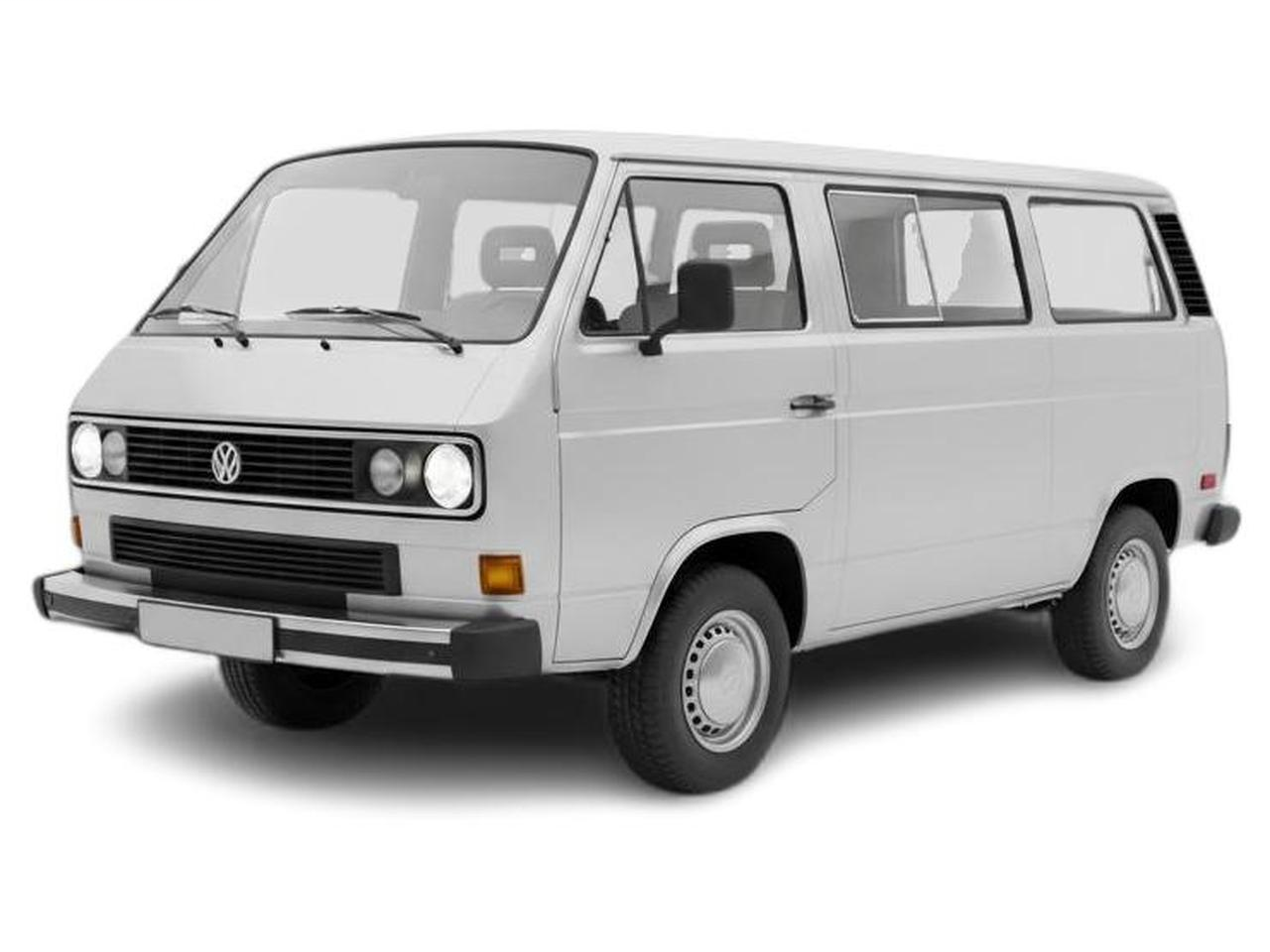
The 1988 Volkswagen Vanagon, also known as the Type 2 (T3) generation, is a rear-engine, rear-wheel-drive van produced from 1979 to 1992. Popular for its iconic boxy design and versatility, it offered various body styles including passenger van, panel van, and camper configurations (Westfalia). Key trims often included the GL, Carat, and the sought-after camper models. Its enduring popularity stems from its unique charm, practicality, and its status as a lifestyle vehicle, perfect for adventure and road trips.
The Good
The 1988 Vanagon boasts a unique, practical design offering spacious interiors for its size. While performance is modest, its reliability is often praised with proper maintenance. Its utilitarian charm appeals emotionally, while its adaptability for camping or hauling makes it a practical choice for adventurers and small businesses.
The Bad
Owners should watch out for significant rust, particularly around wheel wells, door bottoms, and the windshield. Engine cooling issues, oil leaks, and a sometimes sluggish performance due to its older engine design are also common concerns. Interior wear and tear are also expected.
1988 Volkswagen Vanagon: Quick Overview
- Engine Options: The 1988 Volkswagen Vanagon typically came with a choice of two gasoline engines:
- 2.1-liter (2109cc) inline-four, water-cooled, fuel-injected engine.
- 1.9-liter (1913cc) inline-four, air-cooled engine (less common in North America for this year, but present in earlier T3 models and some global markets).
- Horsepower:
- The 2.1-liter engine generally produced around 95 horsepower.
- The 1.9-liter air-cooled engine produced approximately 70-78 horsepower.
- Fuel Economy: Fuel economy for the Vanagon was not its strong suit, especially by modern standards. Expect around 16-19 MPG (city/highway), varying with driving conditions, engine type, and load.
- 0-60 Times: Acceleration was typically leisurely. 0-60 MPH times were generally in the 15-20 second range, depending on the engine and transmission.
- Towing Capacity: The Vanagon was not designed for heavy towing. Its towing capacity was typically limited, often around 1,000 - 2,000 lbs (450 - 900 kg), depending on the specific configuration and local regulations. It was more suited for utility or recreational use than hauling large trailers.
- Trim-Level Features: Features varied significantly by trim and optional packages.
- GL (Grand Luxe): Often included more comfortable seating, upgraded interior trim, power steering, and sometimes power windows.
- Carat: A higher-end trim, potentially featuring premium upholstery, air conditioning (often optional and less effective), and better sound systems.
- Camper (Westfalia): This was a highly popular variant. It included a pop-top roof, sleeping accommodations for 2-4 people, a small kitchenette with a stove, sink, and refrigerator, and ample storage. These were designed for self-contained travel and camping.
- General features across trims: Four-wheel disc brakes (standard on most), independent suspension, and a manual or automatic transmission. Optional features could include cruise control, alloy wheels, and upgraded stereo systems.
1988 Volkswagen Vanagon Specifications
Vehicle Information
| Year | 1988 |
| Make | Volkswagen |
| Model | Vanagon |
| Trim | - |
| Style | GL Van RWD 4MT 2.1L H4 |
| Type | Van |
| Category | passenger |
Manufacturing Details
| Made In | Austria |
| Manufacturing City | GRAZ |
Dimensions
| Doors | 3-Door |
| Curb Weight | - |
| Gross Vehicle Weight Rating | - |
| Overall Height | - |
| Overall Length | - |
| Overall Width | - |
| Wheelbase Length | - |
| Standard Seating | - |
Engine & Performance
| Engine | 2.1L H4 |
| Engine Size | 2.1L |
| Engine Cylinders | 4 |
| Transmission | 4-Speed Manual |
| Transmission Type | Manual |
| Transmission Speeds | 4-Speed |
| Drivetrain | Rear-Wheel Drive |
Additional Features
| Anti-Brake System | - |
| Steering Type | - |
Pricing
| Manufacturer Suggested Retail Price (MSRP) | - |
| Invoice Price | - |
| Delivery Charges | - |
Vehicle History Report
Vehicle
Specifications
Specifications
Ownership
History
History
All History
Events
Events
NMVTIS Title
History Check
History Check
Salvage/Rebuilt
Check
Check
Accident
Check
Check
Theft
Check
Check
Open Lien
Check
Check
Past Sale
Listings
Listings
Safety
Recalls
Recalls
Odometer
Check
Check
Market Price
Analysis
Analysis
What Problems Does the 1988 Volkswagen Vanagon Have?
The 1988 Volkswagen Vanagon, like many vehicles of its era, has a list of known issues that prospective buyers should be aware of. One of the most pervasive concerns is rust. The body panels, especially around the wheel arches, rocker panels, door bottoms, and the area around the windshield and rear hatch, are highly susceptible to corrosion. Thorough inspection for rust is paramount. Mechanically, the cooling system is a frequent point of attention for water-cooled models. Overheating can occur due to radiator leaks, worn water pumps, or clogged passages. The head gaskets on the 2.1-liter water-cooled engines are also known to be a potential failure point, often leading to coolant leaks or mixing with oil. In terms of the engine, oil leaks are common, particularly from the crank seals and oil cooler. While generally robust, the air-cooled engines (less common in the US for 1988 but still relevant for the T3 lineage) can suffer from wear and tear, leading to increased oil consumption. The transmission, whether manual or automatic, can develop issues with wear, leading to difficult shifting or failure. Brake components, especially in a vehicle of this age and weight, require regular attention and replacement. Electrical gremlins, while not as widespread as mechanical issues, can manifest as intermittent problems with lights, gauges, or accessories. Recalls for this model year are less common to find readily published, but owners should always check with the NHTSA for any outstanding safety campaigns. Long-term reliability is heavily dependent on how well the vehicle has been maintained. These vans require diligent and proactive maintenance. Neglecting common issues can lead to more expensive repairs down the line. The rear-engine layout, while offering unique advantages, also means that some repairs can be more labor-intensive than in front-engine vehicles. Model year specific issues for 1988 are not dramatically different from surrounding years within the T3 generation, with the evolution of the engines and chassis generally addressing earlier quirks, but major components like the cooling system and body integrity remain consistent concerns.
How long will the 1988 Volkswagen Vanagon last?
The 1988 Volkswagen Vanagon, with diligent maintenance, can achieve impressive mileage, often exceeding 200,000 to 300,000 miles. Many enthusiasts report their Vanagons remaining in service for 20-30 years. Its long-term durability is a testament to its robust construction, but this longevity is heavily contingent on consistent, high-quality maintenance. Weaknesses that appear over time are primarily driven by age and environmental factors: rust becomes a critical concern, potentially compromising structural integrity. Engine components, especially seals and gaskets, will eventually wear and leak. The cooling system requires vigilant upkeep. The suspension components will also experience wear. However, with owners who are committed to addressing these issues proactively, the Vanagon can remain a reliable and cherished vehicle for many more years, showcasing a remarkable ability to endure when cared for.
What Technology & Safety Features are Included?
The 1988 Volkswagen Vanagon represents a simpler era of automotive technology, with its focus on utility and the driving experience rather than advanced electronic features. Built-in tech was minimal by today's standards. The instrument cluster typically included essential gauges like speedometer, tachometer (on some models), fuel level, and engine temperature. Entertainment systems were primarily basic analog radios, often with cassette players as an upgrade. Higher trims might have offered slightly better speaker systems, but sophisticated infotainment was non-existent. Driver-assistance features were virtually absent. There were no modern electronic aids like ABS (anti-lock braking system), traction control, or stability control. Lane departure warnings or adaptive cruise control were purely in the realm of science fiction for this vehicle. Safety features were limited to the essentials of the time. Standard safety equipment would have included seatbelts (three-point in the front, lap belts in the rear), crumple zones designed into the body structure, and dual-circuit hydraulic brakes. Side-impact beams might have been present in the doors depending on market regulations. Optional safety features were rare, with the focus being on passive safety through vehicle construction. Crash-test ratings for vehicles from this era are not readily available in the comprehensive format we see today. Volkswagen did not typically subject their vans to the rigorous testing protocols performed by organizations like the NHTSA or IIHS in the way modern vehicles are. Anecdotal evidence suggests the Vanagon's solid construction offered reasonable protection for its time, but it would likely perform poorly in modern frontal and side-impact crash tests compared to contemporary vehicles. The absence of airbags also significantly impacts its safety profile by current benchmarks. The appeal of the Vanagon lies less in its technological prowess and more in its mechanical simplicity and user-friendly, albeit basic, functionality.
What Colors Options are Available?
1988 Volkswagen Vanagon Prices and Market Value
When new in 1988, the Volkswagen Vanagon's price varied significantly by trim and configuration, ranging from approximately $15,000 for a base model to over $30,000 for a fully equipped Westfalia camper. As with most vehicles, the Vanagon experienced significant depreciation in its early years. However, its resale value has seen a remarkable resurgence in recent decades. Currently, used 1988 Vanagons can fetch anywhere from $5,000 for projects needing extensive work to over $25,000 for well-maintained or restored examples, with pristine Westfalias commanding even higher prices. Factors heavily affecting resale value include the overall condition (especially rust and mechanical health), originality, mileage, and the presence and condition of desirable features like Westfalia camper conversions. The Vanagon's status as a beloved lifestyle and adventure vehicle has driven demand and appreciation.
1988 Volkswagen Vanagon Cost of Ownership
Owning a 1988 Volkswagen Vanagon can be a mixed bag economically. Insurance rates are typically moderate for classic vehicles. Fuel costs can be higher than modern vehicles due to its modest fuel economy. Maintenance and repair costs can be the most significant factor; while parts are often available, specialized knowledge and labor can be expensive. These vans require proactive and frequent maintenance to prevent costly breakdowns. Finding mechanics experienced with older VWs is crucial. Overall, the Vanagon is not an inherently economical vehicle to own, especially if you plan to use it frequently or require repairs. Its appeal lies in its unique character and utility rather than its low running costs.
1988 Volkswagen Vanagon Fuel Efficiency
Fuel Type
Gasoline
Fuel Capacity
-
City Mileage
-
Highway Mileage
-
1988 Volkswagen Vanagon Insurance
Insurance for a 1988 Volkswagen Vanagon is moderately priced, reflecting its status as a Van with strong safety ratings and
reasonable repair costs.
How Does the 1988 Volkswagen Vanagon Compare to Other Van?
In the late 1980s, the Volkswagen Vanagon competed in a niche segment for passenger vans and utility vehicles, with few direct rivals offering its unique rear-engine, rear-drive configuration and camper potential. Key competitors included the Ford Econoline and Chevrolet Express/GMC Vandura. In terms of performance, the Vanagon lagged significantly behind these larger, V8-powered American vans, which offered much more power and quicker acceleration. Features were generally simpler on the Vanagon; while American vans might have offered more creature comforts like power windows or more advanced stereos, the Vanagon excelled in its compact, versatile interior packaging and the highly sought-after Westfalia camper variants. Reliability is a complex comparison. While American vans from this era could be mechanically robust, they often suffered from different issues like rust (though perhaps less prone than the Vanagon in certain areas) and electrical gremlins. The Vanagon's reliability is heavily dependent on meticulous maintenance and addressing its known weaknesses. In terms of price, the Vanagon was often positioned as a more premium, specialized vehicle, especially in its camper form, compared to the more utilitarian base models of the Ford and Chevy. Alternatives: For pure people-moving capacity and performance, the Ford Econoline or Chevrolet Express (depending on the specific model year and configuration) would be more practical choices. For a modern take on a camper van with better performance and features, one might look at modern camper van conversions based on Mercedes-Benz Sprinter or Ram ProMaster chassis, though these come at a significantly higher price point. If seeking a similarly quirky, vintage camper experience, older VW buses (Type 2 T1/T2) offer more classic appeal but with even more rudimentary performance and comfort. The Vanagon strikes a unique balance, making direct comparisons difficult.
Final Verdict: Is the 1988 Volkswagen Vanagon a Good Van?

The 1988 Volkswagen Vanagon is ideal for adventurers, hobbyists, and those seeking a unique, character-filled vehicle for road trips, camping, or light commercial use. It's not for the buyer prioritizing raw power, modern tech, or low-maintenance convenience. It is worth buying, but primarily as a used vehicle, with a strong preference for the Westfalia camper trims if camping is the goal. Buyers must be prepared for ongoing maintenance and potential repairs; a thorough pre-purchase inspection is non-negotiable, with a keen eye for rust and mechanical condition. It's a vehicle that rewards passion and dedication with an unparalleled sense of freedom and nostalgia.