The 1999 Lexus LX 470 is a full-size luxury SUV, part of the second generation (UZJ100) based on the highly reliable Toyota Land Cruiser 100-series. Produced from 1998 to 2007, it came in a single, well-equipped trim. Originally priced around $58,000, current used prices range significantly from $8,000 to over $25,000. It stands out for its legendary reliability, exceptional off-road capability, and plush, comfortable ride, making it immensely popular for its blend of luxury and ruggedness.

The Good
The 1999 Lexus LX 470 boasts a smooth V8 performance coupled with formidable off-road prowess, appealing to adventurers. Its legendary Lexus reliability offers practical peace of mind, while the spacious, quiet, and plush interior provides emotional comfort. The timeless design and strong resale value make it a smart, enduring choice for discerning buyers.


The Bad
Known weaknesses for the 1999 Lexus LX 470 include its significant fuel consumption, potential issues with the Adaptive Height Control (AHC) system, frame and body rust, and the critical, expensive timing belt service. Interior wear, especially dashboard cracks, is also common for its age.
1999 Lexus LX 470: Quick Overview
- Engine: The 1999 Lexus LX 470 is powered by a robust 4.7-liter DOHC 32-valve V8 engine (2UZ-FE). This engine is renowned for its durability and smooth power delivery, designed for both comfortable highway cruising and demanding off-road excursions.
- Horsepower: This V8 engine generates 230 horsepower at 4,800 rpm and 320 lb-ft of torque at 3,400 rpm. This output provides ample power for its size and intended use, ensuring confident acceleration and towing capabilities.
- Fuel Economy: Given its large V8 engine and full-time four-wheel-drive system, fuel economy is not a strong suit. EPA estimates for the 1999 model typically stand around 13 miles per gallon in the city and 16 miles per gallon on the highway, with a combined average of about 14 MPG.
- 0-60 Times: The 1999 LX 470 accelerates from 0 to 60 mph in approximately 9.5 to 10 seconds. While not a sports car, this performance is respectable for a large, heavy luxury SUV of its era.
- Towing Capacity: The LX 470 is a capable tow vehicle, with a maximum towing capacity rated at 5,000 pounds when properly equipped. This makes it suitable for towing boats, trailers, or other recreational vehicles.
- Trim-Level Features: The 1999 LX 470 essentially came in one highly appointed trim. Standard features were extensive and included:
- Leather-trimmed interior with genuine wood accents
- Power-adjustable front seats
- Automatic climate control (dual-zone)
- Premium audio system (cassette and CD player)
- Power tilt/slide moonroof
- Full-time four-wheel drive with a Torsen® center differential
- Adaptive Height Control (AHC) suspension system for adjustable ride height
- Vehicle Skid Control (VSC)
- Anti-lock Braking System (ABS)
- Remote keyless entry
- Heated exterior mirrors
- Integrated fog lamps
- Roof rack and running boards
1999 Lexus LX 470 Specifications
Vehicle Information
| Year | 1999 |
| Make | Lexus |
| Model | LX 470 |
| Trim | - |
| Style | - |
| Type | Sport Utility Vehicle |
| Category | Standard Sport Utility Vehicle |
Manufacturing Details
| Made In | Japan |
| Manufacturing City | TOYOTA CITY |
Dimensions
| Doors | 4-Door |
| Curb Weight | 2449.85 kg |
| Gross Vehicle Weight Rating | 3111.64 kg |
| Overall Height | 184.91 cm |
| Overall Length | 488.95 cm |
| Overall Width | 194.06 cm |
| Wheelbase Length | 284.99 cm |
| Standard Seating | 8 |
Engine & Performance
| Engine | 4.7L V8 |
| Engine Size | 4.7L |
| Engine Cylinders | 8 |
| Transmission | 4-Speed Automatic |
| Transmission Type | Automatic |
| Transmission Speeds | 4-Speed |
| Drivetrain | Four-Wheel Drive |
Additional Features
| Anti-Brake System | 4-Wheel ABS |
| Steering Type | Rack & Pinion |
Pricing
| Manufacturer Suggested Retail Price (MSRP) | $56,205 USD |
| Invoice Price | $48,252 USD |
| Delivery Charges | - |
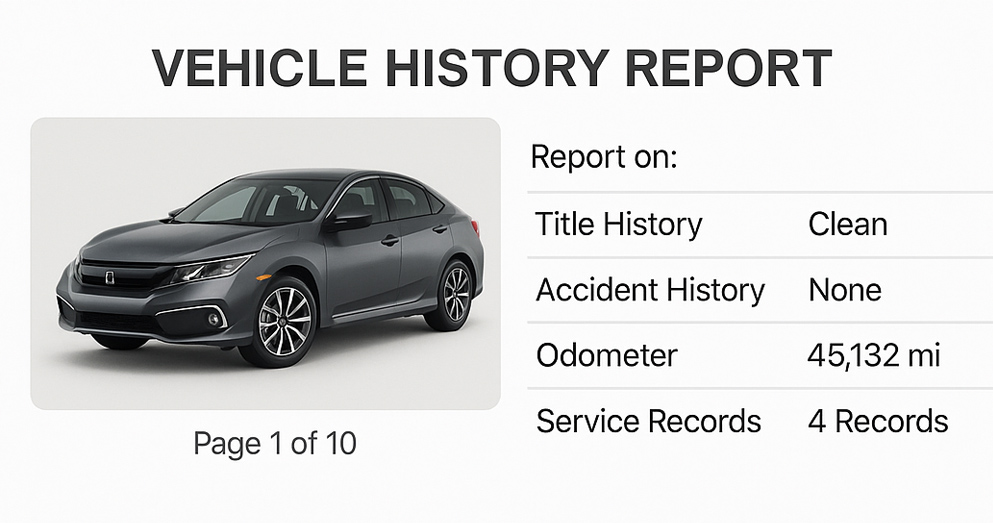
Vehicle History Report
Vehicle
Specifications
Specifications
Ownership
History
History
All History
Events
Events
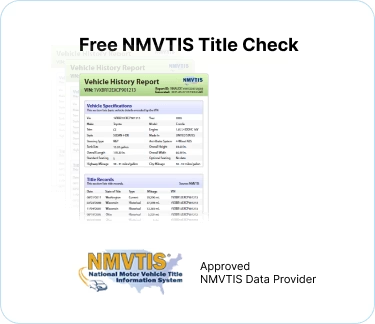
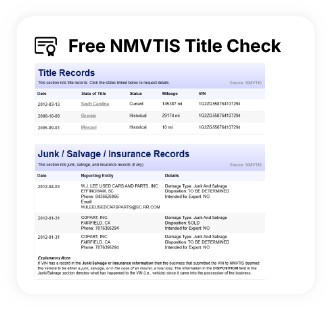
NMVTIS Title
History Check
History Check
Salvage/Rebuilt
Check
Check
Accident
Check
Check
Theft
Check
Check
Open Lien
Check
Check
Past Sale
Listings
Listings
Safety
Recalls
Recalls
Odometer
Check
Check
Market Price
Analysis
Analysis
What Problems Does the 1999 Lexus LX 470 Have?
Despite its legendary reliability, the 1999 Lexus LX 470, like any older vehicle, has several frequently reported problems and long-term concerns that potential owners should be aware of. One of the most common and significant issues involves the Adaptive Height Control (AHC) system. Over time, the AHC's hydraulic accumulators, struts, and pump can leak or fail, leading to inconsistent ride height, a "saggy" appearance, or complete system failure. Repairs can be very expensive, leading many owners to convert to a more traditional coil spring suspension. While effective, this conversion removes a key luxury feature.
Another critical maintenance item is the timing belt replacement. The 4.7L V8 is an interference engine, meaning a failed timing belt can cause catastrophic engine damage. The belt (and water pump, which is often replaced concurrently) is due every 90,000 miles, and it's a costly service that should have documented proof of completion. If not, budget for it immediately.
Rust is a significant concern, especially in regions with road salt. Frame rust, particularly around the rear control arms and hitch mounts, can be severe. Body panel rust, particularly on the tailgate and fenders, also occurs. A thorough pre-purchase inspection underneath the vehicle is essential.
Other common issues include exhaust manifold cracks, which manifest as a ticking sound, particularly when cold. Power steering pump leaks and steering rack bushings wearing out are also common. The power antenna mechanism often fails, and interior plastics, particularly the dashboard, are prone to cracking due to sun exposure. The multi-information display pixels can also fail.
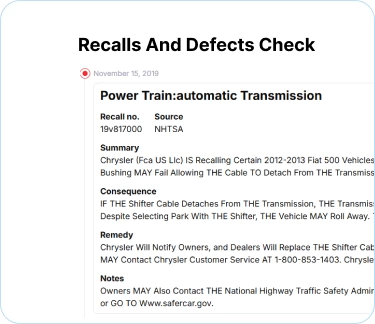
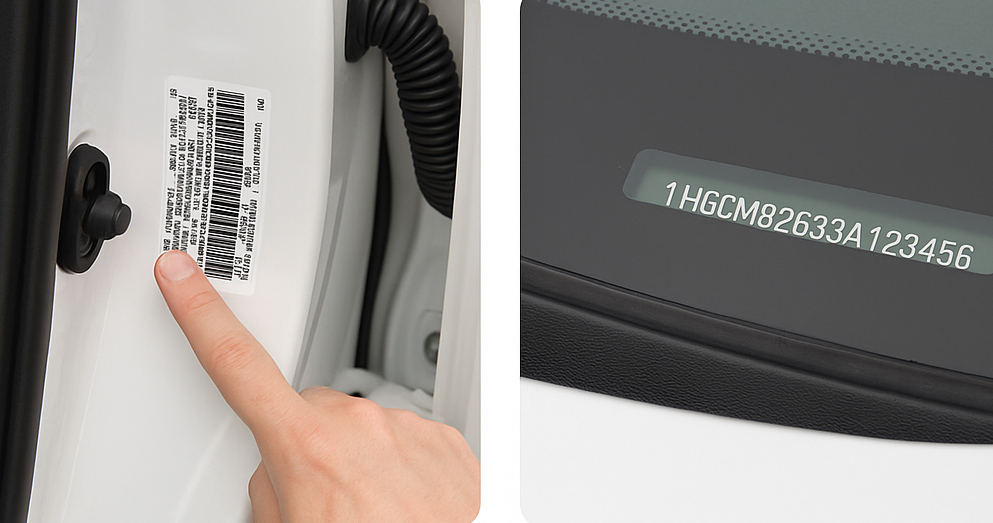
Regarding recalls, the 1999 LX 470 has had a few, primarily related to broader industry issues or specific component campaigns rather than widespread design flaws. The most notable would be the Takata airbag recalls, which affected a vast number of vehicles across many manufacturers, including the LX 470. Owners should check the NHTSA website using the vehicle's VIN for any open recalls. Long-term reliability is still excellent for the powertrain, but age-related wear on suspension components, rubber bushings, and various sensors is expected and requires diligent maintenance to mitigate.
Another critical maintenance item is the timing belt replacement. The 4.7L V8 is an interference engine, meaning a failed timing belt can cause catastrophic engine damage. The belt (and water pump, which is often replaced concurrently) is due every 90,000 miles, and it's a costly service that should have documented proof of completion. If not, budget for it immediately.
Rust is a significant concern, especially in regions with road salt. Frame rust, particularly around the rear control arms and hitch mounts, can be severe. Body panel rust, particularly on the tailgate and fenders, also occurs. A thorough pre-purchase inspection underneath the vehicle is essential.
Other common issues include exhaust manifold cracks, which manifest as a ticking sound, particularly when cold. Power steering pump leaks and steering rack bushings wearing out are also common. The power antenna mechanism often fails, and interior plastics, particularly the dashboard, are prone to cracking due to sun exposure. The multi-information display pixels can also fail.
Regarding recalls, the 1999 LX 470 has had a few, primarily related to broader industry issues or specific component campaigns rather than widespread design flaws. The most notable would be the Takata airbag recalls, which affected a vast number of vehicles across many manufacturers, including the LX 470. Owners should check the NHTSA website using the vehicle's VIN for any open recalls. Long-term reliability is still excellent for the powertrain, but age-related wear on suspension components, rubber bushings, and various sensors is expected and requires diligent maintenance to mitigate.
How long will the 1999 Lexus LX 470 last?
The 1999 Lexus LX 470 is renowned for its exceptional longevity, often achieving average mileage of 250,000 to 350,000 miles with consistent maintenance. Many dedicated owners report these vehicles surpassing 400,000 miles, with some even reaching half a million. This incredible lifespan is primarily due to the bulletproof 4.7L V8 engine and robust drivetrain. The long-term durability of the core mechanicals is outstanding. However, weaknesses over time include the complex Adaptive Height Control (AHC) system, which often requires costly repairs or conversion to traditional springs. Rust on the frame and body, particularly in colder climates, can become a significant issue. Additionally, age-related wear on interior components like dashboards and seat leather is common, as are minor electrical gremlins and worn suspension bushings, requiring attention to sustain its luxurious ride.
What Technology & Safety Features are Included?
The 1999 Lexus LX 470, while predating much of today's advanced automotive technology, offered a comprehensive suite of features for its time, embodying luxury and capability. For built-in tech, it included automatic dual-zone climate control, ensuring cabin comfort, and a multi-information display that provided various vehicle diagnostics and environmental data. Power features were standard throughout, including power windows, door locks, and heated power-adjustable side mirrors.
In terms of entertainment, the LX 470 came equipped with a premium audio system featuring both a cassette player and a CD changer, often mounted in the console. This system provided good sound quality for the era, suitable for long journeys. While integrated navigation systems became common in later models, they were not widely available for the 1999 model year LX 470, though some aftermarket solutions might have been installed.
Driver-assistance features were foundational but effective. The vehicle featured full-time four-wheel drive with a Torsen® limited-slip center differential, providing excellent traction in various conditions. An Anti-lock Braking System (ABS) was standard, enhancing stopping control. The Adaptive Height Control (AHC) suspension system, a signature feature, allowed the driver to adjust ride height for off-road clearance or easier entry/exit, though it's not considered a "driver-assistance" in the modern sense. Vehicle Skid Control (VSC) was also included, helping to maintain stability during aggressive maneuvers or slippery conditions.
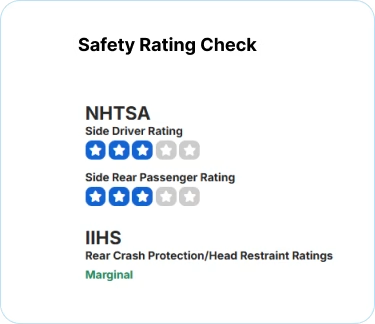
For safety features, the 1999 LX 470 was well-equipped with dual front airbags for the driver and front passenger. Side-impact door beams provided additional protection in lateral collisions. It also featured child seat anchors (LATCH system was still evolving but basic anchors were present) and three-point seatbelts for all outboard seating positions. As for crash-test ratings, comprehensive modern-style crash test data from organizations like IIHS or NHTSA for a 1999 model year vehicle is often limited or not directly comparable to current standards. However, the LX 470 was built on a very robust, body-on-frame platform, shared with the incredibly durable Toyota Land Cruiser, which generally translated to solid occupant protection for its time. Optional features were scarce, as the LX 470 was typically sold as a single, fully-loaded trim, focusing on comprehensive standard equipment rather than extensive customization.
In terms of entertainment, the LX 470 came equipped with a premium audio system featuring both a cassette player and a CD changer, often mounted in the console. This system provided good sound quality for the era, suitable for long journeys. While integrated navigation systems became common in later models, they were not widely available for the 1999 model year LX 470, though some aftermarket solutions might have been installed.
Driver-assistance features were foundational but effective. The vehicle featured full-time four-wheel drive with a Torsen® limited-slip center differential, providing excellent traction in various conditions. An Anti-lock Braking System (ABS) was standard, enhancing stopping control. The Adaptive Height Control (AHC) suspension system, a signature feature, allowed the driver to adjust ride height for off-road clearance or easier entry/exit, though it's not considered a "driver-assistance" in the modern sense. Vehicle Skid Control (VSC) was also included, helping to maintain stability during aggressive maneuvers or slippery conditions.
For safety features, the 1999 LX 470 was well-equipped with dual front airbags for the driver and front passenger. Side-impact door beams provided additional protection in lateral collisions. It also featured child seat anchors (LATCH system was still evolving but basic anchors were present) and three-point seatbelts for all outboard seating positions. As for crash-test ratings, comprehensive modern-style crash test data from organizations like IIHS or NHTSA for a 1999 model year vehicle is often limited or not directly comparable to current standards. However, the LX 470 was built on a very robust, body-on-frame platform, shared with the incredibly durable Toyota Land Cruiser, which generally translated to solid occupant protection for its time. Optional features were scarce, as the LX 470 was typically sold as a single, fully-loaded trim, focusing on comprehensive standard equipment rather than extensive customization.
What Colors Options are Available?
1999 Lexus LX 470 Prices and Market Value
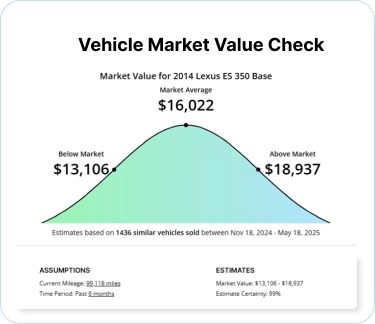
When new in 1999, the Lexus LX 470 had an MSRP starting around $58,000 to $60,000. Today, current used market prices vary dramatically, ranging from as low as $8,000 for high-mileage examples with known issues to upwards of $25,000 or more for exceptionally well-maintained, lower-mileage vehicles, or those with desirable modifications. While it experienced significant initial depreciation typical of luxury SUVs, the LX 470 has since demonstrated remarkable value retention, a testament to its legendary reliability. Factors heavily affecting its resale value include the vehicle's overall condition (especially rust), a comprehensive maintenance history, the status of the Adaptive Height Control (AHC) system, mileage, and whether major services like the timing belt have been completed. Its robust Land Cruiser platform helps it maintain value far better than many contemporary luxury rivals.
1999 Lexus LX 470 Cost of Ownership
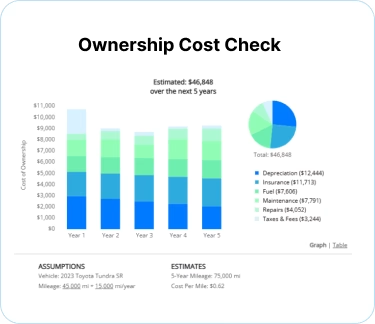
Owning a 1999 Lexus LX 470 involves specific costs. Insurance premiums are generally moderate, typical for an older luxury SUV. Fuel costs are significant; with average MPG in the low to mid-teens and premium fuel recommended, it's not economical at the pump. Maintenance is crucial; the 90,000-mile timing belt service is a major expense. While core mechanicals are durable, repairs, particularly for the AHC system or age-related component failures, can be costly due to specialized parts and labor. Long-term, it's not an economical vehicle to own due to fuel consumption and potential for infrequent but large repair bills. However, its longevity means these costs are spread over many years of service.
1999 Lexus LX 470 Fuel Efficiency
Fuel Type
Gasoline
Fuel Capacity
96.15 liters
City Mileage
5.53 km/l
Highway Mileage
6.8 km/l
1999 Lexus LX 470 Safety Rating
NHTSA
IIHS
1999 Lexus LX 470 Warranty
Basic
Original warranty
48 months / 50,000 miles
Estimated remaining
Expired
Powertrain
Original warranty
72 months / 70,000 miles
Estimated remaining
Expired
Rust
Original warranty
72 months / unlimited miles
Estimated remaining
Expired
1999 Lexus LX 470 Insurance
Insurance for a 1999 Lexus LX 470 is moderately priced, reflecting its status as a Sport Utility Vehicle with strong safety ratings and
reasonable repair costs.
How Does the 1999 Lexus LX 470 Compare to Other Sport Utility Vehicle?
The 1999 Lexus LX 470 occupies a unique position when stacked against its rivals. Key competitors in its luxury full-size SUV class included the Mercedes-Benz G-Class, Range Rover (P38A generation), Lincoln Navigator, and Cadillac Escalade.
In terms of performance, the LX 470's 230-hp V8 offered smooth, adequate power, comparable to the Navigator and Escalade, and often outperforming the Range Rover P38A's V8. Where the LX 470 truly shone was its off-road capability, inheriting the Toyota Land Cruiser's legendary prowess, making it far superior to the American rivals and arguably more dependable off-pavement than the contemporary Range Rover.
Regarding features, the LX 470 was impressively equipped for its time with leather, power everything, and the innovative Adaptive Height Control. However, European rivals like the G-Class and Range Rover sometimes offered slightly more cutting-edge (though often less reliable) electronic amenities or exclusive interior materials. American SUVs focused more on sheer size and passenger capacity.
Reliability is where the LX 470 set itself apart. It's vastly superior to the contemporaneous Range Rover and Mercedes-Benz G-Class, which were known for numerous electrical and mechanical issues. The LX 470's Toyota-derived mechanicals are renowned for their bulletproof durability, often lasting hundreds of thousands of miles with proper maintenance, far exceeding its European counterparts and often outlasting its American rivals.
For price, new, the LX 470 was competitive. In the used market today, a well-maintained LX 470 often commands higher prices than its equivalent-year Navigator or Escalade due to its superior reliability and cult following. While a G-Wagen might hold its value, its running costs are significantly higher.
Better or similar alternatives depend on priorities:
In terms of performance, the LX 470's 230-hp V8 offered smooth, adequate power, comparable to the Navigator and Escalade, and often outperforming the Range Rover P38A's V8. Where the LX 470 truly shone was its off-road capability, inheriting the Toyota Land Cruiser's legendary prowess, making it far superior to the American rivals and arguably more dependable off-pavement than the contemporary Range Rover.
Regarding features, the LX 470 was impressively equipped for its time with leather, power everything, and the innovative Adaptive Height Control. However, European rivals like the G-Class and Range Rover sometimes offered slightly more cutting-edge (though often less reliable) electronic amenities or exclusive interior materials. American SUVs focused more on sheer size and passenger capacity.
Reliability is where the LX 470 set itself apart. It's vastly superior to the contemporaneous Range Rover and Mercedes-Benz G-Class, which were known for numerous electrical and mechanical issues. The LX 470's Toyota-derived mechanicals are renowned for their bulletproof durability, often lasting hundreds of thousands of miles with proper maintenance, far exceeding its European counterparts and often outlasting its American rivals.
For price, new, the LX 470 was competitive. In the used market today, a well-maintained LX 470 often commands higher prices than its equivalent-year Navigator or Escalade due to its superior reliability and cult following. While a G-Wagen might hold its value, its running costs are significantly higher.
Better or similar alternatives depend on priorities:
- For nearly identical performance and reliability with less luxury branding: The Toyota Land Cruiser 100-series (1998-2007) is essentially the same vehicle, often found for slightly less money.
- For similar luxury and capability in a slightly newer package: The Lexus GX 470 (2003-2009) offers a similar blend but is a bit smaller.
- If budget allows for a newer generation: A Lexus LX 570 (2008+) provides modern tech with continued reliability.
- For sheer off-road prowess with less emphasis on luxury: A well-maintained Toyota 4Runner of similar vintage.
Final Verdict: Is the 1999 Lexus LX 470 a Good Sport Utility Vehicle?
The 1999 Lexus LX 470 is ideal for buyers prioritizing legendary reliability, exceptional off-road capability, and a comfortable, understated luxury experience without modern technological complexities. It's perfect for families needing robust transportation, adventurers seeking a dependable overland vehicle, or anyone desiring a long-lasting, high-quality SUV.
It is absolutely worth buying as a used vehicle, but under specific conditions. Since it's only available used, a thorough pre-purchase inspection is paramount, focusing on the health of the Adaptive Height Control (AHC) system, evidence of critical maintenance like the timing belt replacement, and especially any signs of significant frame or body rust. As there's essentially one well-equipped trim, focus should be on the vehicle's overall condition and maintenance history rather than specific trim levels. Buyers should budget for potential AHC service or conversion, as well as higher fuel costs. For those willing to invest in its maintenance, the 1999 LX 470 offers unparalleled long-term value and capability.