
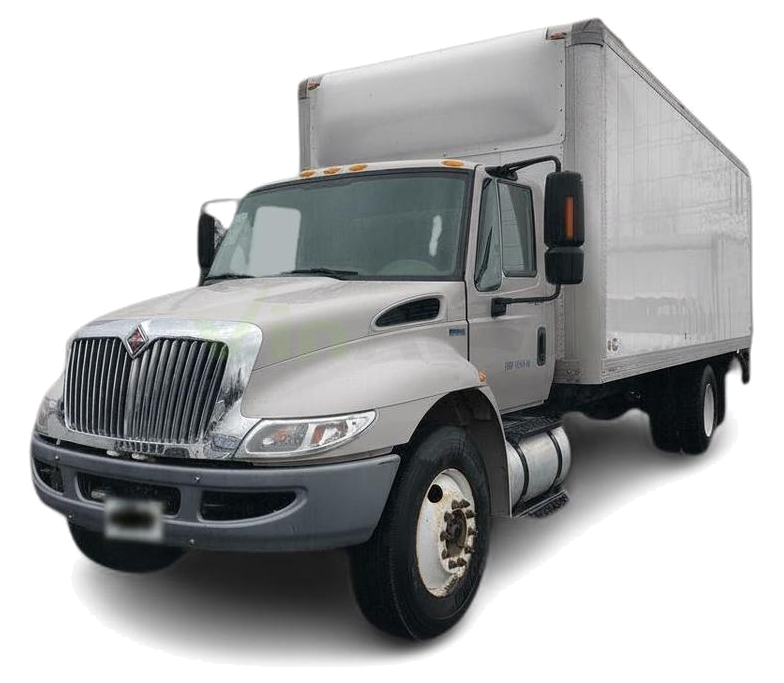
The Good
The 2014 International 4300 offers dependable performance for demanding tasks, boasting a rugged build that instills confidence. Its practical design prioritizes functionality and driver visibility. For the owner, its value lies in its longevity and ability to be customized for specific needs, ensuring a sound investment.
The Bad
Potential buyers of the 2014 International 4300 should be aware of possible electrical system gremlins and transmission issues, especially on higher-mileage units. Rust formation on the frame and body panels can also be a concern in certain climates. Thorough pre-purchase inspection is recommended.
2014 International 4300: Quick Overview
- Engine Options: The 2014 International 4300 was primarily offered with the Cummins ISB6.7 inline-6 turbo-diesel engine. This engine is known for its durability and strong torque output, making it suitable for commercial applications.
- Horsepower: The Cummins ISB6.7 engine typically produced horsepower figures in the range of200 hp to 260 hp, depending on the specific tuning and application requirements.
- Torque: Torque figures for the ISB6.7 engine generally ranged from520 lb-ft to 660 lb-ft, providing ample pulling power for various vocational needs.
- Fuel Economy: Specific EPA-rated fuel economy figures for commercial trucks like the International 4300 are not readily available or standardized like passenger vehicles, as it heavily depends on the chassis configuration, payload, driving conditions, and operational use. However, as a diesel engine, it would be expected to offer better fuel efficiency than comparable gasoline engines in heavy-duty applications. Owners often report mileage in the range of8-12 MPG under typical load conditions.
- 0-60 Times: 0-60 mph acceleration is not a primary metric for this class of vehicle, as its purpose is not speed but utility and hauling. Performance is measured more by its ability to accelerate under load and maintain highway speeds.
- Towing Capacity: Towing capacity for the 2014 International 4300 is highly dependent on the specific chassis configuration, axle ratings, and installed equipment. As a medium-duty truck designed for vocational use, it can be equipped to handle substantial towing and hauling loads, often ranging from10,000 lbs to 30,000 lbs or more, especially when configured with appropriate towing packages and trailer hitches.
- Trim-Level Features: As a chassis cab, the 2014 International 4300 did not have traditional 'trim levels' in the same sense as a pickup truck or SUV. Instead, features were determined by the vocational body (e.g., dump truck, service body, box truck, tow truck) installed behind the cab and optional equipment selected from the factory. Standard features would have included a functional cab designed for work, basic instrumentation, and power steering. Optional features could encompass air conditioning, upgraded seating, power windows and locks, auxiliary lighting, and various electronic monitoring systems for engine and chassis performance. The focus was on utility and driver functionality rather than luxury.
2014 International 4300 Specifications
Vehicle Information
| Year | 2014 |
| Make | International |
| Model | 4300 |
| Trim | - |
| Style | - |
| Type | Truck |
| Category | Heavy Truck |
Manufacturing Details
| Made In | Mexico |
| Manufacturing City | SPRINGFIELD |
Dimensions
| Doors | - |
| Curb Weight | - |
| Gross Vehicle Weight Rating | 33001 pounds |
| Overall Height | - |
| Overall Length | - |
| Overall Width | - |
| Wheelbase Length | - |
| Standard Seating | - |
Engine & Performance
| Engine | 7.6L I6 |
| Engine Size | 7.6L |
| Engine Cylinders | 6 |
| Transmission | - |
| Transmission Type | - |
| Transmission Speeds | - |
| Drivetrain | Rear-Wheel Drive |
Additional Features
| Anti-Brake System | - |
| Steering Type | - |
Pricing
| Manufacturer Suggested Retail Price (MSRP) | - |
| Invoice Price | - |
| Delivery Charges | - |
Vehicle History Report
Specifications
History
Events
History Check
Check
Check
Check
Check
Listings
Recalls
Check
Analysis
What Problems Does the 2014 International 4300 Have?
Another area that can be a concern, particularly on vehicles with higher mileage or those used in harsh environments, is thetransmission. While theAllison automatic transmissionsoften paired with the Cummins engines are generally robust, issues such as fluid leaks, shifting problems, or premature wear can occur if maintenance intervals are not strictly adhered to or if the transmission is subjected to excessive abuse.
Corrosion is a perennial concern for any vehicle operating in areas with road salt or high humidity. The frame rails, cab undercarriage, and body panels of the 2014 International 4300 can be susceptible to rust. Regular washing and undercoating can mitigate this, but significant rust can compromise structural integrity and lead to costly repairs.
While specific recalls for the 2014 model year are not extensively documented in broad consumer-facing databases for vocational trucks (as recalls are often manufacturer-initiated and targeted to specific VIN ranges or components), it is always advisable to check theNHTSA (National Highway Traffic Safety Administration) websitefor any safety recalls pertaining to the specific vehicle you are considering.
Regarding long-term reliability, the Cummins ISB6.7 engine itself is generally considered a very reliable and durable powerplant, capable of hundreds of thousands of miles with proper maintenance. However, the overall reliability of the 4300 platform is a culmination of the engine, transmission, chassis components, and the electrical system. Neglecting routine maintenance, such as oil changes, filter replacements, and coolant flushes, will significantly impact its longevity and increase the likelihood of encountering problems. Buyers should prioritize vehicles with a documented maintenance history.
How long will the 2014 International 4300 last?
What Technology & Safety Features are Included?
Built-in Tech and Entertainment: Standard equipment usually included a basicAM/FM radiowith an auxiliary input for portable music devices. Higher trim levels or optional packages could include aCD player, and potentially a more integrated sound system. Adigital displayfor the instrument cluster would show essential vehicle information like engine status, fuel level, and mileage. Connectivity beyond a basic auxiliary jack was generally not a focus for this class of vehicle in 2014.
Driver-Assistance Features: Driver-assistance features were minimal in the 2014 International 4300. The primary 'assistance' came from thedesign of the cab itself, offering good visibility with large windows and mirrors for maneuvering in various environments. Features likecruise controlwere often optional. Advanced systems such as lane departure warnings, adaptive cruise control, or automatic emergency braking were not standard and would have been highly uncommon, if available at all, as options.
Safety Features: Standard safety features would have includedthree-point seatbeltsfor the driver and passenger. The robustframe and cab constructionare inherently designed for occupant protection in this class of vehicle.Hydraulic disc brakeson all wheels provided stopping power. Optional safety equipment could includeanti-lock braking systems (ABS), which became increasingly common and standard on many commercial vehicles by this era to improve control during emergency braking. Exterior lighting would include standard headlights, taillights, and turn signals.
Crash-Test Ratings: Formal crash-test ratings from organizations like theNHTSA or IIHSfor medium-duty vocational trucks like the 2014 International 4300 are generally not published in the same way they are for light-duty passenger vehicles. The design and construction standards for commercial vehicles are different, focusing on durability, load-bearing capabilities, and specific vocational safety requirements. Manufacturers conduct their own internal testing to meet regulatory standards.
What Colors Options are Available?
2014 International 4300 Prices and Market Value
Currently, on the used market, the 2014 International 4300 can be found for anywhere between$20,000 to $45,000, heavily influenced by mileage, condition, specific vocational upfitting, and geographical location.
Depreciation for vocational trucks is generally slower than for passenger cars, especially for well-maintained units in high demand. Key factors affecting resale value includeengine hours, overall mileage, condition of the chassis and body, maintenance records, and the type of vocational body. Trucks with specialized bodies in high demand (like dump trucks or service trucks) tend to hold their value better than basic chassis cabs. A clean title and evidence of regular service are crucial for maximizing resale value.
2014 International 4300 Cost of Ownership
2014 International 4300 Fuel Efficiency
2014 International 4300 Warranty
Basic
Powertrain
Rust
2014 International 4300 Insurance
reasonable repair costs.
How Does the 2014 International 4300 Compare to Other Truck?
Performance: The International 4300, typically powered by the Cummins ISB6.7, offers strong torque and reliable power delivery, comparable to most competitors in its class. Freightliner M2 and Peterbilt/Kenworth often provide similar powertrain options, sometimes with slightly more refined engine tuning. Hino trucks, while also capable, might sometimes lag in raw power compared to the Cummins offerings found in the International or its direct competitors.
Features: In terms of features, the 2014 International 4300 was fairly utilitarian, focusing on function. Competitors like Freightliner and Kenworth/Peterbilt might offer slightly more ergonomic cab designs and a wider array of optional comfort and convenience features, though the core functionality remains similar. Hino might offer more standard features at a lower price point in some configurations.
Reliability: The Cummins/Allison powertrain in the International 4300 is renowned for its reliability, a strong point that generally matches or exceeds that of its rivals. Freightliner and Kenworth/Peterbilt also boast strong reliability, leveraging established components. Hino trucks have a good reputation for reliability, particularly their powertrains. However, the overall longevity of any medium-duty truck heavily depends on its specific application and maintenance.
Price: Pricing is a significant factor. The International 4300 typically offered competitive pricing, especially for fleet buyers, often slotting in a reasonable range against comparable Freightliner and Hino models. Kenworth and Peterbilt, being premium brands, might command a slightly higher price tag.
Alternatives:
*Similar: TheFreightliner M2 106is a direct and very strong competitor, offering similar performance, reliability, and a wide range of configurations. It's often considered a benchmark in the class.
*Similar: TheKenworth T370/Peterbilt 337are excellent alternatives, offering robust build quality and strong resale value, though potentially at a higher initial cost.
*Considerable: TheHino 195/268can be a more budget-friendly option, especially for lighter-duty vocational tasks, offering good reliability and often more standard features for the price.
Ultimately, the best choice depends on specific vocational needs, available budget, and the availability of favorable service and parts networks in your area. The International 4300 remains a solid, dependable choice.
Final Verdict: Is the 2014 International 4300 a Good Truck?
It is best purchasedused, as new models are often prohibitively expensive for smaller operations. When buying used, prioritize vehicles withlow to moderate mileage, a documented maintenance history, and in good overall condition. Inspect thoroughly for rust and any signs of drivetrain or electrical issues. Opt for models that came with factory-installed options relevant to your specific needs. For its intended purpose, it remains a strong contender against its competitors, offering a solid balance of performance and longevity.

Drew B
Drew is a seasoned automotive expert and contributor to VinCheck.info. With nearly 15 years of experience as a former Porsche technician, he brings a wealth of hands-on knowledge to his writing. Born in North Carolina, a region renowned for its deep-rooted NASCAR culture, Drew developed a passion for cars early in life, often building and working on vehicles from a young age. At VINCheck, Drew leverages his extensive technical background to provide in-depth analyses of various vehicles. His articles often focus on engine performance, reliability, and maintenance insights, offering readers practical information grounded in real-world experience. Some of his notable contributions include reviews on the Mazda CX-5's longevity and detailed examinations of engine options for models like the 2011 Toyota Camry and Tacoma