
by VIN, Year, Make, Model by License Plate

2010 International 4300 Overview, Reviews, Ratings & Specs

Rating: 0.00
Based on 0 Owner Reviews
Drew B | March 17, 2026
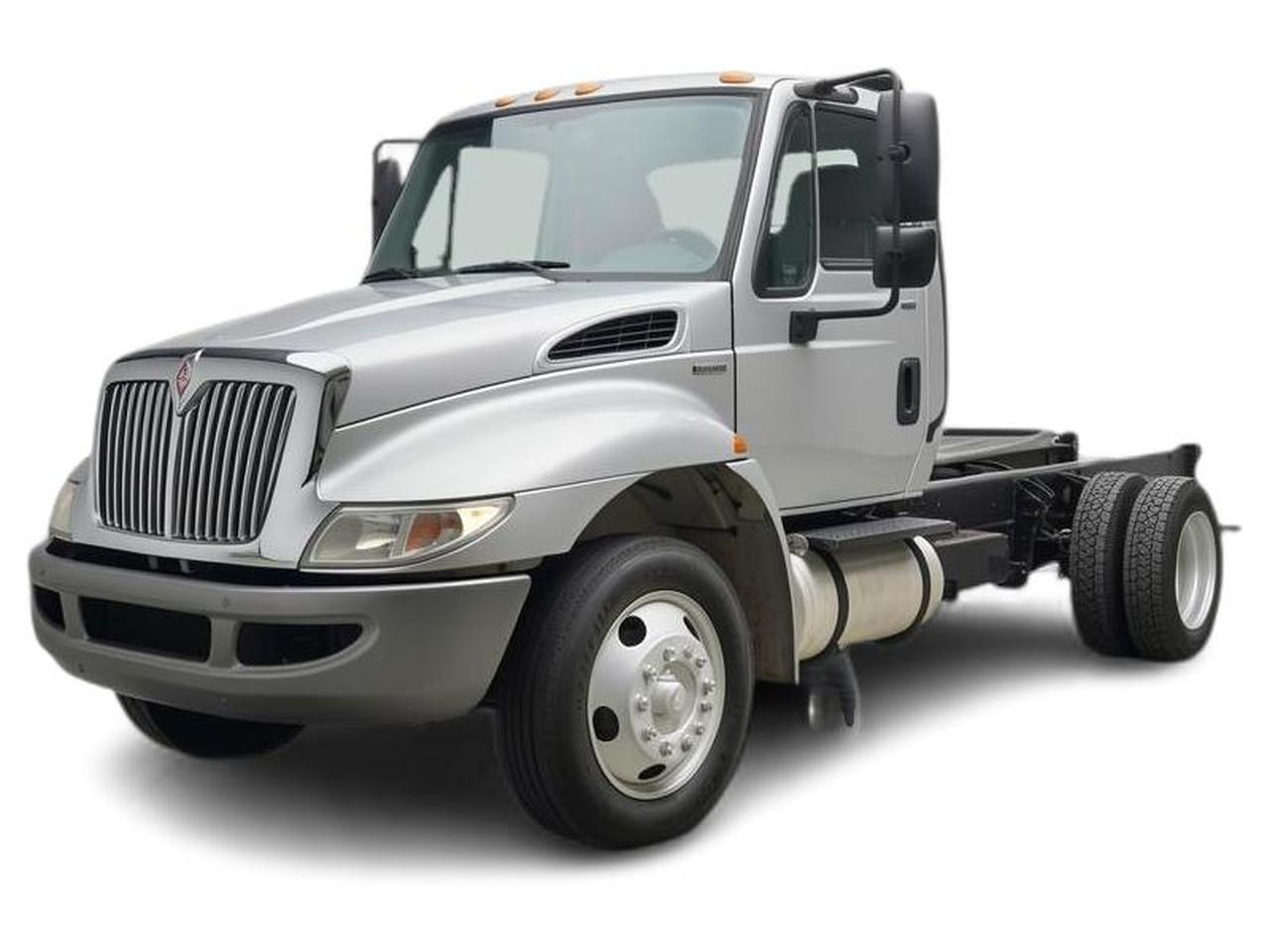
The 2010 International 4300 is a versatile Class 7 commercial truck, part of International's long-standing truck lineup known for its durability and customization. Primarily offered as a conventional cab chassis, it served a wide array of vocational applications. Its model years span many, but the 2010 iteration benefits from established engineering. Key trims aren't as distinct as passenger vehicles, but rather configurations based on vocational needs (e.g., bucket truck, dump truck). Pricing varied significantly based on upfitting, but new, a base chassis could start in the $60,000-$80,000 range. Its popularity stems from its robust build, reliable powertrains, and adaptability for businesses needing a workhorse.
The Good

The 2010 International 4300 boasts strong performance for demanding jobs, exceptional reliability for minimizing downtime, and a surprisingly comfortable cabin for its class, appealing to both the bottom line and driver well-being. Its value lies in its long-term durability.

The Bad

Potential weaknesses for the 2010 International 4300 include the complexity of its emissions systems, particularly with the diesel engines, which can lead to costly repairs. Older models might experience issues with hydraulic systems and cab components.

2010 International 4300: Quick Overview

  • Engine Options: The 2010 International 4300 was primarily offered with Navistar's own diesel engines, as well as options from Cummins. Common choices included:
    • Navistar DT 466 (a well-regarded inline-six diesel)
    • Navistar MaxxForce 7 (a V8 diesel, though less common in this specific model year for 4300)
    • Cummins ISB (various displacements)
  • Horsepower: Horsepower ratings varied significantly based on the engine and configuration. For the DT 466, typical outputs ranged from 210 hp to 275 hp. Cummins ISB engines could offer similar or slightly higher power, often in the 200-260 hp range. Specific applications might have had specialized tuning.
  • Fuel Economy: Fuel economy for commercial trucks like the 4300 is highly dependent on the vocational use, load, terrain, and driving style. Unlike passenger vehicles, specific MPG figures are rarely published or relevant. Owners often report anywhere from 8 to 15 miles per gallon (MPG) in mixed vocational use.
  • 0-60 Times: 0-60 mph times are not a standard metric for this class of vehicle. Its purpose is not acceleration but sustained power and torque for work. Loaded, acceleration would be very slow, measured in tens of seconds.
  • Towing Capacity: The towing capacity is not a fixed number as it's a chassis designed for upfitting. The Gross Vehicle Weight Rating (GVWR) is a more relevant metric, typically ranging from 25,500 lbs to 33,000 lbs for the 4300 series. This implies it can handle substantial payloads and tow heavy trailers depending on the specific configuration and chassis components.
  • Trim-Level Features: The concept of "trims" is different for commercial vehicles. Instead, the 4300 is defined by its cab type (standard or crew cab) and its intended vocational use. Features are typically focused on functionality and durability rather than luxury. Common configurations include:
    • Conventional Cab Chassis: The base for customization.
    • Various Body Upfits: Dump bodies, utility bodies, van bodies, service bodies, tow trucks, concrete mixers, etc.
    • Standard safety features like air brakes and basic lighting.
    • Optional driver aids were minimal in 2010, focusing more on robustness.

2010 International 4300 Specifications

Vehicle Information
Year 2010
Make International
Model 4300
Trim -
Style -
Type Truck
Category Heavy Truck Ma025
Manufacturing Details
Made In Mexico
Manufacturing City GARLAND
Dimensions
Doors -
Curb Weight -
Gross Vehicle Weight Rating 33001 pounds
Overall Height -
Overall Length -
Overall Width -
Wheelbase Length -
Standard Seating -
Engine & Performance
Engine 7.6L I6
Engine Size 7.6L
Engine Cylinders 6
Transmission -
Transmission Type -
Transmission Speeds -
Drivetrain Rear-Wheel Drive
Additional Features
Anti-Brake System -
Steering Type -
Pricing
Manufacturer Suggested Retail Price (MSRP) -
Invoice Price -
Delivery Charges -

Vehicle History Report

Vehicle
Specifications
Ownership
History
All History
Events
NMVTIS Title
History Check
Salvage/Rebuilt
Check
Accident
Check
Theft
Check
Open Lien
Check
Past Sale
Listings
Safety
Recalls
Odometer
Check
Market Price
Analysis

What Problems Does the 2010 International 4300 Have?

The 2010 International 4300, like many commercial vehicles of its era, can experience certain issues, particularly related to its powertrain and emissions systems. A common area of concern for diesel engines from this period is the Diesel Particulate Filter (DPF) and Exhaust Gas Recirculation (EGR) system. These components are crucial for meeting emissions standards but can be prone to clogging or failure, especially if the vehicle is used primarily for short trips or stop-and-go city driving, preventing proper regeneration. This can lead to reduced power, increased fuel consumption, and costly repairs if not addressed promptly. The Navistar MaxxForce engines, while powerful, sometimes faced issues with fuel injection systems and oil cooler leaks, though the DT 466 engine is generally regarded as more robust and reliable. Another area to watch for is the cooling system. Over time, radiator leaks, hose deterioration, and water pump failures can occur, especially in vehicles subjected to heavy workloads and high temperatures. Electrical gremlins can also surface; issues with wiring harnesses, sensors, and alternators are not uncommon in older trucks. For the 2010 model year specifically, there were no widespread, model-defining recalls that uniquely plagued the 4300. However, owners should always check for any open recalls applicable to their specific VIN. Long-term reliability largely hinges on consistent and proper maintenance. Neglecting routine oil changes, filter replacements, and system checks can significantly accelerate wear and tear. For instance, inadequate DPF maintenance can lead to more severe engine problems down the line. While the chassis and frame are typically very durable, the ancillary systems are where most issues tend to arise. Potential buyers should look for vehicles with a documented service history to mitigate the risk of inheriting expensive problems.

How long will the 2010 International 4300 last?

The 2010 International 4300 is built for longevity, and with diligent maintenance, these trucks can easily exceed 300,000 to 500,000 miles, with some operating reliably for much longer. Owner data and maintenance habits are the most critical factors. Vehicles used for long-haul or consistent work with regular oil changes, filter replacements, and timely attention to any emerging issues will demonstrate excellent long-term durability. Weaknesses that emerge over time often relate to wear and tear on components like the transmission, suspension, and exhaust systems, particularly the emissions control equipment. However, the core powertrain and chassis are known for their robustness, making them a sound investment for those prioritizing longevity and willing to invest in upkeep.

What Technology & Safety Features are Included?

The 2010 International 4300, being a commercial vehicle from that era, prioritizes functionality and safety over advanced technology and entertainment. Built-in tech is generally basic. Standard entertainment features typically include an AM/FM radio, and an auxiliary input for portable music devices might have been optional or standard on higher configurations. A CD player was also common. Bluetooth connectivity for hands-free calling was not a widespread standard feature and would have been an optional add-on or found in aftermarket installations. Driver-assistance features were minimal to non-existent by today's automotive standards. There were no lane departure warnings, adaptive cruise control, or blind-spot monitoring systems integrated into the vehicle's design. The focus was on the fundamental operation and visibility from the driver's seat. Safety features were centered around the essentials for a heavy-duty truck. Standard safety equipment would include robust air brakes for effective stopping power, along with standard lighting (headlights, taillights, turn signals). Seatbelts for all occupants were mandatory. For the 2010 model year, formal crash-test ratings from organizations like the NHTSA or IIHS, as found for passenger cars and SUVs, are generally not available or applicable to heavy-duty commercial trucks like the International 4300. These vehicles are designed to withstand significant impacts through their sheer mass and robust chassis construction, but they are not subjected to the same testing protocols. Optional safety features could have included things like a backup alarm or specialized lighting for specific vocational needs, but advanced driver-assist systems were not a focus. The overall safety package was about passive protection and reliable mechanical systems.

What Colors Options are Available?

We’re working on this section!
In the meantime, feel free to explore the other sections for more content.

2010 International 4300 Prices and Market Value

When new, the 2010 International 4300 chassis alone could range from $60,000 to $80,000, with the final price escalating significantly based on the vocational body upfitting (e.g., dump body, utility bed, crane). In the current used market, prices for a 2010 International 4300 can vary widely, typically falling between $15,000 and $40,000, heavily dependent on mileage, condition, engine, and the type of upfitting. Depreciation for commercial trucks is generally slower in percentage terms compared to passenger vehicles, but their value is heavily influenced by their working condition and the demand for specific configurations. Factors affecting resale value include engine hours, overall mechanical health, body integrity, tire condition, and whether it's been maintained according to manufacturer recommendations. Specialized upfits can increase value if they meet current market needs.

2010 International 4300 Cost of Ownership

Owning a 2010 International 4300 involves significant costs. Insurance premiums will be higher than for a light-duty vehicle due to its commercial nature and GVWR. Fuel costs, while dependent on usage, are substantial given its diesel engine and weight. Maintenance is crucial and includes regular oil changes, filter replacements, and potential upkeep on complex emissions systems, which can add up. Repair costs can be high, especially for specialized components or engine work. Overall, it's not an economical vehicle to own in terms of out-of-pocket expenses compared to smaller vehicles, but its long-term durability and work capability can provide excellent value for businesses, making the cost justifiable for its intended purpose.

2010 International 4300 Fuel Efficiency

Fuel Type Diesel
Fuel Capacity -
City Mileage -
Highway Mileage -

2010 International 4300 Warranty

Basic
Original warranty 0 months / No data
Estimated remaining Expired
Powertrain
Original warranty 0 months / No data
Estimated remaining Expired
Rust
Original warranty 0 months / No data
Estimated remaining Expired

2010 International 4300 Insurance

Insurance for a 2010 International 4300 is moderately priced, reflecting its status as a Truck with strong safety ratings and
reasonable repair costs.

How Does the 2010 International 4300 Compare to Other Truck?

The 2010 International 4300 competes in the Class 7 medium-duty truck segment against strong players like Freightliner M2 106, Hino 268, and Isuzu FTR. Performance: The International 4300, often equipped with the robust DT 466 engine, generally offers comparable or superior torque and hauling capability to its rivals. Freightliner's M2 106 with its Detroit Diesel or Cummins options is a close contender, known for strong performance. Hino and Isuzu also offer capable powertrains, though sometimes perceived as less heavy-duty than Navistar's offerings. Features: In terms of features, the 2010 4300 is very basic, focusing on utility. Its rivals are similarly equipped, with driver comfort and basic amenities being the primary differentiating factors beyond vocational upfitting. International's cabin design was functional but not particularly luxurious compared to some newer designs that might have emerged around that time. Reliability: The Navistar DT 466 engine is legendary for its durability, often considered a strong point for the 4300. Freightliner's M2 series also has a reputation for solid reliability. Hino and Isuzu trucks are known for their Japanese engineering and often excellent long-term reliability, particularly in terms of powertrain and drivetrain. However, emissions system complexity can be a concern across all makes from this era. Price: When new, these trucks were priced similarly, with variations depending on specific configurations and options. In the used market, the 2010 International 4300 often represents good value due to the DT 466's reputation, though condition and mileage are paramount. Alternatives:
  • Freightliner M2 106: A very strong competitor, often considered a benchmark in the segment. It offers excellent performance, reliability, and a slightly more refined cabin experience in some configurations.
  • Hino 268/338: These trucks are known for their excellent fuel economy and durability, often with slightly lower maintenance costs. They are a good choice if operational efficiency is a top priority.
  • Isuzu FTR: Similar to Hino, Isuzu trucks are praised for their reliability and ease of operation. They might offer a more compact footprint in some configurations.
For a purely utilitarian workhorse with a reputation for a bulletproof engine, the 2010 International 4300 with a DT 466 is an excellent choice. If a slightly more refined interior or potentially better fuel efficiency is desired, the Freightliner M2 106, Hino, or Isuzu might be worth considering.

Final Verdict: Is the 2010 International 4300 a Good Truck?

The 2010 International 4300 is ideal for small to medium-sized businesses, municipalities, and vocational contractors requiring a dependable, robust truck chassis for various upfits like dump bodies, utility beds, or service bodies. It's particularly well-suited for those prioritizing long-term durability and powertrain longevity over cutting-edge technology. It is absolutely worth buying, especially on the used market, provided it has been well-maintained and inspected thoroughly. The DT 466 engine is a major selling point for reliability. Buyers should focus on condition, mileage, and maintenance history. Opting for a 4300 with a documented service record, especially from a fleet that maintained it properly, significantly enhances its value proposition. While new models are not readily available, a carefully selected used 2010 International 4300 represents a sound investment for demanding work applications where a reliable workhorse is essential.

2010 International 4300 Owner Reviews

0.00
Consumer Rating, Based on 0 Consumer Reviews
Overall rating
Cancel
Thank You for Your Review!

We truly appreciate the time and effort you took to share your experience with us.

Uh oh!

Something went wrong, please try again later.

Author Image
Drew B

Drew is a seasoned automotive expert and contributor to VinCheck.info. With nearly 15 years of experience as a former Porsche technician, he brings a wealth of hands-on knowledge to his writing. Born in North Carolina, a region renowned for its deep-rooted NASCAR culture, Drew developed a passion for cars early in life, often building and working on vehicles from a young age. At VINCheck, Drew leverages his extensive technical background to provide in-depth analyses of various vehicles. His articles often focus on engine performance, reliability, and maintenance insights, offering readers practical information grounded in real-world experience. Some of his notable contributions include reviews on the Mazda CX-5's longevity and detailed examinations of engine options for models like the 2011 Toyota Camry and Tacoma