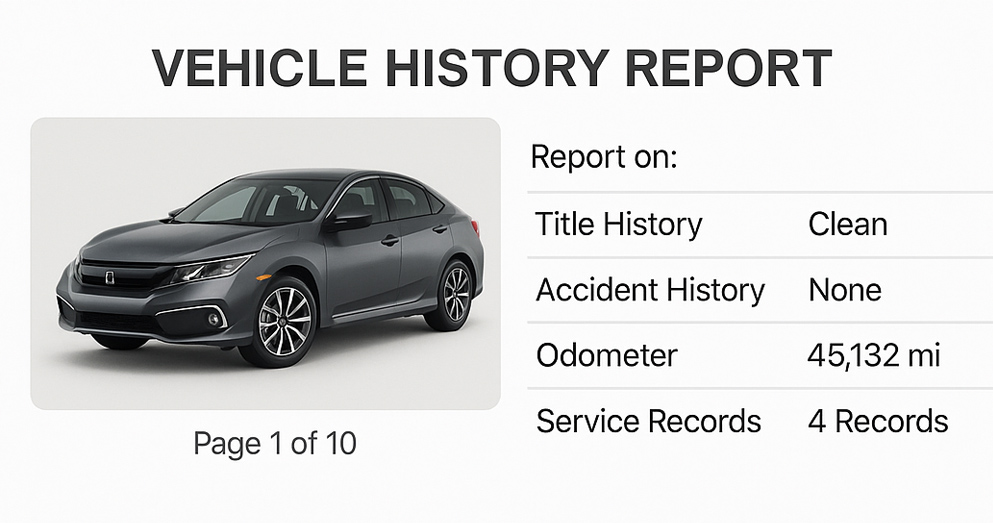
The 1997 KIA Sportage marked KIA's entry into the compact SUV segment. Launched in 1995 for the 1996 model year, it was produced until 2006 across two generations. The first generation, including the 1997 model, featured a body-on-frame construction, giving it a rugged, truck-like feel. Key trims typically included base and LX. Its affordability and distinct, almost rugged, styling made it a popular choice for budget-conscious buyers seeking a versatile vehicle for light off-roading and everyday use.
The Good
The 1997 Sportage offered impressive value, with a modest price tag and surprising off-road capability for its class. Its boxy, adventurous design appealed to those seeking a less conventional SUV. Practical buyers appreciated its straightforward mechanics and decent fuel economy for its time, while emotional buyers were drawn to its rugged image and freedom-inspiring nature.
The Bad
Potential owners should watch out for rust, particularly on the frame and body panels. Interior materials can be prone to wear and tear. Performance can feel sluggish, and some models may exhibit issues with the transmission or cooling system, especially at higher mileage.
1997 KIA Sportage: Quick Overview
- Engine Options: The primary engine for the 1997 KIA Sportage was a 2.0-liter inline 4-cylinder gasoline engine.
- Horsepower: This engine typically produced around 122 horsepower.
- Torque: Approximately 138 lb-ft of torque was available.
- Transmission: Buyers could choose between a 5-speed manual transmission or an optional 4-speed automatic transmission.
- Drivetrain: The Sportage was available in either rear-wheel drive (RWD) or part-time four-wheel drive (4WD) configurations. The 4WD system was primarily driver-selectable.
- Fuel Economy: Estimated fuel economy for the 1997 Sportage was in the range of 18-20 MPG in the city and 22-25 MPG on the highway, depending on the transmission and drivetrain.
- 0-60 Times: Acceleration was not a strong suit, with 0-60 mph times typically ranging from 10 to 12 seconds.
- Towing Capacity: The towing capacity for the 1997 KIA Sportage was generally rated around 2,000 pounds, suitable for small trailers or utility vehicles.
- Trim-Level Features (Typical):
Base Trim: Usually included power steering, intermittent wipers, rear window defroster, and a basic AM/FM radio. Air conditioning and power windows/locks were often optional.
LX Trim: Often added a more comprehensive package including air conditioning, power windows, power door locks, power mirrors, and an upgraded audio system. Alloy wheels might also be present on some LX models. - Suspension: Featured independent front suspension and a solid rear axle with coil springs, contributing to its off-road capability.
1997 KIA Sportage Specifications
Vehicle Information
| Year | 1997 |
| Make | KIA |
| Model | Sportage |
| Trim | - |
| Style | 4WD 5-Speed Manual |
| Type | Sport Utility Vehicle |
| Category | Standard Sport Utility Vehicle |
Manufacturing Details
| Made In | South Korea |
| Manufacturing City | WHASUNG |
Dimensions
| Doors | 4-Door |
| Curb Weight | 3314 pounds |
| Gross Vehicle Weight Rating | 4204 pounds |
| Overall Height | 65.00 inches |
| Overall Length | 167.10 inches |
| Overall Width | 68.10 inches |
| Wheelbase Length | 104.30 inches |
| Standard Seating | 5 |
Engine & Performance
| Engine | 2.0L L4 DOHC 16V |
| Engine Size | 2L |
| Engine Cylinders | 4 |
| Transmission | 5-Speed Manual |
| Transmission Type | Manual |
| Transmission Speeds | 5-Speed |
| Drivetrain | Four-Wheel Drive |
Additional Features
| Anti-Brake System | 2-Wheel ABS |
| Steering Type | Recirculating |
Pricing
| Manufacturer Suggested Retail Price (MSRP) | $16,615 |
| Invoice Price | $14,835 |
| Delivery Charges | - |
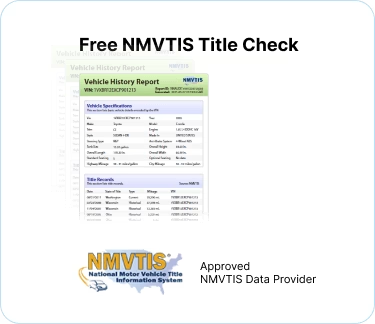
Vehicle History Report
Vehicle
Specifications
Specifications
Ownership
History
History
All History
Events
Events
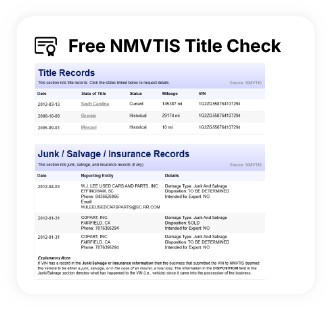
NMVTIS Title
History Check
History Check
Salvage/Rebuilt
Check
Check
Accident
Check
Check
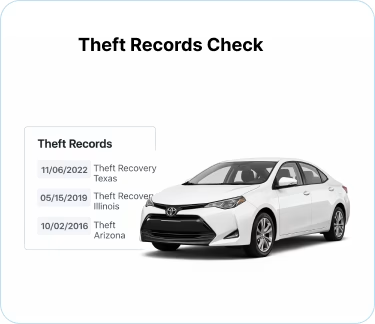
Theft
Check
Check
Open Lien
Check
Check
Past Sale
Listings
Listings
Safety
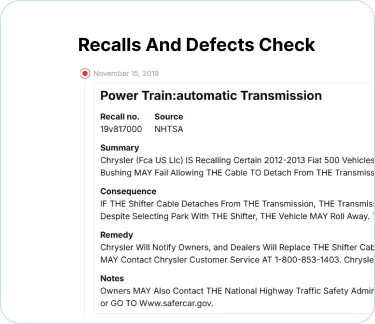
Recalls
Recalls
Odometer
Check
Check
Market Price
Analysis
Analysis
What Problems Does the 1997 KIA Sportage Have?
The 1997 KIA Sportage, like many vehicles of its era, has a few common issues that owners have reported. One of the most prevalent concerns is **rust**, especially on the chassis, frame rails, and wheel wells. This is a significant factor to consider when purchasing one of these older SUVs, as extensive rust can compromise structural integrity.
Another frequently cited problem relates to the **cooling system**. Radiator leaks, failing water pumps, and thermostat issues can lead to overheating, which can cause more serious engine damage if not addressed promptly.
The **transmission** can also be a point of concern. Both manual and automatic transmissions have been known to experience issues, including difficulty shifting, slipping gears, or complete failure, particularly in higher-mileage vehicles or those that have not been maintained properly.
Interior components, such as **upholstery and dashboard plastics**, can degrade over time due to sun exposure and general wear and tear, leading to a less appealing interior appearance. The **clutch** in manual transmission models can also wear out.
Electrical issues are not uncommon, with problems sometimes arising in the power window regulators, door locks, and dashboard warning lights. Some owners have reported issues with the **fuel pump** failing.
While there haven't been widespread, high-profile recalls specifically for the 1997 model year that significantly impact its long-term reliability, it's always advisable to check for any outstanding recalls that may apply. Long-term reliability for the 1997 Sportage is heavily dependent on consistent maintenance, especially addressing rust prevention and regular fluid changes. Vehicles that have been well-maintained and kept in drier climates tend to fare better. However, as a body-on-frame SUV from the late 90s, inherent wear and tear on mechanical components are expected.
Another frequently cited problem relates to the **cooling system**. Radiator leaks, failing water pumps, and thermostat issues can lead to overheating, which can cause more serious engine damage if not addressed promptly.
The **transmission** can also be a point of concern. Both manual and automatic transmissions have been known to experience issues, including difficulty shifting, slipping gears, or complete failure, particularly in higher-mileage vehicles or those that have not been maintained properly.
Interior components, such as **upholstery and dashboard plastics**, can degrade over time due to sun exposure and general wear and tear, leading to a less appealing interior appearance. The **clutch** in manual transmission models can also wear out.
Electrical issues are not uncommon, with problems sometimes arising in the power window regulators, door locks, and dashboard warning lights. Some owners have reported issues with the **fuel pump** failing.
While there haven't been widespread, high-profile recalls specifically for the 1997 model year that significantly impact its long-term reliability, it's always advisable to check for any outstanding recalls that may apply. Long-term reliability for the 1997 Sportage is heavily dependent on consistent maintenance, especially addressing rust prevention and regular fluid changes. Vehicles that have been well-maintained and kept in drier climates tend to fare better. However, as a body-on-frame SUV from the late 90s, inherent wear and tear on mechanical components are expected.
How long will the 1997 KIA Sportage last?
Estimating the average mileage or years of service for a 1997 KIA Sportage is challenging due to its age and varying maintenance levels. However, well-maintained examples can certainly surpass 200,000 miles, with some owners reporting even higher figures. The long-term durability is significantly influenced by rigorous maintenance, particularly regarding rust prevention and regular fluid changes for the engine and transmission. The body-on-frame construction lends itself to a degree of robustness, but weaknesses such as susceptibility to rust, potential cooling system failures, and transmission issues can limit its lifespan if neglected. Those that have been regularly serviced and protected from harsh elements can offer a surprising amount of reliable service for many years.
What Technology & Safety Features are Included?
The 1997 KIA Sportage was a product of its time, meaning its technology, entertainment, and safety features are quite basic by modern standards.
Entertainment: Standard entertainment usually consisted of an AM/FM radio with a cassette player. Higher trims or optional upgrades might have included a CD player, offering a more contemporary (for the late 90s) audio experience. Speaker count was typically limited, and sound quality was functional rather than premium.
Technology: Built-in technology was minimal. Features like power windows and power door locks were often optional, particularly on base models. Power mirrors were also common options. Cruise control was available on some trims. Remote keyless entry was a rarer, more upscale option if available at all for this model year. The instrument cluster was straightforward, displaying essential information like speed, RPM, fuel level, and temperature.
Driver-Assistance Features: Driver-assistance features were virtually non-existent in the 1997 Sportage. Systems like anti-lock braking systems (ABS) were often optional, and even then, they were less sophisticated than today's iterations. There were no electronic stability or traction control systems. Rear parking sensors or backup cameras were not offered.
Safety Features: Standard safety features included seatbelts (front airbags were becoming more common but were not always standard across all trims). Side-impact door beams were likely incorporated for structural integrity. The vehicle's body-on-frame construction offered a degree of inherent crash protection, but without advanced crumple zones or energy-absorbing materials found in modern unibody vehicles.
Crash-Test Ratings: Comprehensive crash-test data from organizations like the NHTSA or IIHS for the 1997 KIA Sportage is not readily available or as detailed as it is for contemporary vehicles. However, based on the safety standards and construction methods of the era, it would likely perform moderately in frontal and side impacts, without the advanced safety systems to mitigate injuries as effectively as newer vehicles.
Entertainment: Standard entertainment usually consisted of an AM/FM radio with a cassette player. Higher trims or optional upgrades might have included a CD player, offering a more contemporary (for the late 90s) audio experience. Speaker count was typically limited, and sound quality was functional rather than premium.
Technology: Built-in technology was minimal. Features like power windows and power door locks were often optional, particularly on base models. Power mirrors were also common options. Cruise control was available on some trims. Remote keyless entry was a rarer, more upscale option if available at all for this model year. The instrument cluster was straightforward, displaying essential information like speed, RPM, fuel level, and temperature.
Driver-Assistance Features: Driver-assistance features were virtually non-existent in the 1997 Sportage. Systems like anti-lock braking systems (ABS) were often optional, and even then, they were less sophisticated than today's iterations. There were no electronic stability or traction control systems. Rear parking sensors or backup cameras were not offered.
Safety Features: Standard safety features included seatbelts (front airbags were becoming more common but were not always standard across all trims). Side-impact door beams were likely incorporated for structural integrity. The vehicle's body-on-frame construction offered a degree of inherent crash protection, but without advanced crumple zones or energy-absorbing materials found in modern unibody vehicles.
Crash-Test Ratings: Comprehensive crash-test data from organizations like the NHTSA or IIHS for the 1997 KIA Sportage is not readily available or as detailed as it is for contemporary vehicles. However, based on the safety standards and construction methods of the era, it would likely perform moderately in frontal and side impacts, without the advanced safety systems to mitigate injuries as effectively as newer vehicles.
What Colors Options are Available?
1997 KIA Sportage Prices and Market Value
When new, the 1997 KIA Sportage was positioned as an affordable compact SUV, with prices typically ranging from around $15,000 to $20,000 depending on trim level and options. As a vehicle from the late 90s, it has experienced significant depreciation. Current used market prices for a 1997 KIA Sportage can vary widely, generally falling between $1,000 and $4,000, with exceptionally clean or low-mileage examples potentially fetching slightly more. Factors significantly affecting resale value include the vehicle's overall condition, especially the presence of rust, the extent of maintenance records, mileage, and whether it has the desirable 4WD option. Models in good mechanical and cosmetic shape, with minimal rust, will command higher prices than those needing significant repairs or exhibiting substantial corrosion.
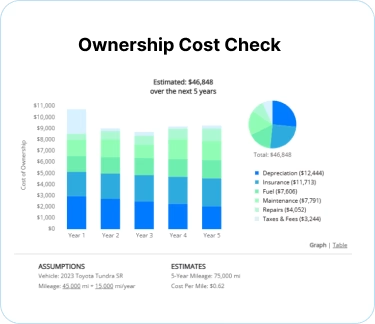
1997 KIA Sportage Cost of Ownership
The 1997 KIA Sportage is generally considered economical to own, especially from a purchase price perspective. Insurance costs are typically low due to its age and modest value. Fuel economy, while not stellar by today's standards, is reasonable for its class and era, making daily running costs manageable. Maintenance costs can be moderate; while parts are generally affordable and widely available, potential repairs to the cooling system, transmission, or issues related to rust can increase long-term repair bills. Overall, with diligent maintenance and by addressing potential rust issues proactively, the 1997 Sportage can remain a cost-effective vehicle to own.
1997 KIA Sportage Fuel Efficiency
Fuel Type
Gasoline
Fuel Capacity
15.80 gallons
City Mileage
19 miles/gallon
Highway Mileage
23 miles/gallon
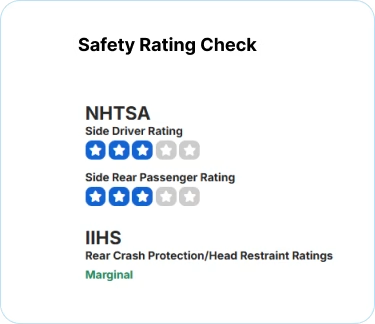
1997 KIA Sportage Safety Rating
NHTSA
IIHS
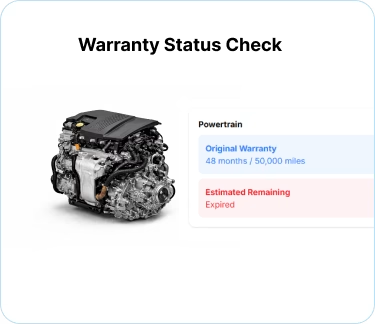
1997 KIA Sportage Warranty
Basic
Original warranty
0 months / No data
Estimated remaining
Expired
Powertrain
Original warranty
0 months / No data
Estimated remaining
Expired
Rust
Original warranty
0 months / No data
Estimated remaining
Expired
1997 KIA Sportage Insurance
Insurance for a 1997 KIA Sportage is moderately priced, reflecting its status as a Sport Utility Vehicle with strong safety ratings and
reasonable repair costs.
How Does the 1997 KIA Sportage Compare to Other Sport Utility Vehicle?
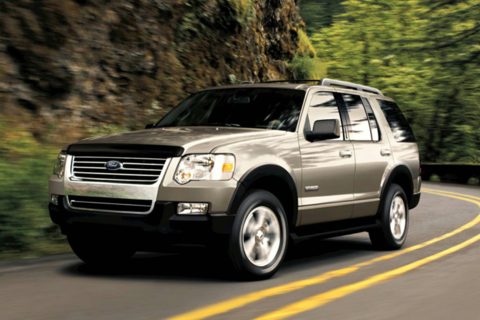
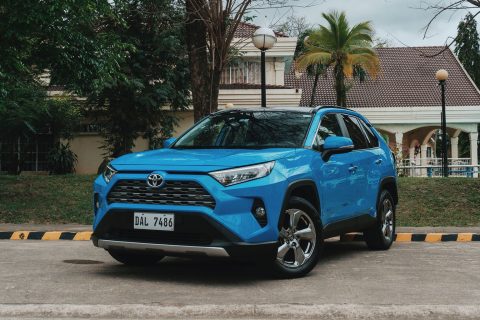
The 1997 KIA Sportage competed in a crowded compact SUV segment against vehicles like the Toyota RAV4, Honda CR-V, Ford Explorer, and Jeep Cherokee.
Performance: In terms of performance, the Sportage was generally outmatched. The Toyota RAV4 and Honda CR-V offered more refined on-road driving dynamics and smoother acceleration with their unibody constructions and more sophisticated engines. The Ford Explorer and Jeep Cherokee offered more powerful engine options and greater towing capability, though they were often larger and less fuel-efficient. The Sportage's performance was adequate for light duty but lacked refinement and power compared to many rivals.
Features: Feature-wise, the Sportage was basic. Rivals like the RAV4 and CR-V often offered more modern amenities and better interior materials. The Explorer and Cherokee also provided a wider range of optional luxury and convenience features. The Sportage's appeal lay in its simplicity rather than its technological offerings.
Reliability: This is where the Sportage faced significant challenges compared to class leaders. Toyota and Honda have long-standing reputations for bulletproof reliability, which the Sportage did not possess. While the Sportage had a simpler, more rugged mechanical setup due to its body-on-frame design, common issues like rust and cooling system problems were more prevalent than in its Japanese counterparts. The Explorer and Cherokee had their own reliability concerns, but often offered more robust drivetrains for tougher use.

Price: The Sportage's primary advantage was its price. It was significantly cheaper than most of its competitors when new, and this affordability extends to the used market.
Alternatives:
Similar (Budget-Friendly): For a similar budget-friendly experience with potentially better reliability, consider a well-maintained first-generation (1994-2000) Suzuki Vitara or Geo Tracker. These were also body-on-frame SUVs offering decent off-road capability at a low price point.
Better (If Budget Allows): For a more refined, reliable, and feature-rich experience, a first-generation (1997-2001) Toyota RAV4 or a second-generation (1997-2001) Honda CR-V would be superior choices, though they typically command higher prices on the used market and lack the rugged, truck-like feel of the Sportage.
Performance: In terms of performance, the Sportage was generally outmatched. The Toyota RAV4 and Honda CR-V offered more refined on-road driving dynamics and smoother acceleration with their unibody constructions and more sophisticated engines. The Ford Explorer and Jeep Cherokee offered more powerful engine options and greater towing capability, though they were often larger and less fuel-efficient. The Sportage's performance was adequate for light duty but lacked refinement and power compared to many rivals.
Features: Feature-wise, the Sportage was basic. Rivals like the RAV4 and CR-V often offered more modern amenities and better interior materials. The Explorer and Cherokee also provided a wider range of optional luxury and convenience features. The Sportage's appeal lay in its simplicity rather than its technological offerings.
Reliability: This is where the Sportage faced significant challenges compared to class leaders. Toyota and Honda have long-standing reputations for bulletproof reliability, which the Sportage did not possess. While the Sportage had a simpler, more rugged mechanical setup due to its body-on-frame design, common issues like rust and cooling system problems were more prevalent than in its Japanese counterparts. The Explorer and Cherokee had their own reliability concerns, but often offered more robust drivetrains for tougher use.



Price: The Sportage's primary advantage was its price. It was significantly cheaper than most of its competitors when new, and this affordability extends to the used market.
Alternatives:
Similar (Budget-Friendly): For a similar budget-friendly experience with potentially better reliability, consider a well-maintained first-generation (1994-2000) Suzuki Vitara or Geo Tracker. These were also body-on-frame SUVs offering decent off-road capability at a low price point.
Better (If Budget Allows): For a more refined, reliable, and feature-rich experience, a first-generation (1997-2001) Toyota RAV4 or a second-generation (1997-2001) Honda CR-V would be superior choices, though they typically command higher prices on the used market and lack the rugged, truck-like feel of the Sportage.
Final Verdict: Is the 1997 KIA Sportage a Good Sport Utility Vehicle?
The 1997 KIA Sportage is ideal for budget-conscious buyers seeking a simple, rugged, and relatively capable compact SUV for light off-roading, utility tasks, or as a no-frills second vehicle. It's worth buying if you prioritize affordability above all else and are prepared for potential maintenance. This vehicle is best purchased used, and thoroughly inspecting it for rust, engine health, and transmission condition is paramount. Opting for a 4WD model can enhance its utility. It's not recommended for those seeking modern comforts, cutting-edge technology, or long-term, worry-free reliability without significant upkeep. If you find a well-maintained example, particularly from a drier climate, it can offer considerable value for its price point.