
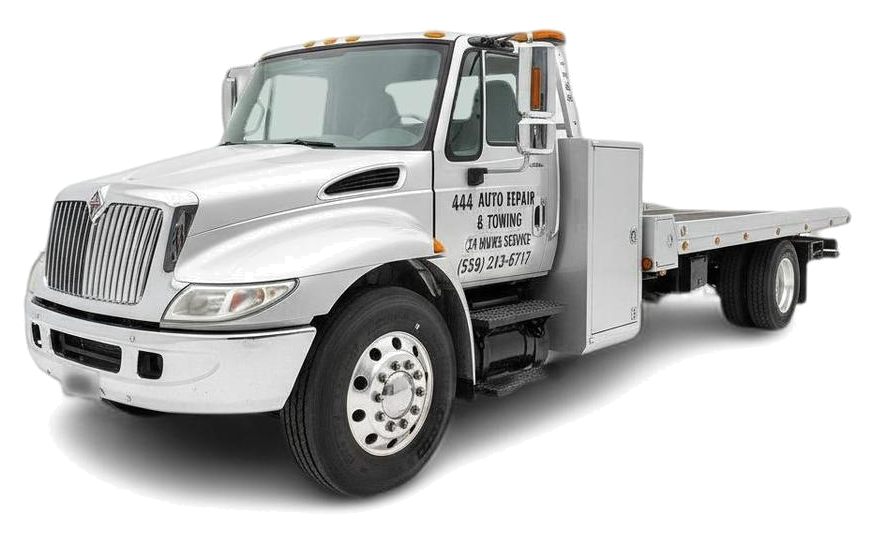
The Good
The 2002 International 4300 offers exceptional reliability and robust performance for demanding tasks. Its durable construction inspires confidence, while a surprisingly comfortable cab enhances driver satisfaction. For practical buyers, its value proposition is strong due to its longevity and capability. Emotionally, it's the dependable partner that gets the job done, offering peace of mind.
The Bad
Owners should be aware of potential issues with the exhaust gas recirculation (EGR) system and fuel injection components, particularly on higher-mileage units. Electrical gremlins can also surface over time. Drivetrain wear and tear, especially on transmissions and differentials, are common concerns with heavy use. Rust can also be a factor in certain climates.
2002 International 4300: Quick Overview
- Engine Options: The 2002 International 4300 was typically offered with a range of International DT and VT diesel engines, as well as some Cummins options depending on the specific configuration and original buyer's choice. Common options included the International DT 466E and the DT 530E.
- Horsepower: Horsepower ratings varied significantly based on the chosen engine. For the DT 466E, figures typically ranged from approximately 175 to 245 horsepower. The DT 530E could produce higher outputs, often in the 240 to 300 horsepower range.
- Fuel Economy: Fuel economy for commercial vehicles like the 2002 International 4300 is highly dependent on the specific engine, transmission, rear-end ratio, load being carried, and driving conditions. Precise MPG figures are rarely published and can range widely, often from 8 to 15 MPG for diesel engines in typical operational scenarios.
- 0-60 Times: 0-60 mph acceleration times are not a primary metric for commercial trucks and are generally not published or relevant. These vehicles are designed for hauling and work, not for rapid acceleration.
- Towing Capacity: Towing capacity is not a standard specification for the 4300 as it's a chassis for vocational applications. However, the Gross Vehicle Weight Rating (GVWR) could be configured up to 37,000 lbs or more, indicating its substantial load-carrying capabilities, which indirectly relates to its potential for towing heavy trailers when properly equipped and utilized within its class.
- Trim-Level Features: The 'trims' for the 4300 are more about vocational configurations and powertrain choices rather than traditional passenger vehicle trims. Key features would include: choice of transmission (manual or automatic), air or hydraulic brakes, various axle ratios, suspension types (leaf spring, air suspension), different wheelbase lengths, and the choice of body upfits (e.g., flatbed, box truck, dump truck, service body, tow truck). Cab options typically included standard cab and sometimes extended cab configurations. Interior features were generally functional and durable, focusing on work efficiency rather than luxury, with options for upgraded seating, air conditioning, and basic audio systems.
2002 International 4300 Specifications
Vehicle Information
| Year | 2002 |
| Make | International |
| Model | 4300 |
| Trim | - |
| Style | - |
| Type | Truck |
| Category | Heavy Truck |
Manufacturing Details
| Made In | United States |
| Manufacturing City | SPRINGFIELD |
Dimensions
| Doors | - |
| Curb Weight | - |
| Gross Vehicle Weight Rating | 26000 pounds |
| Overall Height | - |
| Overall Length | - |
| Overall Width | - |
| Wheelbase Length | - |
| Standard Seating | - |
Engine & Performance
| Engine | 7.6L I6 |
| Engine Size | 7.6L |
| Engine Cylinders | 6 |
| Transmission | - |
| Transmission Type | - |
| Transmission Speeds | - |
| Drivetrain | Rear-Wheel Drive |
Additional Features
| Anti-Brake System | - |
| Steering Type | - |
Pricing
| Manufacturer Suggested Retail Price (MSRP) | - |
| Invoice Price | - |
| Delivery Charges | - |
Vehicle History Report
Specifications
History
Events
History Check
Check
Check
Check
Check
Listings
Recalls
Check
Analysis
What Problems Does the 2002 International 4300 Have?
Electrical issues are not uncommon in older vehicles, and the 4300 can experience problems with sensors, wiring harnesses, and the control modules (ECU/ECM). These can manifest in various ways, from warning lights on the dashboard to complete system failures. The transmission, whether manual or automatic, can also be a point of concern, especially if the vehicle has been used for heavy hauling or has not been maintained according to schedule. Clutch wear in manuals and potential for overheating or shifting issues in automatics are possibilities. For the 2002 model year specifically, there aren't widespread, model-year-specific catastrophic failures reported, but rather a collection of typical wear-and-tear items common to diesel trucks of this age and design.
Recalls for vehicles of this type are often related to specific safety components or emissions systems. Owners should always check with the manufacturer or NHTSA for any outstanding recalls applicable to their VIN. Long-term reliability is generally considered strong if the truck has been meticulously maintained. Regular oil changes, filter replacements, and fluid checks are crucial. However, without proper care, the DT series engines, while robust, can develop issues related to cooling systems, oil leaks, and turbocharger wear. The chassis itself is built for durability, but rust can become a significant factor in corrosive environments, particularly around the frame rails and body mounts, which is a critical long-term concern to watch for.
How long will the 2002 International 4300 last?
What Technology & Safety Features are Included?
Driver-assistance features were not a significant focus for this class of vehicle in 2002. Modern aids like lane departure warning, adaptive cruise control, or automatic emergency braking were not available. The primary focus was on the core driving experience and operational controls. Safety features were primarily mechanical. This included robust braking systems (air brakes were common on heavier configurations), durable seat belts, and the inherent structural integrity of the heavy-duty chassis. Optional safety features might have included things like anti-lock braking systems (ABS), which were becoming more common, and perhaps improved lighting packages.
Crash-test ratings from organizations like the NHTSA or IIHS are generally not available for commercial trucks like the International 4300. These vehicles are subjected to different testing protocols and are designed to withstand extreme operating conditions and carry heavy loads, which dictates a different engineering approach than passenger cars. The emphasis was on occupant protection through robust construction and reliable braking rather than the electronic driver aids that define safety in today's vehicles. The technology present was geared towards operational efficiency and reliability for commercial use.
What Colors Options are Available?
2002 International 4300 Prices and Market Value
2002 International 4300 Cost of Ownership
2002 International 4300 Fuel Efficiency
2002 International 4300 Recalls & Defects
Steering
Parking Brake:conventional
Power Train:clutch Assembly
Suspension:rear
Electrical System:starter Assembly
Steering:linkages:drag:link:connection
Service Brakes, Hydraulic:foundation Components:disc
Service Brakes, Air:supply:hoses, Lines/Piping, and Fittings
Visibility:windshield Wiper/Washer
2002 International 4300 Warranty
Basic
Powertrain
Rust
2002 International 4300 Insurance
reasonable repair costs.
How Does the 2002 International 4300 Compare to Other Truck?
Features were generally utilitarian across all these models in 2002. None offered cutting-edge infotainment or advanced driver aids. The focus was on practical cab layouts, reliable controls, and the ability to mount various vocational bodies. Reliability is a strong suit for the International 4300, especially concerning its powertrain. The DT engines are legendary for their endurance. While all medium-duty trucks require diligent maintenance, the 4300 generally holds up well. In terms of price, the 2002 International 4300 was competitive when new, and its used market pricing reflects its solid reputation. However, its maintenance and repair costs can be on par with or slightly higher than some competitors due to parts availability and specialized mechanics.
Regarding alternatives, the Freightliner M2 is a strong contender, often praised for its comfortable ride and modern (for the time) cab design, though some found its electronics less robust than International's mechanical systems. The Ford F-650/F-750 offered a familiar brand name and good parts availability, but some models used Cummins engines which, while reliable, had different service requirements than the International powertrains. The Sterling Acterra, built by Freightliner, was another capable truck but eventually ceased production. For a similar or potentially better option, depending on specific needs, one might consider newer models of these trucks or look at the Peterbilt 330/335 or Kenworth T270/T370, which often offer even greater durability and higher payload capacities, albeit at a higher price point. If seeking extreme reliability and simplicity, a well-maintained 4300 is still a solid choice, but for slightly more creature comforts or advanced (for the era) features, the Freightliner M2 might be preferable.
Final Verdict: Is the 2002 International 4300 a Good Truck?

Eugene S
Eugene is an automotive enthusiast with over 15 years of experience in the used car market. As a writer at VINCheck.info, he brings deep industry insight and a passion for cars, helping readers make smart, informed decisions. Eugene has written hundreds of used car reviews and is known for breaking down complex automotive topics into clear, actionable advice. Over the years, he has driven and worked on a wide range of vehicles—starting with tuning street cars in his early days and eventually focusing on performance upgrades and reliability improvements. Today, he specializes in evaluating used vehicles through the lens of real-world ownership and enthusiast needs. A longtime fan of Porsche, Eugene especially appreciates vehicles that blend durability with driving enjoyment.