The 1988 Ford Crown Victoria is a full-size sedan, part of the Panther platform, which saw continuous production from 1979 to 2011. For 1988, it was available in base and LX trims. Known for its spacious interior and comfortable ride, the Crown Victoria was a popular choice for families and law enforcement alike. Its robust construction and V8 power contributed to its enduring appeal.

The Good
The 1988 Crown Victoria excels in comfort with its plush ride and roomy cabin, appealing to practicality. Its V8 engine offers confident acceleration for both everyday driving and highway cruising. Reliability is a strong suit, and its substantial presence offers a sense of security and classic American car pride.
The Bad
Potential weaknesses for the 1988 Crown Victoria include rust, particularly around the wheel wells and frame rails. Early models could experience issues with the transmission, and the fuel economy, while not terrible for its class, is a consideration. Electrical gremlins can also pop up with age.
1988 Ford Crown Victoria: Quick Overview
- Engine Options: The primary engine for the 1988 Ford Crown Victoria was a 4.9-liter (302 cubic inch) V8 engine. This was a fuel-injected overhead valve V8.
- Horsepower: The 4.9L V8 typically produced around 145 horsepower. Torque figures were generally in the low 200s lb-ft, providing good low-end grunt.
- Fuel Economy: As expected for a large, V8-powered rear-wheel-drive sedan of this era, fuel economy was not a strong suit. Estimated EPA ratings were around 15 mpg city and 19 mpg highway. Real-world mileage would vary significantly based on driving conditions and maintenance.
- 0-60 Times: Acceleration was leisurely, with 0-60 mph times generally in the 9-10 second range. This was adequate for its intended purpose as a comfortable cruiser rather than a performance car.
- Towing Capacity: While not specifically rated as a towing vehicle, the robust construction and V8 engine meant it could handle light towing duties if equipped with the appropriate hitch and cooling upgrades. However, dedicated towing vehicles were better suited for heavy loads.
- Trim-Level Features (Base and LX):
- Base Trim: Typically included essential features like power steering, power brakes, AM/FM radio, cloth bench seats, and basic interior appointments. Air conditioning was usually standard or a common option.
- LX Trim: The higher LX trim added a significant number of comfort and convenience features. These often included power windows, power door locks, cruise control, a more premium sound system, upgraded interior trim (e.g., velour upholstery), automatic climate control (in some cases), and exterior enhancements like chrome accents or alloy wheels. Both trims featured a large, comfortable interior designed for long-distance travel.
1988 Ford Crown Victoria Specifications
Vehicle Information
| Year | 1988 |
| Make | Ford |
| Model | Crown Victoria |
| Trim | - |
| Style | - |
| Type | Wagon |
| Category | Compact Car |
Manufacturing Details
| Made In | Canada |
| Manufacturing City | TALBOTVILLE |
Dimensions
| Doors | 4-Door |
| Curb Weight | 4050 pounds |
| Gross Vehicle Weight Rating | - |
| Overall Height | 56.50 inches |
| Overall Length | 216.00 inches |
| Overall Width | 79.30 inches |
| Wheelbase Length | 114.30 inches |
| Standard Seating | 6 |
Engine & Performance
| Engine | 5L V8 |
| Engine Size | 5L |
| Engine Cylinders | 8 |
| Transmission | 4-Speed Automatic |
| Transmission Type | Automatic |
| Transmission Speeds | 4-Speed |
| Drivetrain | Rear-Wheel Drive |
Additional Features
| Anti-Brake System | Non-ABS |
| Steering Type | Recirculating |
Pricing
| Manufacturer Suggested Retail Price (MSRP) | $16,773 |
| Invoice Price | - |
| Delivery Charges | - |
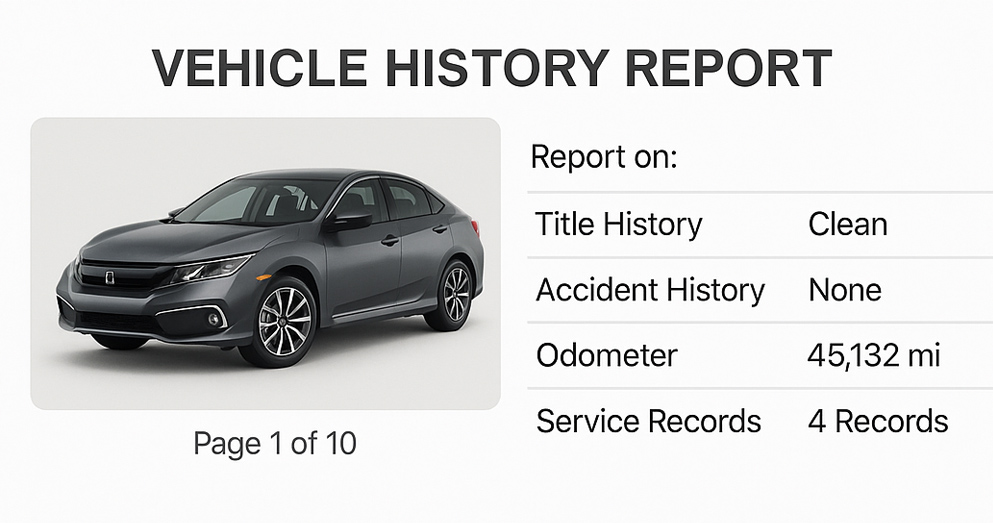
Vehicle History Report
Vehicle
Specifications
Specifications
Ownership
History
History
All History
Events
Events
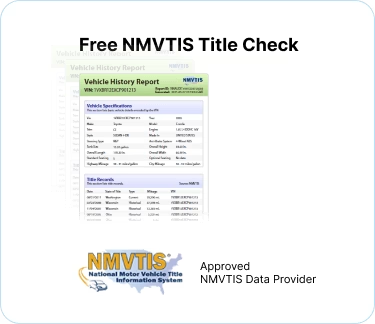
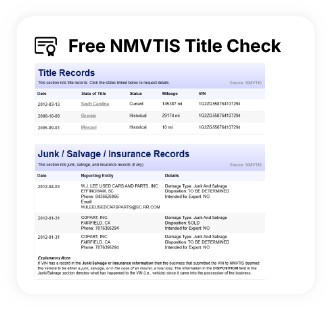
NMVTIS Title
History Check
History Check
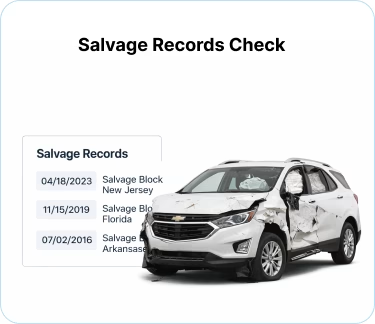
Salvage/Rebuilt
Check
Check
Accident
Check
Check
Theft
Check
Check
Open Lien
Check
Check
Past Sale
Listings
Listings
Safety
Recalls
Recalls
Odometer
Check
Check
Market Price
Analysis
Analysis
What Problems Does the 1988 Ford Crown Victoria Have?
The 1988 Ford Crown Victoria, like many vehicles of its era, can present a range of issues as it ages. One of the most common concerns reported by owners is related to rust and corrosion. The body, particularly around the rear wheel arches, rocker panels, and the frame itself, can be susceptible to significant rust if not properly maintained or if the vehicle has spent its life in a rust-prone climate. This can compromise structural integrity and lead to costly repairs.
Another area to watch is the transmission. While generally robust, some 1988 models may experience issues with the AOD (Automatic Overdrive) transmission. Problems can include hard shifting, slipping gears, or failure to engage. Regular fluid changes and proper cooling are crucial for transmission longevity.
The engine, a 4.9L V8, is typically reliable, but like any engine, it can develop issues over time. Common problems can include oil leaks from valve covers or the oil pan, and sometimes cooling system issues like a failing water pump or radiator. The ignition system, including spark plugs, wires, and the ignition coil, can also be a source of trouble if not maintained.
Electrical gremlins are also frequently mentioned. This can manifest as malfunctioning gauges, intermittent power to accessories, or issues with the power window and lock systems. Older wiring harnesses can become brittle, and switches and relays can fail.
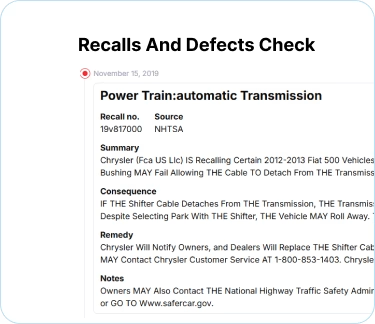
While specific recalls for the 1988 model year are not widely documented as major widespread failures, it's always advisable to check for any outstanding safety recalls with Ford. Long-term reliability is highly dependent on consistent maintenance. Vehicles that have been regularly serviced, had fluid changes, and been protected from harsh elements tend to fare much better. Owners who neglect maintenance are more likely to encounter the issues described above.
Another area to watch is the transmission. While generally robust, some 1988 models may experience issues with the AOD (Automatic Overdrive) transmission. Problems can include hard shifting, slipping gears, or failure to engage. Regular fluid changes and proper cooling are crucial for transmission longevity.
The engine, a 4.9L V8, is typically reliable, but like any engine, it can develop issues over time. Common problems can include oil leaks from valve covers or the oil pan, and sometimes cooling system issues like a failing water pump or radiator. The ignition system, including spark plugs, wires, and the ignition coil, can also be a source of trouble if not maintained.
Electrical gremlins are also frequently mentioned. This can manifest as malfunctioning gauges, intermittent power to accessories, or issues with the power window and lock systems. Older wiring harnesses can become brittle, and switches and relays can fail.
While specific recalls for the 1988 model year are not widely documented as major widespread failures, it's always advisable to check for any outstanding safety recalls with Ford. Long-term reliability is highly dependent on consistent maintenance. Vehicles that have been regularly serviced, had fluid changes, and been protected from harsh elements tend to fare much better. Owners who neglect maintenance are more likely to encounter the issues described above.
How long will the 1988 Ford Crown Victoria last?
Based on owner data and maintenance habits, the 1988 Ford Crown Victoria is known for its potential for long-term durability. Many examples have been reported to reach well over 200,000 miles, with some even surpassing 300,000 miles when meticulously maintained. The underlying chassis and powertrain are robust. However, long-term weaknesses primarily revolve around the body's susceptibility to rust, particularly in salt-belt regions, which can significantly shorten its usable service life if not addressed. Age-related wear on suspension components, seals, and rubber parts is also inevitable. With diligent maintenance, including regular fluid changes, addressing minor issues promptly, and rust prevention, these vehicles can provide many more years of reliable service, exceeding the lifespan of many contemporary vehicles.
What Technology & Safety Features are Included?
The 1988 Ford Crown Victoria offered a relatively straightforward approach to technology and safety, reflecting the era's automotive standards.
Technology and Entertainment: The standard entertainment system typically consisted of an AM/FM radio. Higher trims, like the LX, often came with a more advanced AM/FM stereo with cassette player, offering better sound quality and more speaker options. Features like power windows, power door locks, cruise control, and a tilt steering wheel were often available or standard on higher trims, enhancing driver convenience. Air conditioning was a near-universal feature, essential for comfort in this large sedan. While not featuring sophisticated digital interfaces, the focus was on reliable, mechanical controls for ease of use.
Driver-Assistance Features: Advanced driver-assistance systems as we know them today were virtually nonexistent in 1988. The primary assistance features were power steering for easier maneuvering and power brakes for more effective stopping power. ABS (Anti-lock Braking System) was becoming available on some higher-end vehicles, but it was not standard or widely offered on the Crown Victoria in 1988.
Safety Features: Safety in the 1988 Crown Victoria centered on its robust construction and passive safety systems. Standard safety equipment included three-point seat belts for front occupants and lap belts for rear passengers, along with a collapsible steering column designed to absorb impact energy. Crumple zones were incorporated into the car's structure to help manage collision forces. Airbags were not yet standard equipment in 1988; drivers and front passengers relied on seat belts and the vehicle's overall structural integrity.
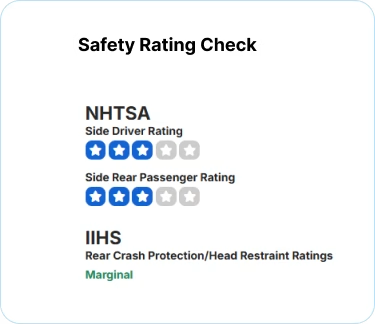
Crash-Test Ratings: Official crash-test ratings from organizations like the NHTSA (National Highway Traffic Safety Administration) for vehicles of this vintage are often less detailed and comprehensive than modern tests. However, the full-size, body-on-frame construction of the Crown Victoria generally provided good occupant protection in frontal and side impacts for its time, offering a substantial barrier in collisions. Detailed numerical scores are not as readily available or comparable to contemporary testing methodologies.
Technology and Entertainment: The standard entertainment system typically consisted of an AM/FM radio. Higher trims, like the LX, often came with a more advanced AM/FM stereo with cassette player, offering better sound quality and more speaker options. Features like power windows, power door locks, cruise control, and a tilt steering wheel were often available or standard on higher trims, enhancing driver convenience. Air conditioning was a near-universal feature, essential for comfort in this large sedan. While not featuring sophisticated digital interfaces, the focus was on reliable, mechanical controls for ease of use.
Driver-Assistance Features: Advanced driver-assistance systems as we know them today were virtually nonexistent in 1988. The primary assistance features were power steering for easier maneuvering and power brakes for more effective stopping power. ABS (Anti-lock Braking System) was becoming available on some higher-end vehicles, but it was not standard or widely offered on the Crown Victoria in 1988.
Safety Features: Safety in the 1988 Crown Victoria centered on its robust construction and passive safety systems. Standard safety equipment included three-point seat belts for front occupants and lap belts for rear passengers, along with a collapsible steering column designed to absorb impact energy. Crumple zones were incorporated into the car's structure to help manage collision forces. Airbags were not yet standard equipment in 1988; drivers and front passengers relied on seat belts and the vehicle's overall structural integrity.
Crash-Test Ratings: Official crash-test ratings from organizations like the NHTSA (National Highway Traffic Safety Administration) for vehicles of this vintage are often less detailed and comprehensive than modern tests. However, the full-size, body-on-frame construction of the Crown Victoria generally provided good occupant protection in frontal and side impacts for its time, offering a substantial barrier in collisions. Detailed numerical scores are not as readily available or comparable to contemporary testing methodologies.
What Colors Options are Available?
1988 Ford Crown Victoria Prices and Market Value
When new, the 1988 Ford Crown Victoria had an original MSRP that typically ranged from around $17,000 for the base model to upwards of $20,000-$22,000 for a well-optioned LX trim. This positioned it as a moderately priced, full-size sedan.
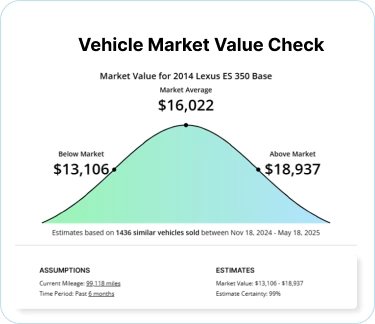
In today's used market, the 1988 Crown Victoria is generally available at very affordable prices. Clean, well-maintained examples can be found for anywhere from $3,000 to $7,000, with rarer, exceptionally preserved models or those with very low mileage potentially fetching more. Project cars or those with significant wear might be priced as low as $1,000-$2,000.
Depreciation for the Crown Victoria was substantial in its early years, as is typical for most vehicles. However, as it ages, its depreciation curve flattens significantly, especially for well-kept examples. Factors affecting resale value include condition (rust is a major detractor), mileage, maintenance history, originality of parts, and trim level. Enthusiast interest in these cars as comfortable cruisers or potential project vehicles can also keep values from plummeting further.
In today's used market, the 1988 Crown Victoria is generally available at very affordable prices. Clean, well-maintained examples can be found for anywhere from $3,000 to $7,000, with rarer, exceptionally preserved models or those with very low mileage potentially fetching more. Project cars or those with significant wear might be priced as low as $1,000-$2,000.
Depreciation for the Crown Victoria was substantial in its early years, as is typical for most vehicles. However, as it ages, its depreciation curve flattens significantly, especially for well-kept examples. Factors affecting resale value include condition (rust is a major detractor), mileage, maintenance history, originality of parts, and trim level. Enthusiast interest in these cars as comfortable cruisers or potential project vehicles can also keep values from plummeting further.
1988 Ford Crown Victoria Cost of Ownership
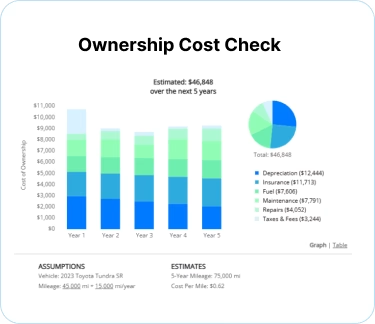
Owning a 1988 Ford Crown Victoria is generally considered economical, especially when purchased used. Insurance costs are typically modest for a vehicle of this age and class, with rates varying based on driver history and coverage levels. Fuel costs will be higher due to the V8 engine and less-than-stellar fuel economy, likely averaging around $15-$20 per month in gas depending on mileage. Routine maintenance, such as oil changes and filter replacements, is affordable. Repair costs for common issues can be moderate, as parts are widely available and many mechanics are familiar with this platform. Overall, the Crown Victoria is a cost-effective vehicle to own, particularly if you can perform some basic maintenance yourself.
1988 Ford Crown Victoria Fuel Efficiency
Fuel Type
Gasoline
Fuel Capacity
18.00 gallons
City Mileage
17 miles/gallon
Highway Mileage
24 miles/gallon
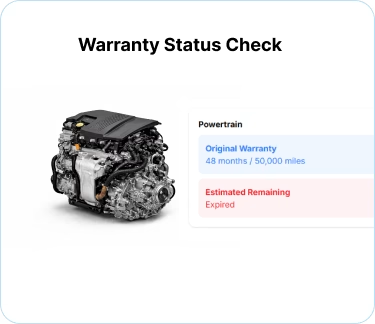
1988 Ford Crown Victoria Warranty
Basic
Original warranty
0 months / No data
Estimated remaining
Expired
Powertrain
Original warranty
0 months / No data
Estimated remaining
Expired
Rust
Original warranty
0 months / No data
Estimated remaining
Expired
1988 Ford Crown Victoria Insurance
Insurance for a 1988 Ford Crown Victoria is moderately priced, reflecting its status as a Wagon with strong safety ratings and
reasonable repair costs.
How Does the 1988 Ford Crown Victoria Compare to Other Wagon?
The 1988 Ford Crown Victoria competed in a segment dominated by large American sedans. Its primary rivals included the Chevrolet Caprice/Impala, the Buick LeSabre (though the LeSabre was front-wheel drive, it competed for the same buyer), and the Chrysler Fifth Avenue.
Performance: The Crown Victoria's V8 engine offered decent acceleration for its size, often slightly outperforming base V6 offerings from competitors. However, compared to the V8 options in a Chevrolet Caprice, performance was often comparable, with both focusing on comfortable cruising rather than sporty driving.
Features: In 1988, the Crown Victoria LX trim was well-equipped for its era, offering a good mix of comfort and convenience features that rivaled or exceeded those found in the Caprice. The Chrysler Fifth Avenue, however, often leaned more heavily into luxury and comfort, sometimes at the expense of cutting-edge tech.
Reliability: The Crown Victoria, built on the robust Panther platform, was generally considered reliable. While competitors like the Chevrolet Caprice also had a reputation for durability, some front-wheel-drive sedans of the era might have had more complex potential issues. However, the 1988 Crown Victoria's susceptibility to rust is a significant long-term reliability concern that rivals might not share to the same degree depending on their construction.
Price: The Crown Victoria was competitively priced against its rivals. New, its pricing was in line with the Chevrolet Caprice and Chrysler Fifth Avenue. In the used market, the Crown Victoria often represents excellent value due to its affordability.
Alternatives:
Similar: The 1988 Chevrolet Caprice is the most direct competitor, offering a similar V8 RWD experience with a focus on comfort and durability.
Slightly Different: The 1988 Buick LeSabre offers a FWD, V6 powertrain, often with a quieter and more refined ride, appealing to a buyer prioritizing smoothness over RWD dynamics.
More Luxury-Oriented: The 1988 Chrysler Fifth Avenue provides a more plush, old-school luxury feel, but might lack some of the practical robustness of the Crown Victoria or Caprice.
For buyers seeking classic V8 RWD comfort and durability at a low price point, the 1988 Crown Victoria remains a strong contender. Its main weakness compared to some rivals is its susceptibility to rust.
Performance: The Crown Victoria's V8 engine offered decent acceleration for its size, often slightly outperforming base V6 offerings from competitors. However, compared to the V8 options in a Chevrolet Caprice, performance was often comparable, with both focusing on comfortable cruising rather than sporty driving.
Features: In 1988, the Crown Victoria LX trim was well-equipped for its era, offering a good mix of comfort and convenience features that rivaled or exceeded those found in the Caprice. The Chrysler Fifth Avenue, however, often leaned more heavily into luxury and comfort, sometimes at the expense of cutting-edge tech.
Reliability: The Crown Victoria, built on the robust Panther platform, was generally considered reliable. While competitors like the Chevrolet Caprice also had a reputation for durability, some front-wheel-drive sedans of the era might have had more complex potential issues. However, the 1988 Crown Victoria's susceptibility to rust is a significant long-term reliability concern that rivals might not share to the same degree depending on their construction.
Price: The Crown Victoria was competitively priced against its rivals. New, its pricing was in line with the Chevrolet Caprice and Chrysler Fifth Avenue. In the used market, the Crown Victoria often represents excellent value due to its affordability.
Alternatives:
Similar: The 1988 Chevrolet Caprice is the most direct competitor, offering a similar V8 RWD experience with a focus on comfort and durability.
Slightly Different: The 1988 Buick LeSabre offers a FWD, V6 powertrain, often with a quieter and more refined ride, appealing to a buyer prioritizing smoothness over RWD dynamics.
More Luxury-Oriented: The 1988 Chrysler Fifth Avenue provides a more plush, old-school luxury feel, but might lack some of the practical robustness of the Crown Victoria or Caprice.
For buyers seeking classic V8 RWD comfort and durability at a low price point, the 1988 Crown Victoria remains a strong contender. Its main weakness compared to some rivals is its susceptibility to rust.
Final Verdict: Is the 1988 Ford Crown Victoria a Good Wagon?
The 1988 Ford Crown Victoria is ideal for budget-conscious buyers seeking a comfortable, spacious, and durable full-size sedan. It's perfect for individuals who prioritize a smooth ride, a large interior, and the classic American V8 experience over modern technology or fuel efficiency. It's definitely worth buying, but almost exclusively on the used market, as finding a new one is impossible.
When considering a purchase, focus on condition, particularly rust. Lower mileage and well-maintained examples, especially the LX trim for its added comfort features, represent the best value. Avoid vehicles with significant rust or transmission issues. It's an excellent choice for a reliable cruiser, a daily driver where fuel costs are less of a concern, or a solid platform for a restoration project if you're prepared for potential bodywork.