The 2003 Mazda B-Series, a compact pickup truck, was part of a lineage produced from 1985 to 2009. It shared its platform with the Ford Ranger, offering a reliable and straightforward workhorse. Available in Regular Cab and Extended Cab body styles, key trims included the base, SE, and the sportier XLS. New pricing typically ranged from $15,000 to $22,000. Its popularity stemmed from its affordability, maneuverability, and dependable performance, making it a practical choice for small business owners and everyday users.
The Good
The 2003 Mazda B-Series boasts strong value, offering robust reliability and decent performance for its class. Its compact size makes it easy to handle and park, appealing to practical buyers. Emotionally, its no-nonsense design and capable demeanor provide a sense of dependable utility.



The Bad
Potential buyers should watch out for rust, especially on the frame and wheel wells. Some models may experience issues with the transmission, particularly the automatic, and rear main seal leaks can occur. Interior wear and tear are also common.
2003 Mazda B-Series: Quick Overview
- Engine Options: The 2003 Mazda B-Series typically came with two engine choices:
- 2.3L inline-4 cylinder engine
- 3.0L V6 engine
- Horsepower:
- 2.3L I4: Approximately 143 horsepower
- 3.0L V6: Approximately 148-154 horsepower (depending on specific tune)
- Fuel Economy (MPG):
- For the 2.3L I4: Estimated around 20 city / 25 highway
- For the 3.0L V6: Estimated around 17 city / 21 highway
- 0-60 Times:
- With the 2.3L I4: Around 9.5 - 10.5 seconds
- With the 3.0L V6: Around 8.5 - 9.5 seconds
- Towing Capacity: The towing capacity varied based on configuration (engine, drivetrain, cab style, and bed length), but generally ranged from approximately 1,500 lbs to 5,000 lbs when properly equipped.
- Trim-Level Features:
- Base: Typically included essentials like air conditioning (optional on some), AM/FM stereo, vinyl flooring, and basic interior appointments.
- SE: Often added features like power windows and locks, cruise control, upgraded interior fabrics, and sometimes a CD player.
- XLS: The top trim usually featured alloy wheels, body-colored mirrors, upgraded audio systems, fog lights, and more premium interior trim.
2003 Mazda B-Series Specifications
Vehicle Information
| Year | 2003 |
| Make | Mazda |
| Model | B-Series |
| Trim | - |
| Style | - |
| Type | Pickup Truck |
| Category | Small Pickup Truck |
Manufacturing Details
| Made In | United States |
| Manufacturing City | EDISON |
Dimensions
| Doors | 2-Door |
| Curb Weight | - |
| Gross Vehicle Weight Rating | 4740 pounds |
| Overall Height | 64.80 inches |
| Overall Length | 201.70 inches |
| Overall Width | 69.40 inches |
| Wheelbase Length | 125.70 inches |
| Standard Seating | 5 |
Engine & Performance
| Engine | 2.3L I4 |
| Engine Size | 2.3L |
| Engine Cylinders | 4 |
| Transmission | 5-Speed Manual |
| Transmission Type | Manual |
| Transmission Speeds | 5-Speed |
| Drivetrain | Rear-Wheel Drive |
Additional Features
| Anti-Brake System | 4-Wheel ABS |
| Steering Type | Rack & Pinion |
Pricing
| Manufacturer Suggested Retail Price (MSRP) | $18,050 |
| Invoice Price | $16,506 |
| Delivery Charges | $620 |
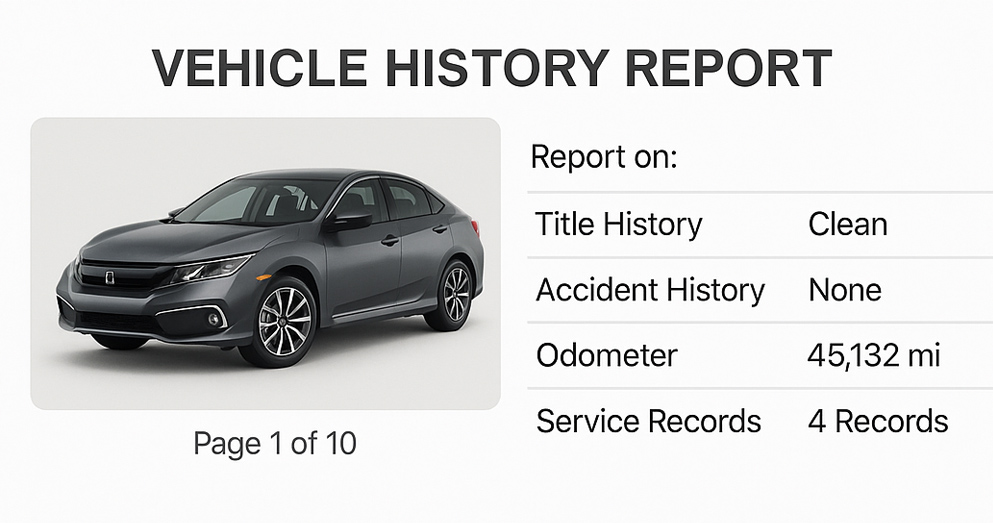
Vehicle History Report
Vehicle
Specifications
Specifications
Ownership
History
History
All History
Events
Events
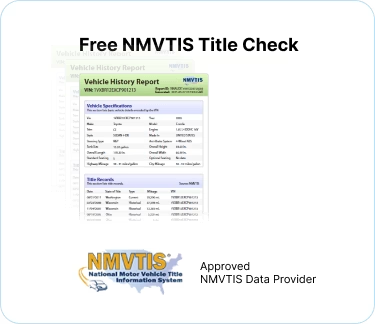
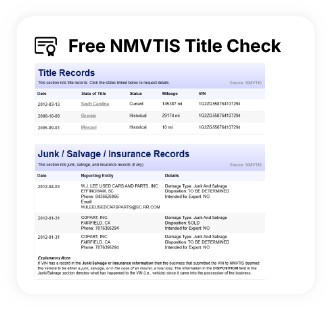
NMVTIS Title
History Check
History Check
Salvage/Rebuilt
Check
Check
Accident
Check
Check
Theft
Check
Check
Open Lien
Check
Check
Past Sale
Listings
Listings
Safety
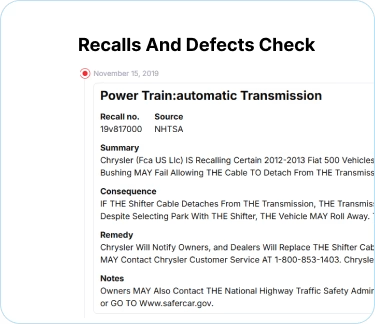
Recalls
Recalls
Odometer
Check
Check
Market Price
Analysis
Analysis
What Problems Does the 2003 Mazda B-Series Have?
The 2003 Mazda B-Series, being mechanically similar to the Ford Ranger of the same era, shares some common reported issues. One of the most frequently mentioned concerns is the potential forrust. This can be particularly problematic in areas with harsh winters or high humidity, affecting the frame, body panels, and suspension components. Early signs of rust should be addressed promptly to prevent more significant structural damage.
Another area of concern for some owners involves thetransmission. While generally considered reliable, automatic transmissions in some B-Series trucks have been reported to develop issues, sometimes related to the torque converter or shifting problems. Regular fluid changes and proper maintenance are crucial to mitigate these risks. Manual transmissions are generally more robust.
Owners have also noted potential leaks, with therear main sealbeing a common culprit for oil leaks on some models. While not always a critical issue, it requires attention to maintain optimal fluid levels and prevent potential damage.
Electrical gremlins, though less common, can sometimes surface, including issues with thepower window motorsor theradio. These can be indicative of age and wear on electrical components.
Regarding recalls, it is always advisable to check the National Highway Traffic Safety Administration (NHTSA) website for any open recalls specific to the 2003 Mazda B-Series. Recalls are typically issued for safety-related defects and should be addressed by a qualified mechanic. While no widespread, model-year-specific catastrophic failures are widely reported for the 2003 model year, consistent maintenance and addressing minor issues proactively are key to its long-term reliability. The overall long-term reliability is considered decent, especially if well-maintained, but vigilance against rust and powertrain issues is recommended.
Another area of concern for some owners involves thetransmission. While generally considered reliable, automatic transmissions in some B-Series trucks have been reported to develop issues, sometimes related to the torque converter or shifting problems. Regular fluid changes and proper maintenance are crucial to mitigate these risks. Manual transmissions are generally more robust.
Owners have also noted potential leaks, with therear main sealbeing a common culprit for oil leaks on some models. While not always a critical issue, it requires attention to maintain optimal fluid levels and prevent potential damage.
Electrical gremlins, though less common, can sometimes surface, including issues with thepower window motorsor theradio. These can be indicative of age and wear on electrical components.
Regarding recalls, it is always advisable to check the National Highway Traffic Safety Administration (NHTSA) website for any open recalls specific to the 2003 Mazda B-Series. Recalls are typically issued for safety-related defects and should be addressed by a qualified mechanic. While no widespread, model-year-specific catastrophic failures are widely reported for the 2003 model year, consistent maintenance and addressing minor issues proactively are key to its long-term reliability. The overall long-term reliability is considered decent, especially if well-maintained, but vigilance against rust and powertrain issues is recommended.
How long will the 2003 Mazda B-Series last?
Based on owner data and typical maintenance habits, a well-maintained 2003 Mazda B-Series can reasonably be expected to reach 150,000 to 200,000 miles or more. Many owners report their trucks continuing to serve reliably well into their second decade of ownership. The long-term durability is largely dependent on how the vehicle has been cared for. Key weaknesses that can affect longevity include susceptibility to rust, particularly in harsher climates, and potential transmission issues if not properly serviced. Engines, especially the 2.3L inline-four, are generally robust if oil changes are kept up. Addressing minor leaks and wear items promptly contributes significantly to achieving higher mileage and extending the vehicle's service life.
What Technology & Safety Features are Included?
The 2003 Mazda B-Series, as a compact pickup truck from its era, offers a relatively straightforward approach to technology and safety. Entertainment features were primarily focused on functionality. Standard equipment usually included anAM/FM radiowith a cassette player. Many models also offered anoptional CD player, which was a popular upgrade for better audio fidelity. Higher trims might have featured a slightly more advanced stereo system, but sophisticated infotainment systems were not a hallmark of this generation.
Driver-assistance features were virtually non-existent by modern standards. The primary focus was on the core driving experience. Standard safety features includedfront airbagsfor the driver and passenger.Anti-lock Braking System (ABS)was often available as an option, particularly on higher trim levels or 4WD models, and is a significant safety enhancement for a vehicle of this type.
Other available safety features could includeheight-adjustable seatbeltsanddaytime running lightson certain configurations. The body-on-frame construction provided a robust physical barrier in collisions. Crash-test ratings for the 2003 Mazda B-Series (and its Ford Ranger sibling) from organizations like the Insurance Institute for Highway Safety (IIHS) and the National Highway Traffic Safety Administration (NHTSA) generally showed mixed results for its time. While frontal impacts were often rated acceptably, side impact protection could be less robust due to the design of the time. It's advisable to check specific NHTSA or IIHS reports for detailed ratings if available for the exact configuration of a vehicle being considered. Overall, the tech and safety features are basic and functional, prioritizing core utility over advanced electronic aids.
Driver-assistance features were virtually non-existent by modern standards. The primary focus was on the core driving experience. Standard safety features includedfront airbagsfor the driver and passenger.Anti-lock Braking System (ABS)was often available as an option, particularly on higher trim levels or 4WD models, and is a significant safety enhancement for a vehicle of this type.
Other available safety features could includeheight-adjustable seatbeltsanddaytime running lightson certain configurations. The body-on-frame construction provided a robust physical barrier in collisions. Crash-test ratings for the 2003 Mazda B-Series (and its Ford Ranger sibling) from organizations like the Insurance Institute for Highway Safety (IIHS) and the National Highway Traffic Safety Administration (NHTSA) generally showed mixed results for its time. While frontal impacts were often rated acceptably, side impact protection could be less robust due to the design of the time. It's advisable to check specific NHTSA or IIHS reports for detailed ratings if available for the exact configuration of a vehicle being considered. Overall, the tech and safety features are basic and functional, prioritizing core utility over advanced electronic aids.
What Colors Options are Available?
2003 Mazda B-Series Prices and Market Value
When new, the 2003 Mazda B-Series typically retailed between approximately $15,000 for a base model Regular Cab and upwards of $22,000 for a well-equipped Extended Cab or XLS trim. As with most trucks, the B-Series experienced significant depreciation in its early years. However, as a used vehicle, its value has stabilized considerably. Current used market prices for a 2003 Mazda B-Series in average condition can range from $2,000 to $7,000, heavily depending on mileage, condition, trim level, and regional demand. Factors significantly affecting its resale value include the presence of rust (a major detractor), overall mechanical condition, odometer reading, and whether it has been used for heavy-duty work. Well-maintained examples, especially those with lower mileage and free of significant rust, command higher prices.
2003 Mazda B-Series Cost of Ownership
The 2003 Mazda B-Series is generally considered an economical vehicle to own. Insurance costs are typically moderate, falling within the average range for compact pickup trucks. Fuel costs are also reasonable, especially with the 2.3L engine, offering competitive MPG for its class. Maintenance costs are generally low due to the truck's simple mechanical design and the widespread availability of affordable parts. Routine services like oil changes and tire rotations are inexpensive. Repair costs are also manageable, as parts are readily available and labor rates for common issues are not excessive. Overall, the B-Series is a cost-effective option for long-term ownership, provided major rust or transmission issues are avoided.
2003 Mazda B-Series Fuel Efficiency
Fuel Type
Gasoline
Fuel Capacity
19.50 gallons
City Mileage
24 miles/gallon
Highway Mileage
29 miles/gallon
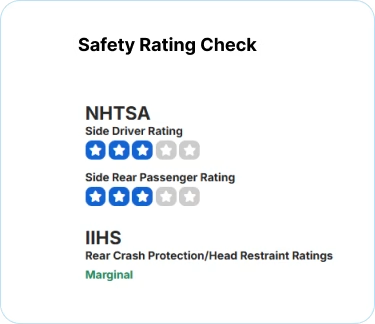
2003 Mazda B-Series Safety Rating
NHTSA
IIHS
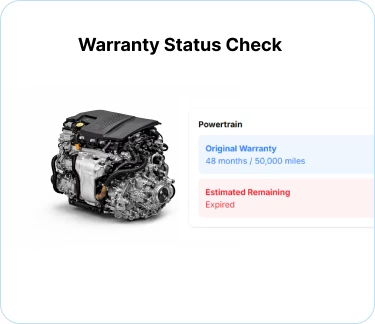
2003 Mazda B-Series Warranty
Basic
Original warranty
36 months / 50,000 miles
Estimated remaining
Expired
Powertrain
Original warranty
36 months / 50,000 miles
Estimated remaining
Expired
Rust
Original warranty
60 months / unlimited miles
Estimated remaining
Expired
2003 Mazda B-Series Insurance
Insurance for a 2003 Mazda B-Series is moderately priced, reflecting its status as a Pickup Truck with strong safety ratings and
reasonable repair costs.
How Does the 2003 Mazda B-Series Compare to Other Pickup Truck?
The 2003 Mazda B-Series competed in a segment dominated by trucks like theFord Ranger,Toyota Tacoma, andNissan Frontier. In terms ofperformance, the B-Series offered adequate power with its 2.3L and 3.0L options, but it generally fell short of the more potent engines available in some rivals, particularly the Tacoma. The Ranger, sharing its platform, offered very similar performance characteristics.
Regardingfeatures, the B-Series was competitive for its time but not a segment leader. It offered the essentials, with some comfort and convenience options available on higher trims. The Tacoma, however, often stood out with a slightly more refined interior and a reputation for offering more advanced options. The Frontier also offered a compelling package.
Reliabilityis where the B-Series, like its Ranger counterpart, generally performed well, though not always reaching the legendary status of the Toyota Tacoma. The Tacoma is renowned for its bulletproof long-term reliability and durability. The Frontier also boasts a strong reliability record.
In terms ofprice, the Mazda B-Series was often a strong value proposition, typically priced competitively or slightly lower than its rivals, especially the Tacoma, making it an attractive choice for budget-conscious buyers. It offered a good blend of utility and affordability.
Alternatives:
Regardingfeatures, the B-Series was competitive for its time but not a segment leader. It offered the essentials, with some comfort and convenience options available on higher trims. The Tacoma, however, often stood out with a slightly more refined interior and a reputation for offering more advanced options. The Frontier also offered a compelling package.
Reliabilityis where the B-Series, like its Ranger counterpart, generally performed well, though not always reaching the legendary status of the Toyota Tacoma. The Tacoma is renowned for its bulletproof long-term reliability and durability. The Frontier also boasts a strong reliability record.
In terms ofprice, the Mazda B-Series was often a strong value proposition, typically priced competitively or slightly lower than its rivals, especially the Tacoma, making it an attractive choice for budget-conscious buyers. It offered a good blend of utility and affordability.
Alternatives:
- Ford Ranger (2003): A very similar vehicle due to shared platform. Offers comparable performance and reliability, often with a wider range of configurations and potentially lower prices.
- Toyota Tacoma (2003): If ultimate reliability and resale value are top priorities, the Tacoma is a superior choice, though it will likely command a higher price both new and used. It often offers more robust powertrains and better off-road capability in certain trims.
- Nissan Frontier (2003): A strong contender offering good reliability and a comfortable ride. It provides a solid alternative with its own set of strengths, often with a more engaging driving experience than the B-Series/Ranger.
Final Verdict: Is the 2003 Mazda B-Series a Good Pickup Truck?
The 2003 Mazda B-Series is ideal for budget-conscious individuals or small businesses needing a dependable, compact pickup for light-duty tasks, daily commuting, or occasional hauling. It's well-suited for those who value maneuverability in urban environments and straightforward functionality over advanced technology. It is definitely worth buying if found in good condition, especially used, as its depreciation has made it a very affordable option.
When considering a purchase, prioritize well-maintained examples, ideally with a thorough inspection for rust, especially on the frame and body. The 2.3L engine offers better fuel economy, while the 3.0L V6 provides more power for heavier loads. Lower mileage examples in clean condition will offer the best long-term value. It represents a smart buy for practicality and economy.