
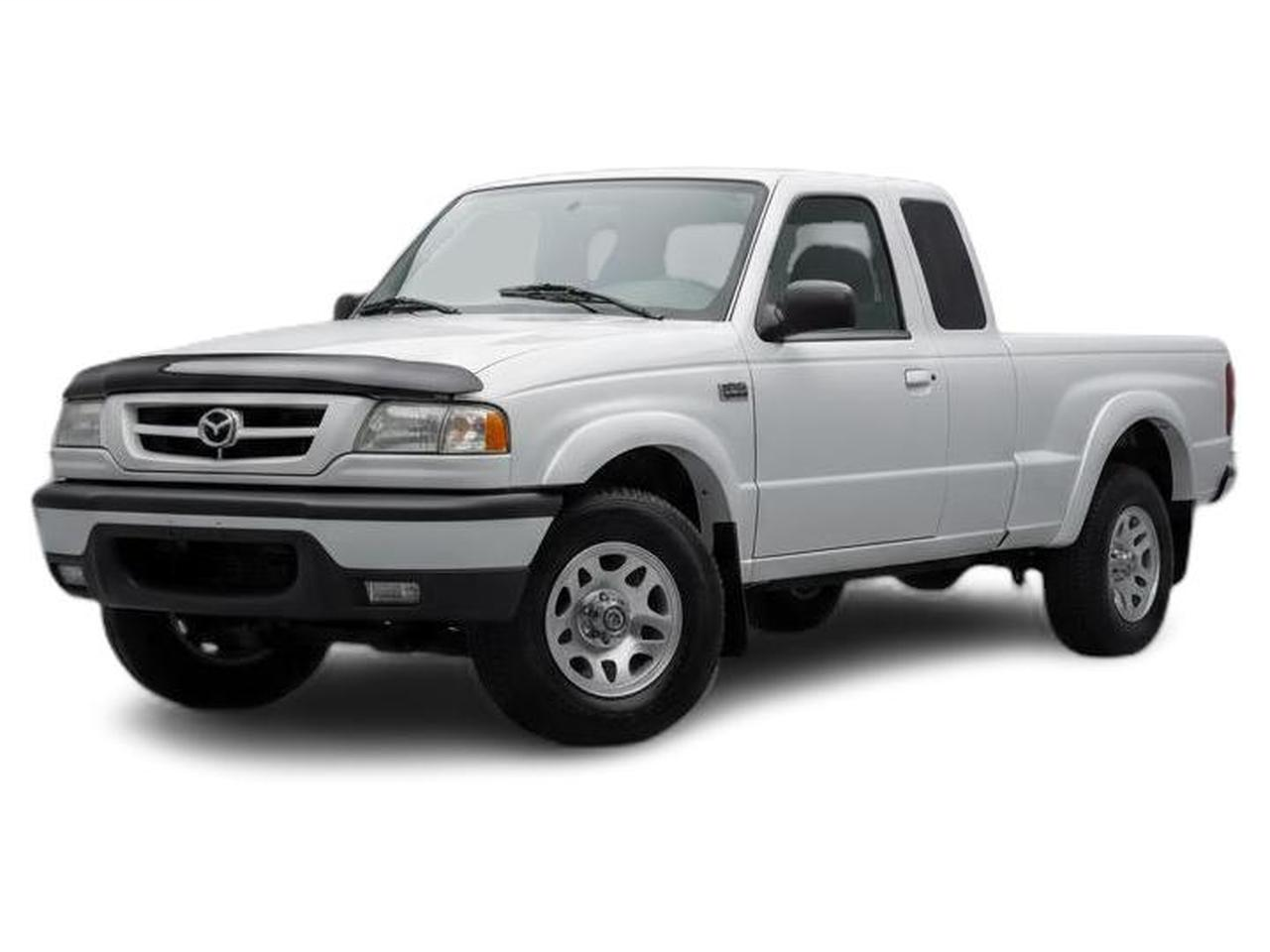
The Good
The 2004 Mazda B-Series boasts a reputation for solid reliability, making it a practical choice. Its compact size contributes to decent fuel efficiency, appealing to budget-minded individuals. Emotionally, its straightforward design and capable performance for light-duty tasks offer a sense of dependable utility.
The Bad
Common weaknesses for the 2004 Mazda B-Series include potential for rust on the frame and body, especially in northern climates. Interior materials can show wear over time, and some owners report issues with the ignition system or electrical components.
2004 Mazda B-Series: Quick Overview
- Engine Options:
- 2.3L I4 (Duratec): Standard on many models.
- Horsepower: Approximately 143 hp
- Torque: Around 154 lb-ft
- 3.0L V6 (Vulcan): Optional on higher trims.
- Horsepower: Approximately 154 hp
- Torque: Around 180 lb-ft
- 2.3L I4 (Duratec): Standard on many models.
- Fuel Economy (Estimated MPG):
- 2.3L I4: Around 18-19 MPG city / 23-24 MPG highway
- 3.0L V6: Around 16-17 MPG city / 20-21 MPG highway
- 0-60 Times (Estimated):
- 2.3L I4: Typically in the 9-11 second range.
- 3.0L V6: Typically in the 8-10 second range.
- Towing Capacity (Approximate):
- Maximum towing capacity generally ranged from 3,500 lbs to 5,200 lbs, depending on engine, drivetrain, and configuration.
- Trim-Level Features:
- Base: Vinyl flooring, basic AM/FM stereo, manual windows and locks, steel wheels.
- SE: Upgraded cloth upholstery, air conditioning, power windows and locks (on some configurations), CD player, alloy wheels (often optional).
- Troyer (Sport Package): Often included unique badging, sport-tuned suspension, fog lights, and exterior styling enhancements.
- General Features: Available options across trims could include cruise control, tilt steering wheel, intermittent wipers, and a sliding rear window for extended cabs.
2004 Mazda B-Series Specifications
Vehicle Information
| Year | 2004 |
| Make | Mazda |
| Model | B-Series |
| Trim | - |
| Style | B4000 Truck 4WD 5MT 2.3L I4 |
| Type | Pickup Truck |
| Category | passenger |
Manufacturing Details
| Made In | United States |
| Manufacturing City | EDISON |
Dimensions
| Doors | 2-Door |
| Curb Weight | 3800 pounds |
| Gross Vehicle Weight Rating | - |
| Overall Height | 66 inches |
| Overall Length | 201 inches |
| Overall Width | 72 inches |
| Wheelbase Length | 125 inches |
| Standard Seating | 2 |
Engine & Performance
| Engine | 2.3L I4 |
| Engine Size | 2.3L |
| Engine Cylinders | 4 |
| Transmission | 5-Speed Manual |
| Transmission Type | Manual |
| Transmission Speeds | 5-Speed |
| Drivetrain | Four-Wheel Drive |
Additional Features
| Anti-Brake System | 4-Wheel ABS |
| Steering Type | Recirculating Ball |
Pricing
| Manufacturer Suggested Retail Price (MSRP) | $19,500 |
| Invoice Price | $18,000 |
| Delivery Charges | $800 |
Vehicle History Report
Specifications
History
Events
History Check
Check
Check
Check
Check
Listings
Recalls
Check
Analysis
What Problems Does the 2004 Mazda B-Series Have?
Another frequently reported issue relates to the ignition system. Spark plug blowouts, particularly in the V6 engines, have been noted, requiring thread repair or replacement. Additionally, some owners have experienced premature failure of ignition coils. The automatic transmission can also be a point of concern, with some instances of rough shifting or outright failure reported, often linked to fluid maintenance or internal wear.
Interior components, such as the headliner, can sag over time, and the plastic trim pieces can become brittle and crack. Electrical gremlins are not uncommon, with issues like faulty door lock actuators, power window regulators, and malfunctioning instrument cluster gauges appearing in some vehicles. The HVAC system, particularly the blower motor and blend door actuators, can also be prone to failure.
While there were no widespread major recalls specifically targeting the 2004 model year B-Series that significantly impacted its long-term reliability across the board, it is crucial to check for any outstanding recalls relevant to the specific vehicle's VIN. Regarding long-term reliability, well-maintained B-Series trucks can be quite durable, especially those with the four-cylinder engine. However, the aforementioned rust and potential drivetrain issues are the primary factors that can shorten their service life if not addressed proactively. Regular maintenance, particularly fluid changes for the transmission and differential, and diligent inspection for rust are key to ensuring longevity.
How long will the 2004 Mazda B-Series last?
What Technology & Safety Features are Included?
Entertainment: Standard audio systems typically included an AM/FM radio, often with a single-disc CD player. Higher trims might have offered an upgraded sound system, but features like Bluetooth connectivity, USB ports, or touchscreens were not available. Steering wheel audio controls were also uncommon.
Built-in Tech: Technology was limited to essential functions. Features like cruise control were often optional, as was a tilt steering wheel. Power windows and locks were available on some higher trims or as optional equipment, but manual operation was standard on base models.
Driver-Assistance Features: Driver-assistance technologies as we know them today were virtually non-existent. Features like rearview cameras, lane departure warning, or adaptive cruise control were not offered. The focus was on the fundamental driving experience.
Safety Features: Standard safety equipment included front airbags for the driver and passenger. Anti-lock brakes (ABS) were often standard on higher trims or available as an option, particularly for the rear wheels. Traction control was not commonly found on this model. Seatbelt pretensioners were also part of the safety package.
Crash-Test Ratings: The 2004 Mazda B-Series, being mechanically identical to the Ford Ranger, shared its crash test performance. According to the National Highway Traffic Safety Administration (NHTSA), the Ford Ranger (and by extension, the Mazda B-Series) received decent ratings for its time, generally achieving four out of five stars for frontal driver and passenger impacts. Side impact ratings were typically lower. It's important to note that these ratings are from an older testing protocol and should be considered within the context of vehicle safety advancements over the past two decades.
What Colors Options are Available?
2004 Mazda B-Series Prices and Market Value
2004 Mazda B-Series Cost of Ownership
2004 Mazda B-Series Fuel Efficiency
2004 Mazda B-Series Warranty
Basic
Powertrain
Rust
2004 Mazda B-Series Insurance
reasonable repair costs.
How Does the 2004 Mazda B-Series Compare to Other Pickup Truck?
Performance: In terms of performance, the B-Series (and Ranger) offered a choice between a competent four-cylinder and a capable V6. While not the most powerful, they provided adequate acceleration and towing for light-duty tasks. The Toyota Tacoma often stood out for its more refined engine options and robust drivetrain, while the Colorado/Canyon offered a smoother ride. The Frontier provided a good balance.
Features: Feature-wise, the B-Series was basic. It lagged behind rivals like the Tacoma, which often offered more modern interior amenities and available comfort features even in its base trims. The B-Series' strengths lay in its simplicity rather than advanced technology.
Reliability: The B-Series inherited the Ranger's reputation for solid mechanical reliability, particularly the 2.3L engine. However, both shared the notorious issue of frame rust, which could be a significant long-term weakness compared to the generally excellent long-term durability of the Toyota Tacoma, which is renowned for its resistance to corrosion and overall longevity. The Nissan Frontier also had a good reputation for reliability.
Price: The B-Series and Ranger were typically among the most affordable options when new, and this trend often continues in the used market. This value proposition was a major selling point. The Tacoma, even used, often commands higher prices due to its superior reputation for durability and resale value.
Alternatives:
- Toyota Tacoma: If long-term durability, higher resale value, and better off-road capability (in certain trims) are priorities, and you have a larger budget, the Toyota Tacoma is a superior choice, despite often being more expensive.
- Ford Ranger: As it's the same truck mechanically, the Ford Ranger is a direct and equally viable alternative, potentially offering more availability in the used market.
- Nissan Frontier: A solid contender offering good reliability and a more modern feel than the B-Series/Ranger in some aspects, often a good middle-ground option.
Final Verdict: Is the 2004 Mazda B-Series a Good Pickup Truck?

Cathleen V
Cathleen is an exceptional freelance writer covering hot topics in the automotive world from a gearhead's perspective. Her articles delve into various aspects of automotive technology and history, offering readers detailed insights into engine performance, reliability, and maintenance. Through her engaging and informative writing, Cathleen provides valuable information to automotive enthusiasts and consumers alike, helping them make informed decisions about vehicle maintenance and purchases.