
The Good
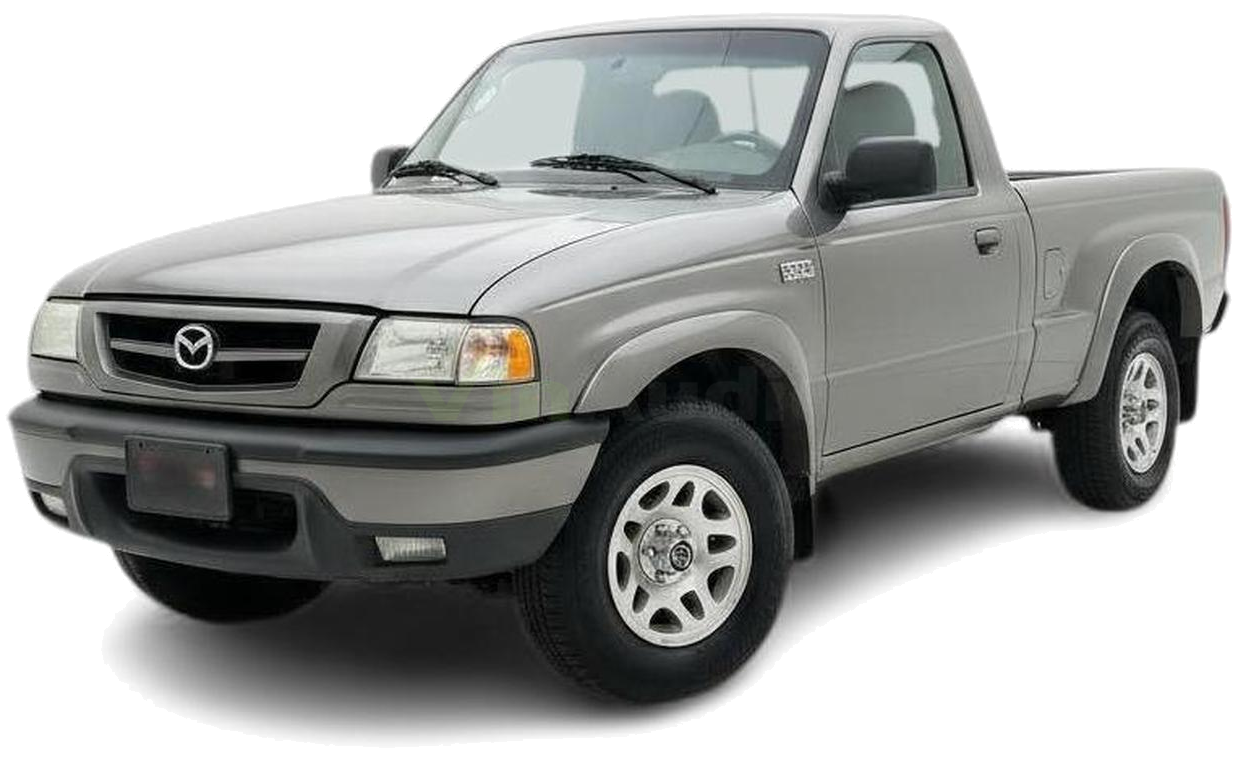
The 2006 Mazda B-Series offers a commendable blend of agile handling and reliable mechanicals, appealing to those seeking a practical and durable compact truck. Its straightforward design and fuel efficiency make it a sensible choice for everyday use and light hauling, providing value and peace of mind.
The Bad
Potential buyers of the 2006 Mazda B-Series should be aware of common issues such as frame rust, particularly in areas with harsh winters, and potential transmission problems, especially with automatic transmissions. Electrical gremlins and interior wear are also points to scrutinize during inspection.
2006 Mazda B-Series: Quick Overview
- Engine Options:
- 2.3L DOHC 16-valve I4 (B2300)
- 3.0L OHV 12-valve V6 (B3000)
- 4.0L OHV 12-valve V6 (B4000)
- Horsepower:
- 2.3L I4: 143 hp @ 5,250 rpm
- 3.0L V6: 148 hp @ 5,000 rpm
- 4.0L V6: 207 hp @ 5,250 rpm
- Fuel Economy (EPA Estimated MPG):
- 2.3L I4 (Manual): 20 city / 26 highway
- 2.3L I4 (Automatic): 19 city / 24 highway
- 3.0L V6 (Automatic): 17 city / 22 highway
- 4.0L V6 (Automatic): 15 city / 19 highway
- 0-60 Times (Approximate):
- 2.3L I4: 10.5 - 11.5 seconds
- 3.0L V6: 9.5 - 10.5 seconds
- 4.0L V6: 8.0 - 9.0 seconds
- Towing Capacity (Maximum):
- Varies by configuration, but typically ranges from approximately 3,500 lbs for base models to over 5,500 lbs for V6 models with towing packages.
- Trim-Level Features:
- SE (Standard): Typically includes basic interior amenities, power steering, antilock brakes (ABS), and a tilt steering wheel.
- XLT (Optional/Higher Trim): Often adds air conditioning, power windows and locks, cruise control, upgraded interior materials, and potentially a more advanced audio system.
- Body Styles: Regular Cab (two doors) and Extended Cab (four doors, with small rear-hinged doors).
- Bed Lengths: Short bed and long bed options were generally available.
2006 Mazda B-Series Specifications
Vehicle Information
| Year | 2006 |
| Make | Mazda |
| Model | B-Series |
| Trim | - |
| Style | B2300 Truck RWD 5MT 2.3L I4 |
| Type | Pickup Truck |
| Category | passenger |
Manufacturing Details
| Made In | United States |
| Manufacturing City | ST. PAUL |
Dimensions
| Doors | 2-Door |
| Curb Weight | 2900 pounds |
| Gross Vehicle Weight Rating | - |
| Overall Height | 63 inches |
| Overall Length | 191 inches |
| Overall Width | 68.1 inches |
| Wheelbase Length | 111 inches |
| Standard Seating | 2 |
Engine & Performance
| Engine | 2.3L I4 |
| Engine Size | 2.3L |
| Engine Cylinders | 4 |
| Transmission | 5-Speed Manual |
| Transmission Type | Manual |
| Transmission Speeds | 5-Speed |
| Drivetrain | Rear-Wheel Drive |
Additional Features
| Anti-Brake System | 4-Wheel ABS |
| Steering Type | Rack & Pinion |
Pricing
| Manufacturer Suggested Retail Price (MSRP) | $15,000 |
| Invoice Price | $14,000 |
| Delivery Charges | $800 |
Vehicle History Report
Specifications
History
Events
History Check
Check
Check
Check
Check
Listings
Recalls
Check
Analysis
What Problems Does the 2006 Mazda B-Series Have?
Another area to watch for is the transmission, particularly the automatic transmissions. Some owners have reported premature failure or issues with shifting, especially as the mileage accumulates. This can manifest as rough shifting, slipping gears, or complete transmission failure, which can be an expensive repair. Regular transmission fluid changes and maintenance are crucial to prolong its life.
Electrical issues are also occasionally reported, though not as widespread as frame rust. This can include problems with the power windows, door locks, or the instrument cluster. While often minor, these can be frustrating to diagnose and repair. The ignition system can also be a source of trouble, with reports of coil pack or spark plug issues.
Regarding recalls, it's essential to check the National Highway Traffic Safety Administration (NHTSA) website for any outstanding recalls specific to the 2006 Mazda B-Series, as these can vary. Common recalls for vehicles of this era often involve airbags, braking systems, or fuel system components. While the Mazda B-Series is generally considered a reliable truck, these specific areas, particularly frame integrity and transmission, are the most frequently cited concerns by owners and mechanics that warrant attention when considering a purchase or for long-term ownership.
How long will the 2006 Mazda B-Series last?
What Technology & Safety Features are Included?
Entertainment: Standard entertainment features typically included an AM/FM radio with a CD player. Higher trim levels or optional packages might have offered an upgraded audio system with more speakers. Auxiliary input jacks for portable music devices were not standard and were rare options.
Driver-Assistance Features:
Standard driver-assistance features were minimal. Antilock brakes (ABS) were generally standard on the rear wheels, with four-wheel ABS being an available option, especially on higher trims or with certain engine configurations. Cruise control was often available as an option on XLT trims and above.
Safety Features:
Primary safety features included front airbags for the driver and passenger. Three-point seatbelts were standard. Available safety options could include side-impact airbags, though these were not widely common across all trims. Child seat anchors (LATCH) were present in the rear seats of Extended Cab models. The truck also featured a high-mounted rear brake light and daytime running lights.
Crash-Test Ratings:
Crash-test ratings for the 2006 Mazda B-Series are available from the National Highway Traffic Safety Administration (NHTSA) and the Insurance Institute for Highway Safety (IIHS).
According to NHTSA, the 2006 Mazda B-Series received:
- Frontal Driver: 4 out of 5 stars
- Frontal Passenger: 4 out of 5 stars
- Side Impact Driver: 4 out of 5 stars
- Side Impact Rear Passenger: 4 out of 5 stars
- Rollover: 4 out of 5 stars
What Colors Options are Available?
2006 Mazda B-Series Prices and Market Value
Currently, the used market price for a 2006 Mazda B-Series varies significantly based on mileage, condition, trim level, and region. Expect prices to range from around $3,000 to $8,000 for models in average to good condition. Well-maintained, lower-mileage examples, particularly those with the more desirable V6 engines, can command higher prices.
The Mazda B-Series has experienced moderate depreciation. Factors affecting its resale value include its reputation for reliability, the condition of the frame (especially regarding rust), and the desirability of its powertrain. Trucks with the 4.0L V6 engine tend to hold their value better than those with the smaller engines. Overall, it offers strong value in the used compact truck market.
2006 Mazda B-Series Cost of Ownership
2006 Mazda B-Series Fuel Efficiency
2006 Mazda B-Series Warranty
Basic
Powertrain
Rust
2006 Mazda B-Series Insurance
reasonable repair costs.
How Does the 2006 Mazda B-Series Compare to Other Pickup Truck?
Performance: In terms of performance, the B-Series, especially with the optional 4.0L V6, offered competitive power and towing capability, comparable to the Ford Ranger. However, the Toyota Tacoma often had an edge in outright off-road prowess and a reputation for robust powertrains. The Nissan Frontier was also a strong contender, offering a good balance of power and utility. The Mazda's smaller engines were adequate but less potent than some competitors.
Features: Feature-wise, the B-Series was functional but often lagged behind its rivals in terms of advanced technology and interior refinement. The Tacoma and Frontier typically offered more modern interior designs and a wider array of available creature comforts and tech options, even in their base trims. The B-Series, especially in its SE trim, was more utilitarian.
Reliability: The B-Series shared much of its mechanical DNA with the Ford Ranger, which has a generally good reputation for reliability, especially with the inline-four engines. However, the B-Series is susceptible to frame rust, a common issue that can plague its Ranger sibling. The Toyota Tacoma, in particular, is renowned for its exceptional long-term reliability and durability, often cited as a benchmark in this class. The Nissan Frontier also boasts a strong reliability record, though some early models had specific transmission concerns.
Price: The Mazda B-Series generally offered a slightly lower price point compared to the Toyota Tacoma when new, making it an attractive value proposition. Used, it remains a more affordable option than a comparable Tacoma. The Nissan Frontier often fell in a similar price bracket as the B-Series.
Recommendations:
- Toyota Tacoma: If absolute long-term reliability, off-road capability, and resale value are paramount, the Toyota Tacoma is often considered the superior choice, though it typically commands a higher price, both new and used.
- Ford Ranger: Given the shared platform and mechanicals, the Ford Ranger is a very similar alternative. Buyers might find a wider selection of Rangers on the used market.
- Nissan Frontier: The Nissan Frontier offers a compelling alternative with good reliability and capability, often with a slightly more modern feel than the B-Series.
Final Verdict: Is the 2006 Mazda B-Series a Good Pickup Truck?
It is certainly worth buying, especially on the used market, provided it has been well-maintained and critically, that its frame is free from significant rust. The higher trims with the V6 engines offer a better balance of power and utility. Buying new is no longer an option as it has been discontinued.
Conditions under which it is a good buy include finding one with a documented maintenance history, low to moderate mileage for its age, and evidence of proper care, especially in areas prone to corrosion. For those needing a basic, capable truck without breaking the bank, the 2006 Mazda B-Series remains a sensible choice.

Drew B
Drew is a seasoned automotive expert and contributor to VinCheck.info. With nearly 15 years of experience as a former Porsche technician, he brings a wealth of hands-on knowledge to his writing. Born in North Carolina, a region renowned for its deep-rooted NASCAR culture, Drew developed a passion for cars early in life, often building and working on vehicles from a young age. At VINCheck, Drew leverages his extensive technical background to provide in-depth analyses of various vehicles. His articles often focus on engine performance, reliability, and maintenance insights, offering readers practical information grounded in real-world experience. Some of his notable contributions include reviews on the Mazda CX-5's longevity and detailed examinations of engine options for models like the 2011 Toyota Camry and Tacoma