
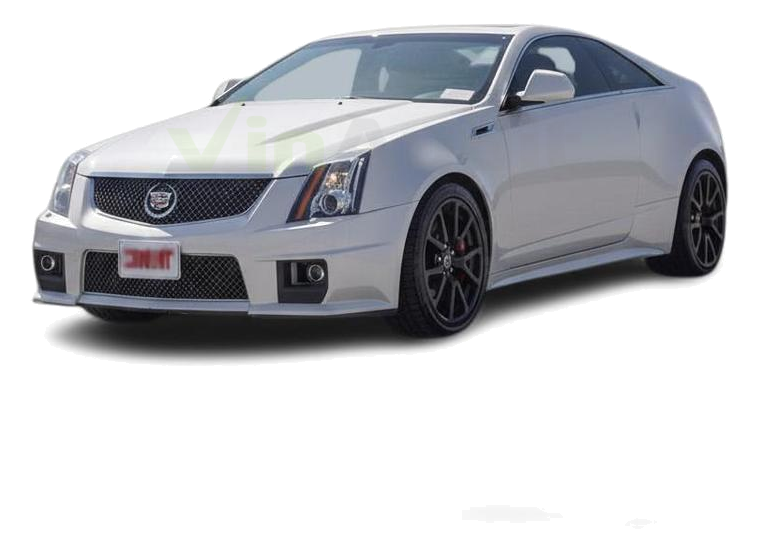
The Good
The 2013 Cadillac CTS-V excels with its exhilarating supercharged V8 performance, surprisingly refined and comfortable ride for a sports sedan, and aggressive, head-turning design. It offers a potent blend of visceral power for enthusiasts and luxurious amenities for daily driving, making it a compelling choice for those seeking a practical yet thrilling vehicle.
The Bad
Potential weaknesses for the 2013 Cadillac CTS-V include its thirst for premium fuel and the associated higher running costs. Some owners report occasional electronic glitches and the potential for costly repairs on the advanced powertrain and suspension components. Finding well-maintained examples is crucial.
2013 Cadillac CTS-V: Quick Overview
- Engine Options: The heart of the 2013 CTS-V is its potent 6.2L supercharged LSA V8 engine.
- Horsepower: This powerhouse produces a formidable 556 horsepower.
- Torque: It also delivers 551 lb-ft of torque.
- Transmission Options: Buyers could choose between a 6-speed manual transmission or a 6-speed automatic transmission.
- Fuel Economy: Official EPA estimates for the 2013 CTS-V are around 14 MPG city and 19 MPG highway when equipped with the automatic transmission, and slightly less with the manual. This is for premium unleaded gasoline.
- 0-60 Times: Acceleration is blistering, with 0-60 mph times typically in the low to mid 4-second range, making it one of the quickest sedans of its era.
- Towing Capacity: The CTS-V is a performance sedan and is not designed for towing; therefore, it does not have a specified towing capacity.
- Trim-Level Features (Standard CTS-V Sedan):
- Performance suspension with Magnetic Ride Control
- Brembo high-performance brakes
- Limited-slip differential
- Recaro performance front seats (optional but highly recommended)
- Leather and Alcantara interior trim
- High-intensity discharge (HID) headlights
- Keyless entry and push-button start
- Cadillac CUE infotainment system with 8-inch touchscreen (standard on some later 2013 models, optional on earlier)
- Bose premium audio system
- Dual-zone automatic climate control
- Heated and ventilated front seats
- Other Body Styles: The CTS-V was also available as a coupe and a sport wagon, offering the same potent powertrain but with different styling and practicality.
2013 Cadillac CTS-V Specifications
Vehicle Information
| Year | 2013 |
| Make | Cadillac |
| Model | CTS-V |
| Trim | - |
| Style | - |
| Type | Coupe |
| Category | Mid-Size Car |
Manufacturing Details
| Made In | United States |
| Manufacturing City | LANSING - GRAND RIVER |
Dimensions
| Doors | 2-Door |
| Curb Weight | 4255 pounds |
| Gross Vehicle Weight Rating | 5004 pounds |
| Overall Height | 56.00 inches |
| Overall Length | 188.50 inches |
| Overall Width | 74.10 inches |
| Wheelbase Length | 113.40 inches |
| Standard Seating | 4 |
Engine & Performance
| Engine | 6.2L V8 |
| Engine Size | 6.2L |
| Engine Cylinders | 8 |
| Transmission | 6-Speed Manual |
| Transmission Type | Manual |
| Transmission Speeds | 6-Speed |
| Drivetrain | Rear-Wheel Drive |
Additional Features
| Anti-Brake System | 4-Wheel ABS |
| Steering Type | Rack & Pinion |
Pricing
| Manufacturer Suggested Retail Price (MSRP) | $63,215 |
| Invoice Price | $59,106 |
| Delivery Charges | $895 |
Vehicle History Report
Specifications
History
Events
History Check
Check
Check
Check
Check
Listings
Recalls
Check
Analysis
What Problems Does the 2013 Cadillac CTS-V Have?
Another area to watch is the clutch, particularly on manual transmission models. Due to the immense torque of the LSA engine, clutches can wear out faster than in less powerful vehicles, especially if the car has been driven hard. Some owners have reported clutch shudder or premature failure.
The infotainment system, particularly the Cadillac CUE system if equipped, could be prone to glitches, frozen screens, or responsiveness issues. While often fixable with software updates, it can be a source of frustration. Electronic gremlins, such as warning lights appearing on the dashboard for no apparent reason, have also been reported, sometimes stemming from sensor issues or wiring harness problems.
Cooling system components, including water pumps and radiators, can also be a point of concern over time, especially given the heat generated by the supercharged V8. Leaks or premature failure can lead to overheating.
Brake system components, while high-performance Brembos, are wear items and can be expensive to replace if not properly maintained. Owners may also experience brake squeal or premature pad and rotor wear if subjected to frequent hard braking.
Recalls for the 2013 CTS-V were relatively few and generally dealt with safety-related items. One notable recall involved potential issues with the airbag control module. Another concerned a fuel line connection that could potentially leak. It is always recommended to check for any outstanding recalls for a specific VIN.
Long-term reliability is somewhat dependent on how the vehicle has been maintained and driven. If the car has been regularly serviced with high-quality fluids and filters, and not subjected to constant aggressive driving, it can be quite reliable. However, the complexity of the supercharged powertrain and performance-oriented components means that repairs can be more expensive than for a standard luxury sedan.
How long will the 2013 Cadillac CTS-V last?
What Technology & Safety Features are Included?
Driver-assistance features were somewhat limited by today's standards but included available technologies like rear parking assist and a rearview camera, which were invaluable for maneuvering the car in tight spaces. Adaptive cruise control was also an option on some trims.
Safety was a strong suit for the CTS-V. Standard safety features typically comprised front airbags, front side-impact airbags, roof-mounted curtain airbags, and anti-lock disc brakes (ABS). The performance-tuned chassis and advanced suspension contributed to excellent handling and stability. Electronic stability control and traction control systems were also standard.
In terms of crash-test ratings, the standard Cadillac CTS (on which the CTS-V is based) received good marks from the National Highway Traffic Safety Administration (NHTSA) and the Insurance Institute for Highway Safety (IIHS). For instance, the 2013 Cadillac CTS generally earned 5-star ratings in frontal and side crash tests from NHTSA, indicating a high level of occupant protection. The IIHS also awarded it with top scores in various impact tests.
Optional features often enhanced the luxury and performance experience, such as Recaro performance front seats, which offered superior bolstering and support during spirited driving, and a panoramic sunroof. The available navigation system integrated seamlessly with the CUE interface, providing real-time traffic information and turn-by-turn directions.
What Colors Options are Available?
2013 Cadillac CTS-V Prices and Market Value
2013 Cadillac CTS-V Cost of Ownership
2013 Cadillac CTS-V Fuel Efficiency
2013 Cadillac CTS-V Safety Rating
NHTSA
IIHS
2013 Cadillac CTS-V Warranty
Basic
Powertrain
Rust
2013 Cadillac CTS-V Insurance
reasonable repair costs.
How Does the 2013 Cadillac CTS-V Compare to Other Coupe?
Performance: In terms of raw horsepower and torque, the CTS-V's 556-hp supercharged V8 often outgunned its direct competitors of the era. While the M3 was lauded for its track prowess and driver engagement with its V8, and the C63 AMG offered a sonorous naturally aspirated V8, the CTS-V delivered brutal straight-line acceleration that rivaled many supercars. The Audi S4, with its supercharged V6, was a strong performer but generally lacked the sheer power of the CTS-V.
Features: Cadillac equipped the CTS-V with a strong suite of luxury features, including the advanced CUE infotainment system and comfortable amenities. However, competitors like BMW and Mercedes-Benz often had more refined interior materials and more advanced optional technology, particularly in terms of driver assistance systems. The M3, in particular, was celebrated for its driver-focused cockpit.
Reliability: Historically, German luxury performance cars can be expensive to maintain and repair long-term. The CTS-V, while having its own potential weak points (as discussed earlier), might offer a slightly different cost profile for repairs, though still significant. Reliability can be a mixed bag for all vehicles in this performance class; meticulous maintenance is key. The supercharged V8 in the CTS-V is generally considered robust, but like any high-performance engine, it requires diligent care.
Price: The CTS-V often presented a compelling value proposition in the used market compared to similarly performing German counterparts, offering more power for the money. New, its pricing was competitive.
Alternatives:
- Similar: 2011-2014 BMW M3 (especially E90 sedan/E92 coupe) offers sublime handling and a fantastic naturally aspirated V8, but often at a higher used price and with slightly less outright power. 2008-2014 Mercedes-Benz C63 AMG provides a characterful V8, strong performance, and a luxurious feel, but can be thirsty and expensive to maintain.
- Better (depending on priorities): If ultimate track-focused handling and driver engagement are paramount, the M3 might be preferred. If brand prestige and a more established luxury interior are higher priorities, a C63 AMG could be considered. If a more balanced, comfortable, and powerful package for the money is desired, the CTS-V remains an excellent choice.
Final Verdict: Is the 2013 Cadillac CTS-V a Good Coupe?
It is absolutely worth buying, especially on the used market, for those who prioritize raw V8 power and a distinctive American muscle-meets-luxury ethos. However, potential buyers must be aware of the higher running costs associated with fuel, insurance, and potentially expensive repairs.
Buying used is the only sensible option now. Focus on well-maintained examples, preferably with comprehensive service records. The sedan body style offers practicality, while the coupe is more stylish but less functional. Regardless of body style, seeking a car with the optional Recaro seats is highly recommended for enhanced driver support. Patience in finding a clean, low-mileage example will pay dividends.

Eugene S
Eugene is an automotive enthusiast with over 15 years of experience in the used car market. As a writer at VINCheck.info, he brings deep industry insight and a passion for cars, helping readers make smart, informed decisions. Eugene has written hundreds of used car reviews and is known for breaking down complex automotive topics into clear, actionable advice. Over the years, he has driven and worked on a wide range of vehicles—starting with tuning street cars in his early days and eventually focusing on performance upgrades and reliability improvements. Today, he specializes in evaluating used vehicles through the lens of real-world ownership and enthusiast needs. A longtime fan of Porsche, Eugene especially appreciates vehicles that blend durability with driving enjoyment.