
by VIN, Year, Make, Model by License Plate

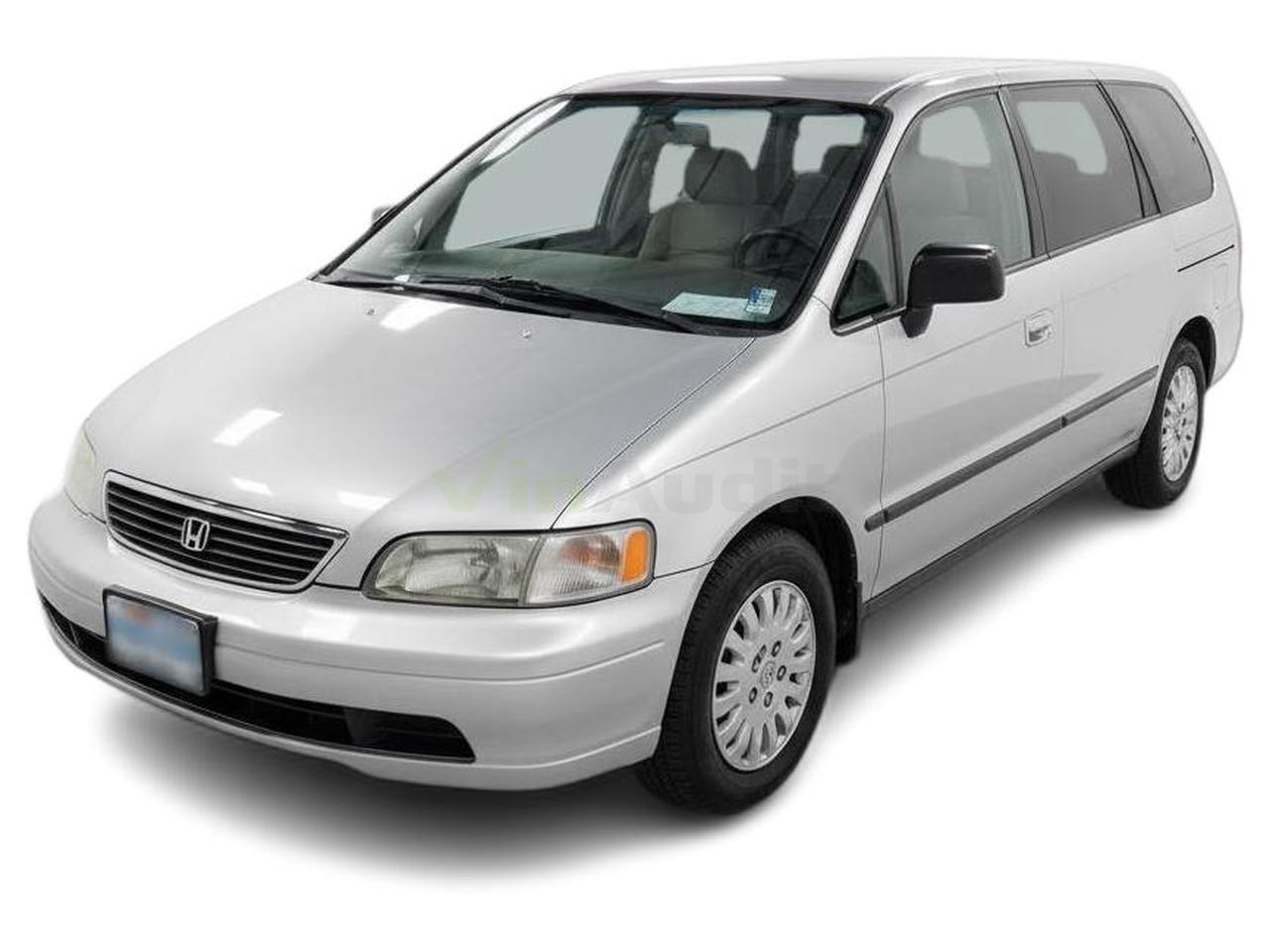
1995 Honda Odyssey Overview, Reviews, Ratings & Specs

Rating: 0.00
Based on 0 Owner Reviews
Cathleen V | December 23, 2025
The 1995 Honda Odyssey marked Honda's entry into the minivan segment, initially produced from 1994 to 1998. This first-generation model offered a car-like driving experience in a versatile minivan body style. Key trims included the LX and EX. It stood out for its excellent handling and refined interior, appealing to buyers seeking a more car-like minivan.
The Good

The 1995 Odyssey shines with its nimble handling, legendary Honda reliability, and comfortable, well-appointed interior. Its practical design offers ample space for families, while its efficient engine provides good fuel economy, delivering strong value for money and peace of mind.

The Bad

Potential buyers should be aware of common issues like transmission problems, particularly in higher-mileage models. Exhaust system corrosion, power steering leaks, and occasional electrical gremlins are also points to watch out for.

1995 Honda Odyssey: Quick Overview

  • Engine Options: The 1995 Honda Odyssey came standard with a 2.2-liter inline 4-cylinder engine.
  • Horsepower: This engine produced approximately 140 horsepower.
  • Fuel Economy: Estimated EPA ratings were around 18 MPG city and 24 MPG highway.
  • 0-60 Times: Acceleration from 0 to 60 mph was typically in the 10-11 second range, which was competitive for its class at the time.
  • Towing Capacity: The 1995 Odyssey was not designed for significant towing and typically had a very limited or no official towing capacity. It was primarily a passenger vehicle.
  • Trim-Level Features:
    • LX Trim: This base model typically included power windows, power door locks, air conditioning, cruise control, and an AM/FM stereo with cassette player. It featured seating for seven passengers.
    • EX Trim: The higher EX trim added features such as a power driver's seat, a power moonroof, alloy wheels, and upgraded interior trim. It also retained the seven-passenger seating configuration.
    • Other Features: Both trims benefited from Honda's reputation for ergonomic interior design, with a focus on driver comfort and practicality. Features like folding rear seats enhanced cargo versatility. The suspension was tuned for a more car-like ride than many traditional minivans.

1995 Honda Odyssey Specifications

Vehicle Information
Year 1995
Make Honda
Model Odyssey
Trim -
Style -
Type Sport Utility Vehicle Van
Category Cargo Van
Manufacturing Details
Made In Japan
Manufacturing City SAYAMA
Dimensions
Doors 5-Door
Curb Weight -
Gross Vehicle Weight Rating -
Overall Height -
Overall Length -
Overall Width -
Wheelbase Length -
Standard Seating -
Engine & Performance
Engine 2.2 L 4-Cyl.
Engine Size 2.2L
Engine Cylinders 4
Transmission -
Transmission Type Automatic
Transmission Speeds -
Drivetrain Front-Wheel Drive
Additional Features
Anti-Brake System -
Steering Type -
Pricing
Manufacturer Suggested Retail Price (MSRP) -
Invoice Price -
Delivery Charges -

Vehicle History Report

Vehicle
Specifications
Ownership
History
All History
Events
NMVTIS Title
History Check
Salvage/Rebuilt
Check
Accident
Check
Theft
Check
Open Lien
Check
Past Sale
Listings
Safety
Recalls
Odometer
Check
Market Price
Analysis

What Problems Does the 1995 Honda Odyssey Have?

The 1995 Honda Odyssey, while generally well-regarded for reliability, is not without its common issues, especially given its age. The most frequently reported problem revolves around the automatic transmission. These transmissions could be prone to premature failure, especially if not properly maintained or if the vehicle was driven aggressively or used for towing beyond its capacity. Symptoms often include slipping gears, delayed shifting, or complete loss of drive. Regular fluid changes are crucial, but even with diligent maintenance, some transmissions may still require rebuilding or replacement. Another area of concern is the exhaust system, which can be susceptible to rust and corrosion, particularly in areas with harsh winters and road salt. This can lead to leaks and eventual replacement needs. The power steering system can also develop leaks over time, often from the pump or hoses, resulting in noticeable noise or fluid loss. Some owners have reported intermittent electrical issues, such as problems with the power windows, door locks, or the instrument cluster. While there haven't been widespread recalls specific to major component failures on the 1995 model, it is always advisable to check for any outstanding recalls with the NHTSA. Long-term reliability is largely dependent on how well the vehicle has been maintained. Vehicles with a documented history of regular oil changes, transmission fluid flushes, and prompt attention to minor issues tend to fare much better. However, the age of the vehicle means that components are naturally going to wear out, and owners should be prepared for potential repairs related to suspension, brakes, and aging rubber components.

How long will the 1995 Honda Odyssey last?

Based on owner data and typical maintenance habits, a well-maintained 1995 Honda Odyssey can realistically achieve between 200,000 and 250,000 miles. Some owners have reported even higher mileage, often with significant component replacements along the way. The long-term durability of the Odyssey is a testament to Honda's engineering, particularly its engine and chassis. However, the primary weakness that can limit its lifespan is the automatic transmission, which, as mentioned, can require costly repairs or replacement around the 150,000-mile mark if not meticulously cared for. Other areas that might see wear over time include suspension components, such as shocks and bushings, and aging rubber seals and hoses. Regular fluid changes and proactive maintenance are key to extending its service life and mitigating these potential weaknesses.

What Technology & Safety Features are Included?

The 1995 Honda Odyssey, being from the mid-90s, offered a relatively modest suite of technology and safety features compared to today's standards. Standard tech included an AM/FM stereo with a cassette player, and for the EX trim, power windows and power door locks were common. An optional power moonroof was available on the EX model. Climate control was typically manual. There were no advanced driver-assistance features available, as these were not common in vehicles of this era. Safety was primarily addressed through passive systems. Standard safety equipment included front airbags for the driver and front passenger, anti-lock braking system (ABS) was often standard or available, especially on higher trims, and seatbelts with pretensioners. Side-impact door beams were also incorporated for occupant protection. Crash-test ratings for the 1995 model are less detailed by today's standards. However, the Insurance Institute for Highway Safety (IIHS) and the National Highway Traffic Safety Administration (NHTSA) conducted tests. While specific ratings are not as readily available as for modern vehicles, the Odyssey was generally considered a safe vehicle for its time, with Honda prioritizing structural integrity and occupant protection. It's important to note that the safety technology of the 1990s, while adequate for its time, does not match the advanced active and passive safety systems found in contemporary vehicles. The focus was on airbags, robust body construction, and effective braking systems.

What Colors Options are Available?

We’re working on this section!
In the meantime, feel free to explore the other sections for more content.

1995 Honda Odyssey Prices and Market Value

When new, the 1995 Honda Odyssey had an MSRP that typically ranged from around $20,000 for the LX trim to just over $23,000 for the EX trim. As a vehicle from the mid-90s, it has undergone significant depreciation. Current used market prices for a 1995 Honda Odyssey can vary widely, generally falling between $1,500 and $4,000, depending heavily on mileage, condition, maintenance history, and geographical location. Well-maintained examples with lower mileage can command higher prices. Factors affecting resale value include the infamous transmission reliability; vehicles with a history of transmission issues will be worth significantly less. Overall, it depreciates considerably, as with most vehicles of this age, but its Honda reputation for reliability can help it retain some value, especially for pristine, low-mileage examples.

1995 Honda Odyssey Cost of Ownership

The 1995 Honda Odyssey is generally economical to own. Insurance premiums are typically low due to its age and market value. Fuel costs are moderate, with its 4-cylinder engine offering decent MPG. Routine maintenance is relatively affordable, with parts readily available. However, potential repair costs can be a factor, primarily due to the automatic transmission, which can be a significant expense if it fails. Other repairs, like exhaust work or suspension components, are in line with typical vehicle maintenance. Overall, when factoring in its low purchase price and good fuel economy, it remains an economical choice, provided major repairs like the transmission can be avoided or are manageable.

1995 Honda Odyssey Fuel Efficiency

Fuel Type Gasoline
Fuel Capacity -
City Mileage -
Highway Mileage -

1995 Honda Odyssey Safety Rating

NHTSA
Overall Rating Not Tested
Overall Frontal Star Rating Not Tested
Side Overall Star Rating Not Tested
Overall Rollover Star Rating Not Tested
Combined Front Seat Rating Not Tested
Combined Rear Seat Rating Not Tested
Overall Frontal Star Rating Not Tested
Frontal Barrier Star Ratings Not Tested
Side Barrier Star Ratings Not Tested
Rollover Resistance Star Rating Not Tested

1995 Honda Odyssey Insurance

Insurance for a 1995 Honda Odyssey is moderately priced, reflecting its status as a Sport Utility Vehicle Van with strong safety ratings and
reasonable repair costs.

How Does the 1995 Honda Odyssey Compare to Other Sport Utility Vehicle Van?

The 1995 Honda Odyssey entered a competitive minivan market dominated by rivals like the Toyota Previa, Ford Windstar, and Chrysler Town & Country. In terms of performance, the Odyssey's 2.2L engine offered adequate power, but it was often outpaced by larger engines in some rivals. Its standout performance feature was its car-like handling and refined ride, which was a significant advantage over more truck-like competitors. Features in the 1995 Odyssey were competitive for its time, with power accessories and available luxury options like a power moonroof on the EX. However, rivals like Chrysler often offered more advanced features like power sliding doors (though not yet standard). Reliability is where the Odyssey truly shone, often surpassing its peers. While the transmission could be a weak point, the powertrain and chassis were generally very durable, a hallmark of Honda's reputation. The Previa was known for its unique mid-engine layout and excellent reliability but had less interior space. The Windstar and Town & Country offered more power and space but were often criticized for build quality and reliability issues compared to Japanese counterparts. The 1995 Odyssey offered a compelling blend of reliability, comfort, and a pleasant driving experience at a competitive price point, especially when compared to the long-term ownership costs of some American rivals.

Alternatives:
  • Toyota Previa (1990-1997): Similar reliability reputation, unique styling, but can be less spacious and has a quirky driving position.
  • Toyota Sienna (1998-2003): A more direct successor to the Previa, offering more conventional packaging and improved space, though slightly newer.
  • Dodge Caravan/Plymouth Voyager/Chrysler Town & Country (1996-2000): These offered more power and optional features like power sliding doors but generally lagged in long-term reliability compared to the Odyssey.

Final Verdict: Is the 1995 Honda Odyssey a Good Sport Utility Vehicle Van?

The 1995 Honda Odyssey is ideal for budget-conscious families or individuals seeking a reliable and comfortable mode of transportation with practical minivan space, who are willing to perform diligent pre-purchase inspections. It's worth buying if found in good condition with a documented maintenance history, especially for the transmission. Given its age, buying new is impossible; focus on the used market. The EX trim offers desirable upgrades, but the LX is also a solid choice. Conditions to watch out for include signs of transmission trouble, rust, and overall maintenance records. For those who prioritize long-term reliability and a more car-like driving experience over cutting-edge features, and are prepared for potential age-related repairs, the 1995 Odyssey remains a sensible, albeit old, choice.

1995 Honda Odyssey Owner Reviews

0.00
Consumer Rating, Based on 0 Consumer Reviews
Overall rating
Cancel
Thank You for Your Review!

We truly appreciate the time and effort you took to share your experience with us.

Uh oh!

Something went wrong, please try again later.

Author Image
Cathleen V

Cathleen is an exceptional freelance writer covering hot topics in the automotive world from a gearhead's perspective. Her articles delve into various aspects of automotive technology and history, offering readers detailed insights into engine performance, reliability, and maintenance. Through her engaging and informative writing, Cathleen provides valuable information to automotive enthusiasts and consumers alike, helping them make informed decisions about vehicle maintenance and purchases.
