
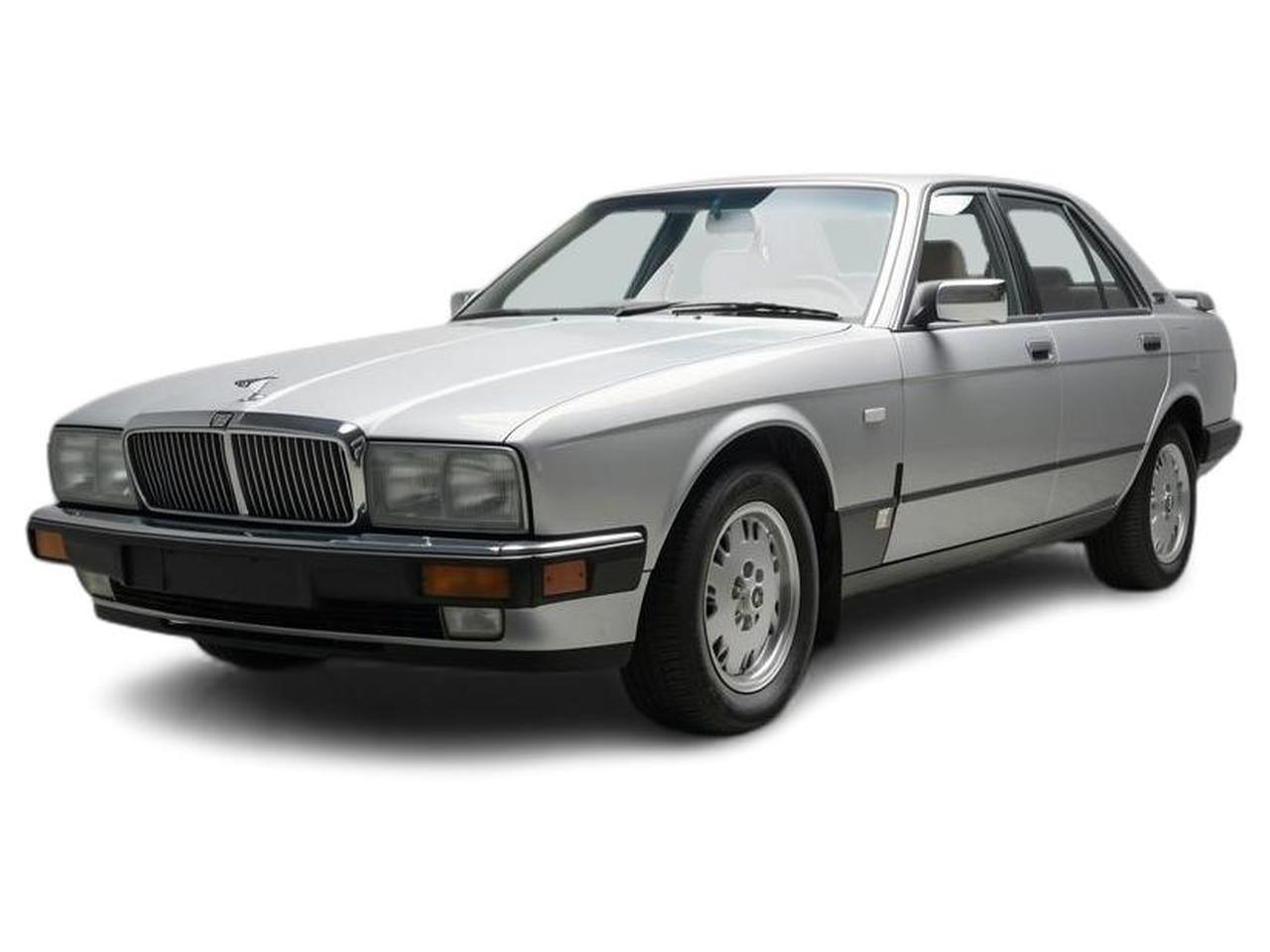
The 1994 Jaguar XJ6, part of the XJ40 generation (1986-1994), is a luxury sedan celebrated for its quintessential British elegance. This rear-wheel-drive saloon embodied a classic design with a long wheelbase, offering a stately presence. While specific trims varied, the core XJ6 model was the mainstay. New, it commanded a premium price, reflecting its luxury positioning. It stands out for its timeless styling and the refined driving experience it offers, making it a desirable classic.
The Good
The 1994 Jaguar XJ6 offers a compelling blend of potent inline-six performance and unparalleled ride comfort. Its iconic, sophisticated design appeals to the heart, while its robust engineering provides a sense of security and a decent long-term value proposition for the discerning owner.
The Bad
Potential buyers of a 1994 Jaguar XJ6 should be aware of electrical gremlins, particularly concerning the complex wiring harness. Rust, especially in the wheel arches and sills, is a significant concern. Overheating issues can also arise if the cooling system isn't meticulously maintained.
1994 Jaguar XJ6: Quick Overview
- Engine Options: The primary engine for the 1994 Jaguar XJ6 was the 4.0-liter AJ6 inline-six engine.
- Horsepower: This engine typically produced around 220 horsepower.
- Fuel Economy: Expect fuel economy in the range of 16-18 MPG city and 22-25 MPG highway, though this can vary significantly with driving style and maintenance.
- 0-60 Times: Acceleration from 0-60 mph was generally in the 7.5 to 8.5 second range, offering respectable performance for its era and class.
- Towing Capacity: The Jaguar XJ6 was not designed for towing, and therefore, towing capacity is not applicable.
- Key Trim-Level Features: As a luxury sedan, the XJ6 came well-equipped. Standard features for 1994 models typically included:
- Leather upholstery
- Wood interior trim
- Automatic climate control
- Power-adjustable front seats
- Power windows and door locks
- Cruise control
- Anti-lock braking system (ABS)
- Driver and passenger airbags
- Premium sound system (often with cassette player)
- Alloy wheels
- Headlight washers and wipers
1994 Jaguar XJ6 Specifications
Vehicle Information
| Year | 1994 |
| Make | Jaguar |
| Model | XJ6 |
| Trim | - |
| Style | - |
| Type | Sedan |
| Category | Compact Car |
Manufacturing Details
| Made In | United Kingdom |
| Manufacturing City | BROWNS LANE |
Dimensions
| Doors | 4-Door |
| Curb Weight | 4075 pounds |
| Gross Vehicle Weight Rating | - |
| Overall Height | 53.10 inches |
| Overall Length | 196.40 inches |
| Overall Width | 79.30 inches |
| Wheelbase Length | 113.00 inches |
| Standard Seating | 5 |
Engine & Performance
| Engine | 4L I6 |
| Engine Size | 4L |
| Engine Cylinders | 6 |
| Transmission | 4-Speed Automatic |
| Transmission Type | Automatic |
| Transmission Speeds | 4-Speed |
| Drivetrain | Rear-Wheel Drive |
Additional Features
| Anti-Brake System | 4-Wheel ABS |
| Steering Type | Rack & Pinion |
Pricing
| Manufacturer Suggested Retail Price (MSRP) | $51,750 |
| Invoice Price | - |
| Delivery Charges | - |
Vehicle History Report
Vehicle
Specifications
Specifications
Ownership
History
History
All History
Events
Events
NMVTIS Title
History Check
History Check
Salvage/Rebuilt
Check
Check
Accident
Check
Check
Theft
Check
Check
Open Lien
Check
Check
Past Sale
Listings
Listings
Safety
Recalls
Recalls
Odometer
Check
Check
Market Price
Analysis
Analysis
What Problems Does the 1994 Jaguar XJ6 Have?
The 1994 Jaguar XJ6, like many vehicles of its era, has a known set of common issues that prospective buyers should be aware of. One of the most frequently cited problems revolves around the vehicle's electrical system. The complex wiring harness can degrade over time, leading to intermittent failures of various components, including the dashboard lights, power windows, and even engine management systems. Water ingress into the engine bay, particularly around the distributor and ignition coil, can cause misfires and starting problems.
Cooling system issues are another persistent concern. Overheating can occur due to worn water pumps, clogged radiators, or faulty thermostat housings. The aluminum components of the cooling system are prone to corrosion, necessitating regular inspection and maintenance.
Rust is a significant long-term reliability concern, especially in areas with harsh climates or where de-icing salts are used. Common rust spots include the wheel arches, rocker panels, sills, and the underside of the vehicle. Thorough inspection for rust is crucial before purchasing.
The automatic transmission, while generally robust, can develop issues with harsh shifting or slipping if not properly maintained. Regular fluid changes are essential.
While specific recalls for the 1994 model year are not extensive, general maintenance and addressing these common issues proactively are key to long-term reliability. Owners often report that while these cars can be a joy to drive when in good condition, they require diligent maintenance and a willingness to address potential problems. The complexity of some repairs can also mean higher labor costs at specialized shops.
Cooling system issues are another persistent concern. Overheating can occur due to worn water pumps, clogged radiators, or faulty thermostat housings. The aluminum components of the cooling system are prone to corrosion, necessitating regular inspection and maintenance.
Rust is a significant long-term reliability concern, especially in areas with harsh climates or where de-icing salts are used. Common rust spots include the wheel arches, rocker panels, sills, and the underside of the vehicle. Thorough inspection for rust is crucial before purchasing.
The automatic transmission, while generally robust, can develop issues with harsh shifting or slipping if not properly maintained. Regular fluid changes are essential.
While specific recalls for the 1994 model year are not extensive, general maintenance and addressing these common issues proactively are key to long-term reliability. Owners often report that while these cars can be a joy to drive when in good condition, they require diligent maintenance and a willingness to address potential problems. The complexity of some repairs can also mean higher labor costs at specialized shops.
How long will the 1994 Jaguar XJ6 last?
Based on owner data and typical maintenance habits, a well-maintained 1994 Jaguar XJ6 can comfortably achieve 150,000 to 200,000 miles, and in some cases, even more. The longevity of the AJ6 inline-six engine is commendable, often proving to be quite durable. However, its long-term durability is heavily reliant on consistent and proactive maintenance. Weaknesses tend to emerge in the electrical systems and cooling components over time, often requiring attention around the 100,000-mile mark or beyond. Rust also plays a significant role in determining the overall lifespan, particularly for vehicles exposed to corrosive environments. Regular servicing, addressing minor issues before they escalate, and protecting the bodywork from corrosion are paramount for maximizing its service life.
What Technology & Safety Features are Included?
The 1994 Jaguar XJ6 offered a good array of technology and safety features for its time, focusing on luxury and driver comfort.
Built-in Tech and Entertainment: Standard entertainment typically included a premium AM/FM stereo system with a cassette player. While not as sophisticated as modern infotainment, these systems delivered respectable audio quality for the era. A power antenna was also a common feature. The climate control system was an automatic unit, allowing for precise temperature management, which was considered high-tech at the time. Power windows, door locks, and mirrors were standard.
Driver-Assistance Features: The primary driver-assistance feature was the Anti-lock Braking System (ABS), which improved braking control and stability, especially in emergency situations. Cruise control was also a standard convenience feature, making highway driving more relaxed.
Safety Features: In terms of safety, the 1994 XJ6 was equipped with driver and front passenger airbags, a significant advancement for the early to mid-1990s. The robust unibody construction also contributed to its safety profile. Seatbelt pretensioners were also likely included to enhance occupant restraint during a collision.
Optional Features: Optional features could have included a sunroof, offering an open-air feel, and heated front seats for enhanced comfort during colder months. Some higher-spec versions might have featured a more advanced sound system with more speakers.
Crash-Test Ratings: Specific, detailed crash-test ratings for the 1994 Jaguar XJ6 from agencies like the NHTSA or IIHS are not readily available in the same comprehensive format as modern vehicles. However, vehicles of this class and era generally performed adequately in frontal and side-impact tests for their time, with Jaguar emphasizing structural integrity and occupant protection through its design.
Built-in Tech and Entertainment: Standard entertainment typically included a premium AM/FM stereo system with a cassette player. While not as sophisticated as modern infotainment, these systems delivered respectable audio quality for the era. A power antenna was also a common feature. The climate control system was an automatic unit, allowing for precise temperature management, which was considered high-tech at the time. Power windows, door locks, and mirrors were standard.
Driver-Assistance Features: The primary driver-assistance feature was the Anti-lock Braking System (ABS), which improved braking control and stability, especially in emergency situations. Cruise control was also a standard convenience feature, making highway driving more relaxed.
Safety Features: In terms of safety, the 1994 XJ6 was equipped with driver and front passenger airbags, a significant advancement for the early to mid-1990s. The robust unibody construction also contributed to its safety profile. Seatbelt pretensioners were also likely included to enhance occupant restraint during a collision.
Optional Features: Optional features could have included a sunroof, offering an open-air feel, and heated front seats for enhanced comfort during colder months. Some higher-spec versions might have featured a more advanced sound system with more speakers.
Crash-Test Ratings: Specific, detailed crash-test ratings for the 1994 Jaguar XJ6 from agencies like the NHTSA or IIHS are not readily available in the same comprehensive format as modern vehicles. However, vehicles of this class and era generally performed adequately in frontal and side-impact tests for their time, with Jaguar emphasizing structural integrity and occupant protection through its design.
What Colors Options are Available?
1994 Jaguar XJ6 Prices and Market Value
When new, the 1994 Jaguar XJ6 carried a luxury price tag, typically ranging from approximately $40,000 to $50,000, depending on options and specific trim. Like most luxury vehicles, it experienced significant depreciation in its early years.
Currently, the used market prices for a 1994 XJ6 vary widely based on condition, mileage, and maintenance history. Well-maintained examples in excellent condition can fetch anywhere from $5,000 to $15,000, while project cars or those with higher mileage may be found for under $3,000. Factors significantly affecting resale value include the presence of rust, documented service history, originality of parts, and overall cosmetic and mechanical condition. A car with a comprehensive service record and minimal signs of wear and tear will command a much higher price.
1994 Jaguar XJ6 Cost of Ownership
Owning a 1994 Jaguar XJ6 is generally considered costly rather than economical. Insurance premiums can be higher due to its luxury status and parts availability. Fuel consumption, while not exorbitant for its engine size, is also a factor, averaging around 18-20 MPG combined. Maintenance costs are moderate to high, as specialized parts and skilled labor are often required. Repairs can be particularly expensive due to the complexity of its systems and the rarity of some components, making it a car for enthusiasts who are prepared for the financial commitment.
1994 Jaguar XJ6 Fuel Efficiency
Fuel Type
Gasoline
Fuel Capacity
23.20 gallons
City Mileage
17 miles/gallon
Highway Mileage
24 miles/gallon
1994 Jaguar XJ6 Safety Rating
NHTSA
IIHS
1994 Jaguar XJ6 Recalls & Defects
Fuel System, Gasoline
Recall date
2006-05-19
Recall no.
06e043000
Source
NHTSA
Summary
Certain Replacement Fuel Filters, Fram Brand Name P/N G3727, With Date Codes X52911 Through X60801 Sequentially or X600141 and A Mexico Country or Origin Marking ON THE Fuel Filter Housing Manufactured From October 18, 2005, Through March 21, 2006, Sold FOR USE ON THE Vehicles Listed Above and ON Certain School Buses. (TO SEE THE School Bus Engine Sizes, Click ON "document Search" and Then "bus Applications"). THE Connector ON THE Fuel Filter WAS NOT Manufactured TO Honeywell's Specification. AS A Result, THE O-Ring MAY NOT Seat Correctly ON THE Fuel Line.
Consequence
This Condition MAY Cause AN Inadequate Seal AT THE Connection, Potentially Leading TO A Fuel Leak. IN THE Presence OF AN Ignition Source, A Fire Could Occur.
Remedy
Honeywell Will Notify Owners and Replace THE Fuel Filters Free OF Charge. THE Recall Began ON October 18, 2006. Owners MAY Contact Fram Customer Service AT 1-800-890-2075 (Option 1).
Notes
This Recall Only Pertains TO Aftermarket Fram Fuel Filters and HAS NO Relation TO ANY Original Equipment Installed ON THE Vehicles Listed.customers MAY Contact THE National Highway Traffic Safety Administration's Vehicle Safety Hotline AT 1-888-327-4236 (Tty: 1-800-424-9153); or GO TO Http://Www.safercar.gov.
1994 Jaguar XJ6 Warranty
Basic
Original warranty
0 months / No data
Estimated remaining
Expired
Powertrain
Original warranty
0 months / No data
Estimated remaining
Expired
Rust
Original warranty
0 months / No data
Estimated remaining
Expired
1994 Jaguar XJ6 Insurance
Insurance for a 1994 Jaguar XJ6 is moderately priced, reflecting its status as a Sedan with strong safety ratings and
reasonable repair costs.
How Does the 1994 Jaguar XJ6 Compare to Other Sedan?
The 1994 Jaguar XJ6 competed in the luxury sedan segment against formidable rivals like the BMW 5 Series (E34), Mercedes-Benz E-Class (W124), and Lexus LS 400.
Performance: The XJ6's 4.0-liter inline-six offered smooth power delivery and a refined ride, often excelling in grand touring comfort. Competitors like the BMW 5 Series often provided a sportier, more engaging driving dynamic, while the Lexus LS 400 focused on quiet, effortless performance.
Features: Jaguar's XJ6 was well-appointed with leather, wood trim, and automatic climate control, projecting an image of classic British luxury. However, German rivals like Mercedes-Benz and BMW were often at the forefront of technological features and driver-assistance systems. The Lexus LS 400 set a new benchmark for cabin quietness and build quality.
Reliability: This is where the XJ6 faced its greatest challenge. While the engine could be reliable, the XJ6 was often perceived as less reliable than its German and Japanese counterparts. The BMW 5 Series and especially the Lexus LS 400 gained reputations for superior long-term durability and fewer electrical gremlins, making them more practical choices for buyers prioritizing trouble-free ownership.
Price: When new, all these vehicles were in a similar premium price bracket. In the used market, the Jaguar XJ6 often represents a more accessible entry point into luxury motoring due to its higher depreciation.
Recommendations: For buyers prioritizing ultimate reliability and a more modern technological experience, the Lexus LS 400 is an excellent alternative. If a more engaging driving experience is desired, the BMW 5 Series (E34) is a strong contender. However, for those who appreciate classic styling, a refined ride, and the charm of British luxury, and are willing to accept potentially higher maintenance costs, the 1994 Jaguar XJ6 remains a compelling choice. It offers a distinct character that its rivals often lack.
Performance: The XJ6's 4.0-liter inline-six offered smooth power delivery and a refined ride, often excelling in grand touring comfort. Competitors like the BMW 5 Series often provided a sportier, more engaging driving dynamic, while the Lexus LS 400 focused on quiet, effortless performance.
Features: Jaguar's XJ6 was well-appointed with leather, wood trim, and automatic climate control, projecting an image of classic British luxury. However, German rivals like Mercedes-Benz and BMW were often at the forefront of technological features and driver-assistance systems. The Lexus LS 400 set a new benchmark for cabin quietness and build quality.
Reliability: This is where the XJ6 faced its greatest challenge. While the engine could be reliable, the XJ6 was often perceived as less reliable than its German and Japanese counterparts. The BMW 5 Series and especially the Lexus LS 400 gained reputations for superior long-term durability and fewer electrical gremlins, making them more practical choices for buyers prioritizing trouble-free ownership.
Price: When new, all these vehicles were in a similar premium price bracket. In the used market, the Jaguar XJ6 often represents a more accessible entry point into luxury motoring due to its higher depreciation.
Recommendations: For buyers prioritizing ultimate reliability and a more modern technological experience, the Lexus LS 400 is an excellent alternative. If a more engaging driving experience is desired, the BMW 5 Series (E34) is a strong contender. However, for those who appreciate classic styling, a refined ride, and the charm of British luxury, and are willing to accept potentially higher maintenance costs, the 1994 Jaguar XJ6 remains a compelling choice. It offers a distinct character that its rivals often lack.
Final Verdict: Is the 1994 Jaguar XJ6 a Good Sedan?
The 1994 Jaguar XJ6 is ideal for the discerning enthusiast who appreciates classic British luxury, sophisticated styling, and a comfortable, refined driving experience. It's worth buying for those seeking a head-turning classic that offers more character than many modern sedans, provided they have a realistic understanding of its potential maintenance needs.
It is overwhelmingly a used car purchase; new examples are non-existent. This vehicle is best bought as a well-maintained example with documented service history, ideally from a specialist or a previous owner who treated it with care. Buyers should be prepared for potentially higher repair costs compared to more mainstream vehicles and have access to a reliable mechanic familiar with Jaguars. It is not recommended for those seeking a low-maintenance, daily driver without a passion for classic cars.
