
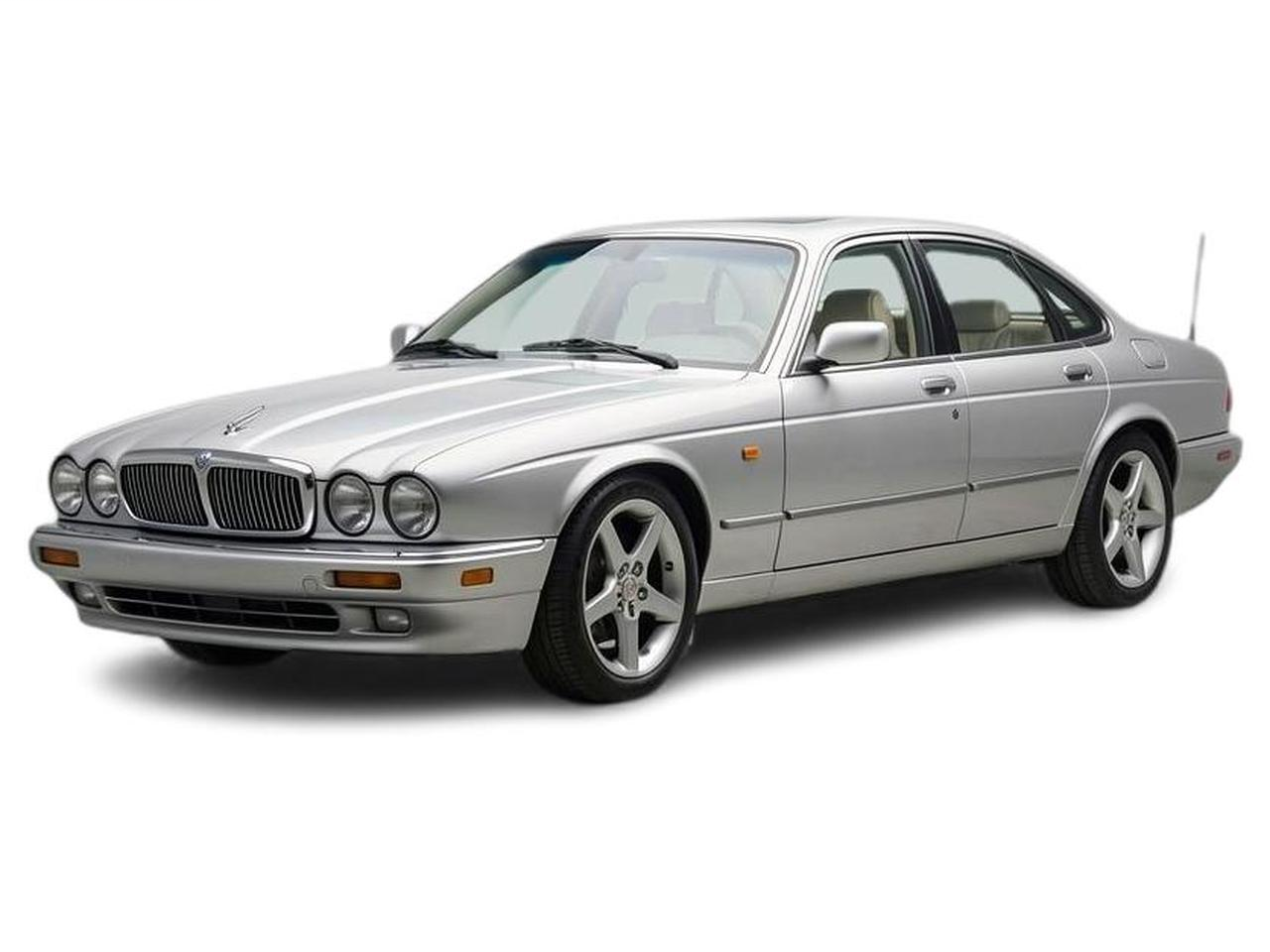
The Good
The 1996 XJ6 offers a sublime ride with its smooth inline-six engine and refined suspension, providing exceptional comfort. Its classic, elegant design is a timeless draw, while the spirited performance appeals to driving enthusiasts. For practical buyers, its robust build for its era and potential for value retention make it an appealing choice.
The Bad
Potential buyers should be aware of electrical gremlins, particularly with aging wiring and components. Cooling system issues, such as radiator leaks and head gasket failures, are also common. Rust, especially in the sills and wheel arches, can be a significant concern, demanding thorough inspection.
1996 Jaguar XJ6: Quick Overview
- Engine Options: The 1996 Jaguar XJ6 exclusively featured a 4.0-liter inline-six engine.
- Horsepower: This engine produced approximately 245 horsepower at 4,750 rpm.
- Torque: Peak torque was around 284 lb-ft at 4,000 rpm.
- Fuel Economy: EPA estimates for the 1996 XJ6 were typically around 16 mpg city and 23 mpg highway. Real-world mileage often varied depending on driving conditions and maintenance.
- 0-60 Times: Acceleration figures for the 1996 XJ6 were generally in the range of 7.0 to 7.5 seconds, offering respectable performance for its class.
- Towing Capacity: The 1996 Jaguar XJ6 was not designed or equipped for towing, and therefore, has no official towing capacity.
- Transmission: It came standard with a 4-speed automatic transmission.
- Trim-Level Features (XJ6): The XJ6 trim was the standard offering and came equipped with a high level of luxury. Key features included:
- Leather upholstery
- Burled walnut interior trim
- Automatic climate control
- Power-adjustable front seats with memory function
- Power windows, locks, and mirrors
- Cruise control
- Premium sound system with CD player
- Anti-lock braking system (ABS)
- Driver and front passenger airbags
- Traction control system
- Alloy wheels
- Automatic headlights
- Wood-rimmed steering wheel
1996 Jaguar XJ6 Specifications
Vehicle Information
| Year | 1996 |
| Make | Jaguar |
| Model | XJ6 |
| Trim | - |
| Style | Base Sedan RWD 4AT 4.0L V6 |
| Type | Sedan |
| Category | passenger |
Manufacturing Details
| Made In | United Kingdom |
| Manufacturing City | BROWNS LANE |
Dimensions
| Doors | 4-Door |
| Curb Weight | 3600 pounds |
| Gross Vehicle Weight Rating | - |
| Overall Height | 56.5 inches |
| Overall Length | 196.5 inches |
| Overall Width | 71.5 inches |
| Wheelbase Length | 113 inches |
| Standard Seating | 5 |
Engine & Performance
| Engine | 4L V6 |
| Engine Size | 4L |
| Engine Cylinders | 6 |
| Transmission | 4-Speed Automatic |
| Transmission Type | Automatic |
| Transmission Speeds | 4-Speed |
| Drivetrain | Rear-Wheel Drive |
Additional Features
| Anti-Brake System | 4-Wheel ABS |
| Steering Type | Rack & Pinion |
Pricing
| Manufacturer Suggested Retail Price (MSRP) | $54,900 |
| Invoice Price | $50,000 |
| Delivery Charges | $750 |
Vehicle History Report
Specifications
History
Events
History Check
Check
Check
Check
Check
Listings
Recalls
Check
Analysis
What Problems Does the 1996 Jaguar XJ6 Have?
Rust is a significant long-term concern, especially in humid climates or areas where road salt is used. The lower body panels, sills, rocker panels, and wheel arches are particularly vulnerable. Thorough inspection for rust is paramount before purchasing. While there were no major recalls that significantly impacted the reliability of the 1996 model specifically, Jaguar vehicles of this era generally required more proactive and specialized maintenance compared to some of their German or American counterparts. Long-term reliability is heavily dependent on the owner's commitment to regular, high-quality maintenance. Neglect can exacerbate existing issues and lead to a cascade of problems. For example, fluid changes for the automatic transmission are crucial to prevent premature wear. While the inline-six engine itself is generally robust, its ancillary systems are where most potential issues lie. The X300 generation (which includes the 1996 XJ6) is often considered more reliable than some preceding Jaguar models, but it still demands a discerning owner willing to invest in its upkeep.
How long will the 1996 Jaguar XJ6 last?
What Technology & Safety Features are Included?
In terms of driver assistance, the XJ6 came equipped with a standard traction control system (TCS) designed to help prevent wheelspin during acceleration, particularly on slippery surfaces. Anti-lock braking system (ABS) was also standard, enhancing braking control and stability during emergency stops.
Safety was addressed with standard driver and front passenger airbags. The robust chassis construction of the XJ6 provided a solid safety cell. However, it's important to note that modern driver-assistance technologies like adaptive cruise control, lane departure warning, or blind-spot monitoring were not available on this model.
Crash-test ratings for vehicles from this era are not directly comparable to the rigorous testing standards of today's NHTSA or IIHS. However, the XJ6 was built to meet the safety regulations of its time, featuring a strong unibody structure, crumple zones, and side-impact beams. Its substantial weight also contributed to its passive safety in collisions. Optional features could include things like a power sunroof, premium leather seating upgrades, and enhanced sound system packages, further personalizing the luxury experience.
What Colors Options are Available?
1996 Jaguar XJ6 Prices and Market Value
1996 Jaguar XJ6 Cost of Ownership
1996 Jaguar XJ6 Fuel Efficiency
1996 Jaguar XJ6 Recalls & Defects
1996 Jaguar XJ6 Insurance
reasonable repair costs.
How Does the 1996 Jaguar XJ6 Compare to Other Sedan?
Performance: The XJ6's 4.0-liter inline-six offered smooth, refined power, delivering around 245 horsepower for respectable acceleration. In comparison, the BMW 5 Series (e.g., 528i) often provided sharper handling and more engaging driving dynamics, while the Mercedes-Benz E-Class offered robust performance with a focus on comfort and durability. The Lexus LS 400 was renowned for its exceptionally smooth V8 engine and quiet ride, prioritizing effortless cruising.
Features: Jaguar excelled in offering opulent interiors with rich wood trim and supple leather as standard. The XJ6 was well-equipped for its era, featuring automatic climate control and power amenities. BMW and Mercedes typically offered more advanced technology options and a wider range of customization. The Lexus LS 400 also boasted a high level of standard luxury and refinement.
Reliability: This is where the XJ6 historically lagged behind its German and Japanese competitors. While the inline-six engine itself is generally solid, the XJ6 was more prone to electrical gremlins and cooling system issues than the typically bulletproof BMWs and remarkably reliable Lexus LS 400. The Mercedes-Benz E-Class offered a good balance of luxury and durability, though certain models could also present their own set of repair challenges.
Price: The XJ6 was generally priced competitively within the luxury segment. However, its long-term ownership costs, especially regarding potential repairs, could exceed those of its rivals.
Alternatives: For buyers prioritizing bulletproof reliability and lower long-term ownership costs, the Lexus LS 400 (1995-1997) is a superb alternative, offering similar levels of luxury and a smoother ride with significantly fewer reliability concerns. For those seeking a more engaging driving experience with comparable luxury, a BMW 5 Series (E39 generation, 1997-2003) would be a strong contender, though potentially with higher maintenance needs. A Mercedes-Benz E-Class (W210, 1996-2003) offers a blend of comfort, safety, and a more robust mechanical feel, though still requiring diligent maintenance.
Final Verdict: Is the 1996 Jaguar XJ6 a Good Sedan?

Jovan
Jovan specializes in interpreting vehicle records and making sense of VIN data. With over 10 years of experience in the automotive data industry, his work ensures that every report is clear, accurate, and useful for car buyers.