
by VIN, Year, Make, Model by License Plate

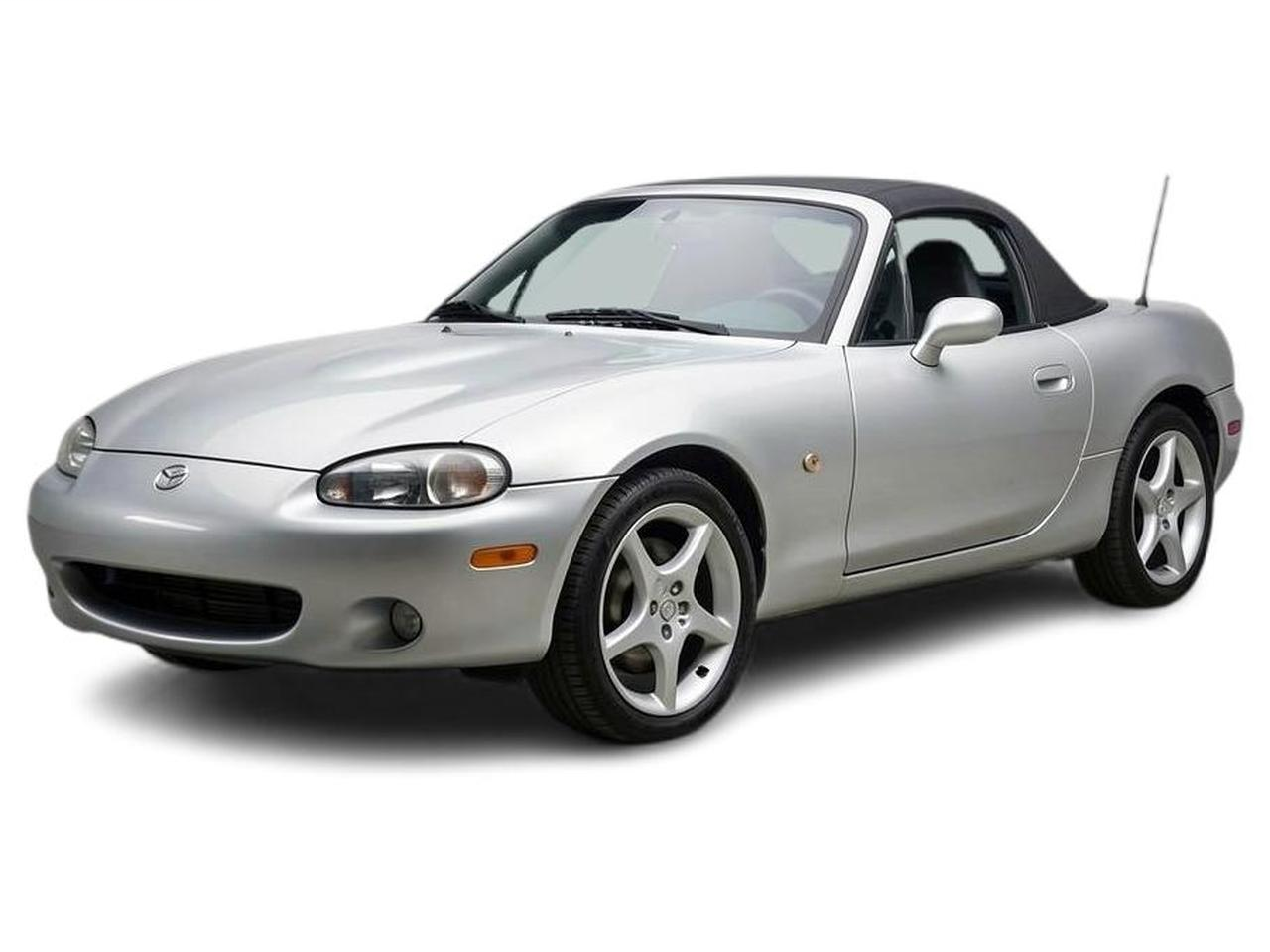
2003 Mazda MX-5 Overview, Reviews, Ratings & Specs

Rating: 0.00
Based on 0 Owner Reviews
Simon A | July 16, 2026
The 2003 Mazda MX-5 Miata, part of the NB generation (1998-2005), is a celebrated two-seater convertible sports car. Known for its pure, driver-focused experience, it embodies the spirit of the classic British roadster. Key trims included the base model, LS, and special editions like the Shinsen. Pricing for a used 2003 model typically ranges from $5,000 to $10,000, depending on condition and mileage. Its enduring popularity stems from its agile handling, accessible price point, and the sheer joy it provides on a scenic drive.
The Good

The 2003 MX-5 Miata excels with its nimble handling and engaging driving dynamics, offering pure driving pleasure. It boasts impressive reliability for its age, a classic, timeless design, and decent fuel efficiency. This combination provides excellent value, appealing to both the thrill-seeker and the budget-conscious enthusiast.

The Bad

When considering a 2003 Mazda MX-5, be aware of potential rust issues, particularly around the wheel arches and rocker panels. Interior wear, especially on the seats and steering wheel, is common. Clutch wear can also be a factor, and check for any oil leaks, particularly from the valve cover gasket.

2003 Mazda MX-5: Quick Overview

  • Engine Options: The 2003 Mazda MX-5 Miata featured a single engine option for the North American market: a 1.8-liter inline-four cylinder engine.
  • Horsepower: This 1.8-liter engine produced approximately 142 horsepower at 6,500 rpm and 140 lb-ft of torque at 4,500 rpm.
  • Fuel Economy: Fuel economy ratings for the 2003 MX-5 were generally quite good, with an EPA estimated 21 mpg in the city and 27 mpg on the highway for manual transmission models, and slightly lower for automatic.
  • 0-60 Times: Acceleration figures for the 2003 MX-5 were typically in the range of 7.5 to 8.0 seconds for the 0-60 mph sprint, depending on transmission and driver.
  • Towing Capacity: The Mazda MX-5 Miata is a small sports car and is not designed for towing. It has no official towing capacity.
  • Trim-Level Features:
    Base Model: Came equipped with essential features for a sports car experience, including power windows, power locks, a tilt steering wheel, and a basic audio system. ABS was often standard or part of an optional package.
    LS (Luxury Sport): Typically added more creature comforts such as leather-trimmed seats, cruise control, a limited-slip differential (LSD) for improved traction and handling, and often upgraded audio systems. Air conditioning was also a common feature on LS trims.
    Special Editions (e.g., Shinsen): These trims often included unique cosmetic enhancements like special paint colors, unique interior accents, and specific badging, alongside some of the features found on the LS trim. Some special editions might have offered performance upgrades or exclusive wheel designs.

2003 Mazda MX-5 Specifications

Vehicle Information
Year 2003
Make Mazda
Model MX-5
Trim -
Style LS Convertible RWD 5MT 1.8L I4
Type Convertible
Category passenger
Manufacturing Details
Made In Japan
Manufacturing City HIROSHIMA
Dimensions
Doors 2-Door
Curb Weight 2400 pounds
Gross Vehicle Weight Rating -
Overall Height 48 inches
Overall Length 157.3 inches
Overall Width 67.7 inches
Wheelbase Length 89.2 inches
Standard Seating 2
Engine & Performance
Engine 1.8L I4
Engine Size 1.8L
Engine Cylinders 4
Transmission 5-Speed Manual
Transmission Type Manual
Transmission Speeds 5-Speed
Drivetrain Rear-Wheel Drive
Additional Features
Anti-Brake System 4-Wheel ABS
Steering Type Rack & Pinion
Pricing
Manufacturer Suggested Retail Price (MSRP) $24,900
Invoice Price $23,000
Delivery Charges $600

Vehicle History Report

Vehicle
Specifications
Ownership
History
All History
Events
NMVTIS Title
History Check
Salvage/Rebuilt
Check
Accident
Check
Theft
Check
Open Lien
Check
Past Sale
Listings
Safety
Recalls
Odometer
Check
Market Price
Analysis

What Problems Does the 2003 Mazda MX-5 Have?

The 2003 Mazda MX-5 Miata, like many vehicles of its era, has a few common areas where owners report issues. One of the most significant concerns is rust, especially in areas exposed to salt or moisture. The rear quarter panels, rocker panels, and subframes are particularly vulnerable. Thorough inspection for rust, especially on cars from rust-belt states, is crucial. Engine-related issues, while not overwhelmingly common, can include oil leaks, most frequently from the valve cover gasket. Radiator leaks and issues with the cooling fan can also occur over time. Transmission and clutch problems are relatively infrequent, but a worn clutch can be a sign of hard driving. The soft top, a defining feature, can develop leaks or tears over time and may require replacement. Some owners have reported issues with the power window regulators failing, leading to slow or inoperative windows. The anti-lock braking system (ABS) module can also be a point of failure. Electrical gremlins, though not epidemic, can surface, sometimes affecting dashboard lights or accessories. Mazda did issue recalls for the NB generation; it's advisable to check the National Highway Traffic Safety Administration (NHTSA) website for any recalls applicable to the 2003 model year and ensure they have been addressed. Long-term reliability is generally considered good, especially for those that have been meticulously maintained. However, the age of the vehicle means that wear and tear on various components, from suspension bushings to seals, is inevitable and may require attention to maintain optimal performance and prevent further issues.

How long will the 2003 Mazda MX-5 last?

With proper and consistent maintenance, a 2003 Mazda MX-5 Miata can easily surpass 200,000 miles, with many examples reaching well over 250,000 miles. Owner data and anecdotal evidence suggest that the core mechanical components, like the engine and transmission, are quite durable. However, long-term durability is heavily influenced by maintenance habits. Regular oil changes, timely replacement of wear items like belts and hoses, and addressing minor issues promptly are key. Weaknesses that tend to emerge over time include the aforementioned rust, particularly in harsh climates, which can significantly impact structural integrity. Suspension components, such as bushings and shocks, will eventually wear out, affecting ride quality and handling. Seals and gaskets can also degrade, leading to fluid leaks. The soft top is another component that will likely need attention or replacement after 15-20 years of use.

What Technology & Safety Features are Included?

The 2003 Mazda MX-5 Miata prioritizes the driving experience over extensive technological features, which is part of its charm for many enthusiasts. Standard tech was relatively basic for the era. Entertainment typically consisted of an AM/FM radio with a CD player, often with four speakers. Higher trims, like the LS, might have offered an upgraded stereo system with more speakers for a better audio experience.
  • Optional Features: Optional features could include cruise control, a leather-wrapped steering wheel and shift knob, and sometimes a hardtop for those seeking coupe-like security and insulation. An optional limited-slip differential was a highly desirable feature for performance-oriented buyers, enhancing traction and cornering ability.
  • Driver-Assistance Features: Advanced driver-assistance systems were virtually non-existent in the 2003 MX-5. Features like traction control were not standard across all trims and might have been an option or part of specific packages. Anti-lock brakes (ABS) were available, and on some models, standard, helping with steering control during emergency braking.
  • Safety Features: Standard safety equipment included front airbags for the driver and passenger. Seatbelt pretensioners were also standard. Some models might have offered side airbags as an option. The chassis was designed with crumple zones to absorb impact energy.
  • Crash-Test Ratings: While specific crash-test ratings for the 2003 model year are not as readily available in modern databases as for newer vehicles, the Mazda MX-5 generally performed adequately for its class and time. The NB generation, which includes the 2003 model, was designed with safety in mind, though it lacks the advanced structural engineering and extensive safety suite of contemporary vehicles. Owners should prioritize safe driving practices given the car's inherent performance capabilities.

What Colors Options are Available?

We’re working on this section!
In the meantime, feel free to explore the other sections for more content.

2003 Mazda MX-5 Prices and Market Value

When new, the 2003 Mazda MX-5 Miata had an original MSRP that typically ranged from around $20,000 to $25,000, depending on the trim level and optional equipment. Today, the used market for a 2003 MX-5 typically falls between $5,000 and $10,000. This price range is heavily influenced by mileage, overall condition, maintenance history, and the presence of rust. The MX-5 is known for its remarkable ability to hold its value, especially compared to other vehicles in its class from the same era. Its depreciation curve has been relatively gentle. Factors affecting resale value include the mechanical condition, interior and exterior aesthetics, and whether it has been modified. Low-mileage, well-maintained examples, particularly those with desirable options like a limited-slip differential or a factory hardtop, command higher prices. Clean titles and a history free of accidents are also crucial.

2003 Mazda MX-5 Cost of Ownership

The 2003 Mazda MX-5 Miata is generally an economical vehicle to own. Insurance costs are typically moderate, especially for younger drivers, though sports car premiums can apply. Fuel costs are reasonable due to its efficient 1.8-liter engine, averaging around 21-27 mpg. Maintenance is straightforward and parts are generally affordable and readily available. Routine maintenance like oil changes and filter replacements are inexpensive. Repairs, while not excessively common on well-maintained examples, are usually manageable. The main long-term cost consideration might be potential rust repair or replacement of wear items like the soft top or suspension components. Overall, it's considered a cost-effective sports car to own, offering great driving fun without breaking the bank.

2003 Mazda MX-5 Fuel Efficiency

Fuel Type Gasoline
Fuel Capacity 13.2 gallons
City Mileage 20 miles/gallon
Highway Mileage 26 miles/gallon

2003 Mazda MX-5 Insurance

Insurance for a 2003 Mazda MX-5 is moderately priced, reflecting its status as a Convertible with strong safety ratings and
reasonable repair costs.

How Does the 2003 Mazda MX-5 Compare to Other Convertible?

The 2003 Mazda MX-5 Miata competes in the affordable two-seater sports car segment. Its primary rivals during its production run included vehicles like the Toyota MR2 Spyder and the Honda S2000, though the latter was a more premium and performance-oriented option. The MR2 Spyder offered a mid-engine layout, which provided different handling characteristics but often felt less refined and had less cargo space than the MX-5. In terms of performance, the MX-5's 142 horsepower was less potent than the S2000's higher-revving engine, but its balanced chassis and rear-wheel-drive setup delivered exceptional handling and driver engagement that was often superior to the MR2 Spyder's capabilities. Features in the 2003 MX-5 were typically more basic compared to more mainstream cars but focused on the driving experience, which was a strength. Reliability is a strong suit for the MX-5; it is generally more robust and easier to maintain than the MR2 Spyder, which had some specific electrical and mechanical quirks. The Honda S2000, while incredibly reliable, was significantly more expensive new and used. The MX-5 offered a compelling blend of fun, reliability, and affordability.

Similar Alternatives:
  • Toyota MR2 Spyder (2000-2007): Offers a unique mid-engine experience and sharp handling, but often feels less practical and can have a harsher ride. Performance is comparable, but long-term reliability might be slightly less favored than the MX-5.
  • Honda S2000 (1999-2009): A more powerful and track-focused machine with a legendary high-revving engine. It offers superior performance but comes at a significantly higher price point, both new and used, and can be more demanding on the driver.

Better Alternatives (depending on priorities):
If outright speed and a more modern feel are paramount, one might consider a newer, albeit more expensive, sports car. However, for pure, unadulterated, affordable roadster fun, the 2003 MX-5 remains an excellent choice, often superior to its contemporaries in terms of overall balance and driver connection.

Final Verdict: Is the 2003 Mazda MX-5 a Good Convertible?

The 2003 Mazda MX-5 Miata is ideal for driving enthusiasts who value pure, engaging performance, nimble handling, and the joy of open-top motoring without a sky-high price tag. It's perfect for weekend drives, spirited canyon carving, or simply enjoying the journey. Given its age, buying new is not an option. It is absolutely worth buying as a used vehicle, especially for those seeking accessible sports car fun. Conditions to consider: prioritize well-maintained examples with thorough service records. Inspect carefully for rust, particularly on the undercarriage and body panels, as this is the most significant potential deal-breaker. Lower mileage and pristine condition will command higher prices, but even a higher-mileage, well-cared-for example can offer tremendous value. LS trims or special editions offer more creature comforts and performance enhancements, making them desirable.

2003 Mazda MX-5 Owner Reviews

0.00
Consumer Rating, Based on 0 Consumer Reviews
Overall rating
Cancel
Thank You for Your Review!

We truly appreciate the time and effort you took to share your experience with us.

Uh oh!

Something went wrong, please try again later.

Author Image
Simon A

Simon is a contributor to VinCheck, where he provides articles and reviews on various automotive topics. His work focuses on delivering accurate and up-to-date information about used cars, helping readers make informed decisions.