
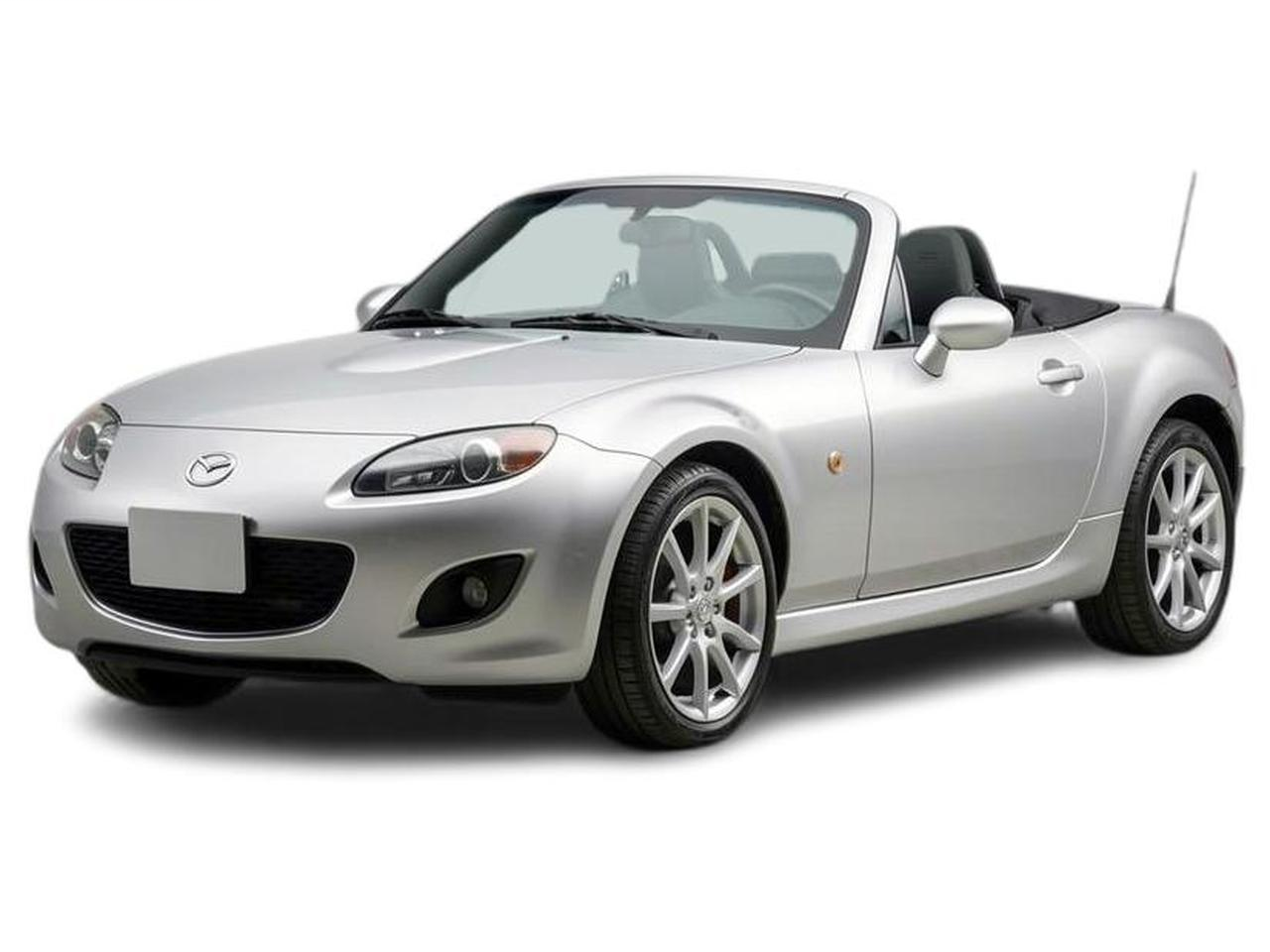
The 2010 Mazda MX-5 Miata, part of the third generation (NC) which ran from 2005-2015, is a beloved compact rear-wheel-drive roadster. It famously revived the affordable sports car segment. Key trims for 2010 included the Sport, Touring, and Grand Touring. Its enduring popularity stems from its pure, unadulterated driving experience, accessible price point, and timeless convertible styling.
The Good
The 2010 MX-5 excels with its agile handling, responsive steering, and fun-to-drive nature. It offers surprising reliability for its sporty intentions and a comfortable, driver-focused cabin. Its iconic design and open-top experience provide significant emotional appeal, while its fuel efficiency and reasonable running costs offer practical advantages.
The Bad
Potential owners should be aware of some common concerns. Rust can be an issue, particularly in the rocker panels and rear quarter panels, especially on vehicles from colder climates. The convertible top mechanism can also develop issues over time, and some owners report minor electrical gremlins.
2010 Mazda MX-5: Quick Overview
- Engine Options: A single engine option was available for the 2010 model year: a 2.0-liter DOHC 16-valve inline-4 aluminum engine.
- Horsepower: This engine produced 167 horsepower at 7,000 rpm.
- Torque: It generated 140 lb-ft of torque at 5,000 rpm.
- Transmission Options: Buyers could choose between a 6-speed manual transmission or an optional 6-speed automatic transmission.
- Fuel Economy (EPA Estimated):
- Manual Transmission: Approximately 21 mpg city / 28 mpg highway.
- Automatic Transmission: Approximately 22 mpg city / 29 mpg highway. - 0-60 Times: Typically in the range of 6.7 to 7.0 seconds, depending on transmission and driver.
- Towing Capacity: The Mazda MX-5 Miata is not designed or rated for towing.
- Trim-Level Features:
Sport: Standard features included 17-inch alloy wheels, air conditioning, power windows, power locks, a tilt steering wheel, cruise control, a CD/MP3 player with four speakers, and a vinyl convertible top.
Touring: Added leather upholstery, a premium Bose audio system with 6 speakers, SiriusXM Satellite Radio compatibility, and a limited-slip differential (on manual transmission models).
Grand Touring: Included all Touring features plus heated leather seats, automatic climate control, a six-disc CD changer, fog lights, and a choice of soft-top or power-retractable hardtop (PRHT). The PRHT added complexity and weight but offered enhanced security and quietness.
2010 Mazda MX-5 Specifications
No records to be displayed
Vehicle History Report
What Problems Does the 2010 Mazda MX-5 Have?
The 2010 Mazda MX-5 Miata generally enjoys a reputation for good reliability, consistent with Mazda's overall brand strength. However, like any vehicle, some common issues have been reported by owners. One of the most significant concerns, particularly for models used in regions with harsh winters or exposed to road salt, is rust. Areas prone to corrosion include the rocker panels, rear quarter panels, and the subframes. Regular inspection and undercoating can help mitigate this. Another area to watch is the power convertible top mechanism, especially on models equipped with the power-retractable hardtop (PRHT). Over time, the motors, actuators, and seals can wear out, leading to leaks or inoperability. Owners have also reported occasional issues with the clutch and transmission, though these are often related to high mileage or aggressive driving rather than inherent design flaws. Some minor electrical gremlins, such as faulty power window switches or issues with the infotainment system (if equipped), have also been noted. In terms of recalls, for the 2010 model year, specific recalls have addressed issues like potential airbag inflator problems and minor fuel system leaks. It's crucial for prospective buyers to check the VIN for any outstanding recalls and ensure they have been addressed. Overall, with diligent maintenance and attention to potential rust spots, the 2010 MX-5 can be a very dependable sports car.
How long will the 2010 Mazda MX-5 last?
Based on owner data and typical maintenance habits, the 2010 Mazda MX-5 Miata can realistically be expected to last for 150,000 to 200,000 miles, and often beyond, if properly cared for. Its inherent mechanical simplicity and robust powertrain contribute to this longevity. Owners who adhere to regular oil changes, fluid flushes, and timely replacement of wear items like brakes and tires will see the best results. The main long-term weakness to monitor, as mentioned, is susceptibility to rust, especially if the vehicle has lived in a salt-belt environment. Regular cleaning and rust-proofing can significantly extend its structural life. Beyond that, components like the clutch and suspension may require eventual replacement, but these are generally expected maintenance items for a sports car of this age and type.
What Technology & Safety Features are Included?
The 2010 Mazda MX-5 Miata, while prioritizing driving engagement, still offers a decent array of technology, entertainment, and safety features, though it's important to remember its model year and focus. Standard entertainment typically included an AM/FM stereo with a CD player and MP3 capability, often with four speakers. Higher trims, such as the Touring and Grand Touring, significantly upgraded this with a premium Bose audio system, boasting 6 speakers for a more immersive sound experience. SiriusXM Satellite Radio compatibility was also an option on these higher trims. Bluetooth connectivity for hands-free calling and audio streaming was not standard on the 2010 model and would likely be an aftermarket addition or part of a very specific optional package that is rare to find. For driver assistance, the 2010 MX-5 was relatively basic, focusing on the fundamentals of safe driving. Standard safety features included front airbags, side-impact airbags, anti-lock brakes (ABS), and electronic brake-force distribution (EBD). Traction control and stability control systems were generally standard across all trims for 2010, providing an extra layer of security during spirited driving or adverse conditions. Optional safety features were limited, with the most notable being the Power Retractable Hardtop (PRHT), which offered enhanced security over the manual soft top. Crash test ratings for the 2010 Mazda MX-5 Miata were generally good for its time. The National Highway Traffic Safety Administration (NHTSA) awarded it four out of five stars for frontal and side crash protection. The Insurance Institute for Highway Safety (IIHS) also rated it well, often receiving "Good" ratings in their various impact tests, especially for side impacts and rear crash protection.
What Colors Options are Available?
2010 Mazda MX-5 Prices and Market Value
When new, the 2010 Mazda MX-5 Miata had a starting MSRP that typically ranged from around $22,000 for the base Sport model to over $28,000 for a well-equipped Grand Touring with the power-retractable hardtop. Today, the used market prices for a 2010 MX-5 can vary significantly, generally falling between $8,000 and $15,000, depending heavily on mileage, condition, trim level, and whether it has a soft top or the PRHT. Depreciation has been moderate; the MX-5 holds its value relatively well compared to many other vehicles in its class due to its enduring desirability and cult following. Factors that positively affect resale value include low mileage, excellent maintenance records, a rust-free history, and the presence of desirable options like the PRHT. Conversely, high mileage, cosmetic imperfections, and evidence of poor maintenance or rust will significantly decrease its market value.
2010 Mazda MX-5 Cost of Ownership
The 2010 Mazda MX-5 Miata is generally considered an economical sports car to own. Insurance costs are typically moderate, falling in line with other compact coupes or sports cars, though rates can vary based on driver history and location. Fuel costs are also reasonable, thanks to its efficient 2.0-liter engine achieving good MPG figures. Routine maintenance is straightforward and not overly expensive, with oil changes, tire rotations, and filter replacements being standard. Repair costs are generally lower than for many European sports cars, as Mazda parts are widely available and mechanics are familiar with the platform. While major repairs are infrequent if well-maintained, specific components like the convertible top mechanism could incur higher costs if they fail. Overall, it's an economical choice for a fun, engaging driving experience.
2010 Mazda MX-5 Fuel Efficiency
No records to be displayed
2010 Mazda MX-5 Insurance
Insurance for a 2010 Mazda MX-5 is moderately priced, reflecting its status as a Vehicle with strong safety ratings and
reasonable repair costs.
How Does the 2010 Mazda MX-5 Compare to Other Vehicle?
The 2010 Mazda MX-5 Miata occupied a unique niche, primarily competing against other small, affordable roadsters. Its closest rivals in spirit and segment were limited, with few direct competitors offering the same blend of rear-wheel-drive fun and convertible practicality.
Performance: The MX-5's strength lay in its balanced chassis, communicative steering, and lightweight construction, offering superior handling and driver feedback compared to many competitors. While its 167 horsepower wasn't class-leading, the overall driving experience was often considered more engaging than cars with more power but less finesse.
Features: Compared to more mainstream coupes or sedans, the MX-5's feature set was more focused on the driving experience, with less emphasis on advanced tech or luxury amenities. Higher trims offered decent comfort features like leather and a good audio system, but lacked the cutting-edge infotainment or driver-assistance systems found in newer vehicles.
Reliability: Mazda's reputation for reliability generally placed the MX-5 favorably against some of its more niche or less common competitors. While not bulletproof (especially regarding rust), its mechanical simplicity often translated to fewer complex issues than some German or Italian rivals.
Price: The MX-5 offered excellent value for a rear-wheel-drive convertible sports car. Its price point made accessible sports car ownership a reality for many.
Alternatives:
- Similar: The most direct contemporary rival was the very limited production Honda S2000, which offered significantly more power and track-focused performance but at a much higher price point and with less creature comfort. Older generations of the Toyota MR2 Spyder could also be considered, though they were mid-engined and offered a different driving dynamic.
- Different Philosophy: For those seeking more power or a different body style while retaining a fun driving experience, one might look at the Subaru BRZ/Toyota GT86 (later models), Ford Mustang (V6), or Chevrolet Camaro. However, these are typically larger, heavier, and less nimble than the MX-5. For a more practical yet still engaging car, a hot hatch like the Volkswagen GTI or Mazdaspeed3 could be considered.
Overall, the 2010 MX-5 remains a benchmark for affordable, pure sports car driving. While newer models or competitors might offer more tech or raw power, few capture the same essence of simple, open-top motoring.
Performance: The MX-5's strength lay in its balanced chassis, communicative steering, and lightweight construction, offering superior handling and driver feedback compared to many competitors. While its 167 horsepower wasn't class-leading, the overall driving experience was often considered more engaging than cars with more power but less finesse.
Features: Compared to more mainstream coupes or sedans, the MX-5's feature set was more focused on the driving experience, with less emphasis on advanced tech or luxury amenities. Higher trims offered decent comfort features like leather and a good audio system, but lacked the cutting-edge infotainment or driver-assistance systems found in newer vehicles.
Reliability: Mazda's reputation for reliability generally placed the MX-5 favorably against some of its more niche or less common competitors. While not bulletproof (especially regarding rust), its mechanical simplicity often translated to fewer complex issues than some German or Italian rivals.
Price: The MX-5 offered excellent value for a rear-wheel-drive convertible sports car. Its price point made accessible sports car ownership a reality for many.
Alternatives:
- Similar: The most direct contemporary rival was the very limited production Honda S2000, which offered significantly more power and track-focused performance but at a much higher price point and with less creature comfort. Older generations of the Toyota MR2 Spyder could also be considered, though they were mid-engined and offered a different driving dynamic.
- Different Philosophy: For those seeking more power or a different body style while retaining a fun driving experience, one might look at the Subaru BRZ/Toyota GT86 (later models), Ford Mustang (V6), or Chevrolet Camaro. However, these are typically larger, heavier, and less nimble than the MX-5. For a more practical yet still engaging car, a hot hatch like the Volkswagen GTI or Mazdaspeed3 could be considered.
Overall, the 2010 MX-5 remains a benchmark for affordable, pure sports car driving. While newer models or competitors might offer more tech or raw power, few capture the same essence of simple, open-top motoring.
Final Verdict: Is the 2010 Mazda MX-5 a Good Vehicle?
The 2010 Mazda MX-5 Miata is ideal for driving enthusiasts who prioritize an engaging, connected driving experience over raw power or cutting-edge technology. It's perfect for weekend cruising, spirited drives on back roads, and anyone who appreciates the joy of open-top motoring in a reliable, relatively affordable package.
It is absolutely worth buying, especially on the used market, provided one finds a well-maintained example. Buyers should prioritize a vehicle with a documented maintenance history and thoroughly inspect for rust, particularly on models from rust-belt regions.
A used 2010 MX-5 offers exceptional value. If budget allows, seeking out a Grand Touring trim will provide more creature comforts, while the availability of the Power Retractable Hardtop (PRHT) is a significant advantage for those seeking added security and noise reduction, though it adds complexity. A manual transmission is highly recommended for the most authentic MX-5 experience.

It is absolutely worth buying, especially on the used market, provided one finds a well-maintained example. Buyers should prioritize a vehicle with a documented maintenance history and thoroughly inspect for rust, particularly on models from rust-belt regions.
A used 2010 MX-5 offers exceptional value. If budget allows, seeking out a Grand Touring trim will provide more creature comforts, while the availability of the Power Retractable Hardtop (PRHT) is a significant advantage for those seeking added security and noise reduction, though it adds complexity. A manual transmission is highly recommended for the most authentic MX-5 experience.