
by VIN, Year, Make, Model by License Plate

1995 Saab 900 Overview, Reviews, Ratings & Specs

Rating: 0.00
Based on 0 Owner Reviews
Eugene S | June 11, 2026
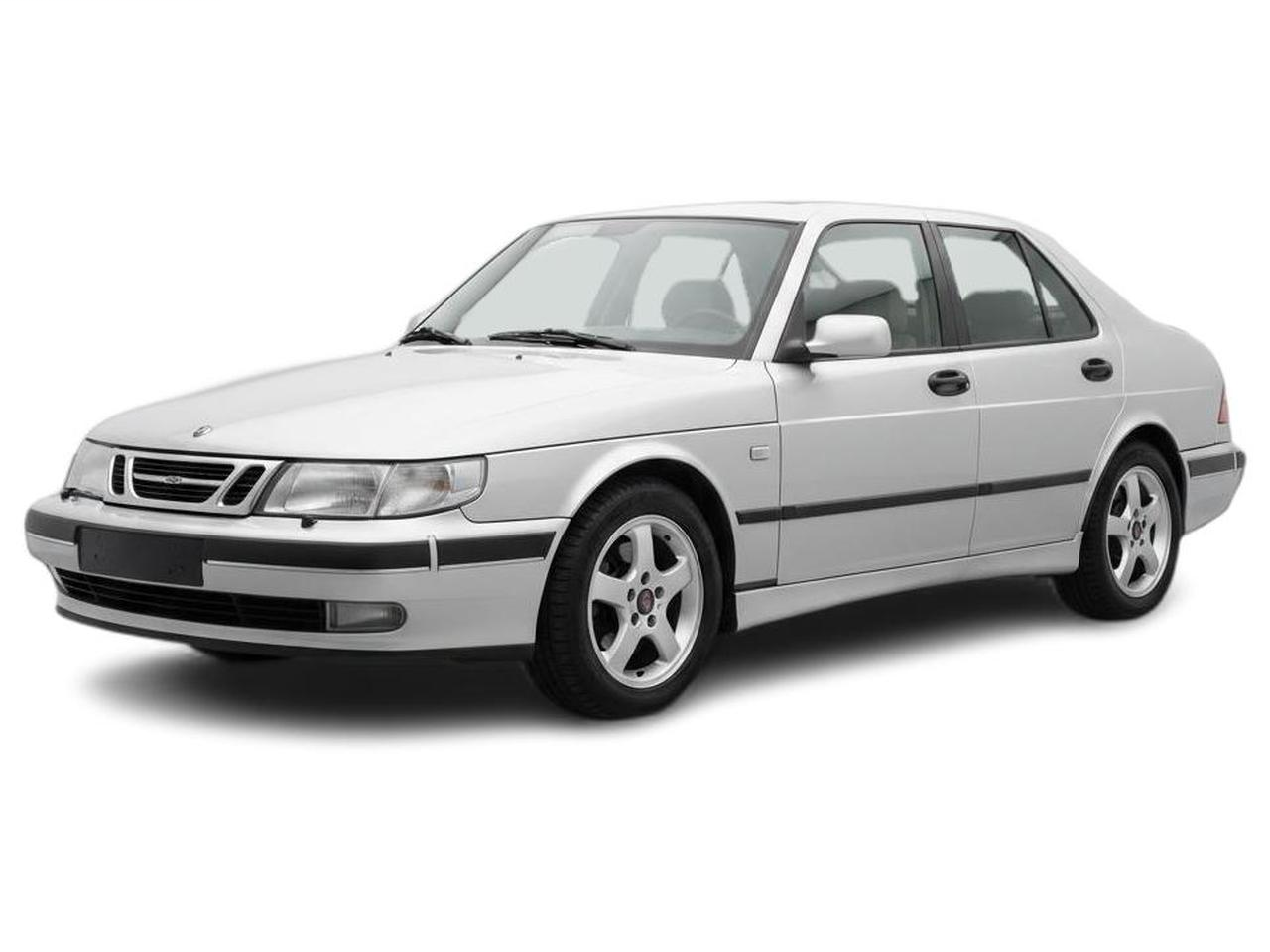
The 1995 Saab 900, part of the second generation, was produced from 1993 to 1998. It offered a distinctive European design, available as a 3-door or 5-door hatchback, and a rare 2-door convertible. Key trims included the base, SE, and the performance-oriented Aero (though less common in the US for this year). Its unique styling, turbocharged options, and quirky charm made it a popular choice for those seeking something different from mainstream sedans.
The Good

The 1995 Saab 900 boasts a unique, aviation-inspired design that appeals to the heart. Practically, it offers a comfortable ride, often with turbocharged performance delivering exciting acceleration, and a reputation for solid build quality contributing to good long-term value.

The Bad

Potential buyers of the 1995 Saab 900 should watch out for electrical gremlins, especially in older examples. Rust, particularly around wheel arches and the rear sills, can be an issue. The aging climate control system and transmission issues on automatic models are also common concerns.

1995 Saab 900: Quick Overview

  • Engine Options: The 1995 Saab 900 primarily featured two engine choices:
    • 2.3L naturally aspirated inline-4
    • 2.0L turbocharged inline-4 (often designated as the B204 engine)
  • Horsepower:
    • 2.3L: Approximately 150 hp
    • 2.0L Turbo: Approximately 185 hp
  • Fuel Economy (EPA Estimates): (Note: Actual figures vary based on driving conditions and specific engine/transmission)
    • Naturally Aspirated: Around 19-22 mpg city / 25-28 mpg highway
    • Turbocharged: Around 18-21 mpg city / 24-27 mpg highway
  • 0-60 Times:
    • Naturally Aspirated: Around 9-10 seconds
    • Turbocharged: Around 7-8 seconds
  • Towing Capacity: The Saab 900 was not designed or rated for towing.
  • Trim-Level Features:
    Base Model: Typically included power windows, power locks, air conditioning, and a basic AM/FM cassette stereo. Cloth upholstery was standard.
    SE Model: Upgraded features often included alloy wheels, fog lights, upgraded interior trim, a premium sound system, and sometimes leather upholstery. Available with both naturally aspirated and turbocharged engines.
    Aero (Less common in US for '95, but concept existed): Focused on performance with sportier suspension tuning, aerodynamic enhancements, unique wheels, and often the most powerful engine option.

1995 Saab 900 Specifications

Vehicle Information
Year 1995
Make Saab
Model 900
Trim -
Style -
Type Convertible
Category Compact Car
Manufacturing Details
Made In Sweden
Manufacturing City -
Dimensions
Doors -
Curb Weight -
Gross Vehicle Weight Rating -
Overall Height -
Overall Length -
Overall Width -
Wheelbase Length -
Standard Seating -
Engine & Performance
Engine 2.5 L V-6
Engine Size 2.5L
Engine Cylinders 6
Transmission -
Transmission Type -
Transmission Speeds -
Drivetrain Front-Wheel Drive
Additional Features
Anti-Brake System -
Steering Type -
Pricing
Manufacturer Suggested Retail Price (MSRP) -
Invoice Price -
Delivery Charges -

Vehicle History Report

Vehicle
Specifications
Ownership
History
All History
Events
NMVTIS Title
History Check
Salvage/Rebuilt
Check
Accident
Check
Theft
Check
Open Lien
Check
Past Sale
Listings
Safety
Recalls
Odometer
Check
Market Price
Analysis

What Problems Does the 1995 Saab 900 Have?

The 1995 Saab 900, like many cars of its era, has a few commonly reported issues and long-term reliability concerns. One of the most persistent problems revolves around the electrical system. Owners frequently report issues with window regulators failing, dashboard warning lights flickering or staying on erroneously, and problems with the central locking system. The ignition system, particularly the Direct Ignition Cassette (DIC), can be a source of misfires and starting difficulties.

Rust is another significant concern, especially in areas exposed to salt and moisture. Areas to scrutinize include the rocker panels, wheel arches, rear subframe mounts, and the strut towers. Neglected maintenance can lead to premature wear on suspension components, including bushings and shock absorbers.

The automatic transmission, particularly on higher-mileage examples, can develop issues such as delayed shifting or slipping. The climate control system, including the A/C compressor and blend door actuators, can be problematic and expensive to repair. On turbocharged models, the Saab Trionic engine management system, while robust, can be affected by aging sensors or boost leaks.

While specific recalls for the 1995 model year are not as extensive as some other vehicles, it's always wise to check for any outstanding safety recalls with the manufacturer. Overall, long-term reliability is often dictated by how well the car was maintained. Diligent adherence to the maintenance schedule, especially for oil changes on turbocharged engines, is crucial for longevity. While generally well-built, the complexity of some systems and the availability of specialized parts can make repairs more costly than for more mainstream brands.

How long will the 1995 Saab 900 last?

With proper and consistent maintenance, the 1995 Saab 900 can achieve impressive mileage, often exceeding 200,000 miles and sometimes reaching well over 250,000 miles. Owners who prioritize regular oil changes (especially on turbo models), fluid flushes, and addressing minor issues promptly tend to enjoy the longest service life. The chassis is generally robust, but rust can be a limiting factor in certain climates. The drivetrain, particularly the manual transmission, is known for its durability. However, automatic transmissions and electrical components can become more problematic as the car ages and accumulates mileage, requiring more frequent attention and potential repairs.

What Technology & Safety Features are Included?

The 1995 Saab 900 offered a reasonable suite of features for its era, balancing practicality with a touch of Scandinavian flair. Standard technology included power windows, power door locks, and air conditioning. The entertainment system typically consisted of an AM/FM radio with a cassette player, with optional upgrades to a more advanced stereo system, often featuring more speakers and better sound quality, particularly on SE trims. Some models might have had optional CD players, though less common.

Driver-assistance features were minimal by today's standards. Antilock Braking System (ABS) was a common option or standard on higher trims, enhancing braking stability. Cruise control was also often included. Advanced driver-assistance systems like lane departure warning, adaptive cruise control, or automatic emergency braking were non-existent.

Safety was a priority for Saab, and the 1995 900 incorporated several safety features. Standard safety equipment included front airbags for the driver and passenger and three-point seatbelts. Side-impact door beams were designed to improve occupant protection in a side collision. Crumple zones were engineered into the front and rear of the vehicle to absorb impact energy.

Crash-test ratings for the 1995 Saab 900 were generally respectable for its time. While specific NHTSA or IIHS ratings for the exact 1995 model year might be difficult to pinpoint without extensive archives, the second-generation 900 was known to perform well in frontal and side-impact tests. Saab cars of this period often received praise for their structural integrity and occupant protection, reflecting the brand's commitment to safety pioneered by its aircraft manufacturing heritage.

What Colors Options are Available?

We’re working on this section!
In the meantime, feel free to explore the other sections for more content.

1995 Saab 900 Prices and Market Value

When new, the 1995 Saab 900 had a starting MSRP that typically ranged from around $22,000 for a base model to over $28,000 for a well-equipped SE trim, with convertibles and turbo models commanding higher prices. The Saab 900 has experienced significant depreciation, as is common with many European sedans and hatchbacks from the mid-90s.

Currently, used market prices for a 1995 Saab 900 vary widely based on condition, mileage, trim level, and maintenance history. Expect to find examples ranging from as low as $1,500 for project cars needing significant work, to $4,000-$7,000 for well-maintained, low-mileage examples, and potentially more for exceptional turbocharged or convertible models in pristine condition. Factors affecting resale value include the presence of the turbocharger, manual transmission (often preferred by enthusiasts), convertible body style, and a documented service history. Overall, they are affordable used cars, but finding a good one requires careful inspection.

1995 Saab 900 Cost of Ownership

The 1995 Saab 900 is generally economical to own in terms of initial purchase price and fuel costs, especially the naturally aspirated models, which offer decent MPG. However, maintenance and repair costs can be moderate to high. Finding specialized Saab mechanics can be challenging, and parts, particularly for unique features or turbo components, can be more expensive than for mainstream brands. Insurance premiums are typically reasonable for a car of this age and market value. While not a prohibitively expensive car to own, potential buyers should budget for regular maintenance and be prepared for the possibility of more significant repairs as the vehicle ages.

1995 Saab 900 Fuel Efficiency

Fuel Type Gasoline
Fuel Capacity -
City Mileage -
Highway Mileage -

1995 Saab 900 Safety Rating

NHTSA
Overall Rating Not Tested
Overall Frontal Star Rating Not Tested
Side Overall Star Rating Not Tested
Overall Rollover Star Rating Not Tested
Combined Front Seat Rating Not Tested
Combined Rear Seat Rating Not Tested
Overall Frontal Star Rating Not Tested
Frontal Barrier Star Ratings Not Tested
Side Barrier Star Ratings Not Tested
Rollover Resistance Star Rating Not Tested

1995 Saab 900 Recalls & Defects

Seats:front Assembly:recliner
Recall date 1994-11-18
Recall no. 94v226000
Source NHTSA
Summary ONE or More OF THE ARC Welds CAN BE Missing ON THE Seat Back Frame Recliner.
Consequence This CAN Result IN A Seat Back Falling Backwards Under A Load.
Remedy Both Front Seat Backs Will BE Inspected With THE USE OF A Hook TO Pull Back THE Seat Back Upholstery. FOR ANY Seat With Missing Welds, THE Seat Back Frame/Recliner Will BE Replaced.
Notes System: Interior Systems; Seat; Bucket; Seat Back.vehicle Description: Passenger Cars.note: IF Your Vehicle IS Presented TO AN Authorized Dealer ON AN Agreed Upon Service Date and THE Remedy IS NOT Provided Free OF Charge Within A Reasonable Time or THE Remedy Does NOT Correct THE Defect, Please Contact Saab At1-800-955-9007. Also, Contact THE National Highway Traffic Safety Administration's Auto Safety Hotline AT 1-800-424-9393.
Electrical System:ignition:module
Recall date 1995-03-29
Recall no. 95v066000
Source NHTSA
Summary Upon Startup, A Voltage Drop TO THE Engine Control Module CAN Cause A Malfunction Where Engine Speed Fluctuates From 600 TO 3,000 RPM FOR UP TO 30 Seconds Before Normal Engine Idle OF 900 Rpm.
Consequence Unexpected Movement OF THE Vehicle MAY Cause THE Driver TO Lose Control and Increase THE Potential OF A Vehicle Accident.
Remedy Dealers Will Install A NEW Revised Electronic Control Module.
Notes System: Electrical; Ignition; Electronic Control Unit.vehicle Description: Passenger Vehicles Equipped With Bosch "motronic 2.10.3" Engine Control System and Secondary AIR Injection.note: IF Your Vehicle IS Presented TO AN Authorized Dealer ON AN Agreed Upon Service Date and THE Remedy IS NOT Provided Free OF Charge Within A Reasonable Time, Please Contact Saab AT 1-800-955-9007. Also Contact THE National Highway Traffic Safety Administration's Auto Safety Hotline AT 1-800-424-9393.
Power Train:manual Transmission
Recall date 1995-03-29
Recall no. 95v068000
Source NHTSA
Summary IT IS Possible TO Move THE Shift Lever Into THE Reverse Gear Position, Remove THE Ignition Key, and Still Have THE Transmission IN Neutral, OR, TO Accidently Disengage Reverse BY Striking THE Gear Lever.
Consequence IF THE Parking Brake IS NOT Applied, THE Car CAN Roll From ITS Original Parked Position Increasing THE Potential FOR A Vehicle Accident.
Remedy Dealers Will Replace Transmission Linkage Components and Complete A Specially Developed Service Adjustment Procedure That Will Ensure That When THE Shift IS Moved TO THE Reverse Position, THE Reverse Gear IS Actually Engaged.
Notes System: Powertrain; Transmission; Standard; Manual.vehicle Description: Passenger Vehicles Equipped With Manual Transmissions.note: IF Your Vehicle IS Presented TO AN Authorized Dealer ON AN Agreed Upon Service Date and THE Remedy IS NOT Provided Free OF Charge Within A Reasonable Time, Please Contact Saab AT 1-800-955-9007. Also Contact THE National Highway Traffic Safety Administration's Auto Safety Hotline AT 1-800-424-9393.
Steering: Steering Wheel/Handle BAR
Recall date 1996-01-23
Recall no. 96v008000
Source NHTSA
Summary THE Steering Column Shaft WAS Incorrectly Installed IN THE Vehicle Causing THE Column TO BE OUT OF Alignment.
Consequence IF Misaligned, AN Aluminum Connecting Piece CAN Fail DUE TO Fatigue, Resulting IN A Loss OF Steering Control and AN Accident.
Remedy Dealers Will Inspect THE Steering Column Alignment TO Ensure That NO Misalignment Exists. IF A Misalignment IS Found, THE Dealer Will Replace THE Steering Column Assembly AS A Unit.
Notes System: Steering; Column.vehicle Description: Convertible Passenger Vehicles Manufactured IN Valmet, Finland. Note: Owners WHO Take Their Vehicles TO AN Authorized Dealer ON AN Agreed Upon Service Date and DO NOT Receive THE Free Remedy Within A Reasonable Time, Should Contact Saab AT 1-800-955-9007. Also Contact THE National Highway Traffic Safety Administration's Auto Safety Hotline AT 1-800-424-9393.
Vehicle Speed Control
Recall date 1997-03-21
Recall no. 97v046000
Source NHTSA
Summary Corrosion Around THE Zinc-Coated Throttle Control Lever Bushing CAN Cause THE Throttle Lever TO Bind.
Consequence This Binding CAN Result IN THE Throttle Plate NOT Returning TO THE Closed Position When THE Throttle Pedal IS Released and A Subsequent Loss OF Throttle Control.
Remedy Dealers Will Replace THE Zinc-Coated Throttle Control Lever Bushing With A Nickel-Coated Bushing and Bolt.
Notes Owner Notification:owner Notification IS Expected TO Begin MAY 1, 1997. Note:owners WHO Take Their Vehicles TO AN Authorized Dealer ON AN Agreed Upon Service Date and DO NOT Receive THE Free Remedy Within A Reasonable Time Should Contact Saab AT 1-800-955-9007.also Contact THE National Highway Traffic Safety Administration's Auto Safety Hotline AT 1-800-424-9393.
Exterior Lighting:headlights
Recall date 1998-02-24
Recall no. 98v038000
Source NHTSA
Summary Vehicle Description: Passenger Vehicles. THE Instructions FOR Properly Aiming THE Headlighting System Were Omitted. This Does NOT Meet THE Requirements OF Fmvss NO. 108, "lamps, Reflective Devices, and Associated Equipment."
Consequence IF THE Headlamp Assemblies ARE Replaced, Customers MAY NOT BE Able TO Properly AIM THE Headlights.
Remedy Owners Will BE Sent Aiming Instructions, and Directions FOR Affixing These Inserts TO THE Owner Guides. IF AN Owner SO Desires, A Dealer CAN Affix THE Inserts IN Their Owner Guide FOR Them.
Notes Owner Notification Began June 15, 1998.owners WHO DO NOT Receive THE Free Instructions and Labels Within A Reasonable Time Should Contact Saab AT 1-800-955-9007.also Contact THE National Highway Traffic Safety Administration's Auto Safety Hotline AT 1-888-dash-2-dot (1-888-327-4236).
AIR Bags
Recall date 2002-11-14
Recall no. 02v308000
Source NHTSA
Summary ON Certain Passenger Vehicles, THE AIR BAG Electronic Control Unit (Ecu) IS Designed TO Sense and Discriminate Frontal Impact Events, Command AIR BAG and Seat Belt Pretensioner Deployments IN A Timely Manner, and Perform Continuous Diagnostics OF THE AIR BAG System IN THE Vehicle. DUE TO THE Possible Insufficient Sealing OF THE Bottom OF AN Electrolyte Capacitor, IT IS Possible FOR IT TO Leak Electrolyte Within THE AIR BAG Ecu. Also, IN High Humidity Environments, THE Operation OF THE Vehicle AIR Conditioner CAN Cause Rapid Cooling OF THE Ecu, Which IN Turn MAY Cause THE Formation OF Condensation With THE Unit.
Consequence IF This Moisture Comes Into Contact With THE Electrolyte From THE Capacitor, IT Forms A Highly Conductive Material That Could Create AN Electrical Short Circuit. This Electrical Short Could Trigger THE AIR Bags and Seat Belt Pretensioners.
Remedy Dealers Will Install A NEW AIR BAG Ecu. Owner Notification Began April 4, 2003. Owners WHO Take Their Vehicles TO AN Authorized Dealer ON AN Agreed Upon Service Date and DO NOT Receive THE Free Remedy Within A Reasonable Time Should Contact Saab AT 1-800-955-9007.
Notes Saab Recall NO. 15012.also Contact THE National Highway Traffic Safety Administration's Auto Safety Hotline AT 1-888-Dash-2-dot (1-888-327-4236).

1995 Saab 900 Insurance

Insurance for a 1995 Saab 900 is moderately priced, reflecting its status as a Convertible with strong safety ratings and
reasonable repair costs.

How Does the 1995 Saab 900 Compare to Other Convertible?

The 1995 Saab 900 competed in a segment that included cars like the Audi A4, BMW 3 Series, Volvo 850, and Acura Integra.

Performance: In terms of performance, the turbocharged Saab 900 offered exhilarating acceleration, often outperforming base models of the Audi A4 and Volvo 850. The BMW 3 Series (particularly with its inline-six engines) generally offered more refined and potent performance. The Acura Integra, while smaller, offered agile handling and peppy performance, especially in its GS-R and Type R variants.

Features: Features on the Saab 900 were generally competitive for the time, with a focus on comfort and practicality. It offered a comfortable interior and unique design elements. Rivals like the Audi A4 and BMW 3 Series often boasted more sophisticated interior materials, advanced optional features, and arguably more prestigious badges. The Volvo 850 was known for its comfortable ride and strong safety features.

Reliability: Reliability is a mixed bag. Saabs have a reputation for solid build quality, but electrical issues and rust can be concerns. The BMW 3 Series of this era can be reliable but expensive to maintain. Audi and Volvo also have their share of potential issues as they age. The Acura Integra is generally considered very reliable, with fewer complex systems to fail.

Price: The Saab 900 was typically priced competitively against its European rivals, often being more affordable than equivalent BMW or Audi models. The Acura Integra was generally positioned at a slightly lower price point.

Alternatives:
* Similar: For those seeking a unique European hatch with a bit of character and good value, the **Volvo 850** is a strong contender. It offers a comfortable ride and robust safety.
* Performance-Oriented: If raw performance and sporty handling are priorities, a well-maintained **BMW 3 Series (E36)** could be considered, though maintenance costs will likely be higher. The **Acura Integra** offers excellent reliability and sporty dynamics in a smaller package.
* Mainstream: For a more reliable and easier-to-maintain option, consider the **Honda Accord** or **Toyota Camry** of the same era, though they lack the Saab's distinctive flair.

Final Verdict: Is the 1995 Saab 900 a Good Convertible?

The 1995 Saab 900 is ideal for the discerning buyer who values individuality, Scandinavian design, and a comfortable, European driving experience over mainstream conformity. It's a car for those who appreciate its quirky charm and are willing to overlook potential maintenance quirks for a unique ownership experience.

It is absolutely worth buying for the right person, especially on the used market. Look for well-maintained examples, ideally with a comprehensive service history. Turbocharged models offer exciting performance, while naturally aspirated versions provide a more relaxed ride. Convertibles add a touch of style and fun. Avoid cars with significant rust or evidence of neglect. With careful selection and ongoing care, a 1995 Saab 900 can be a rewarding and surprisingly durable companion, offering a distinct character that's hard to find in modern vehicles.

1995 Saab 900 Owner Reviews

0.00
Consumer Rating, Based on 0 Consumer Reviews
Overall rating
Cancel
Thank You for Your Review!

We truly appreciate the time and effort you took to share your experience with us.

Uh oh!

Something went wrong, please try again later.

Author Image
Eugene S

Eugene is an automotive enthusiast with over 15 years of experience in the used car market. As a writer at VINCheck.info, he brings deep industry insight and a passion for cars, helping readers make smart, informed decisions. Eugene has written hundreds of used car reviews and is known for breaking down complex automotive topics into clear, actionable advice. Over the years, he has driven and worked on a wide range of vehicles—starting with tuning street cars in his early days and eventually focusing on performance upgrades and reliability improvements. Today, he specializes in evaluating used vehicles through the lens of real-world ownership and enthusiast needs. A longtime fan of Porsche, Eugene especially appreciates vehicles that blend durability with driving enjoyment.