
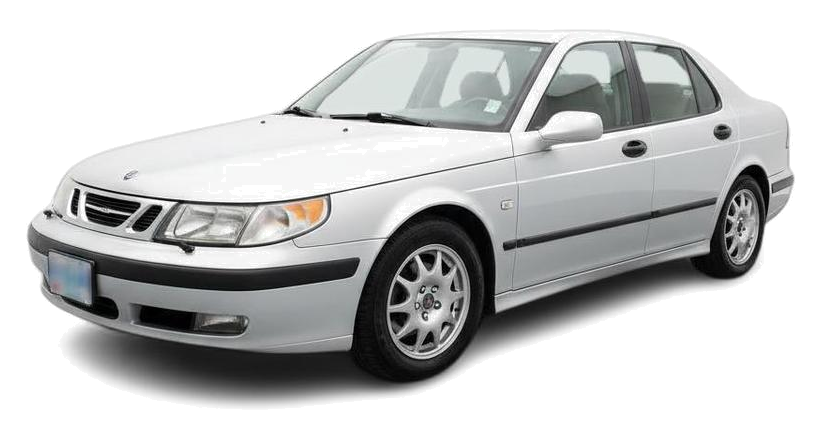
The 2000 Saab 9-5, a mid-size executive car, emerged from the Swedish manufacturer known for its aviation heritage. This generation, produced from 1997 to 2010, offered both sedan and SportCombi (wagon) body styles. Key trims included the base Linear, the more powerful Arc, and the performance-oriented Vector. New pricing ranged from approximately $32,000 to $45,000. Its popularity stemmed from its unique Scandinavian design, comfortable ride, and a distinctive focus on driver safety and intuitive controls, appealing to those seeking an alternative to more mainstream European and American sedans.
The Good
The 2000 Saab 9-5 excels in its distinctive, understated design, offering a comfortable and quiet cabin. Its turbocharged engines provide spirited performance, while the robust chassis ensures a secure and engaging driving experience. For practical buyers, its solid build and thoughtful ergonomics stand out. Emotionally, its unique character and safety focus resonate.
The Bad
Potential buyers of the 2000 Saab 9-5 should be aware of common issues such as oil sludge buildup in the engine, particularly with earlier models or those not meticulously maintained. Electrical gremlins, including dashboard warning lights and climate control problems, can also arise. The ignition system can be a point of concern.
2000 Saab 9-5: Quick Overview
- Engine Options:
- 2.0L turbocharged inline-4 (B205R)
- 2.3L turbocharged inline-4 (B235R)
- Horsepower:
- 2.0L Turbo: Approximately 150-185 hp (depending on specific tune and market)
- 2.3L Turbo: Approximately 170-200 hp (depending on specific tune and market)
- Special Edition/Performance versions (e.g., Aero) could offer higher output, around 230 hp for the 2.3L High Output.
- Fuel Economy (EPA Estimated - MPG):
- 2.0L Turbo: ~18 city / 26 highway
- 2.3L Turbo: ~17 city / 25 highway
- Actual mileage can vary significantly based on driving style, maintenance, and specific turbocharger tuning.
- 0-60 Times:
- Generally in the range of 7.5 to 9.5 seconds, depending on engine, transmission, and driver. The Aero model would be at the quicker end of this spectrum.
- Towing Capacity:
- Not typically rated for towing. The Saab 9-5 was designed as a passenger car, not a heavy-duty vehicle.
- Trim-Level Features (General Overview):
- Linear: Base trim, often featuring standard power accessories, cruise control, cloth upholstery, and a basic audio system.
- Arc: Mid-level trim, usually adding leather seating, enhanced interior trim, possibly a sunroof, and upgraded audio.
- Vector: Sportier trim, typically including sport suspension, unique exterior accents, larger alloy wheels, and often more standard comfort and convenience features. The Aero was often a sub-trim of Vector or a separate performance designation.
- Common features across trims often included automatic climate control, ABS, airbags, and a driver-focused cockpit design. Optional features could include heated seats, premium audio systems, and navigation (though less common for 2000).
2000 Saab 9-5 Specifications
Vehicle Information
| Year | 2000 |
| Make | Saab |
| Model | 9-5 |
| Trim | - |
| Style | 2.3-T |
| Type | Wagon |
| Category | Mid-Size Car |
Manufacturing Details
| Made In | Sweden |
| Manufacturing City | TROLLHATTAN |
Dimensions
| Doors | 4-Door |
| Curb Weight | 3680 pounds |
| Gross Vehicle Weight Rating | - |
| Overall Height | 58.90 inches |
| Overall Length | 189.30 inches |
| Overall Width | 70.50 inches |
| Wheelbase Length | 106.40 inches |
| Standard Seating | 5 |
Engine & Performance
| Engine | 2.3L I4 |
| Engine Size | 2.3L |
| Engine Cylinders | 4 |
| Transmission | 4-Speed Automatic |
| Transmission Type | Automatic |
| Transmission Speeds | 4-Speed |
| Drivetrain | Front-Wheel Drive |
Additional Features
| Anti-Brake System | 4-Wheel ABS |
| Steering Type | Rack & Pinion |
Pricing
| Manufacturer Suggested Retail Price (MSRP) | $33,120 |
| Invoice Price | $30,802 |
| Delivery Charges | - |
Vehicle History Report
Vehicle
Specifications
Specifications
Ownership
History
History
All History
Events
Events
NMVTIS Title
History Check
History Check
Salvage/Rebuilt
Check
Check
Accident
Check
Check
Theft
Check
Check
Open Lien
Check
Check
Past Sale
Listings
Listings
Safety
Recalls
Recalls
Odometer
Check
Check
Market Price
Analysis
Analysis
What Problems Does the 2000 Saab 9-5 Have?
The 2000 Saab 9-5, while generally considered a well-built car, has several frequently reported issues that owners and potential buyers should be aware of. One of the most significant concerns, particularly with earlier models and those that may not have had consistent oil changes, is engine oil sludge formation. This can occur in the crankcase, oil pickup tube, and turbocharger lines, potentially leading to lubrication failure and severe engine damage. Regular, high-quality oil changes using synthetic oil and frequent checks of the oil level are crucial.
Another common area of concern is the ignition system, specifically the Direct Ignition (DI) cassette, which can fail prematurely. Symptoms include rough running, misfires, and a check engine light. While not a recall item in the traditional sense, it's a known wear-and-tear component that often needs replacement.
Electrical issues are also not uncommon. Owners have reported problems with the climate control system, including actuators that fail, leading to uneven or no airflow. The SID (Saab Information Display) screen can also develop dead pixels or become unreadable over time. Other electrical gremlins can manifest as phantom warning lights or malfunctioning power accessories.
The transmission, particularly the automatic, can sometimes experience issues if not properly maintained. Fluid flushes and ensuring the correct fluid type is used are important for longevity.
While there weren't widespread recalls specifically targeting the 2000 model year for catastrophic failures, it's always wise to check for any outstanding recalls with a VIN search. Long-term reliability can be excellent if the vehicle has been meticulously maintained, with owners reporting many miles of trouble-free driving. However, neglect in maintenance, especially regarding oil changes, can lead to costly repairs. The car's European origins mean some parts might be more specialized and potentially more expensive than those for American or Japanese counterparts.
Another common area of concern is the ignition system, specifically the Direct Ignition (DI) cassette, which can fail prematurely. Symptoms include rough running, misfires, and a check engine light. While not a recall item in the traditional sense, it's a known wear-and-tear component that often needs replacement.
Electrical issues are also not uncommon. Owners have reported problems with the climate control system, including actuators that fail, leading to uneven or no airflow. The SID (Saab Information Display) screen can also develop dead pixels or become unreadable over time. Other electrical gremlins can manifest as phantom warning lights or malfunctioning power accessories.
The transmission, particularly the automatic, can sometimes experience issues if not properly maintained. Fluid flushes and ensuring the correct fluid type is used are important for longevity.
While there weren't widespread recalls specifically targeting the 2000 model year for catastrophic failures, it's always wise to check for any outstanding recalls with a VIN search. Long-term reliability can be excellent if the vehicle has been meticulously maintained, with owners reporting many miles of trouble-free driving. However, neglect in maintenance, especially regarding oil changes, can lead to costly repairs. The car's European origins mean some parts might be more specialized and potentially more expensive than those for American or Japanese counterparts.
How long will the 2000 Saab 9-5 last?
The 2000 Saab 9-5, when properly maintained, demonstrates considerable long-term durability. Many owners report consistently exceeding 200,000 miles, with some reaching well over 300,000 miles. This longevity is directly tied to diligent maintenance, particularly strict adherence to oil change intervals using quality synthetic oil to combat sludge. The core engine and transmission, if cared for, are robust. However, weaknesses emerge with age and mileage, primarily in electrical components, suspension bushings, and climate control systems. The ignition system (DI cassette) is a known wear item. Neglecting maintenance, especially oil changes and timely replacement of worn parts, can significantly shorten its service life and lead to expensive repairs.
What Technology & Safety Features are Included?
The 2000 Saab 9-5 offered a blend of functional technology, decent entertainment, and a strong emphasis on safety, reflecting its executive sedan positioning. Standard technology features included automatic climate control, power windows and locks, cruise control, and tilt/telescoping steering wheel. The infotainment system typically consisted of an AM/FM radio with a cassette player and an optional CD player. Higher trims might have featured a more advanced sound system with more speakers.
In terms of driver-assistance features, the 2000 model was relatively basic by modern standards. Anti-lock Braking System (ABS) was standard, aiding in controlled braking in emergency situations. Traction control was also available, particularly on models with the more powerful engines, to help maintain grip during acceleration. Advanced driver-assistance systems like adaptive cruise control, lane departure warning, or automatic emergency braking were not available.
Safety was a hallmark of Saab vehicles, and the 9-5 was no exception. It featured a robust steel safety cage, front and side airbags for the driver and front passenger, and active head restraints designed to reduce whiplash injuries in rear-end collisions. The rear seats were equipped with LATCH child seat anchors.
Crash-test ratings for the 2000 Saab 9-5 were generally positive for its era. The National Highway Traffic Safety Administration (NHTSA) typically awarded it good marks in frontal and side impact tests. The Insurance Institute for Highway Safety (IIHS) also reported favorable results in their tests, often giving it a "Good" rating, particularly in frontal offset crash tests, underscoring Saab's commitment to occupant protection. Optional features could include heated front seats, a power sunroof, and sometimes a rudimentary navigation system, though these were less common on the 2000 model year compared to later iterations.
In terms of driver-assistance features, the 2000 model was relatively basic by modern standards. Anti-lock Braking System (ABS) was standard, aiding in controlled braking in emergency situations. Traction control was also available, particularly on models with the more powerful engines, to help maintain grip during acceleration. Advanced driver-assistance systems like adaptive cruise control, lane departure warning, or automatic emergency braking were not available.
Safety was a hallmark of Saab vehicles, and the 9-5 was no exception. It featured a robust steel safety cage, front and side airbags for the driver and front passenger, and active head restraints designed to reduce whiplash injuries in rear-end collisions. The rear seats were equipped with LATCH child seat anchors.
Crash-test ratings for the 2000 Saab 9-5 were generally positive for its era. The National Highway Traffic Safety Administration (NHTSA) typically awarded it good marks in frontal and side impact tests. The Insurance Institute for Highway Safety (IIHS) also reported favorable results in their tests, often giving it a "Good" rating, particularly in frontal offset crash tests, underscoring Saab's commitment to occupant protection. Optional features could include heated front seats, a power sunroof, and sometimes a rudimentary navigation system, though these were less common on the 2000 model year compared to later iterations.
What Colors Options are Available?
2000 Saab 9-5 Prices and Market Value
When new, the 2000 Saab 9-5 typically ranged from approximately $32,000 for a base Linear model to over $45,000 for a fully equipped Aero wagon. As with most vehicles of this age, the 2000 9-5 has experienced significant depreciation. Current used market prices vary widely based on condition, mileage, trim level, and maintenance history, generally falling between $1,500 and $5,000 for drivable examples. Well-maintained, lower-mileage examples, especially in desirable trims like the Aero, can command slightly higher prices. Factors significantly affecting resale value include the presence of maintenance records, evidence of timely oil changes (to mitigate sludge issues), overall cosmetic condition, and the absence of major mechanical problems. Enthusiast interest plays a role, with well-kept Saabs holding value better than neglected ones.
2000 Saab 9-5 Cost of Ownership
Owning a 2000 Saab 9-5 can be moderately economical for fuel, with its turbocharged four-cylinder engines offering decent highway mileage. Insurance costs are typically competitive for its class, though specialized parts might slightly increase repair expenses. Maintenance is key; adhering to synthetic oil changes is crucial to avoid costly engine repairs, making proactive maintenance more economical than reactive fixes. Repair costs can sometimes be higher than for mainstream brands due to specialized parts and fewer independent mechanics experienced with Saabs. Overall, while not the cheapest to maintain, its unique driving experience and safety can offer good value if kept in good condition, especially considering its low purchase price on the used market. It's neither exceptionally economical nor prohibitively costly, but requires informed ownership.
2000 Saab 9-5 Fuel Efficiency
Fuel Type
Gasoline
Fuel Capacity
18.50 gallons
City Mileage
19 miles/gallon
Highway Mileage
26 miles/gallon
2000 Saab 9-5 Safety Rating
NHTSA
IIHS
2000 Saab 9-5 Warranty
Basic
Original warranty
0 months / No data
Estimated remaining
Expired
Powertrain
Original warranty
0 months / No data
Estimated remaining
Expired
Rust
Original warranty
0 months / No data
Estimated remaining
Expired
2000 Saab 9-5 Insurance
Insurance for a 2000 Saab 9-5 is moderately priced, reflecting its status as a Wagon with strong safety ratings and
reasonable repair costs.
How Does the 2000 Saab 9-5 Compare to Other Wagon?
The 2000 Saab 9-5 competed in the executive sedan segment against rivals like the BMW 3 Series (E46), Audi A4 (B5/B6), Mercedes-Benz C-Class (W202), Volvo S70/V70, and the Acura TL.
Performance: The 9-5's turbocharged engines offered strong, accessible torque, providing a distinct character that often felt quicker in real-world acceleration than its 0-60 times suggested. Rivals like the BMW 3 Series often offered sharper handling and more driver-focused powertrains, while the Audi A4 provided a more refined, quattro-equipped all-wheel-drive option.
Features: The 9-5 offered a comfortable, driver-oriented interior with good ergonomics and safety features for its time. However, rivals from Germany might have offered more advanced technology, premium interior materials, and a wider array of luxury options. Volvo offered similar practicality and safety, often with a more conservative design. The Acura TL provided excellent reliability and a strong value proposition with good features.
Reliability: This is where the 9-5 often lagged behind its Japanese rivals like the Acura TL, which is renowned for its bulletproof reliability. German luxury brands can also be expensive to maintain and repair. While the 9-5 can be reliable with proper care, its specific known issues (oil sludge, ignition) require more diligent attention than a TL. Volvo generally offered good reliability in this era.
Price: The Saab 9-5 offered a unique proposition, often priced competitively against German rivals but providing a distinct alternative. On the used market, the 2000 9-5 is significantly cheaper than comparable BMWs or Audis in similar condition, offering a unique European experience for less money.
Alternatives: For buyers prioritizing maximum reliability and lower long-term running costs, the Acura TL (late 90s to early 2000s) is an excellent similar alternative. For those seeking sportier handling and prestige, a **BMW 3 Series (E46)** is a strong contender, though likely more expensive to maintain. A **Volvo S70/V70** offers similar practicality and safety with a more understated Scandinavian charm, often with better reliability than the Saab. If outright luxury and comfort are paramount and budget allows for potentially higher upkeep, a Mercedes-Benz C-Class is an option. The Saab 9-5 stands out for its unique styling, turbocharger character, and safety focus, making it a compelling choice for those who appreciate its distinctiveness and are willing to commit to its specific maintenance needs.
Performance: The 9-5's turbocharged engines offered strong, accessible torque, providing a distinct character that often felt quicker in real-world acceleration than its 0-60 times suggested. Rivals like the BMW 3 Series often offered sharper handling and more driver-focused powertrains, while the Audi A4 provided a more refined, quattro-equipped all-wheel-drive option.
Features: The 9-5 offered a comfortable, driver-oriented interior with good ergonomics and safety features for its time. However, rivals from Germany might have offered more advanced technology, premium interior materials, and a wider array of luxury options. Volvo offered similar practicality and safety, often with a more conservative design. The Acura TL provided excellent reliability and a strong value proposition with good features.
Reliability: This is where the 9-5 often lagged behind its Japanese rivals like the Acura TL, which is renowned for its bulletproof reliability. German luxury brands can also be expensive to maintain and repair. While the 9-5 can be reliable with proper care, its specific known issues (oil sludge, ignition) require more diligent attention than a TL. Volvo generally offered good reliability in this era.
Price: The Saab 9-5 offered a unique proposition, often priced competitively against German rivals but providing a distinct alternative. On the used market, the 2000 9-5 is significantly cheaper than comparable BMWs or Audis in similar condition, offering a unique European experience for less money.
Alternatives: For buyers prioritizing maximum reliability and lower long-term running costs, the Acura TL (late 90s to early 2000s) is an excellent similar alternative. For those seeking sportier handling and prestige, a **BMW 3 Series (E46)** is a strong contender, though likely more expensive to maintain. A **Volvo S70/V70** offers similar practicality and safety with a more understated Scandinavian charm, often with better reliability than the Saab. If outright luxury and comfort are paramount and budget allows for potentially higher upkeep, a Mercedes-Benz C-Class is an option. The Saab 9-5 stands out for its unique styling, turbocharger character, and safety focus, making it a compelling choice for those who appreciate its distinctiveness and are willing to commit to its specific maintenance needs.
Final Verdict: Is the 2000 Saab 9-5 a Good Wagon?
The 2000 Saab 9-5 is ideal for individuals seeking a distinctive, comfortable, and safe executive sedan or wagon that stands apart from the mainstream. It's well-suited for those who appreciate unique Scandinavian design, the character of turbocharged performance, and a focus on driver-centric ergonomics. It is worth buying, but primarily in the used market, as new examples are obviously unavailable.
Buying conditions are crucial: prioritize vehicles with meticulous maintenance records, especially evidence of regular, high-quality oil changes. A thorough pre-purchase inspection by a mechanic familiar with Saabs is highly recommended. Specific trims like the Aero offer more performance, but may also have higher maintenance expectations. It's a car for the enthusiast or the informed buyer who understands its specific needs and quirks, rather than someone seeking trouble-free, low-maintenance transportation. For such an owner, it can be a rewarding and stylish vehicle.
