
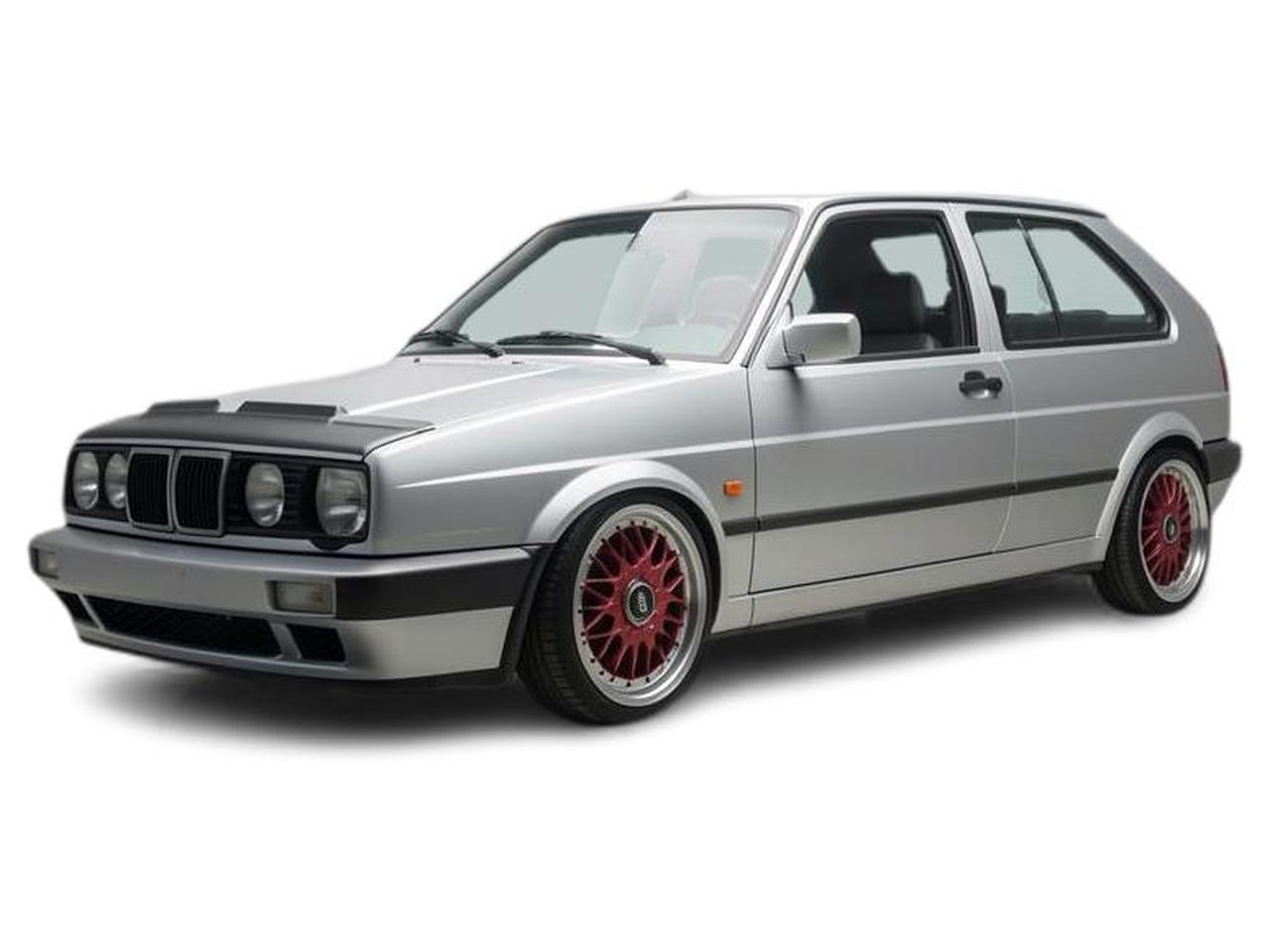
The Good
The 1991 GTI offers a thrilling driving experience with its peppy engine and sharp handling, appealing to enthusiasts. Its practical hatchback design, good fuel economy, and robust German engineering provide everyday usability and long-term value for practical buyers.
The Bad
Potential owners should watch for rust, particularly around wheel arches and rocker panels. Electrical gremlins can surface with age, and aging suspension components may require attention. Interior wear and tear is also common on higher mileage examples.
1991 Volkswagen GTI: Quick Overview
- Engine Options: The 1991 Volkswagen GTI primarily featured a 2.0-liter inline-4 engine.
- Horsepower: The standard GTI model typically produced around 100-115 horsepower, depending on specific market tuning. The more performance-oriented 16V version, while less common in 1991 in some markets, offered significantly more power, often in the 125-139 horsepower range.
- Fuel Economy: Expected fuel economy for the 1991 GTI was generally in the range of 20-25 MPG in city driving and 25-30 MPG on the highway.
- 0-60 Times: 0-60 mph acceleration times for the standard GTI were typically in the 9-11 second range. The 16V model could achieve this in around 8 seconds.
- Towing Capacity: The 1991 Volkswagen GTI was not designed for towing, and therefore, towing capacity is not applicable.
- Trim-Level Features:
Standard GTI:
- Fuel-injected 2.0L engine
- 5-speed manual transmission (4-speed automatic optional)
- Sport-tuned suspension
- Power steering
- Power front disc brakes
- Cloth interior
- AM/FM stereo with cassette player
- Rear spoiler
- Intermittent wipers
- All features of the standard GTI, plus:
- More powerful 2.0L 16-valve engine
- Larger front disc brakes
- Sportier interior trim
- Often included fog lights
- Optional leather sport seats
- Optional power windows and door locks
1991 Volkswagen GTI Specifications
Vehicle Information
| Year | 1991 |
| Make | Volkswagen |
| Model | GTI |
| Trim | - |
| Style | 2-Door |
| Type | Hatchback |
| Category | Compact Car |
Manufacturing Details
| Made In | Mexico |
| Manufacturing City | - |
Dimensions
| Doors | 2-Door |
| Curb Weight | 2346 pounds |
| Gross Vehicle Weight Rating | - |
| Overall Height | 55.70 inches |
| Overall Length | 159.10 inches |
| Overall Width | 66.10 inches |
| Wheelbase Length | 97.30 inches |
| Standard Seating | 5 |
Engine & Performance
| Engine | 1.8L I4 |
| Engine Size | 1.8L |
| Engine Cylinders | 4 |
| Transmission | 3-Speed Automatic |
| Transmission Type | Automatic |
| Transmission Speeds | 3-Speed |
| Drivetrain | Front-Wheel Drive |
Additional Features
| Anti-Brake System | Non-ABS |
| Steering Type | Rack & Pinion |
Pricing
| Manufacturer Suggested Retail Price (MSRP) | $11,205 |
| Invoice Price | - |
| Delivery Charges | - |
Vehicle History Report
Specifications
History
Events
History Check
Check
Check
Check
Check
Listings
Recalls
Check
Analysis
What Problems Does the 1991 Volkswagen GTI Have?
Electrical systems can also be a source of frustration. Age can lead to degraded wiring, corroded connections, and failing components. Common electrical gremlins include non-functioning gauges, intermittent interior lights, and issues with the power windows or central locking. The dashboard illumination is also a known weak point.
The cooling system is another area to monitor. Radiators, water pumps, and hoses can degrade over time, leading to leaks and overheating. Ensuring the system is free of leaks and the coolant is fresh is important for long-term engine health.
Suspension components will inevitably wear out. Worn bushings, ball joints, and shock absorbers can lead to a less precise feel, knocking noises, and uneven tire wear. While not always a major breakdown risk, these can impact the driving dynamics the GTI is known for.
The engine itself is generally robust if maintained, but issues can arise. For example, the fuel injection system can develop faults, leading to rough idling or starting problems. Clutch wear is also common on manual transmission models, given the car's sporty nature.
Regarding recalls, specific recalls for the 1991 model year are not exceptionally widespread or indicative of systemic failures. However, it's always recommended to check any potential purchase with a VIN decoder for any outstanding safety recalls. Long-term reliability heavily depends on the level of maintenance it has received. Well-maintained GTIs can be very durable, but neglected ones will likely require significant attention.
How long will the 1991 Volkswagen GTI last?
What Technology & Safety Features are Included?
Built-in Tech & Entertainment: Standard entertainment typically consisted of an AM/FM radio with a cassette player. Higher trim levels or optional packages might have included an upgraded sound system with more speakers. Climate control was generally manual, with basic fan speeds and temperature adjustments. Power windows and door locks were often optional or part of higher trim packages, not standard across the board.
Driver-Assistance Features: Driver-assistance features were virtually non-existent in the modern sense. The GTI offered power steering, providing a responsive and direct connection to the road, which is a form of driver engagement rather than assistance. Anti-lock Braking System (ABS) was often an optional feature on later Mk2 GTIs, including the 1991 model, particularly on the 16V versions, enhancing braking stability under hard deceleration. Traction control was not available.
Safety Features: Standard safety features for the 1991 GTI included three-point seatbelts in the front and lap belts in the rear. Crumple zones were designed into the car's structure to absorb impact energy. Disc brakes were standard on the front and often on the rear as well, with the option of ABS. Airbags were not standard or even optional on the 1991 GTI; driver and passenger protection relied heavily on the car's unibody construction and seatbelts.
Crash-Test Ratings: Obtaining specific, standardized crash-test ratings for a 1991 vehicle like the Volkswagen GTI can be challenging, as testing methodologies and reporting have evolved significantly. However, during its production era, the Mk2 Golf (on which the GTI is based) generally performed adequately for its time, but it would not meet modern safety standards. Independent tests from the period often highlighted structural integrity but lacked the advanced safety systems we see today. It's important to manage expectations regarding crash protection compared to contemporary vehicles.
What Colors Options are Available?
1991 Volkswagen GTI Prices and Market Value
1991 Volkswagen GTI Cost of Ownership
1991 Volkswagen GTI Fuel Efficiency
1991 Volkswagen GTI Safety Rating
NHTSA
IIHS
1991 Volkswagen GTI Recalls & Defects
Vehicle Speed Control
1991 Volkswagen GTI Warranty
Basic
Powertrain
Rust
1991 Volkswagen GTI Insurance
reasonable repair costs.
How Does the 1991 Volkswagen GTI Compare to Other Hatchback?
Performance: The GTI was renowned for its balanced handling and engaging powertrain. The 2.0L engine offered respectable torque for its class, and the sport-tuned suspension provided excellent grip. The Honda Civic Si of this era often offered sharper engine response and lighter, more nimble handling, but the GTI typically felt more substantial and planted. The Mazda MX-3, with its V6 engine (on some trims), offered more outright power but sometimes at the expense of the GTI's refined handling.
Features: The GTI offered a good balance of standard features for its price point, often including power steering and sport seats. However, rivals like the Honda Civic Si might have offered more advanced optional features or slightly better interior ergonomics for some. European rivals could be more varied, with some offering more basic interiors.
Reliability: This is where the GTI historically faced challenges compared to its Japanese counterparts. While robustly built, German engineering of the era could be more complex and, at times, more prone to electrical gremlins and rust than the generally more reliable Honda and Mazda offerings. Japanese cars from this period are often lauded for their straightforward mechanics and long-term dependability.
Price: The 1991 GTI was competitively priced, often slotting in the middle of its segment. It offered a premium feel and performance that justified its cost.
Alternatives:
If prioritizing ultimate reliability and lower long-term maintenance, the Honda Civic Si (especially the EG generation starting in 1992) is a strong alternative. If seeking a sportier design with a unique engine, the Mazda MX-3 is worth considering, though its handling might not match the GTI's purity. For a more robust, albeit perhaps less sporty, European hatchback, a well-maintained Golf CL or GL from the same generation might be an option if the GTI's performance isn't paramount. However, for a pure, characterful hot hatch experience that balances performance, practicality, and a certain European charm, the 1991 GTI remains a compelling choice, provided one is prepared for potential age-related maintenance.
Final Verdict: Is the 1991 Volkswagen GTI a Good Hatchback?
Conditions: Always buy used; new ones are unobtainable. Focus on rust-free examples, ideally with a documented maintenance history. Standard GTI models offer a great balance of performance and value. The 16V (if available) is for those seeking maximum performance and collectibility. Be prepared for potential age-related repairs, especially concerning electricals and suspension. It's a car for a hobbyist or someone who values driving feel over modern creature comforts and absolute bulletproof reliability.

Simon A
Simon is a contributor to VinCheck, where he provides articles and reviews on various automotive topics. His work focuses on delivering accurate and up-to-date information about used cars, helping readers make informed decisions.