
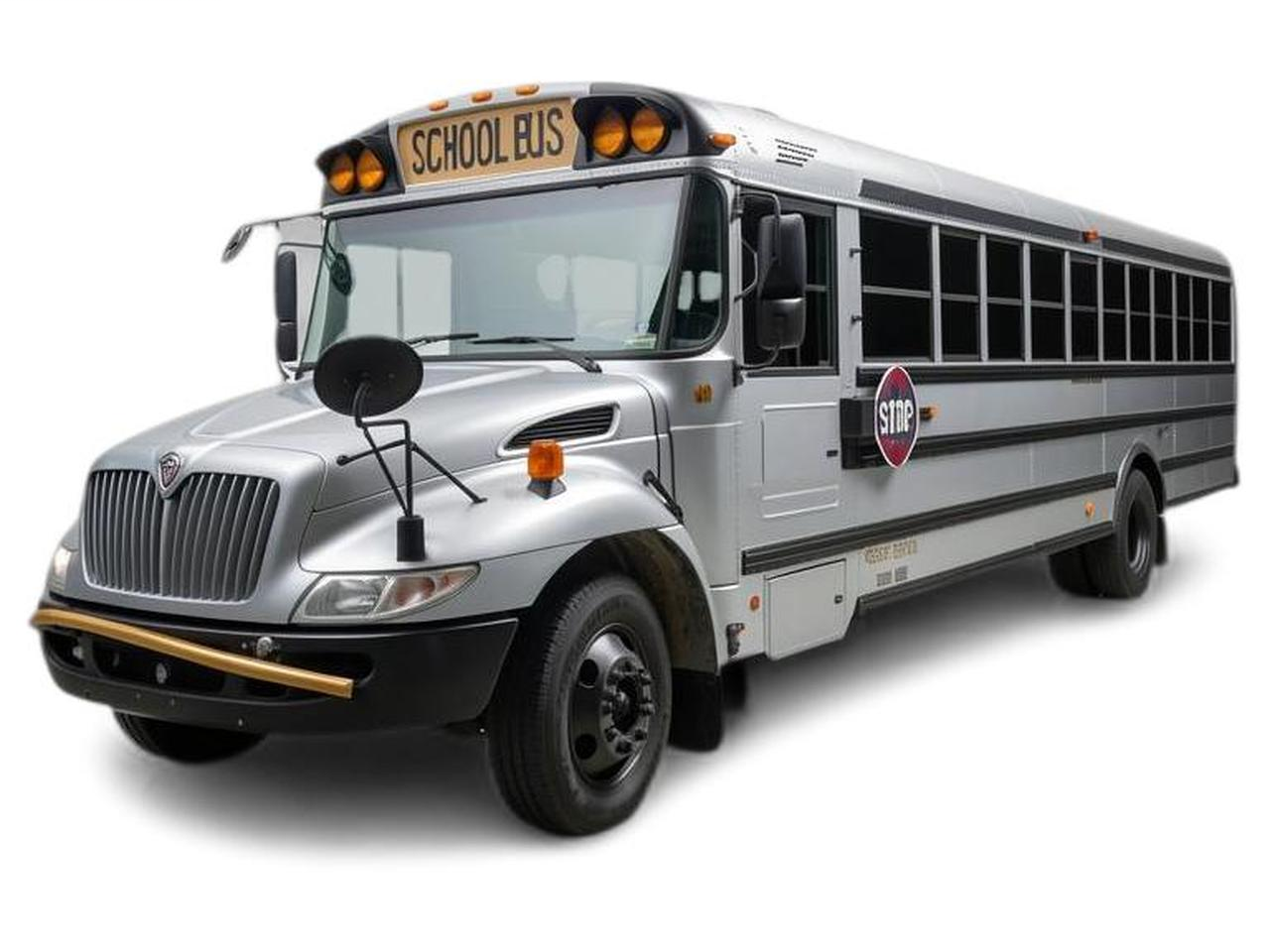
The Good
The 2005 International 3000 excels in durability and operational reliability, appealing to practical buyers. Its strong chassis and dependable powertrains offer peace of mind. While comfort is secondary, its functional design prioritizes driver and passenger utility, providing a solid foundation for various applications.
The Bad
Potential weaknesses for the 2005 International 3000 often revolve around age-related component wear, particularly in areas like the drivetrain and braking system. Rust, especially in harsh climates, can be a concern. Furthermore, the interior amenities are basic, reflecting its commercial focus rather than passenger comfort.
2005 International 3000: Quick Overview
The 2005 International 3000, being a chassis for various applications, has a wide range of potential specifications.
- Engine Options: Typically offered with robust diesel engines designed for commercial use. Common options included International's own DT series, such as the DT 466, known for its durability. Other Cummins engines might also have been available.
- Horsepower: Horsepower varied significantly based on the specific engine chosen and the intended application. For the DT 466, horsepower ratings generally ranged from around 170 hp to over 250 hp.
- Fuel Economy: Fuel economy for commercial vehicles like the 3000 series is highly dependent on the engine, transmission, load, and driving conditions. It is not typically measured or advertised in the same way as passenger cars, but owners would expect considerably lower MPG figures, likely in the single digits or low teens, due to its size and weight.
- 0-60 Times: 0-60 mph acceleration is not a relevant metric for this type of vehicle. Its purpose is not speed but rather sustained power and torque for hauling or transporting.
- Towing Capacity: Towing capacity is highly variable and depends entirely on the final body configuration and Gross Vehicle Weight Rating (GVWR) of the completed vehicle. The chassis itself is designed to support substantial loads, but specific towing figures are determined by the upfitter and the intended use.
- Trim-Level Features: As a chassis, the 2005 International 3000 does not have traditional trim levels like passenger vehicles. Features were determined by the upfitter who converted the chassis into a specific vehicle, such as a bus, shuttle, RV, or specialized work truck. Standard features on the chassis itself would include a driver's cab with essential controls, a robust frame, suspension, and braking system. Optional features would be dictated by the chosen application and could include air conditioning, power steering, and basic instrumentation.
2005 International 3000 Specifications
Vehicle Information
| Year | 2005 |
| Make | International |
| Model | 3000 |
| Trim | - |
| Style | - |
| Type | Bus |
| Category | Bus |
Manufacturing Details
| Made In | United States |
| Manufacturing City | CONWAY |
Dimensions
| Doors | - |
| Curb Weight | - |
| Gross Vehicle Weight Rating | 33000 pounds |
| Overall Height | - |
| Overall Length | - |
| Overall Width | - |
| Wheelbase Length | - |
| Standard Seating | - |
Engine & Performance
| Engine | 7.6L I6 |
| Engine Size | 7.6L |
| Engine Cylinders | 8 |
| Transmission | - |
| Transmission Type | - |
| Transmission Speeds | - |
| Drivetrain | Rear-Wheel Drive |
Additional Features
| Anti-Brake System | - |
| Steering Type | - |
Pricing
| Manufacturer Suggested Retail Price (MSRP) | - |
| Invoice Price | - |
| Delivery Charges | - |
Vehicle History Report
Specifications
History
Events
History Check
Check
Check
Check
Check
Listings
Recalls
Check
Analysis
What Problems Does the 2005 International 3000 Have?
One frequently reported area of concern can be related to the diesel particulate filter (DPF) systems, if equipped, which are crucial for emissions control. These filters can become clogged over time, leading to reduced engine performance and requiring cleaning or replacement. Another potential issue, common in older diesel engines, is injector problems or issues with the fuel injection system, which can manifest as rough idling, loss of power, or difficulty starting.
The cooling system is also an area to monitor. Radiator leaks, worn hoses, or a malfunctioning water pump can lead to overheating, which can cause significant engine damage if not addressed promptly. For vehicles that have been used extensively in harsh environments or with heavy loads, brake system components such as rotors, pads, and calipers will eventually require maintenance or replacement.
Electrical system issues, though less common than mechanical ones, can also occur. This might include problems with alternators, starter motors, or wiring harnesses, especially if exposed to moisture or vibration. Given its age, rust can be a significant long-term concern, particularly on the frame, body panels (if the chassis is part of an integrated body), and exhaust system. This is especially true for vehicles operating in regions with heavy road salt usage during winter months.
While there are no widespread, model-year specific major recalls that stand out for the 2005 International 3000 chassis as a whole, individual component recalls from suppliers of engines, transmissions, or other parts are always a possibility. It is crucial for owners to check for any outstanding recalls specific to their vehicle's VIN. Overall, long-term reliability hinges heavily on diligent maintenance, timely repairs, and the specific duty cycle the vehicle has endured.
How long will the 2005 International 3000 last?
What Technology & Safety Features are Included?
Technology and Entertainment: Built-in technology is minimal. The dashboard typically includes essential analog gauges for speed, engine RPM, fuel level, oil pressure, and coolant temperature. A basic AM/FM radio might have been an option, often with simple speaker configurations. Modern infotainment systems, touchscreens, or integrated navigation were not standard and would have been aftermarket additions if installed at all.
Driver-Assistance Features: Driver-assistance systems as we know them today were largely absent. Features like backup cameras, lane departure warnings, or adaptive cruise control were not available. Power steering was standard, and anti-lock braking systems (ABS) were becoming more common for safety but were not universally present across all configurations.
Safety Features: Safety in the 2005 International 3000 is primarily achieved through its robust construction and inherent design for heavy-duty use. The sturdy chassis and body (depending on the upfitter) are designed to withstand significant forces. Seat belts for the driver and any passengers are standard. Depending on the final application, features like sturdy grab handles, non-slip flooring, and emergency exits (in bus configurations) contribute to occupant safety.
Crash-Test Ratings: Formal crash-test ratings from agencies like the NHTSA or IIHS are generally not applicable or available for commercial chassis such as the International 3000. These organizations typically focus their testing on light-duty passenger vehicles, SUVs, and pickup trucks. The safety of a converted International 3000 vehicle is more dependent on the specific body built upon the chassis by the upfitter and adherence to relevant commercial vehicle safety regulations for its intended purpose.
What Colors Options are Available?
2005 International 3000 Prices and Market Value
In the current used market, prices for a 2005 International 3000 are highly variable, often ranging from $5,000 to $25,000 or more, heavily influenced by its condition, mileage, previous use (e.g., school bus, RV conversion), and the quality of any conversion work. Depreciation on these vehicles is substantial from their new price, as they are depreciated heavily for commercial use. However, their resale value can be surprisingly resilient in certain niches, especially for well-maintained units with desirable configurations (like a functional RV conversion or a robust cargo van body) that require less immediate work for a buyer. Factors like engine type, transmission condition, rust prevalence, and overall mechanical soundness significantly impact their market value.
2005 International 3000 Cost of Ownership
2005 International 3000 Fuel Efficiency
2005 International 3000 Recalls & Defects
Electrical System
2005 International 3000 Warranty
Basic
Powertrain
Rust
2005 International 3000 Insurance
reasonable repair costs.
How Does the 2005 International 3000 Compare to Other Bus?
Performance: The International 3000, often equipped with its robust DT series diesel engines, generally offers strong torque and pulling power, suitable for heavy loads. Freightliner chassis often provide comparable or superior powertrain options, sometimes with more refined driving dynamics. Ford and Chevrolet cutaway vans, while capable, might offer slightly less robust powertrain options for extreme heavy-duty tasks compared to a dedicated heavy truck chassis like the International.
Features: Features are highly dependent on the upfitter. In terms of the chassis itself, the International 3000 provides a functional, albeit basic, driver environment. Rivals might offer slightly more creature comforts or basic technology in their cab designs, but again, the final features are determined by the body builder.
Reliability: International chassis are known for their ruggedness and long-term durability, particularly their engines. Freightliner also has a strong reputation for reliability in the commercial sector. Ford and Chevrolet E-Series chassis are generally reliable for their intended vocational uses but might not match the extreme longevity of some International or Freightliner heavy-duty applications.
Price: On the used market, the 2005 International 3000 can often be found at competitive price points, sometimes offering more robust construction for the dollar compared to a similarly aged Ford or Chevrolet cutaway chassis when seeking a heavy-duty application.
Alternatives: For a general-purpose cargo van or shuttle bus application, a Ford E-Series Cutaway or Chevrolet Express Cutaway could be similar alternatives, often with more readily available parts and simpler mechanics. For more demanding vocational tasks or heavier bus applications, Freightliner chassis would be a very comparable alternative. If seeking a purpose-built RV chassis, other specialized manufacturers might offer better integrated solutions. However, for a robust, no-frills heavy-duty chassis, the International 3000 remains a solid, albeit older, choice.
Final Verdict: Is the 2005 International 3000 a Good Bus?

Eugene S
Eugene is an automotive enthusiast with over 15 years of experience in the used car market. As a writer at VINCheck.info, he brings deep industry insight and a passion for cars, helping readers make smart, informed decisions. Eugene has written hundreds of used car reviews and is known for breaking down complex automotive topics into clear, actionable advice. Over the years, he has driven and worked on a wide range of vehicles—starting with tuning street cars in his early days and eventually focusing on performance upgrades and reliability improvements. Today, he specializes in evaluating used vehicles through the lens of real-world ownership and enthusiast needs. A longtime fan of Porsche, Eugene especially appreciates vehicles that blend durability with driving enjoyment.