
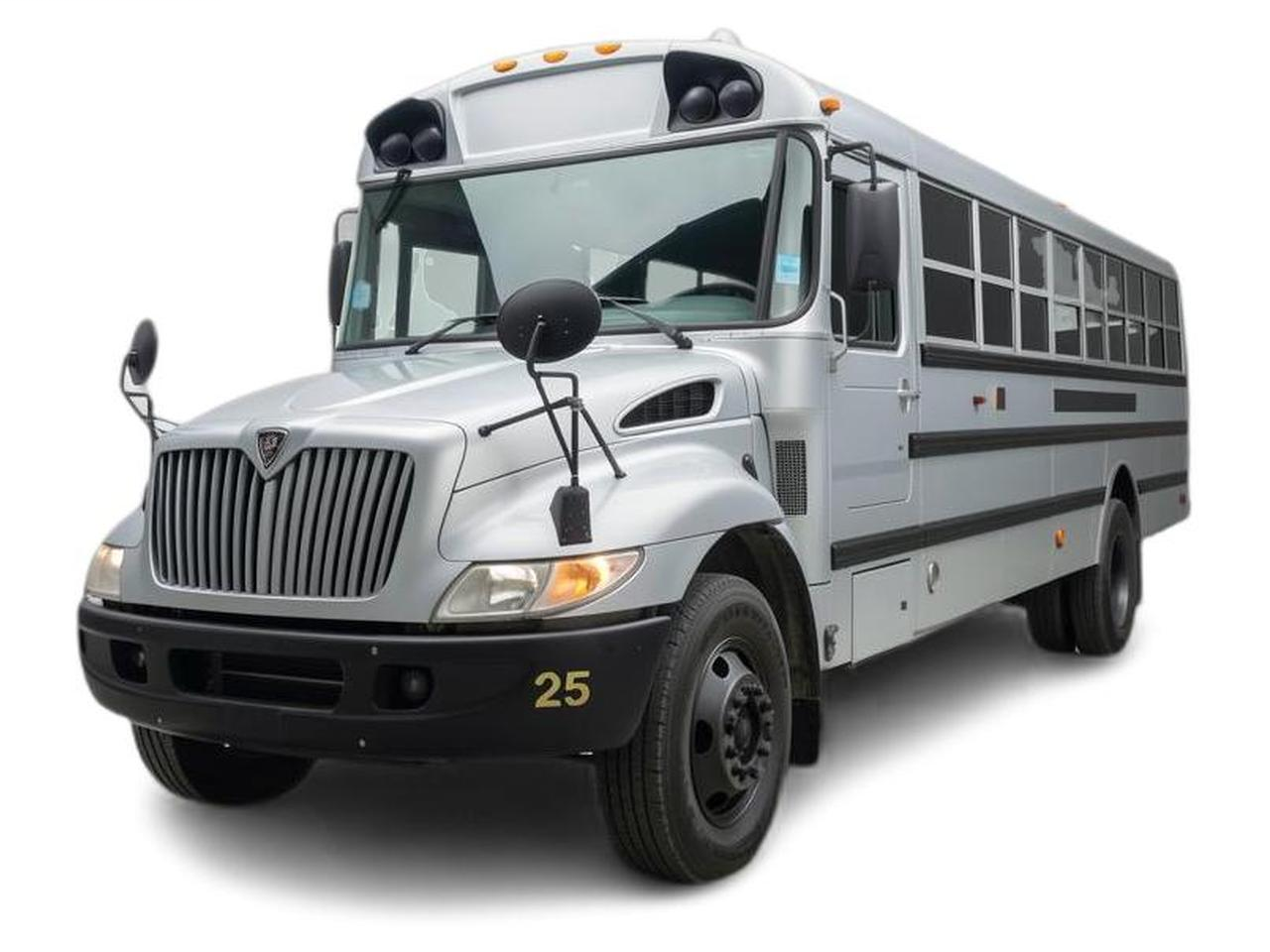
The Good
The 2006 International 3000 excels in robust performance and proven reliability, offering peace of mind for operators. Its practical, no-nonsense design prioritizes functionality and durability, providing a solid value for its intended vocational purposes. This translates to dependable service and lower long-term operational concerns.
The Bad
Owners should be aware of potential issues related to older diesel engine components, exhaust systems, and the overall wear and tear on a work vehicle. Specific transmission and electrical system glitches can also arise. Regular and thorough maintenance is crucial to mitigate these potential weaknesses.
2006 International 3000: Quick Overview
- Engine Options: The 2006 International 3000 chassis was typically offered with several diesel engine choices, primarily from International's own lineup or Cummins. Common options included:
- International VT 365 V8 Diesel
- Cummins ISB Inline-6 Diesel
- Horsepower: Horsepower ratings varied significantly depending on the specific engine and its configuration, but generally ranged from approximately 170 hp to over 230 hp for the diesel engines. For example, the VT 365 might offer around 195-215 hp, while a Cummins ISB could be tuned within a similar or slightly higher range.
- Fuel Economy: Fuel economy for commercial vehicles like the International 3000 is not typically rated by EPA standards in the same way as passenger cars. It is heavily dependent on the application (bus, truck), load, driving conditions, and specific engine tune. Owners often report figures in the range of 8-12 miles per gallon, but this can fluctuate widely.
- 0-60 Times: 0-60 mph acceleration times are not a standard metric for this type of vehicle and are largely irrelevant due to its design and purpose. These vehicles are built for utility and load-carrying, not speed.
- Towing Capacity: The towing capacity of a 2006 International 3000 is highly dependent on the specific chassis configuration, wheelbase, rear axle ratio, and any factory-installed towing packages or aftermarket modifications. As a chassis, it is designed to carry substantial weight on its own and to be a platform for buses or trucks with significant Gross Vehicle Weight Ratings (GVWR). If configured for towing, it would be suited for heavy trailers, often in the commercial or recreational vehicle sector, with capacities potentially exceeding 10,000-20,000 lbs, but specific ratings are model-dependent.
- Trim-Level Features: The concept of "trims" in the traditional automotive sense (like LX, EX, Sport) does not apply to the 2006 International 3000. Instead, features are determined by the vocational body installed on the chassis and optional equipment selected by the fleet operator or upfitter. Standard features for the chassis itself would include essential driver controls, basic instrumentation, power steering, and a heavy-duty braking system. Optional features could encompass air conditioning, upgraded driver seats, auxiliary lighting, and various powertrain enhancements tailored to the specific application. The focus is on functionality, durability, and operational efficiency.
2006 International 3000 Specifications
Vehicle Information
| Year | 2006 |
| Make | International |
| Model | 3000 |
| Trim | - |
| Style | - |
| Type | Bus |
| Category | Buspc105 |
Manufacturing Details
| Made In | United States |
| Manufacturing City | CONWAY |
Dimensions
| Doors | - |
| Curb Weight | - |
| Gross Vehicle Weight Rating | 33000 pounds |
| Overall Height | - |
| Overall Length | - |
| Overall Width | - |
| Wheelbase Length | - |
| Standard Seating | - |
Engine & Performance
| Engine | 7.6L I6 |
| Engine Size | 7.6L |
| Engine Cylinders | 8 |
| Transmission | - |
| Transmission Type | - |
| Transmission Speeds | - |
| Drivetrain | Rear-Wheel Drive |
Additional Features
| Anti-Brake System | - |
| Steering Type | - |
Pricing
| Manufacturer Suggested Retail Price (MSRP) | - |
| Invoice Price | - |
| Delivery Charges | - |
Vehicle History Report
Specifications
History
Events
History Check
Check
Check
Check
Check
Listings
Recalls
Check
Analysis
What Problems Does the 2006 International 3000 Have?
- Transmission Issues: Depending on the transmission paired with the engine (often an Allison automatic), owners may experience issues such as hard shifting, slipping gears, or complete transmission failure, especially under heavy load or with high mileage.
- Cooling System: Overheating can be a concern due to the demanding nature of these vehicles. Radiator leaks, faulty thermostats, and worn water pumps are not uncommon, particularly on older units.
- Electrical System: While generally robust, the electrical systems can develop gremlins over time. This can manifest as intermittent power losses, faulty sensors, or issues with the dashboard instrumentation. Alternator and battery failures are also standard wear-and-tear items.
- Suspension and Brakes: Given their workhorse nature, components like leaf springs, shock absorbers, and brake pads/rotors will experience significant wear. Regular inspections and replacements are critical for safety and performance.
- Exhaust System: Rust and corrosion can affect the exhaust system over time, leading to leaks or component failure.
How long will the 2006 International 3000 last?
What Technology & Safety Features are Included?
- Technology & Entertainment: Standard equipment typically includes a basic AM/FM radio, often with a cassette player or a single-CD player. Auxiliary inputs for external devices were rare but could be found on some upgraded systems. The instrument cluster would feature essential gauges for speed, RPM, fuel level, coolant temperature, and oil pressure. Warning lights for critical systems are standard.
- Driver-Assistance Features: Driver-assistance features as we understand them today (like lane departure warning or adaptive cruise control) were virtually non-existent on this model. The primary form of driver assistance is the power steering and the heavy-duty braking system. Some higher-end applications or specialty vehicles built on this chassis might have featured backup cameras, particularly in larger bus configurations for maneuverability.
- Safety Features: Standard safety features include seat belts for all occupants, mandated by commercial vehicle regulations. The robust chassis construction provides inherent structural integrity. Depending on the body (e.g., a school bus), additional safety features would be incorporated by the body manufacturer, such as flashing lights, stop signs, reinforced windows, and emergency exits. Anti-lock Braking Systems (ABS) were often optional or standard on newer configurations of this chassis, enhancing braking control, especially in adverse conditions.
- Optional Features: Optional features were heavily dictated by the intended use. For a bus, this could include enhanced climate control systems, upgraded seating, wheelchair lifts, and audio-visual systems for passengers. For other vocational applications, it might involve specialized power take-off (PTO) systems or additional lighting.
- Crash-Test Ratings: Dedicated crash-test ratings from organizations like the IIHS or NHTSA for commercial truck chassis are not typically available in the same format as passenger vehicles. The safety of a vehicle built on the International 3000 chassis is largely determined by the body manufacturer's adherence to industry safety standards for that specific application (e.g., school bus safety regulations). The inherent strength of the International chassis provides a solid foundation.
What Colors Options are Available?
2006 International 3000 Prices and Market Value
2006 International 3000 Cost of Ownership
2006 International 3000 Fuel Efficiency
2006 International 3000 Recalls & Defects
Electrical System
2006 International 3000 Warranty
Basic
Powertrain
Rust
2006 International 3000 Insurance
reasonable repair costs.
How Does the 2006 International 3000 Compare to Other Bus?
- Performance: In terms of raw performance, the International 3000, often equipped with robust diesel engines, typically offers strong torque for hauling and towing, which is its primary design objective. Rivals like Freightliner often have comparable diesel options, while Ford's gasoline V8s in their cutaway vans offer a different performance profile, generally more focused on lighter duty. Blue Bird chassis are specifically engineered for school bus safety and performance characteristics.
- Features: Features are highly dependent on the body built upon the chassis. Comparing bare chassis, the International 3000 focuses on utility. Rivals might offer slightly more advanced dashboard ergonomics or basic creature comforts in their cutaway van platforms. However, for specialized bodies like buses, the International is often on par with competitors, with features dictated by vocational needs rather than luxury.
- Reliability: International has a long-standing reputation for building durable commercial vehicles. Its diesel engines and chassis are generally considered reliable, though like any vehicle, they are susceptible to wear and tear. Freightliner chassis also boast a strong reputation for reliability in commercial applications. Ford E-Series cutaways can be reliable, but their gasoline engines may not offer the same long-term heavy-duty durability as larger diesels for extreme use. Blue Bird buses are known for their robust construction for the demanding school transportation sector.
- Price: As a chassis, the International 3000 generally falls into a competitive price range with its direct commercial chassis competitors. Used prices are highly variable. When looking for alternatives, consider the specific application. For school bus conversions, other chassis manufacturers exist, but the core function remains similar.
- Similar Alternatives: Freightliner M2 Business Class chassis, Ford F-650, and Chevrolet Silverado (for medium-duty truck applications). For bus applications, consider Blue Bird or Thomas Built Buses chassis.
- Better Alternatives (depending on need): If the need is for a lighter-duty, more passenger-car-like experience with occasional cargo hauling, a heavy-duty pickup truck or a large passenger van chassis (like a Ford Transit cutaway) might be more suitable and offer better fuel economy and a more comfortable ride. If the ultimate in heavy-duty commercial reliability is sought, looking at newer models or higher-spec chassis from these manufacturers would be advisable, though at a higher cost. The 2006 International 3000 remains a solid choice for its intended purpose, especially if found in good condition and at a fair price.
Final Verdict: Is the 2006 International 3000 a Good Bus?

Eugene S
Eugene is an automotive enthusiast with over 15 years of experience in the used car market. As a writer at VINCheck.info, he brings deep industry insight and a passion for cars, helping readers make smart, informed decisions. Eugene has written hundreds of used car reviews and is known for breaking down complex automotive topics into clear, actionable advice. Over the years, he has driven and worked on a wide range of vehicles—starting with tuning street cars in his early days and eventually focusing on performance upgrades and reliability improvements. Today, he specializes in evaluating used vehicles through the lens of real-world ownership and enthusiast needs. A longtime fan of Porsche, Eugene especially appreciates vehicles that blend durability with driving enjoyment.