The 2010 Lamborghini Gallardo, a staple in the supercar segment from 2003 to 2013, is renowned for its exhilarating performance and iconic Italian design. Available primarily as a coupe and spyder (convertible), key trims for 2010 included the LP560-4 and the LP570-4 Super Trofeo Stradale. New pricing ranged from approximately $200,000 to over $250,000. Its enduring popularity stems from its potent V10 engine, razor-sharp handling, and unmistakable, aggressive styling, making it a dream car for enthusiasts.

The Good
The 2010 Lamborghini Gallardo excels in breathtaking performance with its roaring V10 and agile handling, appealing to the thrill-seeker. Its striking design is a guaranteed head-turner. For the pragmatic, while not a typical focus, its relative reliability compared to some exotic contemporaries and surprisingly usable cockpit offer a degree of practicality for a supercar.

The Bad
Potential buyers of the 2010 Lamborghini Gallardo should be aware of its demanding maintenance costs, potential for expensive clutch wear on manual or e-gear models, and stiff ride quality. Visibility can also be limited, and interior ergonomics may not suit all drivers. Repair costs are inherently high for exotic vehicles.
2010 Lamborghini Gallardo: Quick Overview
- Engine Options: The primary engine for the 2010 Gallardo is a naturally aspirated 5.2-liter V10.
- Horsepower:
- Gallardo LP560-4: 552 horsepower
- Gallardo LP570-4 Super Trofeo Stradale: 562 horsepower
- Torque:
- LP560-4: 398 lb-ft
- LP570-4: 398 lb-ft
- Transmission: Available with a 6-speed manual transmission or an automated-manual transmission (e-gear).
- Drivetrain: All-wheel drive (AWD) on most models (LP560-4), with some RWD variants in later years or special editions.
- Fuel Economy: Expectedly poor for a supercar. EPA estimates were around 10-12 MPG city and 17-18 MPG highway.
- 0-60 Times: Typically in the range of 3.4 to 3.7 seconds, depending on the specific trim and transmission.
- Top Speed: Exceeds 200 mph.
- Towing Capacity: Not applicable. Supercars are not designed for towing.
- Trim-Level Features (LP560-4):
- Aggressive aerodynamic body kit
- Xenon headlights
- Leather upholstery
- Power-adjustable seats
- Automatic climate control
- Navigation system (optional)
- Premium sound system
- Limited-slip differential
- Optional e-gear transmission
- Trim-Level Features (LP570-4 Super Trofeo Stradale):
- RWD configuration
- Further weight reduction through carbon fiber components (spoiler, engine cover, etc.)
- Larger rear wing
- Alcantara interior
- Race-inspired styling cues
2010 Lamborghini Gallardo Specifications
Vehicle Information
| Year | 2010 |
| Make | Lamborghini |
| Model | Gallardo |
| Trim | - |
| Style | - |
| Type | - |
| Category | Compact Car |
Manufacturing Details
| Made In | Italy |
| Manufacturing City | - |
Dimensions
| Doors | - |
| Curb Weight | - |
| Gross Vehicle Weight Rating | - |
| Overall Height | - |
| Overall Length | - |
| Overall Width | - |
| Wheelbase Length | - |
| Standard Seating | - |
Engine & Performance
| Engine | - |
| Engine Size | - |
| Engine Cylinders | - |
| Transmission | - |
| Transmission Type | - |
| Transmission Speeds | - |
| Drivetrain | Four-Wheel Drive |
Additional Features
| Anti-Brake System | - |
| Steering Type | - |
Pricing
| Manufacturer Suggested Retail Price (MSRP) | - |
| Invoice Price | - |
| Delivery Charges | - |
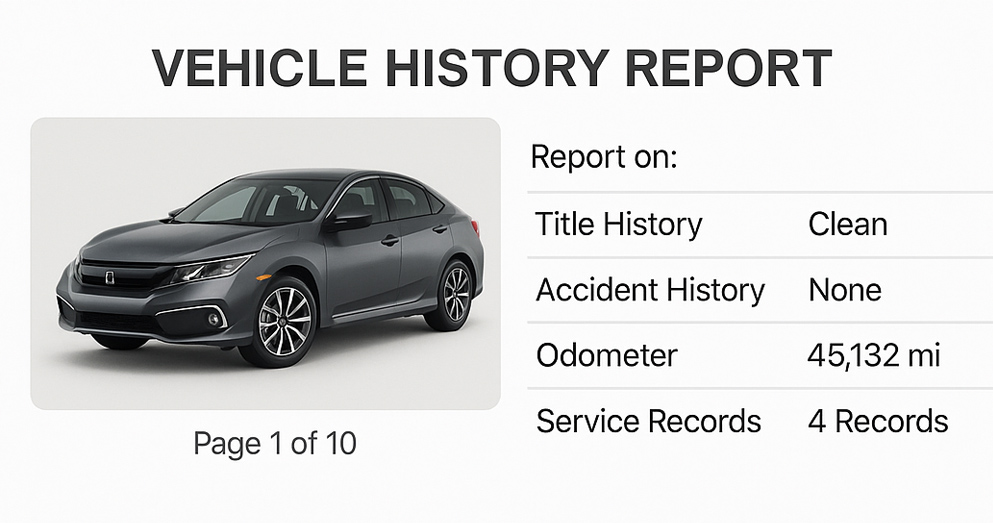
Vehicle History Report
Vehicle
Specifications
Specifications
Ownership
History
History
All History
Events
Events
NMVTIS Title
History Check
History Check
Salvage/Rebuilt
Check
Check
Accident
Check
Check
Theft
Check
Check
Open Lien
Check
Check
Past Sale
Listings
Listings
Safety
Recalls
Recalls
Odometer
Check
Check
Market Price
Analysis
Analysis
What Problems Does the 2010 Lamborghini Gallardo Have?
The 2010 Lamborghini Gallardo, while a remarkable machine, is not without its potential issues, as is common with high-performance exotics. One of the most frequently reported concerns, particularly with the e-gear automated manual transmission, is premature clutch wear. This can lead to expensive replacement costs, especially if the car has been driven aggressively or primarily in city traffic. The clutch itself is a significant expense. Another area to watch is the engine mounts, which can degrade over time, leading to increased vibration and potentially more serious issues if ignored.
Suspension components, including bushings and dampers, can also experience wear due to the demanding nature of the car's performance and stiff tuning. It's not uncommon for owners to report the need for suspension overhauls on higher-mileage examples. Electrical gremlins, while not ubiquitous, can surface, affecting everything from infotainment systems to sensor readings.
Recalls for the 2010 model year are not as extensive as for mass-produced vehicles, but they typically relate to specific safety systems or component integrity. For instance, there may have been recalls concerning airbag systems or fuel line connections. It is crucial to verify that any recall work has been completed.
Long-term reliability is heavily dependent on how the car has been maintained and driven. A Gallardo that has been regularly serviced by qualified Lamborghini technicians using correct fluids and parts, and driven with a degree of respect, will generally hold up better than one that has been neglected or abused. The 5.2-liter V10 engine itself is generally robust, but like any high-strung engine, it requires meticulous care. Owners should be prepared for specialized maintenance and the associated costs. Model year-specific issues are less pronounced for the 2010 model, as it was part of a well-established generation of the Gallardo. However, as with any used exotic, a thorough pre-purchase inspection by a marque specialist is non-negotiable.
Suspension components, including bushings and dampers, can also experience wear due to the demanding nature of the car's performance and stiff tuning. It's not uncommon for owners to report the need for suspension overhauls on higher-mileage examples. Electrical gremlins, while not ubiquitous, can surface, affecting everything from infotainment systems to sensor readings.
Recalls for the 2010 model year are not as extensive as for mass-produced vehicles, but they typically relate to specific safety systems or component integrity. For instance, there may have been recalls concerning airbag systems or fuel line connections. It is crucial to verify that any recall work has been completed.
Long-term reliability is heavily dependent on how the car has been maintained and driven. A Gallardo that has been regularly serviced by qualified Lamborghini technicians using correct fluids and parts, and driven with a degree of respect, will generally hold up better than one that has been neglected or abused. The 5.2-liter V10 engine itself is generally robust, but like any high-strung engine, it requires meticulous care. Owners should be prepared for specialized maintenance and the associated costs. Model year-specific issues are less pronounced for the 2010 model, as it was part of a well-established generation of the Gallardo. However, as with any used exotic, a thorough pre-purchase inspection by a marque specialist is non-negotiable.
How long will the 2010 Lamborghini Gallardo last?
Estimating average mileage for a 2010 Lamborghini Gallardo is challenging as these cars are often driven sparingly as weekend toys or for special occasions. However, typical owner data suggests that many examples have accumulated between 10,000 to 30,000 miles over their lifetime. A well-maintained Gallardo can certainly reach 50,000 miles and beyond, but this requires diligent and specialized servicing. Long-term durability hinges heavily on maintenance. The V10 engine is robust, but high-performance components like the clutch and suspension will wear. Early clutch replacement is a common weakness over time, especially on e-gear models. Regular fluid changes, proper cooling system maintenance, and avoiding harsh driving in extreme conditions are crucial for maximizing its lifespan. Weaknesses that emerge over time typically relate to the aforementioned wear-and-tear items common to all high-performance vehicles, exacerbated by the exotic nature and cost of parts.
What Technology & Safety Features are Included?
The 2010 Lamborghini Gallardo, while focused on performance, offers a respectable suite of technology and safety features for its era, though it pales in comparison to modern vehicles.
Built-in Tech and Entertainment: Standard features typically included a premium audio system (often branded by Alpine or another reputable manufacturer) with an AM/FM radio and CD player. An optional navigation system was available, though its interface and functionality would be considered basic by today's standards. Bluetooth connectivity for hands-free calling was also an option on some models. The instrument cluster features a digital display for various vehicle information, and climate control was generally automatic. The overall cabin tech was designed to be functional rather than cutting-edge.
Driver-Assistance Features: Advanced driver-assistance systems (ADAS) as we know them today were virtually nonexistent. The primary focus was on the driver's control. Features like cruise control were standard. Parking sensors might have been an option, but rearview cameras were not a common offering in 2010 for this class of vehicle.
Safety Features: The Gallardo came equipped with essential safety features including front airbags for the driver and passenger, and typically side airbags. Anti-lock Braking System (ABS) and Electronic Stability Control (ESC) were standard, crucial for managing the car's immense power. Traction control was also a key component of its safety systems. The chassis itself is engineered for structural integrity.
Optional Features: Beyond navigation and Bluetooth, options could include a rear parking camera, different alloy wheel designs, and enhanced interior materials. The e-gear automated manual transmission could be considered an optional convenience feature over the manual.
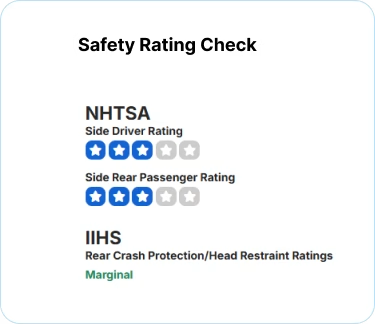
Crash-Test Ratings: Lamborghini, like many low-volume exotic manufacturers, does not typically subject its vehicles to the same rigorous, standardized crash testing conducted by organizations like the NHTSA (National Highway Traffic Safety Administration) or the IIHS (Insurance Institute for Highway Safety) that are common for mass-market vehicles. Therefore, official crash-test ratings are generally unavailable for the 2010 Gallardo. The car's construction, however, involves a strong aluminum spaceframe and energy-absorbing crumple zones, designed to protect occupants in the event of a collision.
Built-in Tech and Entertainment: Standard features typically included a premium audio system (often branded by Alpine or another reputable manufacturer) with an AM/FM radio and CD player. An optional navigation system was available, though its interface and functionality would be considered basic by today's standards. Bluetooth connectivity for hands-free calling was also an option on some models. The instrument cluster features a digital display for various vehicle information, and climate control was generally automatic. The overall cabin tech was designed to be functional rather than cutting-edge.
Driver-Assistance Features: Advanced driver-assistance systems (ADAS) as we know them today were virtually nonexistent. The primary focus was on the driver's control. Features like cruise control were standard. Parking sensors might have been an option, but rearview cameras were not a common offering in 2010 for this class of vehicle.
Safety Features: The Gallardo came equipped with essential safety features including front airbags for the driver and passenger, and typically side airbags. Anti-lock Braking System (ABS) and Electronic Stability Control (ESC) were standard, crucial for managing the car's immense power. Traction control was also a key component of its safety systems. The chassis itself is engineered for structural integrity.
Optional Features: Beyond navigation and Bluetooth, options could include a rear parking camera, different alloy wheel designs, and enhanced interior materials. The e-gear automated manual transmission could be considered an optional convenience feature over the manual.
Crash-Test Ratings: Lamborghini, like many low-volume exotic manufacturers, does not typically subject its vehicles to the same rigorous, standardized crash testing conducted by organizations like the NHTSA (National Highway Traffic Safety Administration) or the IIHS (Insurance Institute for Highway Safety) that are common for mass-market vehicles. Therefore, official crash-test ratings are generally unavailable for the 2010 Gallardo. The car's construction, however, involves a strong aluminum spaceframe and energy-absorbing crumple zones, designed to protect occupants in the event of a collision.
What Colors Options are Available?
2010 Lamborghini Gallardo Prices and Market Value
When new, the 2010 Lamborghini Gallardo carried a substantial price tag, with the LP560-4 coupe starting around $200,000 and the more specialized LP570-4 Super Trofeo Stradale pushing above $230,000. Convertibles (Spyder) generally commanded a premium of $10,000-$20,000 more.
Currently, the used market prices for a 2010 Gallardo can range widely, from approximately $80,000 to $150,000, depending heavily on mileage, condition, maintenance history, and specific trim.
Depreciation is steepest in the first few years of ownership, as is typical for high-end luxury and exotic vehicles. Beyond that initial drop, the Gallardo tends to hold its value relatively well compared to many other cars, especially in lower mileage and well-maintained examples. Factors affecting resale value include: mileage, service records (preferably from authorized Lamborghini service centers), condition of the paint and interior, originality of parts, and the rarity of the specific trim or options. Scarcity and desirability of the iconic V10 Lamborghini engine contribute to its long-term value retention.
Currently, the used market prices for a 2010 Gallardo can range widely, from approximately $80,000 to $150,000, depending heavily on mileage, condition, maintenance history, and specific trim.
Depreciation is steepest in the first few years of ownership, as is typical for high-end luxury and exotic vehicles. Beyond that initial drop, the Gallardo tends to hold its value relatively well compared to many other cars, especially in lower mileage and well-maintained examples. Factors affecting resale value include: mileage, service records (preferably from authorized Lamborghini service centers), condition of the paint and interior, originality of parts, and the rarity of the specific trim or options. Scarcity and desirability of the iconic V10 Lamborghini engine contribute to its long-term value retention.
2010 Lamborghini Gallardo Cost of Ownership
Owning a 2010 Lamborghini Gallardo is unequivocally costly. Insurance premiums will be exceptionally high due to its value, performance, and the risk associated with exotic cars. Fuel costs are significant, with its V10 engine demanding premium unleaded and returning poor MPG. Maintenance is specialized and expensive, requiring factory-trained technicians and genuine parts, with annual servicing easily running into thousands of dollars. Repairs, particularly for the e-gear transmission, clutch, or any exotic component, can cost tens of thousands. Long-term ownership demands a substantial budget for upkeep, making it an economical choice for no one; it is a pure passion purchase.
2010 Lamborghini Gallardo Fuel Efficiency
Fuel Type
Gasoline
Fuel Capacity
-
City Mileage
-
Highway Mileage
-
2010 Lamborghini Gallardo Insurance
Insurance for a 2010 Lamborghini Gallardo is moderately priced, reflecting its status as a Vehicle with strong safety ratings and
reasonable repair costs.
How Does the 2010 Lamborghini Gallardo Compare to Other Vehicle?
The 2010 Lamborghini Gallardo competed in a rarefied segment of the supercar market. Its primary rivals from that era included the Ferrari F430 (and its successor, the 458 Italia), the Porsche 911 Turbo, and potentially the Audi R8 V10 (sharing some of its V10 DNA).
Performance: The Gallardo's 5.2-liter V10 and AWD system delivered ferocious acceleration and tenacious grip, especially in inclement weather, giving it an edge over rear-wheel-drive rivals in those conditions. The Ferrari F430 offered a more visceral, raw driving experience with its F1-derived soundtrack, while the 911 Turbo provided incredible all-weather performance and a more refined, albeit less exotic, feel. The Audi R8 V10 offered similar V10 performance with a more accessible and comfortable demeanor.
Features: In 2010, features were generally more focused on the driving experience than luxury or tech. The Gallardo's interior was driver-oriented but could feel a bit dated compared to the newer Ferrari 458 Italia. The Porsche 911 Turbo often boasted a more complete and user-friendly technology suite.
Reliability: Relative to other supercars, the Gallardo generally had a reputation for being more robust than some Ferraris of the era, especially in its AWD configuration. However, all exotics demand diligent maintenance, and costs are high. The Audi R8, sharing many components, often presented a more straightforward reliability proposition. The Porsche 911 Turbo is known for its engineering prowess and durability.
Price: The Gallardo was priced competitively within this elite group, often slotting between the F430 and the 458 Italia or 911 Turbo when new. Used prices for a 2010 Gallardo are now significantly lower than its contemporaries like the 458 Italia, making it a more accessible entry into the supercar world.
Alternatives:
Performance: The Gallardo's 5.2-liter V10 and AWD system delivered ferocious acceleration and tenacious grip, especially in inclement weather, giving it an edge over rear-wheel-drive rivals in those conditions. The Ferrari F430 offered a more visceral, raw driving experience with its F1-derived soundtrack, while the 911 Turbo provided incredible all-weather performance and a more refined, albeit less exotic, feel. The Audi R8 V10 offered similar V10 performance with a more accessible and comfortable demeanor.
Features: In 2010, features were generally more focused on the driving experience than luxury or tech. The Gallardo's interior was driver-oriented but could feel a bit dated compared to the newer Ferrari 458 Italia. The Porsche 911 Turbo often boasted a more complete and user-friendly technology suite.
Reliability: Relative to other supercars, the Gallardo generally had a reputation for being more robust than some Ferraris of the era, especially in its AWD configuration. However, all exotics demand diligent maintenance, and costs are high. The Audi R8, sharing many components, often presented a more straightforward reliability proposition. The Porsche 911 Turbo is known for its engineering prowess and durability.
Price: The Gallardo was priced competitively within this elite group, often slotting between the F430 and the 458 Italia or 911 Turbo when new. Used prices for a 2010 Gallardo are now significantly lower than its contemporaries like the 458 Italia, making it a more accessible entry into the supercar world.
Alternatives:
- Ferrari F430 (2005-2009): More raw emotion and a legendary V8 soundtrack, but potentially less reliable and more expensive to maintain.
- Audi R8 V10 (2010+): Shares the V10 engine, offers superior everyday usability and comfort, often at a similar or lower used price point. A strong, practical alternative.
- Porsche 911 Turbo (997 generation): Unmatched all-weather performance and everyday usability, but lacks the exotic presence and V10 roar.
Final Verdict: Is the 2010 Lamborghini Gallardo a Good Vehicle?
The 2010 Lamborghini Gallardo is ideal for the passionate enthusiast who desires the raw emotion, iconic styling, and V10 soundtrack of a true Italian supercar without the stratospheric price tag of newer models. It's a car for those who understand and can absorb the significant costs of exotic car ownership.
Is it worth buying? Absolutely, if your budget accommodates its high running costs. It offers a thrilling driving experience and undeniable presence. The used market is the only sensible route for purchasing a 2010 model. Specific trims like the LP560-4 offer a great balance of performance and AWD usability, while the LP570-4 Super Trofeo Stradale is for the collector seeking a more track-focused, exclusive machine.
Conditions for buying: Seek out examples with comprehensive service history, preferably from reputable specialists. Be prepared for expensive maintenance and potential repairs. It's a passion purchase, not a practical daily driver, and buying one requires a clear understanding of these realities.
Is it worth buying? Absolutely, if your budget accommodates its high running costs. It offers a thrilling driving experience and undeniable presence. The used market is the only sensible route for purchasing a 2010 model. Specific trims like the LP560-4 offer a great balance of performance and AWD usability, while the LP570-4 Super Trofeo Stradale is for the collector seeking a more track-focused, exclusive machine.
Conditions for buying: Seek out examples with comprehensive service history, preferably from reputable specialists. Be prepared for expensive maintenance and potential repairs. It's a passion purchase, not a practical daily driver, and buying one requires a clear understanding of these realities.